

Desyrel (Trazodone) – Patient Information (UK)
Desyrel is a brand of trazodone, a medicine used mainly to treat certain types of depression. In the UK, it is also commonly prescribed in specialist practice for sleep and related symptoms in some patients. This guide is designed to help you understand how trazodone works, how it’s taken, what to expect, and what to watch for.
Always follow the advice provided by your healthcare professional and read the patient information leaflet supplied with your medicine. If you have questions about suitability for you, speak to a pharmacist or clinician.
Quick overview
- Medicinal ingredient: Trazodone
- Brand name: Desyrel
- Medicinal class: Antidepressant (serotonin modulator)
- Common uses: Depression; sometimes sleep disturbance related to depression, depending on individual assessment
- How it’s taken: Usually by mouth, once daily or divided doses (depending on your regimen)
- Typical timing: Often taken in the evening or at bedtime because it can be sedating
Basic product information
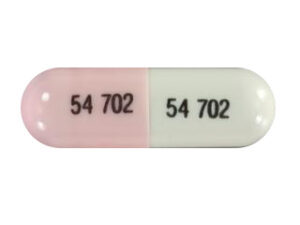
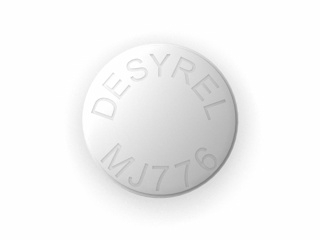
Desyrel contains trazodone and is available in tablet form in the UK. Strengths may vary depending on the formulation. Your specific product details (strength and how often to take it) will be stated on your packaging and in your instructions.
Key points about tablets:
- Swallow the tablet with water unless your instructions say otherwise.
- Do not stop or change your dose without medical advice.
- Keep track of dose times to help manage side effects such as drowsiness.
How Desyrel works (mechanism of action)
Trazodone helps regulate brain chemicals involved in mood and sleep. It primarily acts by:
- Serotonin modulation: It affects serotonin receptors (especially 5‑HT2) and can help increase serotonin signalling.
- Balancing mood and sleep: It has activity that may improve depressive symptoms and can be sedating for some people.
- Lower affinity for some targets: Compared with some older antidepressants, its receptor profile can influence side effects and tolerability.
The sedating effect often becomes noticeable soon after taking a dose, while mood improvement may take longer.
Pharmacokinetics (how the body handles trazodone)
After you take Desyrel, trazodone is absorbed from the gut and processed in the liver. Important aspects include:
- Absorption: Oral absorption occurs after swallowing tablets; food can affect the speed and extent of absorption.
- Distribution: Trazodone spreads throughout the body, including the brain.
- Metabolism: The liver metabolises trazodone, producing active and inactive metabolites.
- Elimination: Metabolites are excreted mainly via urine.
If you have liver disease, your clinician may adjust your dose or choose monitoring measures to reduce the risk of side effects.
Typical uses in the UK
In the UK, Desyrel is used to treat depression in adults. Depending on your situation, it may also be used to address symptoms such as sleep disturbance associated with depression or anxiety, under specialist direction.
Indications (what it may be used for)
- Depressive illness: Including symptoms such as low mood, loss of interest, and disturbed sleep
- Sleep problems related to depression: In some patients, at carefully chosen times and doses
Your exact indication should be confirmed by your healthcare professional, as use can vary based on your medical history.
When to take Desyrel (timing and how to fit it into daily life)
Because trazodone can cause drowsiness or dizziness, it is often taken in the evening or at bedtime. Some regimens involve splitting doses if daytime sedation would be problematic.
Common timing approaches
- For evening/bedtime use: Take with your usual evening routine, aiming for consistent timing each day.
- For divided dosing: Follow the schedule on your prescription or instructions, spacing doses as directed.
- If you feel very sleepy: Tell your clinician—your dose or timing may need adjustment.
What to do if you miss a dose
If you miss a dose, take it when you remember unless it is close to your next dose. If it is almost time for your next dose, skip the missed dose. Do not take a double dose.
If you’re unsure, ask a pharmacist for advice based on your dosing schedule.
Dosing: general guidance and important notes
Dosing varies by the individual, including age, severity of symptoms, other medications, and how you respond. Only use your own prescribed dose as directed.
How dosing is commonly started and adjusted
- Start low: Clinicians typically begin at a lower dose to reduce the likelihood of sedation and dizziness.
- Gradual increase (if needed): Dose may be increased slowly based on response and side effects.
- Watch for next-day effects: Particularly early on, some people feel groggy—timing and dose may need fine-tuning.
Do not adjust your dose without medical advice. Changing dose too quickly can worsen side effects or reduce effectiveness.
Food interactions
Food can influence how quickly trazodone is absorbed. While many people can take it with or without food, some may find that taking it with food reduces nausea or improves tolerability.
Practical food tips
- If you experience nausea, consider taking it after a meal (unless your instructions say otherwise).
- Try to take it at a consistent time each day to support steady effects.
For personalised advice, discuss with your pharmacist, especially if you have swallowing problems, gastrointestinal issues, or have been advised about food timing.
Alcohol and interactions with medicines
Alcohol
Avoid alcohol or keep it to a minimum while taking Desyrel. Alcohol can increase sedation and impair coordination, increasing the risk of falls, accidents, and dangerous drowsiness. It may also worsen mood and sleep quality.
Other medicines that may interact
Trazodone can interact with other drugs, affecting sedation, heart rhythm, or serotonin levels. It’s important to provide your pharmacist with a full list of medicines and supplements.
Examples of medicines that may require extra caution
- Other antidepressants and serotonergic medicines: Risk of increased serotonin effects.
- MAO inhibitors: Use is generally avoided with trazodone due to interaction risk.
- Medicines that affect heart rhythm: Some medicines can increase the risk of irregular heartbeat, especially in vulnerable people.
- Sedatives and sleep medicines: Increased drowsiness and impaired driving/working ability.
- Strong liver enzyme inhibitors/inducers: May raise or lower trazodone levels in the body, changing effect and side effects.
This is not an exhaustive list. If you take multiple medications, ask your pharmacist to check for interactions before starting or stopping any medicine.
Herbal and non-prescription products
Some over-the-counter products and herbal remedies may interact (for example, those that act on serotonin or cause sedation). Always mention them when seeking advice.
Safety profile: common, serious, and when to seek help
Like all medicines, Desyrel can cause side effects. Many are mild and improve as your body adjusts. Others are uncommon but important to recognise early.
Common side effects
- Sleepiness or drowsiness
- Dizziness or feeling light-headed
- Dry mouth
- Headache
- Nausea or upset stomach
- Blurred vision (in some people)
- Fatigue
Less common but important side effects
- Changes in blood pressure (including orthostatic hypotension—dizziness when standing)
- Irregular heartbeat or palpitations (rare, but important)
- Sexual side effects (can occur with antidepressants)
- Confusion (more likely in older adults or with higher doses)
Seek urgent medical advice if you notice
- Signs of serotonin syndrome: high fever, agitation, confusion, sweating, fast heartbeat, muscle stiffness, severe shaking.
- Fainting or severe dizziness
- Chest pain, severe shortness of breath, or a very fast/irregular heartbeat
- Severe allergic reaction: swelling of the face/lips, breathing difficulty, widespread rash.
- Any sudden worsening of mental health or thoughts of self-harm—contact urgent support immediately.
If you’re in the UK and feel you may be in danger, call 999. For urgent help but not life-threatening emergencies, you can contact 111. If you’re worried about your mental health, seek urgent support through local services or emergency care.
Practical use tips for better tolerability
The following tips can help many people take Desyrel more comfortably, particularly during the first days to weeks.
- Be cautious with driving: If you feel drowsy, avoid driving or operating machinery until you know how you respond.
- Stand up slowly: Dizziness on standing can occur—especially early in treatment. Move gradually from lying to sitting to standing.
- Plan around fatigue: Schedule demanding tasks for times when you feel most alert (often later morning/afternoon once stable).
- Give it time: Mood-related benefits often develop gradually over several weeks.
- Don’t stop suddenly: Stopping abruptly can cause withdrawal-like symptoms. Ask your clinician about tapering if you need to stop.
- Track your response: Note sleep quality, mood, and side effects. This can help your clinician fine-tune your dose.
Driving, work, and everyday activities
Trazodone can impair alertness. Until you know your response:
- Avoid driving, cycling, or using tools/machinery if you feel sleepy or dizzy.
- Be careful in the evenings and at night—reduce trip hazards (e.g., keep pathways clear).
Your healthcare professional can advise whether specific restrictions apply to you.
How long it takes to work
People often notice drowsiness and sleep changes soon after taking trazodone. Improvements in depression-related symptoms typically take several weeks. If your symptoms do not improve or you feel worse, contact your clinician promptly.
Stopping or changing treatment
If you need to discontinue Desyrel, your clinician will usually recommend a gradual reduction. Stopping abruptly may lead to unpleasant effects such as insomnia, nausea, dizziness, irritability, or mood changes.
Seek advice before stopping, particularly if you have been taking it for a while or if you’ve experienced side effects.
Alternative options (for discussion with your clinician)
Depression and sleep problems can be treated in several ways. Alternatives to Desyrel may include other antidepressants, sleep-focused approaches, or non-medicine strategies. The best choice depends on your medical history, other medications, and symptom pattern.
Medication alternatives (examples)
- Other antidepressants: such as SSRIs or other serotonin-targeting medicines.
- Other sleep medicines: used selectively depending on the cause of insomnia and individual risk factors.
Non-medicine options
- Cognitive behavioural therapy (CBT-I): widely used for insomnia.
- Sleep hygiene strategies: consistent bedtime, limiting late caffeine, reducing alcohol, and creating a relaxing routine.
- Reviewing triggers: stress, mood factors, and lifestyle patterns.
Do not switch medicines without medical guidance. Some antidepressants require careful cross-tapering to minimise risks.
Market and legal context in the United Kingdom
In the UK, the availability and prescribing status of trazodone products depend on regulatory classification and clinical assessment. Medicines containing trazodone are generally handled under UK medicines regulations and are supplied in accordance with professional guidance.
Pharmacy supply practices may also follow risk-mitigation procedures such as medication reconciliation (reviewing what you already take), screening for contraindications, and providing appropriate patient counselling.
If you have questions about whether a particular product is suitable for home delivery, speak to the online pharmacy’s customer service team.
Recent guidance (high-level overview)
In recent years, UK mental health guidance has emphasised careful assessment, monitoring, and personalised treatment plans for depression and insomnia. For antidepressants, clinicians typically consider:
- Patient history: previous response to antidepressants, comorbid anxiety, and sleep patterns.
- Risk factors: age, heart rhythm history, liver disease, and medication interactions.
- Follow-up: early contact when starting or changing treatment, particularly if side effects occur.
- Stepped care: combining medication with psychological therapies when appropriate.
Always follow the most current advice from your clinician and the patient information leaflet provided with your specific product.
Delivery and availability (UK online pharmacy)
Availability of Desyrel (trazodone) can vary by supplier and formulation strength. Many online pharmacies in the UK offer home delivery subject to local regulations, stock status, and eligibility checks.
What to expect with delivery
- Order processing: confirmation and checks may occur before dispatch.
- Packaging: medicines are typically delivered in secure, tamper-evident packaging.
- Delivery times: depend on the pharmacy and your location; some use standard and express options.
If you need it quickly, check the estimated delivery window on the website and contact customer support for stock or shipping queries.
Storage
Store Desyrel tablets according to the instructions on the pack (commonly at controlled room temperature, away from moisture and direct sunlight). Keep out of the reach and sight of children.
FAQ
1) Is Desyrel used for depression or sleep?
Desyrel (trazodone) is used to treat depression. In some cases, it may also be used to help with sleep disturbance that occurs alongside depression, depending on individual assessment.
2) When will I feel the effect?
Some people notice sleepiness or sleep changes soon after starting. Mood improvements typically take several weeks. If you’re not improving or you feel worse, contact your clinician.
3) Can I take it with food?
Many people take it with or without food. If you experience nausea, taking it after a meal may help. Follow your personalised instructions.
4) Can I drink alcohol while taking Desyrel?
It’s strongly recommended to avoid or minimise alcohol. Alcohol can increase sedation, worsen dizziness, and affect mood and sleep.
5) What if I feel too drowsy the next day?
Next-day drowsiness can happen, especially during early treatment or after dose changes. Tell your healthcare professional—your dose or timing may need adjusting.
6) Are there interactions with other medicines?
Yes. Trazodone can interact with other antidepressants, sedatives, and medicines affecting heart rhythm or liver metabolism. Provide your pharmacist with a full list of medicines and supplements before starting.
7) Is it safe for everyone?
Not always. Your clinician will consider factors such as other medicines, heart rhythm history, liver function, age, and risk of interactions. If you have liver disease or heart problems, extra caution and monitoring may be required.
8) What should I do if I miss a dose?
Take it when you remember unless it’s almost time for your next dose. Do not take a double dose. Ask a pharmacist if you’re unsure.
9) How do I stop Desyrel?
Do not stop abruptly. Discuss with your clinician—dose reductions are usually gradual to minimise withdrawal-like symptoms.
10) What are the most serious warning signs?
Seek urgent medical help for symptoms suggestive of serotonin syndrome, severe allergic reactions, fainting, chest pain, or severe irregular heartbeat.
Summary table: key points at a glance
| Topic | What you should know |
|---|---|
| What is Desyrel? | Brand name for trazodone, an antidepressant used for depression and sometimes associated sleep symptoms. |
| How it works | Modulates serotonin activity, which can improve mood and contribute to sedative effects in some people. |
| Timing | Often taken in the evening or at bedtime due to drowsiness. Follow your personal schedule. |
| Food | Food may affect absorption. If nausea occurs, taking after a meal may help (unless instructed otherwise). |
| Alcohol | Avoid or minimise alcohol. It can worsen drowsiness and dizziness and may affect mood. |
| Interactions | Possible interactions with other serotonergic medicines, sedatives, and certain heart rhythm–related drugs. Always check with a pharmacist. |
| Common side effects | Drowsiness, dizziness, dry mouth, headache, nausea, and fatigue. |
| When to get urgent help | Serotonin syndrome symptoms, fainting, severe allergic reactions, chest pain, or severe irregular heartbeat. |
| Stopping | Do not stop suddenly. Ask for guidance on gradual reduction. |
If you would like, tell me your age range, the main symptoms you’re treating (mood, sleep, or both), and whether you have liver or heart conditions and I can help you prepare a checklist of questions for your pharmacist (for example, what interactions to check and what side effects to watch).