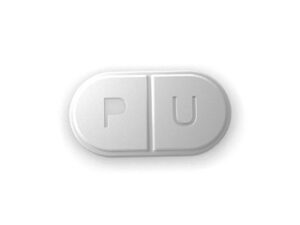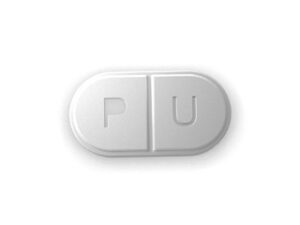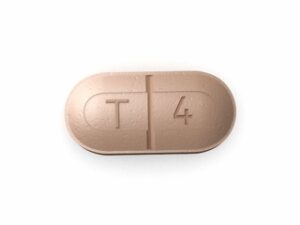
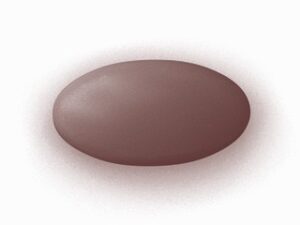
Cyproterone acetate and ethinylestradiol
Cyproterone acetate and ethinylestradiol is a combined hormonal medicine used in the UK to help treat specific hormone-related conditions and to provide contraception (in many products). It contains: ethinylestradiol (an oestrogen) and cyproterone acetate (an anti-androgen and progestogen-like agent).
This page is written for general information. If you have questions about your suitability, side effects, or how to take this medicine, speak to a healthcare professional.
Basic product information
| Medicine name | Cyproterone acetate + ethinylestradiol |
|---|---|
| What it is | Combined hormonal medicine (oestrogen + anti-androgen component) |
| Common uses | Hormone-related acne, excess facial/body hair (hirsutism) in selected patients, and contraception (depending on brand and regimen) |
| How it’s taken | Oral tablets |
| Typical regimen | Often daily tablets in a planned cycle (varies by product) |
| Key warnings | Increased risk of blood clots compared with non-use; not suitable for everyone |
How it works (mechanism of action)
The medicine works through two complementary hormone actions:
-
Ethinylestradiol (oestrogen component):
- Helps suppress ovulation by altering reproductive hormone signalling.
- Stabilises hormone levels, which can improve acne and menstrual-related symptoms in suitable patients.
-
Cyproterone acetate (anti-androgen/progestogen-like component):
- Reduces the effect of androgens (male-type hormones) on the skin and hair follicles.
- Can improve androgen-driven conditions such as acne and hirsutism in selected patients.
Together, these actions can reduce symptoms linked to higher androgen activity, while also providing contraceptive effects for the products and regimens where this applies.
Pharmacokinetics (what the body does to the medicine)
Pharmacokinetics describes absorption, distribution, metabolism, and excretion—how the medicine behaves in the body. Individual responses can vary, and your product’s leaflet will provide brand-specific details.
Absorption
After oral administration, both components are absorbed through the gastrointestinal tract. Maximum blood levels are reached after a number of hours. Taking tablets consistently at the same time helps maintain more stable levels.
Distribution
The components bind to blood proteins. This protein binding influences how much active drug circulates and for how long.
Metabolism
Both components are metabolised mainly in the liver by enzyme systems. Some medicines can affect these enzymes and may change hormone levels, potentially reducing effectiveness or increasing side effects.
Elimination
The drug metabolites are eliminated mainly through the liver and kidneys. The presence of enterohepatic recycling for oestrogens can contribute to longer-lasting effects.
Typical use in the UK
Cyproterone acetate with ethinylestradiol is used for specific hormone-related problems, and in certain regimens it also provides contraception. The exact licensed indications and dosing schedule depend on the brand and formulation.
Common indications (conditions it may help)
- Androgen-related acne that has not responded adequately to conventional treatments.
- Moderate to severe hirsutism (excess hair growth in a typical male pattern) in selected patients.
- Other androgen-related symptoms where a specialist has decided this combined approach is appropriate.
It may be chosen when androgens are thought to contribute significantly to symptoms. If you have symptoms such as irregular periods or signs of virilisation, a clinician may investigate underlying causes before starting treatment.
When to take it (timing and consistency)
Most regimens involve taking one tablet by mouth once daily at approximately the same time each day. Some products use continuous daily tablets; others use a cycle with pill-free or hormone-free intervals. Always follow the instructions specific to your brand.
Starting your first pack
- Your product may specify when to start relative to your menstrual cycle. Starting timing can affect how quickly hormonal effects occur.
- If contraception is relevant to your use, effectiveness may require a period of consistent use before protection begins. Your local advice or product leaflet should be followed.
Missed doses (general principles)
- Take the missed tablet as soon as you remember, unless it is close to the next dose.
- Do not take two tablets at once unless your leaflet instructs you to.
- If you miss tablets during the early days of a cycle, risk of symptom breakthrough (and, where applicable, reduced contraception) may increase.
- Use backup contraception/avoid pregnancy if relevant and recommended until adequate consistency is achieved.
If you’re unsure, check the patient information leaflet for your exact brand or contact a pharmacist.
Dosing (how much to take)
The dose depends on the specific product strength and schedule. Common dosing patterns include:
- One tablet daily, usually with a defined cycle (for example, hormone-containing days followed by a tablet-free interval or a different set of tablets).
- Some regimens are structured to match hormone withdrawal patterns, which can influence bleeding patterns.
Important: Only use the dose written for your particular brand. Do not switch products without medical advice, as tablet strengths and schedules may differ.
Food interactions
Food is not usually a major issue with combined oral hormonal tablets. In general, you can take the tablet with or without food. However, taking it consistently helps reduce variation in absorption.
- If you experience nausea, taking the tablet with food or at bedtime may help.
- Severe vomiting or diarrhoea shortly after taking a tablet may reduce absorption.
- If this happens, follow the advice in your leaflet about what to do if you miss a dose.
Alcohol and medicine interactions
Moderate alcohol intake is not typically listed as a direct interaction with combined hormonal tablets. However, alcohol can affect how well you adhere to daily dosing and may worsen some side effects (such as nausea or headache).
When to be cautious
- If you drink heavily, you may have a higher risk of liver-related problems, which is relevant because these hormones are processed in the liver.
- If you have liver disease or have ever had liver issues, discuss suitability with a clinician.
If you are taking other medicines (including herbal remedies), it’s best to check for interaction potential, especially with drugs that affect liver enzymes.
Medicine interactions (including enzyme inducers)
Some medicines can reduce hormone effectiveness by increasing the breakdown of hormones in the liver. Others may increase side effects by raising hormone levels.
Examples of interactions that may matter
- Enzyme-inducing medicines (may reduce effectiveness and increase irregular bleeding), such as some medicines for epilepsy and some treatments for tuberculosis.
- Some antibiotics/antifungals (interaction depends on the specific medicine; not all antibiotics interfere).
- HIV treatments (certain combinations can alter hormone levels).
- Herbal products such as St John’s wort (a known enzyme inducer) may reduce effectiveness.
Always tell your pharmacist about all medicines you take, including non-prescription products and herbal supplements.
Indications and suitability (who it’s for)
Cyproterone acetate with ethinylestradiol is used when symptoms are likely to be androgen-related and when a clinician considers the benefits to outweigh risks. It is not a treatment for every cause of acne or hair growth.
Conditions commonly considered
- Acne and hair growth thought to be driven by androgen sensitivity.
- Patients who may also benefit from hormonal contraception, depending on regimen and patient needs.
Contraindications and when it may not be suitable
This medicine may be unsuitable if you have certain risk factors. Healthcare professionals typically consider:
- A history of blood clots (venous thromboembolism) or known clotting disorders.
- A history of arterial disease such as stroke or heart attack, or significant risk factors.
- Migraine with aura (particularly if you also have other risk factors).
- Uncontrolled high blood pressure.
- Liver disease or certain liver tumours.
- Smokers at older ages may have higher risk with combined hormonal medicines.
- Unexplained vaginal bleeding that has not been assessed.
If any of these apply, you should discuss alternatives with a healthcare professional before starting.
Safety profile and important warnings
Like all combined hormonal medicines, cyproterone acetate with ethinylestradiol can cause side effects. The most serious potential risk involves blood clots, which occur more often in users of combined pills than in non-users.
Common side effects
- Nausea
- Breast tenderness
- Headache
- Spotting or irregular bleeding, especially in the first few months
- Mood changes
- Changes in libido
Serious risks (seek urgent medical help if symptoms occur)
Stop and seek urgent advice if you experience symptoms suggestive of a blood clot, such as:
- Chest pain, sudden breathlessness, coughing blood (possible pulmonary embolism)
- Severe pain or swelling in one leg (possible deep vein thrombosis)
- Sudden weakness, numbness on one side, trouble speaking, or sudden vision changes (possible stroke)
- Severe abdominal pain or persistent severe headache
Other safety considerations
- Hormonal medicines can sometimes affect triglycerides and other metabolic markers. Your clinician may monitor if you have risk factors.
- Women with a history of jaundice, gallstones, or severe liver issues should be assessed carefully.
- If you develop persistent symptoms or new risk factors, review your treatment promptly.
Practical use tips
- Choose a daily routine: Many people find it easiest to take the tablet at the same time as a meal or bedtime.
- Use reminders: Phone alarms, calendar notifications, or blister pack tracking can help avoid missed doses.
- Track symptoms: Note improvements and any side effects—especially in the first 3–6 months.
- Watch bleeding patterns: Light spotting can occur early on. Persistent or heavy bleeding should be assessed.
- Review long-term need: For androgen-related conditions, clinicians may review whether to continue based on symptom control and risk profile.
- Do not skip reviews: If you have regular follow-ups, attend them—risk/benefit may change over time.
How quickly does it work? (timing for acne/hirsutism)
Symptom improvement is not immediate. The timeframe below is typical for androgen-driven skin and hair symptoms:
- Acne: Some people notice improvement after about 2–3 months, with better results often taking several months.
- Hirsutism (excess hair): Hair growth changes more slowly; noticeable improvement may take 3–6 months and sometimes longer.
If you don’t see any benefit after an appropriate period, your clinician may reassess the diagnosis, consider other treatments, or switch options.
Alternative options
Alternatives depend on your main goal (contraception, acne, hirsutism, or symptom control). Options may include:
For androgen-related acne
- Other combined oral contraceptives with suitable hormonal profiles.
- Topical therapies (e.g., retinoids, benzoyl peroxide) and oral antibiotics in some cases.
- For more severe cases, specialists may consider other systemic treatments.
For hirsutism
- Other hormonal treatments that reduce androgen effects, where appropriate.
- Mechanical or procedural options such as laser hair reduction (may be used alongside medical therapy).
Contraception alternatives
- Progestogen-only methods (e.g., implant, injection, or progestogen-only pill) in appropriate patients.
- Non-hormonal options (e.g., barrier methods, copper IUD) where suitable.
Because risks and suitability vary person-to-person, the best choice is based on your medical history, symptoms, preferences, and risk factors.
UK market and legal context (general information)
Combined hormonal contraceptives and hormonal medicines used for acne/hirsutism are regulated in the UK through the medicines’ licensing process. Advice and safety monitoring are overseen by UK healthcare regulators and professional guidance.
In the UK, healthcare professionals may review the risk profile of cyproterone-containing products, especially regarding thromboembolic risk and long-term benefit versus harm for androgen-related indications.
Recent guidance (UK safety and prescribing principles)
UK and EU safety reviews have led to more careful risk management discussions for cyproterone-containing medicines. Clinicians are typically encouraged to:
- Use the lowest effective dose and the shortest duration needed to control symptoms.
- Regularly reassess whether treatment is still beneficial and appropriate.
- Consider alternatives where risk is higher or where symptoms may be managed with non-cyproterone options.
- Discuss blood clot risk and other serious adverse effects clearly before starting.
Always follow the guidance provided by your prescriber and the patient leaflet for your specific brand.
Delivery and availability (UK online pharmacy)
Availability can vary between brands and strengths. In the UK, reputable online pharmacies may offer delivery to addresses in the UK mainland (and sometimes other UK regions depending on service level).
What to expect
- Stock status: Some products may be held in local distribution centres; others may require ordering from wholesalers.
- Delivery options: Next-day or standard delivery may be offered depending on your location and product.
- Packaging: Medicines are supplied in secure packaging suitable for postal delivery.
- Cold-chain: Usually not required for tablets, but always check if your specific brand requires special handling.
If a medicine is temporarily unavailable, the pharmacy may advise on restocking times or suggest clinically appropriate alternatives.
FAQ
1) What is cyproterone acetate and ethinylestradiol used for?
It is used for androgen-related conditions such as acne that hasn’t responded adequately to other treatments and, in selected patients, moderate to severe hirsutism. Some regimens also provide contraception depending on the specific product.
2) How long does it take to see results?
Acne may improve after about 2–3 months, with further improvements over time. Hirsutism tends to improve more slowly, often over 3–6 months or longer.
3) Can I take it with food?
Generally yes. Food usually doesn’t significantly affect absorption. Taking it consistently at the same time each day is more important.
4) What should I do if I miss a tablet?
The exact action depends on your brand and where you are in the cycle. In general, take the missed tablet as soon as you remember unless it’s close to the next dose. If you’re unsure, check your leaflet or ask a pharmacist for guidance.
5) Are there medicines that should not be taken together?
Yes. Some medicines can reduce hormone levels or increase side effects, particularly those that affect liver enzymes. Always tell your pharmacist about all medicines, including herbal products like St John’s wort.
6) Can I drink alcohol while taking it?
Moderate alcohol is usually not a direct interaction, but alcohol can affect adherence and may worsen side effects in some people. If you have liver disease or drink heavily, ask a healthcare professional for personalised advice.
7) What are the signs of a serious blood clot?
Seek urgent medical help if you have chest pain, sudden breathlessness, coughing blood, severe one-leg swelling/pain, or symptoms such as sudden weakness, speech problems, or sudden vision changes.
8) Is this suitable for everyone?
No. Suitability depends on your medical history, risk factors (such as clot risk), and the reason you’re taking it. A clinician will assess whether benefits outweigh risks for your situation.
9) Are there alternatives if I can’t take this medicine?
Yes. Alternatives may include other hormonal treatments for acne/hirsutism, topical or systemic acne therapies, non-hormonal options, or different contraceptive methods depending on your needs.
10) Do I need regular follow-up?
If you’re using it for androgen-related symptoms, follow-up helps ensure you’re benefiting and that risks remain appropriate. Your clinician may review dose/duration and consider alternatives if symptoms improve or risks change.
Summary
Cyproterone acetate with ethinylestradiol combines an oestrogen with an anti-androgen to help manage selected androgen-driven conditions such as acne and hirsutism. Like all combined hormonal medicines, it can cause side effects and carries an increased risk of blood clots compared with non-use. Taking the tablet consistently, checking for medicine interactions, and attending any recommended reviews are key to safe, effective use.