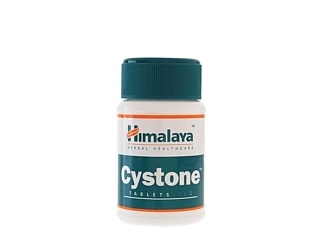

Cystone (Cystone) – Patient-Friendly Guide for UK Customers
Cystone is a medicine commonly used to support treatment of urinary discomfort and certain urinary conditions. This guide explains what Cystone is, how it works, how it is typically taken, and what to consider for safety, interactions, and practical day-to-day use in the United Kingdom.
Always read the patient information leaflet that comes with your medicine and follow the instructions given by your healthcare professional. If you are unsure whether Cystone is suitable for you, seek advice promptly.
Basic product information
| Category | Details |
|---|---|
| Product name | Cystone |
| What it’s used for | Urinary tract comfort and management of certain urinary symptoms/conditions |
| Typical form | Tablets (strength and brand presentation may vary by manufacturer/market) |
| Common key considerations | Hydration, correct timing, and being alert to symptoms that need urgent assessment |
| UK availability | May be available through online pharmacies and other approved supply routes |
Note: Cystone formulations can vary by region and manufacturer. Check the specific pack for the exact ingredients, strength, and dosing instructions that apply to your product.
What Cystone is and how it works (mechanism of action)
Cystone is designed to help the urinary tract by supporting mechanisms that can be involved in urinary symptoms. While exact mechanisms can depend on the formulation, medicines like Cystone are typically used to:
- Support urine chemistry (for example, influencing urinary environment in ways that may help reduce irritation).
- Help reduce discomfort associated with urinary tract problems.
- Support normal urinary function through plant/mineral-based ingredients commonly found in traditional or complementary formulations.
Many users take Cystone alongside general urinary health measures such as adequate fluids. It is important to remember that if symptoms suggest an infection (for example fever or burning with significant pain), you may need clinical assessment.
Pharmacokinetics (how the body handles Cystone)
Pharmacokinetics describes what the body does to a medicine—absorption, distribution, metabolism, and excretion. For herbal or composite formulations, detailed pharmacokinetic data may be limited, and effects may rely on a combination of active constituents.
In general, the following points are useful for patients:
- Absorption: Active constituents may be absorbed to varying degrees depending on their chemical properties.
- Onset of action: Symptom improvement can be gradual and varies between individuals and the underlying cause.
- Excretion: Because the urinary tract is the target area, relevant constituents or metabolites may be eliminated via urine.
If your symptoms do not improve within the expected timeframe, or they worsen, you should seek medical advice.
Typical uses (indications) in plain language
Cystone is commonly used for urinary symptoms such as:
- Urinary discomfort and related irritation
- Supporting urinary tract health during periods of mild recurring symptoms
- Management support where a healthcare professional has advised a product like Cystone as part of a regimen
It may be recommended for certain conditions involving urinary discomfort or tract support, depending on product label and local clinical practice. The most appropriate use depends on your individual situation and the cause of symptoms.
Seek urgent advice if you have:
- Fever, chills, or feeling unwell
- Back/flank pain (possible kidney involvement)
- Blood in urine
- Severe pain, vomiting, or pregnancy-related concerns
- Symptoms that rapidly worsen
How to take Cystone: timing and dosing
Always follow the dosing instructions on the pack or as advised by your healthcare professional. Below is general guidance that may help you understand common dosing patterns for Cystone tablets.
Typical adult dosing (general guidance)
Many Cystone regimens use multiple doses daily. A common approach is:
- Adults: often 1 tablet, two or three times daily (depending on the product strength and label instructions).
Children: do not assume adult dosing for children. Use only if the product label explicitly states an appropriate paediatric dose. If the label does not provide paediatric instructions, seek advice from a pharmacist or healthcare professional.
When to take it
- Take Cystone at regular intervals during the day.
- Try to take doses at similar times to help you remember.
- With a multi-dose schedule, leaving roughly 8–12 hours between doses can help maintain consistency.
How long to use it
The duration of use depends on the reason you’re taking it and how your symptoms respond. If you do not notice improvement within a reasonable timeframe on the label, or if symptoms recur frequently, get advice.
Practical tip: If you’re using Cystone for recurring urinary discomfort, keep a note of your symptom pattern and any triggers. This can help your pharmacist or clinician guide your next steps.
Food interactions: can you take Cystone with meals?
Food interactions depend on the exact constituents and formulation. In many cases, Cystone can be taken with or without food. However, for the best tolerance and adherence:
- If your stomach is sensitive, consider taking it with food or after a meal.
- If your pack instructions specify “before meals” or “after meals,” follow those exactly.
If you experience stomach upset, try adjusting timing (for example, switching from fasting to after meals) and consult a pharmacist if problems continue.
Alcohol and medicine interactions
There is often limited direct information about interactions between Cystone and alcohol for composite urinary-support medicines. As a safe, patient-friendly approach:
- Avoid heavy alcohol intake while you have urinary symptoms, as alcohol can contribute to dehydration and urinary irritation.
- If you drink alcohol, do so moderately and increase your water intake.
- Do not mix alcohol with other medicines that may cause drowsiness or increase side-effect risk.
If you take other medications, especially antibiotics, diuretics (“water tablets”), or medicines affecting kidney function, ask a pharmacist to check for any interaction concerns.
Safety profile: what to expect and when to stop
Common side effects
Most people tolerate Cystone well. Possible side effects (varying by formulation) can include:
- Minor gastrointestinal discomfort (e.g., nausea or stomach upset)
- Changes in bowel habits (uncommon)
- Mild allergic-type reactions (rare)
Serious allergic reaction: seek urgent help
Stop taking the medicine and seek urgent medical assistance if you develop:
- Swelling of the face, lips, tongue, or throat
- Trouble breathing or wheezing
- Severe rash or hives
Who should take extra care?
- Pregnancy or breastfeeding: ask a healthcare professional before use.
- Kidney disease or known kidney impairment: seek advice, as urinary tract conditions can be more complex.
- Allergy to any ingredient: check the leaflet/label carefully.
- Children: use only if label dosing is provided.
If you are taking multiple medicines, it’s good practice to review your list with a pharmacist to ensure overall suitability.
Practical use tips for best results
- Hydrate: drink sufficient water unless you have been told to restrict fluids.
- Don’t ignore red flags: worsening pain, fever, or blood in urine should not be treated with self-care alone.
- Take it consistently: follow your timing schedule rather than “only when symptoms are worst”.
- Track symptoms: note severity, timing, and what you’re drinking/consuming.
- Hygiene matters: gentle hygiene and avoiding irritants (for example, perfumed products) can help.
- Consider bladder habits: don’t hold urine for long periods; empty regularly.
If you get recurrent urinary symptoms, it may be helpful to discuss prevention strategies with a pharmacist or GP, rather than cycling medicines without addressing the underlying cause.
Alternative options (what else may help)
Alternatives depend on the cause of urinary symptoms. Options commonly discussed in UK practice include:
- General self-care: hydration, avoiding bladder irritants (such as caffeine-heavy drinks), and timing urination habits.
- Urinary alkalinising/support products (where appropriate): some people benefit from products designed to influence urine acidity.
- Antibiotics if a bacterial infection is confirmed or strongly suspected by a clinician (not suitable for everyone and should not be self-started).
- Barrier/prevention measures: for recurrent infections, clinicians may recommend specific strategies depending on history.
- Prescription or specialist medicines for certain conditions affecting the urinary tract (e.g., overactive bladder or stones).
If you have recurrent symptoms, the most helpful “alternative” is often a clear diagnosis and a personalised prevention plan.
Market and legal context for the UK (important notes)
In the United Kingdom, medicines are regulated to help ensure quality, safety, and appropriate supply. Online pharmacies must comply with UK medicine supply requirements, including correct labelling, authorisation/establishment standards, and consumer protection measures.
Cystone availability may vary depending on licensing, product registration status, and supply chain arrangements. When buying online, consider:
- Buy from reputable, regulated retailers that provide clear product information.
- Check pack details (ingredients, strength, dosage instructions, expiry date).
- Beware of counterfeit or mislabelled products; avoid listings that do not provide transparent details.
For up-to-date information on regulations, you may also refer to official UK guidance sources such as the MHRA and NHS webpages.
Recent guidance and clinical considerations (UK-focused)
Guidance for urinary symptoms in the UK generally emphasises:
- Assessment of severity: distinguishing uncomplicated cystitis-like symptoms from signs of more serious infection.
- Appropriate use of medicines: avoiding delayed assessment when red flags are present.
- Antibiotic stewardship: using antibiotics only when indicated, based on clinical assessment.
- Prevention strategies for recurrent symptoms: tailored to the individual’s triggers and history.
Where Cystone is used as a urinary support product, it should not replace medical assessment if symptoms suggest a more serious issue. If you’re unsure, a pharmacist can help you decide whether your symptoms are consistent with self-care or need urgent review.
Delivery and availability in the United Kingdom
Online pharmacies typically offer delivery within the UK subject to stock availability and local courier schedules. Delivery timing can vary depending on:
- The product’s availability in the supplier’s warehouse
- Your postcode and standard vs. expedited shipping options
- Bank holidays and weekend processing times
When ordering, check:
- Estimated delivery times shown at checkout
- Packaging and storage requirements (e.g., keep out of sight and reach of children)
- Expiry date on the supplied pack
If you need the medicine urgently or symptoms are worsening, consider contacting the pharmacy for guidance on next steps.
FAQ: Frequently asked questions about Cystone
1) What is Cystone used for?
Cystone is used to support urinary tract comfort and may be used in management of certain urinary symptoms, depending on the product label and your clinical situation. If you suspect a urine infection or have red-flag symptoms, seek clinical advice.
2) How do I take Cystone?
Follow the dosing instructions on the pack. In many adult regimens, it’s taken as tablets multiple times daily. Take with or after food if you find it more comfortable, and keep doses evenly spaced.
3) When will I feel better?
Some people notice symptom relief within a short period, while others may take longer. If you do not improve within the timeframe stated on the label, or symptoms worsen, stop self-treatment and seek advice.
4) Can I take Cystone with food?
Many users can take it with or without food. If your specific pack instructions indicate a particular timing (for example, before meals or after meals), follow those instructions for best results.
5) Is it safe to drink alcohol while taking Cystone?
There is not always a known direct interaction with alcohol for every formulation, but alcohol can worsen urinary irritation and contribute to dehydration. If you drink, keep it moderate and increase fluid intake.
6) Can I take Cystone with other medicines?
You can usually take it alongside many common medicines, but interactions can depend on your other products. If you take prescription medicines, diuretics, or medicines affecting kidney function, ask a pharmacist to check for suitability.
7) What if I miss a dose?
Take the missed dose when you remember unless it is close to the next dose. Do not take a double dose to make up for a missed one. If you miss multiple doses, consider seeking advice from a pharmacist.
8) Who should not take Cystone?
Avoid use if you have had an allergic reaction to any ingredient in the product. Extra caution is needed in pregnancy, breastfeeding, and if you have kidney problems. Always check the pack and consult a healthcare professional if unsure.
9) When should I contact a GP urgently?
Contact urgent medical services or your GP promptly if you develop fever, back pain, blood in urine, severe worsening symptoms, or if you feel very unwell.
10) Is Cystone available for delivery in the UK?
Many online pharmacies in the UK can deliver Cystone, subject to availability and delivery schedules. Check the delivery options and estimated times shown on the product page.
Summary
Cystone is a urinary-support medicine used for urinary comfort and certain urinary symptoms. It may help support urinary function and ease discomfort when taken as directed. For best results, take it consistently, maintain good hydration, and pay attention to warning signs that require urgent medical assessment.
If you’re unsure about dosing, suitability for your situation, or possible interactions with your other medicines, a pharmacist can help you make an informed choice.