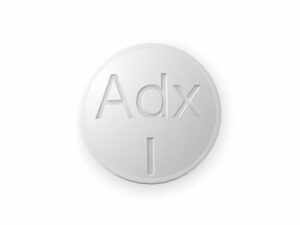


Danazol (Danocrine® and Generics) – Patient Information for the UK
Danazol is a medicine used for several hormone-related conditions. It works by changing the way the body produces and responds to certain sex hormones. Because it can cause side effects (some of which may be long-lasting), it should be used carefully and with regular clinical review.
This guide is designed to be patient-friendly and helpful for understanding how Danazol works, how it is typically used, and what to consider for safety and day-to-day life in the United Kingdom. Always follow the directions given by your healthcare professional.
Basic product information
- Medicine name: Danazol
- Common brand name: Danocrine® (where available)
- What it is: A synthetic steroid-like medicine (an “androgen” derivative)
- How it may be supplied: Oral tablets or capsules depending on brand/generic
- Uses: Certain gynaecological and haematological conditions, typically under specialist supervision
Availability can vary across the UK. If you cannot find your usual strength or formulation, speak to your pharmacist about suitable alternatives.
How Danazol works (mechanism of action)
Danazol affects the hormonal signalling pathways that control the menstrual cycle and the activity of the immune system in some conditions. It is not simply a painkiller or anti-inflammatory; instead, it alters hormone release and hormone receptor activity.
- Reduces gonadotrophin release: Danazol can lower secretion of follicle-stimulating hormone (FSH) and luteinising hormone (LH) from the pituitary gland.
- Alters ovarian function: By affecting the hormonal axis, it may reduce estrogen production and ovulation-related activity.
- Direct hormonal receptor effects: Danazol can interact with androgen and steroid hormone pathways, contributing to its therapeutic effect.
- Immune-related effects: In conditions such as certain types of hereditary angioedema, its ability to influence complement/inflammation pathways may be beneficial.
The precise mechanism may differ slightly depending on the condition being treated, but the overall theme is hormonal modulation.
Pharmacokinetics (how the body handles Danazol)
Pharmacokinetics describes what happens to a medicine in the body—absorption, distribution, metabolism, and elimination. For Danazol, key points include:
- Absorption: Danazol is absorbed after oral dosing; absorption can vary between individuals.
- Distribution: It distributes into body tissues and can have steroid-like effects throughout the body.
- Metabolism: Danazol is metabolised mainly by the liver.
- Elimination: Metabolites are eliminated primarily via bile and faeces, with a smaller proportion through the kidneys.
- Half-life: Danazol may have a relatively long terminal half-life, meaning effects can persist after stopping.
Because Danazol is processed by the liver, individuals with significant liver impairment may be at increased risk of side effects. Your healthcare professional will consider your medical history before starting treatment.
What Danazol is used for (indications)
Danazol is used for specific conditions where altering hormone signalling or related pathways is helpful. In the UK, use is typically within agreed clinical protocols and often involves specialist care.
Common indications include:
- Endometriosis (a condition where tissue similar to the uterine lining grows outside the uterus)
- Hereditary angioedema (HAE) in some cases, particularly where prophylaxis is needed and appropriate
- Benign breast conditions in selected circumstances (e.g., some cyclic breast pain syndromes) depending on clinical guidance
- Other specialist uses may occur depending on local prescribing practice and patient suitability
If you are not sure why Danazol was chosen for you, ask your clinician or pharmacist. Understanding the goal of therapy can help you recognise whether treatment is working and when to seek advice.
Typical dosing and timing
Dosing depends on the condition being treated, your response to treatment, and tolerability. Below are general examples of how Danazol is commonly prescribed. Your personal regimen may differ—use your own instructions as the primary reference.
| Condition (typical) | Common approach to dosing | Timing example | Notes |
|---|---|---|---|
| Endometriosis | Often taken in divided doses | Usually morning + evening | Response may take time; treatment schedules may be reviewed after several months |
| Hereditary angioedema (HAE) | May be started at a lower dose and adjusted | Once daily or divided dosing depending on plan | May be used for prophylaxis in selected patients |
| Other specialist indications | Individualised dosing | Varies by regimen | Your clinician will specify the strength and schedule |
How to take Danazol
- Swallow tablets/capsules with water, preferably around the same times each day.
- Try to keep consistent timing if your dose is split (e.g., morning and evening).
- Do not stop abruptly without medical advice—your clinician may want to taper or review your response.
Missed dose
If you miss a dose, take it when you remember unless it is close to the next dose. Do not take a double dose to make up for a missed one. If you are unsure, ask a pharmacist for advice.
How long does it take to work?
- For hormone-related conditions, improvement may take weeks to months.
- If you experience no improvement or side effects become problematic, speak promptly to your healthcare professional.
Food and Danazol interactions
Danazol can be taken with or without food in many cases, but individual advice may vary. In general, taking it consistently in relation to meals can help you keep steady absorption.
- General food advice: Follow your label instructions. If your regimen says “take with food,” do so.
- Grapefruit and similar products: Steroid-like medicines may be affected by compounds that influence liver enzymes. It is often safest to avoid grapefruit products unless your pharmacist confirms they are acceptable.
- Alcohol-containing foods/drinks: See the alcohol section below.
If you have dietary restrictions or significant reflux/nausea that affects how you take tablets, discuss with your pharmacist to choose the most manageable schedule.
Alcohol interactions
Alcohol is processed mainly by the liver, and Danazol is also metabolised by the liver. Drinking alcohol while taking Danazol may increase strain on the liver and can worsen side effects such as nausea, dizziness, or fatigue.
- Practical advice: Limit alcohol during treatment.
- Avoid heavy or binge drinking: This may increase risk of liver problems and other complications.
- Seek advice urgently if: you develop signs of liver trouble (see “Safety profile”).
Interactions with other medicines
Danazol can interact with other medicines, mainly through effects on liver enzyme pathways and hormone-related mechanisms. Always tell your pharmacist or clinician about all medicines you take, including over-the-counter products, herbal supplements, and vitamins.
Examples of interaction considerations
- Liver-metabolised medicines: Several drugs processed by the liver may be affected.
- Hormonal medicines: Because Danazol alters hormone signalling, it may conflict with some hormonal treatments (including some contraceptive approaches).
- Anticoagulants (“blood thinners”): Medication interactions could change bleeding risk; monitoring may be needed.
- Diabetes medicines: Hormonal/steroid-like effects may influence glucose levels in some people.
- Statins and other lipid-lowering medicines: Liver monitoring may be considered.
Important: Do not start or stop any medicine while taking Danazol without checking first.
Safety profile and side effects
Like all medicines, Danazol can cause side effects. Not everyone gets them, and some side effects depend on dose, duration of treatment, and individual sensitivity. Some risks are particularly important to recognise early.
Common or expected side effects
- Acne or oily skin
- Changes in menstrual pattern (for example irregular bleeding)
- Headache
- Weight changes
- Nausea or stomach discomfort
- Fatigue or reduced energy
- Hot flushes or changes in libido
- Vaginal dryness (in some people)
Hormonal/virilising effects (particularly important)
Because Danazol has androgenic activity, it may cause changes such as:
- Deepening of the voice
- Increased facial/body hair
- Enlargement of clitoris
- Scalp hair changes (thinning)
Some virilising effects may be irreversible. This is one reason Danazol is used only when benefits outweigh risks. Seek medical advice promptly if you notice symptoms of virilisation.
Serious side effects: get urgent advice
Contact urgent medical care or seek advice quickly if you develop signs of serious liver problems or other complications:
- Jaundice: yellowing of the skin/eyes
- Dark urine or pale stools
- Severe upper abdominal pain
- Unusual bruising or bleeding
- Severe shortness of breath, chest pain, or sudden leg swelling (possible clot symptoms)
Monitoring while taking Danazol
- Clinical review to assess symptom response and side effects
- Blood tests may be performed, especially liver function tests
- Hormonal and reproductive counselling where relevant
Practical use tips (daily life)
- Know your schedule: Use a phone alarm or pill organiser, especially if doses are split.
- Track symptoms: Keep notes on pain, bleeding, swelling, or attack frequency (for HAE), plus any side effects.
- Watch for mood or energy changes: Hormonal medicines can affect mood and sleep.
- Skin care: If you get acne, consider gentle cleansing and speak to your pharmacist about suitable treatments.
- Attend review appointments: The goal is symptom control with the lowest effective dose for the shortest effective time.
- Pregnancy planning: If there is any chance of pregnancy, discuss contraception and timing immediately with your healthcare professional before starting.
Who should be careful (contraindications and precautions)
Danazol may not be suitable for everyone. You should seek tailored advice if you have:
- Liver disease or abnormal liver tests
- A history of significant hormone-related conditions that could be worsened
- Unexplained vaginal bleeding until investigated
- Known hypersensitivity to Danazol or any ingredients
Your healthcare professional will consider risk factors such as age, other conditions, dose and duration, and any interacting medicines.
Alternative options (depending on the condition)
Alternatives vary significantly based on the condition being treated. Your clinician may suggest other medicines or non-medicine options such as surgery, depending on your diagnosis and severity.
For endometriosis
- Progestogen-based therapies
- GnRH analogues/antagonists (specialist use)
- Combined hormonal contraceptives in some patients
- Supportive pain management and, in selected cases, surgery
For hereditary angioedema (HAE)
- Specific prophylactic treatments (newer targeted options may be available depending on eligibility and funding)
- On-demand treatments for attacks
- Referral to specialist allergy/immunology services for tailored management
Discussing alternatives
If you experience troublesome side effects or your symptoms aren’t improving, speak to your healthcare professional about the most suitable option for your situation.
UK market and legal context (high-level)
In the United Kingdom, medicines are regulated by the Medicines and Healthcare products Regulatory Agency (MHRA). Danazol is a recognised prescription-only medicine in most contexts and is subject to legal controls to ensure safe and appropriate use.
In practice, Danazol is typically prescribed and monitored within specialist or guideline-led pathways, particularly for conditions such as endometriosis and hereditary angioedema. Supply and product formats can vary, and local availability may change over time.
Your pharmacist can help check whether your preferred brand/generic is available and suggest the closest alternative strength/formulation if needed.
Recent guidance and clinical approach (general)
Treatment recommendations for hormone-related conditions and hereditary angioedema evolve as new evidence and therapies become available. In the UK, guidance is often informed by specialist societies and National Health Service (NHS) commissioning practices.
- Risk–benefit emphasis: Clinicians generally aim for the lowest effective dose for the shortest effective duration.
- Monitoring: Liver function and clinical side effects are commonly reviewed during treatment.
- Shift towards newer options for some patients: For some conditions, newer targeted therapies may reduce exposure to androgenic side effects in eligible patients.
Because guidance can differ by condition and patient group, your healthcare professional will align your plan with current best practice.
Delivery and availability (UK online pharmacy)
Availability of Danazol can vary by manufacturer, strength, and whether a brand or generic is currently in stock. When you order online, your pharmacy will typically:
- Confirm stock and expected delivery timeframe
- Pack securely to protect tablets/capsules
- Provide tracking where available
- Contact you if an item is temporarily unavailable (to offer an alternative where appropriate)
If Danazol is difficult to source, ask about:
- Alternative brands or generics
- Equivalent strengths or formulations
- Short-term bridging options where clinically appropriate
If you are concerned about running out, it’s wise to plan ahead—especially if your regimen is long-term.
Frequently asked questions (FAQ)
1) Is Danazol the same as other hormone medicines?
Danazol is steroid-like and acts on hormone pathways, but it is not identical to all other hormonal treatments. Its specific mechanism and side-effect profile are distinct, particularly due to its androgenic effects.
2) What should I do if I get side effects?
Mild effects such as acne or stomach discomfort may be manageable, but tell your pharmacist or clinician if symptoms persist or worsen. Seek urgent advice for signs of serious liver problems or other severe symptoms.
3) Can I take Danazol with food?
Many patients can take it with or without food. Follow your product instructions. Consistency with meals may help you maintain regular absorption.
4) Can I drink alcohol while on Danazol?
It’s best to limit alcohol, as both alcohol and Danazol can affect the liver. Avoid heavy drinking and seek medical advice if you notice liver-related symptoms.
5) Will Danazol affect contraception or pregnancy risk?
Because Danazol can influence hormone activity and may harm an unborn baby, it is important to discuss contraception and pregnancy planning promptly with your healthcare professional. If you think you may be pregnant, contact your clinician urgently for advice.
6) How should I store Danazol?
Store tablets/capsules according to the packaging instructions—typically at room temperature, protected from moisture and heat, and keep out of reach of children.
7) What if I miss a dose?
Take it when you remember unless it is almost time for your next dose. Do not take a double dose. If you are unsure, ask your pharmacist.
8) Are there alternatives if Danazol isn’t suitable?
Yes—alternatives depend on your condition. Your clinician may consider other hormonal treatments, targeted therapies, or supportive measures. If you experience side effects or have concerns, discuss options early.
9) Can Danazol interact with my other medicines?
Yes. Danazol can interact with other treatments, especially medicines processed by the liver or those that affect hormones. Provide your full medication list to your pharmacist for a check.
10) How do I know if Danazol is working?
Many people notice improvements in symptoms such as pain levels, attack frequency, or bleeding patterns over time. If there is no benefit after a reasonable period (as advised by your clinician) or if side effects are significant, review your treatment plan.
Reminder: This information is a general guide for patients. If you have questions about your specific dose, timing, or interactions, speak to a pharmacist or your healthcare team.