Desloratadine (UK) – Allergy Relief Medicine
Desloratadine is a modern, non-drowsy antihistamine used to relieve symptoms caused by allergies. It works by reducing the effects of histamine, a natural substance in the body that is released during allergic reactions.
This page explains how desloratadine works, when to take it, typical uses, safety information, and practical tips—so you can choose a convenient option for everyday allergy relief in the United Kingdom.
Basic Product Information
- Active ingredient: Desloratadine
- Class: Antihistamine (second-generation, non-sedating)
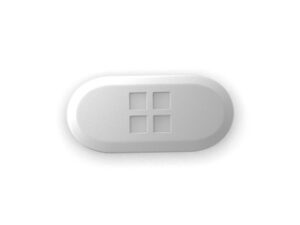
- Common strengths: Often available as 5 mg tablets or oral formulations (strengths may vary by product)
- Typical dosing frequency: Once daily (unless advised otherwise by a healthcare professional)
- Available for: Symptoms of allergic rhinitis (hay fever) and urticaria (hives)
- OTC or pharmacy medicine: In the UK, availability may vary by brand, strength, and formulation
Brand names differ, but the medicine works in the same way when the active ingredient is desloratadine. Always check the packaging for the exact strength and directions for your specific product.
How Desloratadine Works (Mechanism of Action)
Desloratadine is an antihistamine that blocks the histamine H1 receptors. When your body encounters an allergen (such as pollen, dust mites, or pet dander), histamine is released and contributes to symptoms like:
- sneezing
- itchy, watery eyes
- runny or blocked nose
- itching and swelling associated with hives (urticaria)
By blocking H1 receptors, desloratadine helps to reduce allergic symptoms and can help improve day-to-day comfort during allergy seasons or ongoing exposure to triggers.
Because it is a second-generation antihistamine, it typically has a lower risk of drowsiness compared with older antihistamines. However, individual responses vary—some people may still feel sleepy.
Pharmacokinetics (Absorption, Distribution, Metabolism, Elimination)
Pharmacokinetics describes how the body absorbs, processes, and clears a medicine. While individual variations occur, the typical pattern for desloratadine is as follows:
- Absorption: Desloratadine is absorbed after oral administration.
- Onset: Many people notice symptom relief within the first several hours after taking a dose.
- Duration: Effects generally last around 24 hours, supporting once-daily dosing.
- Metabolism: Desloratadine is metabolised in the body.
- Elimination: The medicine and its metabolites are cleared primarily via the body’s normal routes of elimination.
Practical takeaway: taking desloratadine at the same time each day can help maintain consistent symptom control.
Typical Use in the UK (Indications)
In the UK, desloratadine is commonly used for the following conditions:
1) Allergic Rhinitis (Hay Fever)
- Relief of symptoms such as sneezing, runny nose, itchy nose, and itchy/watery eyes
- May be used for seasonal or perennial (year-round) allergies, depending on the product’s directions
2) Urticaria (Hives)
- Reduces itching and the number/size of hives
- Helpful when hives are triggered by allergens or other causes
The suitability of desloratadine for your specific symptoms can depend on factors such as age, symptom pattern, and whether you have any other medical conditions.
Timing: When to Take Desloratadine
Desloratadine is usually taken once daily. Many people choose to take it in the morning or evening, depending on their routine and how they respond to antihistamines.
- Best time: A consistent time each day
- With or without food: Usually can be taken with or without meals (see food interaction notes below)
- For ongoing symptoms: Taking it regularly can provide steadier relief
- For short flare-ups: Continue for the period recommended on the pack or advised by a pharmacist
If symptoms are severe or persist despite treatment, consider speaking with a pharmacist. Seek urgent medical attention if you experience signs of a serious allergic reaction (for example, breathing difficulty or swelling of the face/lips).
Food Interactions
In general, desloratadine can be taken with or without food. Food does not typically make a clinically meaningful difference to its effectiveness for most people.
If you have a sensitive stomach, taking it with a meal may help minimise any mild stomach discomfort. Always follow the instructions provided with your specific product.
Alcohol and Medicine Interactions
Alcohol
Desloratadine is considered less likely to cause sedation than older antihistamines, but it is still possible to feel drowsy in some people. For safety, it’s sensible to use caution with alcohol, especially when starting treatment.
- Avoid heavy drinking until you know how you personally react to the medicine.
- If you feel sleepy, avoid driving and operating machinery.
Other medicines
Desloratadine may interact with some medicines, although clinically important interactions are not common for many users. It is especially important to consider interactions if you take:
- Other antihistamines or cold/flu remedies that also contain antihistamines
- Medicines that affect the liver (in rare cases this may influence how the body processes drugs)
- Medicines that cause drowsiness (e.g., some sleep aids or strong sedatives)
Check labels carefully to avoid accidentally doubling up on antihistamines. If you are unsure whether a medicine combination is safe, ask a pharmacist.
Dosing (Typical Adult and Paediatric Guidance)
Dosing depends on the condition being treated, the strength of your product, and your age. Always follow the directions on the pack or those provided by a pharmacist for your specific brand/formulation.
Below is general UK-style guidance commonly used with desloratadine products:
| Group | Typical dose (once daily) | Notes |
|---|---|---|
| Adults and adolescents | Often 5 mg once daily (depending on product) | Used for allergic rhinitis and urticaria as indicated by the product |
| Children | May vary by age and formulation | Oral solutions may be used for younger children—check the pack for exact dosing |
| Elderly | Usually the adult dose | Use caution if you have kidney or liver problems and discuss with a pharmacist if needed |
| Kidney or liver impairment | May require adjustment | Follow pack directions; consult a pharmacist if you have significant impairment |
Do not exceed the stated dose. If you miss a dose, take it when you remember unless it is close to the next dose. If you’re unsure, ask a pharmacist.
Safety Profile: What to Watch For
Like all medicines, desloratadine can cause side effects, although not everyone gets them. Most people tolerate desloratadine well.
Common side effects
- Headache
- Dry mouth
- Fatigue or tiredness
- Minor stomach discomfort (in some people)
Less common or serious reactions
Stop using the medicine and seek medical advice promptly if you develop:
- Signs of an allergic reaction such as swelling of the face, lips, tongue, or throat
- Difficulty breathing or wheezing
- Severe rash or widespread skin reactions
Who should seek advice first?
- People with significant kidney or liver problems
- Pregnant or breastfeeding individuals (discuss suitability with a pharmacist)
- Children—use only age-appropriate formulations and doses
- People who take multiple medicines regularly
If you have any questions about suitability, a pharmacist can help you choose the right antihistamine approach for your symptoms.
Practical Use Tips (Getting the Best Results)
- Start early during allergy season: For hay fever, taking an antihistamine regularly at the start of the season may help prevent symptoms from taking hold.
- Manage triggers: Reduce exposure where possible (keep windows closed on high pollen days, wash bedding weekly, use dust-mite covers if relevant).
- Combine appropriately: For nasal blockage, antihistamines may not fully address congestion—consider whether a nasal treatment is more suitable (ask a pharmacist).
- Check other products: Many “allergy” or “cold/flu” combinations contain antihistamines—avoid doubling up.
- Allow time: If your symptoms are sudden, relief typically starts within hours; it may take repeated dosing for best control during ongoing exposure.
- Be cautious with driving: Desloratadine is usually non-drowsy, but if you feel sleepy, avoid driving or machinery.
Alternative Options (Other Allergy Treatments)
If desloratadine isn’t the best fit, there are other options available in the UK. The right choice depends on your symptoms (sneezing/itching vs. nasal blockage), age, and medical history.
Other non-drowsy antihistamines
- Loratadine
- Cetirizine (may cause drowsiness in some people)
- Levocetirizine
- Fexofenadine
Nasal sprays (often helpful for blocked nose)
- Corticosteroid nasal sprays (commonly used for hay fever control)
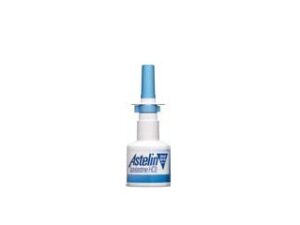
- Antihistamine nasal sprays (for some symptom patterns)
Non-medicine supportive measures
- Saline nasal rinses or sprays
- Avoiding allergen exposure where possible
- Using eye drops for itchy/watery eyes
A pharmacist can help you choose between antihistamine tablets, nasal sprays, and eye treatments based on your most bothersome symptoms.
Market and Legal Context in the United Kingdom
In the UK, allergy treatments are regulated medicines. Depending on the exact product (brand name, strength, and formulation), desloratadine may be supplied as:
- Over-the-counter medicine, or
- Pharmacy medicine (available through a pharmacist who may ask a few questions to ensure safe use)
UK medicines are required to include appropriate information on the pack and to be supplied in line with Medicines and Healthcare products Regulatory Agency (MHRA) and related guidance. Safety information, age limits, and dosing instructions are specified by the product licence.
If you are unsure whether your product is intended for adults only or also for children, always check the pack.
Recent Guidance and Treatment Considerations
Allergy management guidance in the UK commonly emphasises:
- Symptom-based treatment: Choose therapies that match your main symptoms (e.g., nasal blockage vs. itchy eyes).
- Consistent use during exposure: For seasonal allergies, regular treatment during peak periods may be more effective than waiting until symptoms worsen.
- Stepwise approach: Many people start with antihistamines, then consider nasal corticosteroids if symptoms are persistent or mainly nasal.
- Minimising unnecessary duplication: Avoid combining multiple products containing the same type of antihistamine.
If symptoms are not controlled or they affect daily life significantly, discuss with a pharmacist. For ongoing or severe symptoms, you may be advised to consider additional assessments or tailored treatment.
Delivery and Availability (UK Online Pharmacy)
Desloratadine is widely available from UK online pharmacies and many high-street pharmacy outlets. Availability can depend on your area, product brand, and formulation.
- Dispatch: Many pharmacies dispatch within 1 working day (subject to stock and ordering time).
- Delivery options: Standard and express delivery may be available, depending on the supplier.
- Cold-chain: Desloratadine tablets and most oral formulations do not generally require refrigeration.
- Packaging: Medicines are typically supplied in branded outer packaging with leaflets and clear dosing instructions.
Please check the product page for delivery estimates, availability status, and any conditions related to transport. If you need a specific formulation (tablets vs. liquid), ensure it matches the age and dosing requirements.
FAQ – Desloratadine (UK)
1) Is desloratadine non-drowsy?
Desloratadine is considered a non-sedating antihistamine for many people, meaning it is less likely to cause drowsiness than older antihistamines. However, some individuals may still feel tired. If you notice sleepiness, avoid driving or operating machinery.
2) How long does it take to work?
Many people begin to feel relief within a few hours. For best control during ongoing allergy exposure, taking it once daily consistently is usually recommended.
3) Can I take it every day for hay fever?
If your symptoms are seasonal or you have year-round allergic rhinitis, you may take it daily during the period of exposure. Follow the dosing directions on the pack. If symptoms persist, speak with a pharmacist about more targeted treatment options.
4) Can I take desloratadine with food?
Yes. Desloratadine is typically taken with or without food. If it upsets your stomach, try taking it with a meal.
5) Is it safe with alcohol?
Because desloratadine may still cause drowsiness in some people, use caution with alcohol—particularly at the start of treatment. If you feel sleepy, avoid alcohol and do not drive.
6) Can I take it with other allergy medicines?
Be careful with combinations. Many cold and flu products contain antihistamines. Taking multiple antihistamines at the same time can increase the risk of side effects. Ask a pharmacist if you’re unsure.
7) What if I miss a dose?
Take it when you remember unless it’s nearly time for your next dose. Don’t take a double dose to make up for a missed tablet.
8) Who should not take desloratadine without advice?
If you have kidney or liver problems, are pregnant or breastfeeding, or are giving it to a child, check the pack instructions and ask a pharmacist for advice on suitability and correct dosing.
9) Does desloratadine treat the cause of allergies?
Desloratadine helps relieve symptoms caused by allergy triggers. It does not cure allergies, but it can improve comfort and day-to-day functioning while you manage exposure.
10) When should I seek medical help?
Seek urgent help if you have signs of a serious allergic reaction (such as trouble breathing, swelling of the face or throat). Contact a pharmacist or healthcare professional if your symptoms worsen, you develop severe or persistent side effects, or if hives continue despite antihistamine use.
Summary
Desloratadine is a widely used antihistamine in the UK for allergic rhinitis (hay fever) and urticaria (hives). It works by blocking histamine H1 receptors, helping reduce symptoms such as sneezing, itching, and watery eyes, while also helping relieve itchy hives. It is typically taken once daily, can usually be taken with or without food, and is generally well tolerated.
For the safest and most effective use, follow the instructions on your specific product pack and check interactions with other medicines. If you have ongoing symptoms, a pharmacist can help you find the most suitable approach for your allergy pattern.