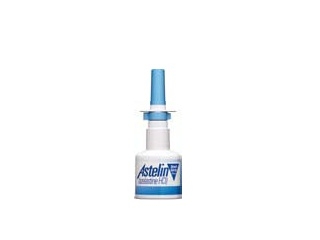
Astelin (Azelastine) — Patient Information (UK)
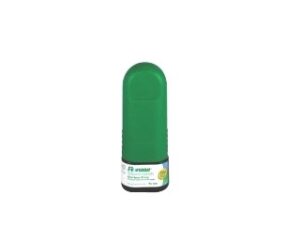
Astelin is a brand name for azelastine, an antihistamine used to relieve symptoms caused by allergies, particularly allergic rhinitis (hay fever). Depending on the product you have, azelastine may be supplied as a nasal spray, which is designed for direct symptom relief in the nose.
This guide is written to help you understand how Astelin works, how to use it, what to expect, and what to consider for safety and interactions. It is intended for general information only and does not replace advice from a healthcare professional.
Basic product information
| Item | Details |
|---|---|
| Active ingredient | Azelastine |
| Medicine class | Antihistamine (H1 receptor antagonist) with anti-inflammatory activity |
| Common form | Nasal spray (allergy symptom relief in the nose) |
| Typical symptoms treated | Sneezing, runny nose, itching, congestion due to allergic rhinitis |
| Onset of effect | Some people feel improvement quickly; full benefit may take several days of regular use |
How Astelin works (mechanism of action)
Allergic rhinitis is driven by histamine and other inflammatory signals released when your immune system reacts to allergens (such as pollen, dust mites, or pet dander). Azelastine helps by:
- Blocking histamine (H1 receptors): This reduces sneezing, itching, and runny nose.
- Reducing inflammatory activity: It can help dampen local inflammation in the nasal lining, which may improve congestion.
- Acting locally in the nose (with nasal spray): The medicine is delivered directly where symptoms arise.
Pharmacokinetics (how the body handles azelastine)
Pharmacokinetics describes absorption, distribution, metabolism, and elimination. For azelastine nasal products, most of the action is local in the nose, though a portion may be absorbed into the bloodstream.
- Absorption: After nasal use, azelastine can be absorbed systemically to a limited extent.
- Distribution: Once absorbed, it distributes throughout the body and can reach relevant tissues.
- Metabolism: The active substance is metabolised primarily in the liver.
- Elimination: Metabolites are cleared mainly through the kidneys (urine) and partly via other routes.
- Half-life (general idea): The drug’s systemic presence persists for long enough to allow dosing schedules used in practice, but exact values vary by formulation and individual factors.
If you have kidney or liver problems, you should discuss suitability and dosing with a healthcare professional, as systemic exposure may be affected.
What Astelin is typically used for (indications)
Astelin (azelastine) is used to treat symptoms of allergic rhinitis, which may include:
- Sneezing
- Runny nose
- Itchy nose
- Congestion (blocked nose)
- Rhinorrhoea (nasal discharge) related to allergies
In some patients, azelastine nasal spray may be used for seasonal allergy symptoms (e.g., spring/summer pollen) and/or perennial symptoms (e.g., dust mites) depending on local guidance and product specifics.
Timing and when you should expect relief
Many people notice some symptom relief relatively quickly after using azelastine nasal spray, particularly for sneezing and runny nose. For ongoing control, consistent use can improve overall symptom management.
- First effects: Some relief can be felt soon after administration.
- Best results: If you use it regularly during allergy seasons, the benefit often becomes more noticeable over several days.
- Timing with daily life: Choose a schedule that fits your symptoms (e.g., morning before outdoor exposure, evening if night symptoms occur).
If symptoms do not improve or keep worsening, review your technique, exposure to allergens, and whether another treatment might be more appropriate.
Dosing (typical approach)
Dosing depends on age and the exact product strength/format you have. Always follow the instructions provided with your medicine. The points below describe common dosing patterns used for azelastine nasal spray in allergy management.
Typical dosing considerations
- Adults and adolescents: Commonly, dosing involves one or two sprays in each nostril at the times recommended by the product label.
- Children: Doses may be age-specific. Use only if appropriate for the child’s age and follow the exact label directions.
- Frequency: Many regimens are used once or twice daily, depending on symptom severity and product instructions.
How to use (practical technique)
Correct technique improves delivery and reduces side effects. The steps below apply generally to nasal sprays:
- Gently blow your nose if needed to clear mucus.
- Shake the bottle if your product requires it.
- Prime the pump if it is new or hasn’t been used for a while (follow the leaflet).
- Insert the nozzle into one nostril.
- Breathe in gently through your nose while pressing the pump.
- Repeat in the other nostril if prescribed.
- Avoid sniffing hard after spraying; aim for gentle inhalation.
- Wipe and replace the cap.
What to do if you miss a dose
If you miss a dose, take it when you remember unless it is close to your next dose. Do not use a double dose to make up for a missed one.
Food interactions
Because azelastine is typically used as a nasal spray, food interactions are generally less likely than with oral medicines. There are usually no specific dietary restrictions required.
That said, if you experience taste changes (some people report a bitter taste), it may be more noticeable when your nose is dry or when you eat or drink soon after spraying. If that happens, consider:
- Spraying slightly earlier before meals, if possible
- Drinking water after use if recommended for your comfort
- Ensuring correct nasal technique to reduce drainage into the throat
Alcohol and medicine interactions
Antihistamines can sometimes cause drowsiness or tiredness in some individuals, though many people tolerate azelastine without major sedation. Alcohol may increase sleepiness and reduce alertness.
Alcohol advice
- Avoid or limit alcohol until you know how azelastine affects you.
- If you feel sleepy, do not drive or operate machinery
- Be cautious on days when you need full concentration
Other medicines
Interaction risk can increase if azelastine is combined with other medicines that may cause drowsiness. Examples may include:
- Other antihistamines
- Sedatives or medicines used for sleep
- Some antidepressants with sedating effects
- Strong pain relief medicines that can affect alertness
If you take any regular medicines (including over-the-counter products), check with a healthcare professional or pharmacist to confirm there are no concerns.
Safety profile and side effects
Like all medicines, Astelin (azelastine) can cause side effects, although not everyone gets them. Many side effects are mild and improve with continued use and correct technique.
Common side effects
- Taste changes (e.g., bitter or unusual taste), sometimes due to drainage
- Nasal irritation (stinging or burning)
- Dry nose or mild nosebleed
- Headache
- Dizziness or tiredness in some people
Less common but important side effects
- Severe allergic reaction (swelling of face/lips, rash, breathing difficulty) — seek urgent medical help
- Persistent or worsening nosebleeds or severe irritation
When to stop and seek medical help
Contact a healthcare professional promptly if you develop signs of a serious allergic reaction, severe dizziness, fainting, or symptoms that rapidly worsen. If you experience difficulty breathing, seek emergency assistance.
Pregnancy and breastfeeding (general considerations)
If you are pregnant or breastfeeding, discuss the risks and benefits of using azelastine with a healthcare professional. They will consider your symptom severity, alternative options, and your medical history. Use the lowest effective dose for the shortest time that controls symptoms, unless advised otherwise.
Driving and operating machinery
Azelastine may cause drowsiness or dizziness in some individuals. If you feel affected, avoid driving, cycling without visibility awareness, or using tools/machinery.
Practical use tips to get the best results
- Use correct technique: Gentle inhalation and aiming the nozzle correctly can reduce bitter taste and throat drainage.
- Keep a consistent schedule during allergy seasons: Regular use may control symptoms better than stopping/starting.
- Check triggers: Reducing exposure to pollen, dust mites, or pets can improve outcomes alongside medicine.
- Consider saline rinses: Saline can help clear mucus and may improve comfort. Use separately from azelastine if advised (e.g., leave a short gap between treatments).
- Store properly: Keep the bottle in line with label instructions (typically at room temperature away from extremes of heat and sunlight).
- Watch for nasal dryness: If you experience dryness, speak with a pharmacist about appropriate moisturising measures.
Alternative options for allergic rhinitis (UK)
There are several treatment options for allergic rhinitis in the UK. Your best choice depends on your symptom pattern (seasonal vs. year-round), severity, and whether you also have asthma or other allergy conditions.
Common alternatives
- Intranasal corticosteroids (e.g., fluticasone, mometasone): Often first-line for moderate to severe symptoms, especially for congestion.
- Oral antihistamines (e.g., cetirizine, loratadine, fexofenadine): Useful for sneezing/itching; may be sedating in some people.
- Other intranasal antihistamines (e.g., other azelastine formulations where available, or levocabastine where used).
- Barrier methods (e.g., nasal filters in some cases): May reduce pollen contact for some individuals.
- Allergen avoidance strategies: Dust mite controls, air filtration, and pollen management during peak seasons.
- Immunotherapy (allergy shots/tablets in appropriate cases): Considered for selected patients under specialist care.
If symptoms are persistent or difficult to control, ask a pharmacist or GP about step-up options or combination therapy approaches commonly used in UK practice.
Market and legal context for the UK
Medicines for allergies, including products containing azelastine, are regulated under UK medicines law and must meet standards for quality, safety, and labelling. Availability may vary by formulation, pack size, and whether a product is supplied via pharmacy channels or other pathways.
In the UK, guidance on allergic rhinitis typically encourages effective management based on symptom severity, and emphasises that patients should seek advice if symptoms are severe, recurrent, or associated with complications (such as worsening asthma or suspected infection).
Note on product availability: Brand names, strengths, and exact indications can differ between regions and over time. For the most accurate details, always check the specific product leaflet and packaging information supplied with your order.
Recent guidance and best-practice considerations (UK)
UK clinical practice generally supports:
- Tailoring treatment to symptom type: Congestion often benefits more from intranasal corticosteroids, while antihistamines can target sneezing/itching quickly.
- Using intranasal medicines correctly: Incorrect technique can reduce effectiveness and increase irritation.
- Considering combination approaches when needed: Some patients may benefit from using an antihistamine nasal spray alongside a steroid nasal spray, but this should be guided by healthcare advice and product instructions.
- Reviewing safety: Drowsiness, interactions, and suitability in pregnancy/children should be considered.
- Seeking medical review if symptoms persist: Persistent symptoms may indicate other causes (non-allergic rhinitis, infection, medication-overuse issues, etc.).
Delivery and availability (UK)
At online pharmacies in the UK, Astelin/azelastine availability depends on stock and product format. Delivery options and dispatch times vary by supplier. When ordering, you should confirm:
- Pack contents and strength: Ensure it matches what you intend to use.
- Expiry date: Check the expiry information displayed before payment if available.
- Delivery estimates: Review the carrier/service used and estimated delivery windows.
- Packaging condition: Medicines should arrive sealed and properly labelled.
If you receive an item that appears damaged, is missing components, or has incorrect labelling, contact the pharmacy’s customer support promptly.
Frequently asked questions (FAQ)
1) How long does Astelin take to work?
Some people feel improvement relatively quickly after using azelastine nasal spray. For best overall control, especially during pollen seasons, effects can build over several days with regular use.
2) Can I use Astelin every day during allergy season?
Many patients use allergy medicines regularly during the season. Follow the dosing instructions provided with your specific product and speak to a pharmacist if you are unsure how long to continue.
3) Will it make me sleepy?
Azelastine can occasionally cause drowsiness or dizziness in some individuals. If you notice sleepiness, avoid driving or operating machinery and consider discussing alternatives or dosing timing with a pharmacist.
4) What if I get a bitter taste after spraying?
A bitter taste can happen if medication drains into the throat. Try aiming the nozzle slightly outward (away from the centre of the nose) and use gentle inhalation. Wiping the nozzle and keeping the bottle clean can also help. If it’s troublesome, ask a pharmacist for technique tips.
5) Can I take it with other allergy medicines?
Some combinations may be used in practice, but suitability depends on what else you’re taking (e.g., oral antihistamines, decongestants, steroid nasal sprays). Check with a pharmacist to avoid duplication and to reduce interaction risks.
6) Is Astelin safe for children?
Dosing and suitability depend on the child’s age and the specific product strength. Use only if the product is intended for the child’s age group, and follow the label exactly. If unsure, consult a pharmacist.
7) Can I drink alcohol while using Astelin?
Alcohol may increase drowsiness in some people. It’s best to limit alcohol until you know how azelastine affects you.
8) What should I do if my symptoms don’t improve?
If symptoms are not controlled after using Astelin correctly for an appropriate period, consider reviewing: technique, dose timing, and allergen exposure. Persistent symptoms may need a different treatment approach or medical review to rule out other causes.
9) Are there any contraindications I should know about?
People with known allergy to azelastine or any ingredient in the product should not use it. If you have a history of severe allergic reactions, seek advice before use.
10) How should I store Astelin?
Store according to the label instructions. Typically, keep the bottle at room temperature, away from direct sunlight and extreme heat, and ensure the cap is securely replaced.
Quick safety checklist
- Use only as directed for your age group and product strength.
- Be cautious if you feel dizzy or sleepy.
- Seek urgent help for signs of severe allergic reaction (swelling, rash, breathing difficulty).
- Tell a pharmacist if you take other medicines, especially those that may cause drowsiness.
- If nosebleeds or irritation become severe or persistent, stop and seek advice.
Reminder: For the most accurate information for your particular product, always read the patient information leaflet supplied with Astelin and follow the instructions on the packaging.