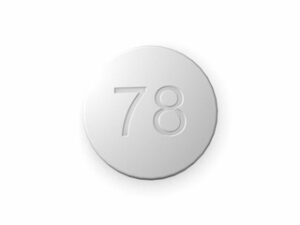
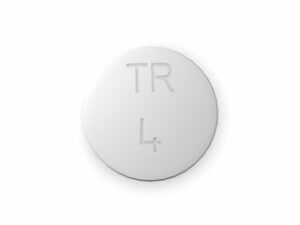
Desogestrel / Ethinyl estradiol (Desogestrel and Ethinyl estradiol) — Patient Guide
Desogestrel / Ethinyl estradiol is a combined oral contraceptive (COC) used to prevent pregnancy. It contains two hormones: desogestrel (a progestogen) and ethinyl estradiol (an oestrogen). This guide explains how it works, how it’s taken, what to expect, and key safety information—written in clear, patient-friendly language for use in the United Kingdom.
Quick overview
| What it is | Who it’s for | Common benefits | Key hormones |
|---|---|---|---|
| Combined oral contraceptive pill (COC) | People seeking pregnancy prevention | Reliable contraception; may help regulate bleeding | Desogestrel + Ethinyl estradiol |
| Type of dosing | Oral (by mouth) | Usually taken once daily | Progestogen + Oestrogen |
| Bleeding pattern | Varies by regimen | Withdrawal bleed during pill-free or placebo days | Hormone withdrawal bleed |
Basic product information
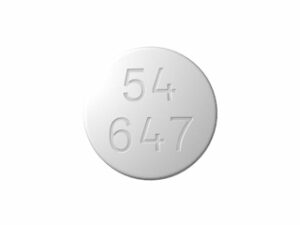
Desogestrel / Ethinyl estradiol is taken as an oral tablet containing desogestrel and ethinyl estradiol. The exact number of tablets and schedule can vary by brand (for example, some packs have 21 active tablets followed by 7 days without active hormones, while others may use 24/4 or similar regimens). Always follow the instructions specific to your pack and any advice you’ve been given by a healthcare professional.
Typical pack regimens
- 21/7 regimen: 21 active hormone days, then 7 days off (or placebo).
- 24/4 regimen: 24 active hormone days, then 4 days off (or placebo).
- Other licensed schedules: follow your brand’s leaflet.
How it works: mechanism of action
Desogestrel / Ethinyl estradiol prevents pregnancy primarily by combining several actions:
- Stops ovulation: The progestogen component helps prevent the ovaries releasing an egg (ovulation). Without ovulation, pregnancy cannot occur through normal fertilisation.
- Makes cervical mucus thicker: This makes it harder for sperm to pass through the cervix.
- Alters the uterine lining: The hormones help reduce the likelihood of implantation.
Effectiveness is highest when pills are taken consistently at the recommended time every day.
Pharmacokinetics (what happens in the body)
The pharmacokinetics (PK) describe how the body absorbs, processes, and eliminates the hormones. While individual results vary, the general patterns for combined oral contraceptives include:
- Absorption: Ethinyl estradiol and desogestrel are absorbed after oral intake. Peak blood levels typically occur within a few hours of taking a tablet.
- Metabolism: Both hormones are metabolised in the liver. Ethinyl estradiol is broken down through hepatic pathways and can undergo enterohepatic circulation (recycling in the gut and liver).
- Active metabolite: Desogestrel is converted into an active metabolite in the body, which contributes to contraceptive effect.
- Elimination: Hormones and their metabolites are eliminated mainly via urine and faeces, with half-lives measured over many hours to days depending on the compound and individual factors.
The practical message: consistent daily dosing helps maintain hormone levels sufficient to suppress ovulation.
Typical use in the UK
In the United Kingdom, combined oral contraceptives such as desogestrel / ethinyl estradiol are used for:
- Contraception (preventing pregnancy).
- Cycle regulation and more predictable bleeding pattern for some users.
- Reduction in menstrual discomfort for some people (effects vary; not everyone benefits).
When to start and timing
How you start depends on timing in relation to your cycle and any recent contraception. Always check your pack leaflet and follow professional advice if you have one. In general:
Starting the first pack
- Day 1 start: Many COCs can be started on the first day of your period, often providing immediate protection.
- Quick start (any day): If you start outside the first day of bleeding, you may need additional contraception (e.g., condoms) for a short period (commonly 7 days) depending on timing.
Taking your pill every day
- Take one pill daily at the same time each day if possible.
- If your pack includes a pill-free or placebo interval, you’ll generally have a bleed during that time. After the interval, start the next pack on time, even if bleeding continues.
What if you miss a dose?
Missed pills can reduce contraceptive protection. The correct response depends on: how many pills were missed, how far into the pack you are, and the timing. Use the detailed instructions from your product leaflet, which reflect the specific regimen. If you’re unsure, consider:
- Use condoms for at least 7 days (or as recommended by your leaflet).
- Seek advice if you missed pills in the final week of active tablets or if you had unprotected sex.
Food interactions
In most cases, food does not significantly affect how the hormones are absorbed. You may take the tablet with or without food. However, if vomiting occurs soon after taking a pill, absorption may be incomplete (see safety section for what to do in that situation).
Vomiting and severe diarrhoea
If you vomit within a few hours of taking your tablet, you may not have absorbed the dose. Severe diarrhoea can also reduce absorption. The usual advice is to replace the missed tablet and follow the leaflet guidance—often treating it as a missed pill. If symptoms are severe or prolonged, seek prompt advice.
Alcohol and medicine interactions
Alcohol
Moderate alcohol intake does not typically reduce contraceptive effectiveness directly. However:
- Heavy alcohol use may increase the chance of missed pills or vomiting.
- If you vomit after drinking, treat it like vomiting after a pill (absorption may be reduced).
Medicines that may reduce effectiveness
Some medicines can reduce the effectiveness of combined oral contraceptives by increasing hormone breakdown in the liver. This may lead to breakthrough bleeding and/or reduced pregnancy protection.
Common examples include (not exhaustive):
- Enzyme-inducing medicines, such as certain anti-epileptics (e.g., carbamazepine, phenytoin, topiramate at higher doses), rifampicin/rifabutin (for some infections), and some medicines for HIV (depending on regimen).
- St John’s wort (herbal remedy) may also reduce effectiveness.
Medicines that may increase hormone levels or affect bleeding
Some medicines can change hormone levels or increase side effects. The main concern is still pregnancy protection, but you may also notice cycle changes. Examples can include certain antifungals and antibiotics (effects depend on the drug).
Practical advice for interactions
- Tell a clinician or pharmacist about all medicines you take, including herbal products and over-the-counter remedies.
- If you start a medicine that interacts with COCs, you may need extra contraception (e.g., condoms) for a specified period and/or after stopping the interacting medicine.
- Keep a note of when you started/stopped interacting medicines to help timing advice.
Indications (what it’s used for)
Desogestrel / ethinyl estradiol is indicated for:
- Contraception in people who choose to use combined oral contraception.
Some users may also experience improved cycle regularity or reduced menstrual-related symptoms, though these outcomes are individual.
Dose and administration
The dosing is usually:
- One tablet by mouth once daily, following the sequence on the pack.
How to take it correctly
- Choose a consistent time (e.g., after breakfast or before bed).
- Start the next pack on time after the pill-free/placebo interval.
- Do not skip days to “catch up” unless the leaflet specifically allows it for your situation.
Using condoms as backup
If you have missed pills, started late, experienced vomiting/diarrhoea, or started an interacting medicine, additional contraception is often needed. If you’re unsure, condoms are a straightforward and safe backup option.
Safety profile: who should be cautious
Combined oral contraceptives contain oestrogen, which is associated with an increased risk of certain conditions in some people. Desogestrel / ethinyl estradiol may not be suitable for everyone. The appropriateness of using a COC depends on personal medical history and risk factors.
Seek urgent medical help if you develop
Stop the pill and seek urgent help if you experience symptoms that could indicate a serious clot or other emergency. Examples include:
- Sudden shortness of breath or coughing blood
- Chest pain that may spread to the arm or jaw
- Severe headache or sudden worsening migraines, especially with visual disturbance
- Weakness or numbness on one side of the body
- Severe pain or swelling in one leg
- Sudden vision changes
Common side effects
Many side effects lessen after the first couple of months. Commonly reported effects may include:
- Nausea
- Breast tenderness
- Headache (including migraine changes in some people)
- Mood changes
- Changes in bleeding pattern (e.g., spotting/breakthrough bleeding)
- Temporary water retention
Less common but important risks
COCs may be associated with risks such as:
- Venous thromboembolism (VTE) (blood clots in veins)
- Arterial events (e.g., stroke or heart attack), particularly in people with other risk factors
- High blood pressure in some users
- Liver problems in rare situations
Your risk can be higher if you smoke, are older, have a history of clots, have certain migraines, or have specific medical conditions. A clinician/pharmacist can help assess suitability.
Contraindications (situations where use may be unsuitable)
Combined pills are generally avoided in certain circumstances, such as:
- History of blood clots or certain clotting disorders
- Some forms of migraine (especially migraine with aura)
- Uncontrolled high blood pressure
- Known pregnancy
- Serious liver disease
- Some types of cancers that are hormone-sensitive (individual assessment required)
This is not exhaustive. Always review the patient information leaflet provided with your product.
Practical use tips (to get the best result)
- Set a daily reminder (phone alarm or pill reminder app).
- Use the pack calendar if your brand includes day labels.
- Plan ahead for travel (time-zone changes): ask for guidance on what to do if your usual time shifts.
- Keep track of interacting medicines (including herbal products).
- If you miss a pill, follow the leaflet’s guidance for your exact number of missed tablets. Consider pregnancy testing if recommended and if you miss your bleed.
- Do not rely on the pill alone for STI prevention—use condoms for STI protection.
What to expect: bleeding, pregnancy tests, and missing bleeds
Bleeding changes
Spotting or irregular bleeding can occur, particularly during the first 2–3 months. If bleeding is persistent or heavy, seek advice. Taking pills consistently often improves bleeding patterns over time.
If withdrawal bleed doesn’t happen
Missing a scheduled bleed can happen for reasons other than pregnancy, but if you have:
- missed pills,
- vomited/had severe diarrhoea,
- or used interacting medicines,
then consider taking a pregnancy test and seek advice. Always follow the leaflet recommendations.
Alternative options
If desogestrel / ethinyl estradiol is not suitable, there are many contraceptive alternatives in the UK:
Other combined pills
- Different progestogens with oestrogen (different bleeding profile and side effects for some users).
Progestogen-only methods
- Progestogen-only pill (POP)
- Implant (long-acting reversible contraception)
- Depo injection
- Hormonal intrauterine system (IUS)
Non-hormonal options
- Copper IUD (long-acting, hormone-free)
- Barrier methods (condoms, etc.)
Choosing the best option depends on your health, preferences (daily vs long-acting), tolerance of side effects, and lifestyle. A clinician can help compare options.
Market and legal context in the United Kingdom
In the UK, oral contraceptives are regulated medicines. Availability may depend on brand and supply. Many people access contraception via:
- Local sexual health services (including contraception clinics)
- GP services or community healthcare providers
- Pharmacies and online pharmacy services (availability can vary)
Guidance about safe prescribing and suitability is influenced by UK public health advice and the UK Medical Eligibility Criteria (UKMEC), which helps clinicians assess whether hormonal contraception is safe for people with particular medical conditions or risk factors. Product leaflets and regulatory updates from the Medicines and Healthcare products Regulatory Agency (MHRA) also matter.
Recent guidance and best-practice considerations
While individual advice should always follow the current patient leaflet and clinician direction, general best-practice messages for combined oral contraceptives in the UK typically include:
- Assess suitability regularly—especially if you smoke, develop migraines, gain risk factors, or start new medicines.
- Consider drug–drug interactions promptly (including herbal remedies).
- Encourage consistent daily use and provide clear missed-pill instructions.
- Promote STI protection with condoms, since hormonal contraception does not prevent STIs.
If you are unsure whether your current health situation affects suitability, it’s worth speaking to a clinician or pharmacist.
Delivery and availability (online pharmacy)
Availability can vary by brand, pack size, and supply chain. When ordering online in the UK, you can typically expect:
- Check stock status before completing your purchase.
- Delivery times vary based on the courier service and your location.
- Discreet packaging may be used to protect privacy.
- Check the expiry date where possible and ensure the pack is sealed on delivery.
Always ensure you receive the correct product name and regimen instructions for your pack.
Safety: when to contact a clinician urgently vs routinely
Urgent (same day / emergency services): if you have symptoms suggestive of a clot or stroke (see earlier section).
Prompt advice (routine within days):
- Severe or persistent headaches
- New migraine with aura
- Very heavy bleeding or bleeding that is unusual for you
- Yellowing of the eyes/skin or dark urine (possible liver issues)
- Persistent vomiting/diarrhoea that may affect absorption
FAQ (Frequently Asked Questions)
1) How effective is desogestrel / ethinyl estradiol?
Effectiveness is high when taken correctly every day. Effectiveness can reduce if pills are missed or if absorption is affected (for example, vomiting soon after taking a tablet) or if interacting medicines are used. Always follow missed-pill guidance in the leaflet.
2) Can I take it at any time of day?
Yes. Choose a time that fits your routine and try to take it at the same time each day. If you shift your dose, avoid large changes—if you do, consider whether backup contraception is needed based on timing.
3) Does food affect the pill?
Food usually does not significantly affect absorption. However, vomiting shortly after taking the pill can. Severe diarrhoea can also reduce absorption—follow your leaflet’s advice.
4) What if I vomit after taking a tablet?
Vomiting soon after taking your tablet can mean you did not absorb it. In that case, you may need to take another tablet and follow missed-dose instructions. Check the leaflet for timing (e.g., how many hours after taking the tablet).
5) Can I drink alcohol while taking it?
Moderate alcohol is generally not a problem. The main concerns are missed pills and vomiting. If you vomit after drinking, treat it as vomiting after a pill.
6) Are antibiotics a problem?
Most commonly used antibiotics do not usually reduce combined pill effectiveness, but some interactions can occur depending on the specific medicine. If you’re starting antibiotics or any new medicine, check with a pharmacist, especially if it’s rifampicin/rifabutin or a known liver-enzyme inducer.
7) Can I take other medicines with it?
Many medicines are compatible, but some can affect hormone levels. Always check with a pharmacist or read the patient leaflet’s interaction section. Include herbal products like St John’s wort.
8) Will it protect me from STIs?
No. Combined oral contraceptives protect against pregnancy but not against sexually transmitted infections. Condoms are recommended for STI protection.
9) What should I do if I miss my pill-free bleed?
A missed bleed can happen occasionally, but if you missed pills, had vomiting/diarrhoea, or used interacting medicines, consider taking a pregnancy test and seek advice. Follow the recommendations in your leaflet.
10) What should I do if I want to stop?
You can usually stop taking the pill at any time, but contraception may not be immediate afterwards. If you want to avoid pregnancy, switch to another method promptly and discuss timing for coverage with a clinician/pharmacist.
Summary
Desogestrel / ethinyl estradiol is a combined oral contraceptive that works mainly by preventing ovulation, thickening cervical mucus, and changing the uterine lining. When taken correctly and consistently, it provides reliable contraception. As with all combined pills, safety depends on individual risk factors—particularly clot risk and interactions with other medicines. For best results, take it daily at the same time, follow your pack schedule, and seek advice if you miss tablets, are unwell (vomiting/diarrhoea), or start new medicines.