
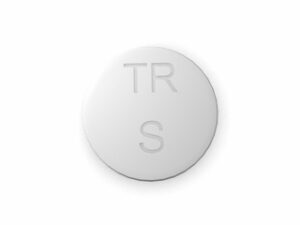

Drospirenone and Ethinyl Estradiol
Drospirenone and Ethinyl Estradiol is a combined oral contraceptive (COC) medicine used in the UK to help prevent pregnancy. It contains two female hormones: ethinyl estradiol (an oestrogen) and drospirenone (a progestogen). In some people, COCs may also improve certain hormone-related symptoms such as acne; however, this depends on the specific formulation and clinical assessment.
This guide is designed to be patient-friendly and helpful for understanding how the medicine works, how to use it properly, and what to consider for safety and interactions.
At a glance
- What it is: A combined oral contraceptive containing an oestrogen + progestogen
- Main use: Pregnancy prevention
- How it works: Prevents ovulation and changes cervical mucus and the uterine environment
- Typical regimen: Usually 21 active tablets followed by a break or placebo tablets (varies by brand)
- Common side effects: Nausea, breast tenderness, spotting, mood changes, headache
- Serious risks (rare): Blood clots (VTE), especially in those with risk factors
- Important: Do not use if you have certain clotting risks, migraine with aura, or specific medical conditions
Basic product information
Different brands of drospirenone/ethinyl estradiol exist in the UK, with variations in tablet strength and the schedule (for example, 21+7 regimens or extended/continuous schedules). Always check the leaflet for the exact number of tablets and the recommended dosing pattern.
| Feature | Details |
|---|---|
| Medicinal ingredients | Drospirenone + Ethinyl estradiol |
| Drug class | Combined oral contraceptive (COC) |
| Mode of action (overall) | Suppresses ovulation; thickens cervical mucus; alters endometrial stability |
| Typical use | Preventing pregnancy (also may affect cycle-related symptoms for some people) |
| Route | Oral tablet |
| Availability in the UK | Available through authorised channels; brands may vary |
How it works: mechanism of action
The contraceptive effect of drospirenone/ethinyl estradiol comes from several complementary actions:
- Suppression of ovulation: The oestrogen and progestogen combination reduces the release of hormones needed for the ovaries to produce an egg.
- Thickening of cervical mucus: This makes it harder for sperm to pass through the cervix.
- Changes in the endometrium: The lining of the uterus becomes less suitable for implantation.
In general, COCs work best when taken consistently at the same time each day and started according to the recommended “starting day” instructions in the leaflet.
Pharmacokinetics (how the body handles the medicine)
Pharmacokinetics describes absorption, metabolism, and elimination. While exact values can vary by individual and by product formulation, the main points are:
- Absorption: Both hormones are absorbed after oral administration.
- Distribution: They circulate in the bloodstream and are bound to plasma proteins (to varying degrees).
- Metabolism: Metabolism occurs primarily in the liver through pathways involving enzymes that can also be affected by other medicines.
- Elimination: Metabolites are removed mainly via urine and faeces.
Understanding pharmacokinetics matters because certain medicines (for example, some enzyme-inducing drugs) can reduce contraceptive reliability by increasing clearance of hormonal components.
Typical use and timing
When to take it
Most combined oral contraceptives are taken once daily. It is important to:
- Choose a time that suits you and aim to take the tablet at the same time every day.
- Follow the exact schedule for your brand: some packs use active tablets only with a break, while others include placebo tablets.
Starting the pack
The leaflet will usually provide one of the following starting approaches:
- Start on day 1 of your period (often gives immediate contraceptive protection).
- Start within the first days of bleeding (protection may depend on the timing).
- Switching from another hormonal method (timing and overlap guidance depend on the method).
- Starting after pregnancy loss, childbirth, or stopping breastfeeding (this requires special timing considerations).
If the pack is started at a time other than the recommended “day,” additional contraception (e.g., condoms) may be needed for a short period. Always refer to the leaflet for the specific instructions for your product.
Missed tablets
Missing tablets can reduce contraceptive effectiveness. Because guidance differs depending on how many tablets are missed and which part of the cycle you are in, it’s safest to follow the missed-dose section in the leaflet. If you are unsure, consider using condoms and seek advice from a pharmacist or clinician.
Food interactions
In most cases, food does not significantly affect the absorption of drospirenone/ethinyl estradiol, so it can typically be taken with or without food. However, severe vomiting or diarrhoea can interfere with absorption (see “vomiting/diarrhoea” section in your leaflet).
- Vomiting or severe diarrhoea: may reduce absorption. Use the leaflet advice for what to do if you are sick soon after taking a tablet.
- Grapefruit juice: is sometimes considered in some drug interactions, but for most people using COCs as directed, grapefruit is not usually a major issue. Still, if your pharmacist advises against something, follow that guidance.
Alcohol interactions
Moderate alcohol intake does not usually directly reduce contraceptive effectiveness. However, alcohol can indirectly affect contraception by:
- Increasing the risk of missed doses (forgetting to take the tablet)
- Worsening side effects such as nausea, dizziness, or headaches
- Contributing to vomiting, which can reduce absorption if it happens soon after taking the tablet
If you drink heavily or you vomit after alcohol, check the leaflet guidance for illness and take steps to maintain protection.
Medicine interactions
Some medicines can reduce the effectiveness of combined oral contraceptives by increasing hormone metabolism, or they may change the blood levels of hormones. Others may increase the risk of side effects.
Medicines that may reduce contraceptive effectiveness
Examples include medicines that strongly induce liver enzymes (commonly called “enzyme-inducing” medicines). These can include:
- Certain treatments for epilepsy (some antiepileptic drugs)
- Some medicines for tuberculosis (TB)
- Some medicines for HIV (depending on the specific regimen)
- Herbal products: St John’s wort (Hypericum perforatum) is known to reduce effectiveness of hormonal contraception.
Medicines that may need extra caution
- Potassium-related issues: Drospirenone has anti-mineralocorticoid activity, which means in some people it could theoretically increase potassium levels. If you take medicines that can raise potassium (or you have kidney problems), your clinician may advise extra monitoring.
- Other hormonal treatments: Combining multiple hormonal products without clear guidance can increase side effects without improving safety or efficacy.
What to do if you start or stop another medicine
- Tell your pharmacist about all medicines and supplements you use (including over-the-counter products).
- If a medicine is likely to interact, you may need extra contraception (such as condoms) for a certain time before and after the interacting medicine.
- Keep the leaflet for your contraceptive pack—it includes interaction and “what to do” guidance tailored to that product.
Indications (what it is used for)
The primary indication of drospirenone/ethinyl estradiol is contraception—helping prevent pregnancy.
Depending on the specific product and local guidance, it may also be considered for certain cycle- or hormone-related complaints (such as acne or premenstrual-type symptoms), but this is not universal. Any additional use should be discussed with a healthcare professional based on your personal medical history.
How to take it: dosing guidance
The standard dosing for combined oral contraceptives is typically:
- One tablet by mouth once daily, at roughly the same time each day.
- Continue for the number of days in your pack schedule (commonly 21 active days, then a break or placebo days—exact regimen varies by brand).
Do not change the schedule unless advised. If you have side effects or are unsure, it may be possible to switch to another formulation that better suits you.
What to do if you miss a tablet
Missed-dose instructions depend on the number of tablets missed and whether you are in the first or later part of the pack. Always follow the leaflet guidance for your particular brand.
If you have missed tablets and had unprotected sex, consider the possibility of reduced protection. Emergency contraception may be an option depending on timing—ask a pharmacist or clinician for the most suitable advice.
Safety profile
Common side effects
Many side effects improve after the first few months. Commonly reported effects include:
- Nausea
- Breast tenderness
- Headache or migraine changes
- Spotting or breakthrough bleeding
- Mood changes
- Changes in libido
- Water retention or bloating (varies between individuals)
Serious risks (rare but important)
Combined oral contraceptives can slightly increase the risk of blood clots. Risk varies depending on individual factors such as age, smoking status, personal clotting history, migraine with aura, and certain medical conditions.
Seek urgent medical attention if you experience symptoms that could indicate a blood clot, such as:
- Leg pain/swelling (often in one leg), warmth, or redness
- Sudden shortness of breath or coughing blood
- Chest pain (may worsen with breathing)
- Sudden severe headache or changes in vision
- Weakness or numbness affecting one side of the body
- Severe abdominal pain
When drospirenone/ethinyl estradiol may not be suitable
COCs are not suitable for everyone. Your clinician/pharmacist will consider whether you have “contraindications,” which may include:
- A current or previous blood clot (VTE)
- Some conditions that raise clotting risk
- Migraine with aura
- Severe liver disease
- Unexplained vaginal bleeding
- Known or suspected pregnancy
- Certain cardiovascular conditions
- Risk factors such as smoking in older age groups
If you are unsure whether you are at risk, speak to a healthcare professional before starting or continuing.
Practical use tips
- Use reminders: mobile phone alarms, apps, or pill boxes can reduce missed tablets.
- Know your pack: check whether your pack has placebo tablets or a break schedule.
- Keep a routine: taking the tablet at the same time daily improves consistency.
- Track side effects: if you have persistent problems (like heavy spotting or worsening headaches), discuss switching formulations.
- Illness guidance: refer to the leaflet if you vomit or have severe diarrhoea, especially within a few hours of taking a tablet.
- Regular check-ins: if you have underlying conditions (e.g., hypertension, migraine, kidney issues), periodic review is important.
Alternative options
If drospirenone/ethinyl estradiol is not suitable or you are experiencing side effects, there are other contraceptive options available in the UK. Alternatives may include:
Other combined oral contraceptives
- COCs with different progestogens or oestrogen doses
- Different regimens (e.g., lower dose or extended-cycle packs)
Progestogen-only methods
- Progestogen-only pill (POP)
- Injectable contraceptives
- Implants (long-acting reversible contraception)
Non-hormonal methods
- Copper intrauterine device (IUD)
- Barrier methods (e.g., condoms), often used alongside other methods
The best alternative depends on your medical history, preferences, tolerance of side effects, and whether you need protection from pregnancy only or also cycle-related benefits.
United Kingdom market and legal context
In the UK, combined oral contraceptives are regulated medicines and are supplied through approved channels. Contraception advice and access are available via multiple routes, including sexual health services, general practice, and authorised pharmacies.
Public health guidance in the UK emphasises:
- Assessing individual clotting and cardiovascular risk factors
- Providing clear information on correct use and missed tablets
- Recognising medicines that can interact with hormonal contraception
- Ensuring people understand when to seek urgent help
If you are concerned about suitability—such as a history of clots, migraine with aura, or smoking—discuss options with a healthcare professional.
Recent guidance (overview)
Ongoing UK clinical practice prioritises safety monitoring and patient education, especially around:
- Venous thromboembolism (VTE) risk: clinicians review personal risk factors before initiating COCs.
- Migraine status: COCs are generally avoided in migraine with aura.
- Drug interactions: enzyme-inducing medicines and St John’s wort are consistently highlighted.
- Postpartum considerations: timing and risk assessment are important after childbirth.
For the most up-to-date information relevant to your situation, consult your leaflet and speak to a pharmacist or clinician.
Delivery and availability in the UK
Availability depends on the specific brand and pack size. Many authorised pharmacies offer delivery across the UK, with dispatch times and delivery windows that vary by supplier. Some products may also be available for urgent short-term supply through clinical or pharmacy pathways where appropriate.
- Check stock: availability can differ by brand and strength.
- Delivery times: typically shown at checkout or on the product page.
- Packaging: medicines are usually supplied in manufacturer packaging with the patient information leaflet.
- Storage: store tablets according to the label (commonly at room temperature, away from moisture and heat).
If you are switching brands or starting a new schedule, review the leaflet carefully to ensure you follow the correct tablet order.
FAQ
1) How quickly does drospirenone/ethinyl estradiol work?
It depends on when you start the pack. Starting on the first day of bleeding often gives immediate protection, while starting later may require additional contraception for a short time. Check your product leaflet for the exact starting instructions.
2) Can I take it if I smoke?
Smoking increases cardiovascular risks associated with combined oral contraceptives. Suitability depends on age, the number of cigarettes, and other risk factors. Discuss your situation with a pharmacist or clinician, especially if you are older or smoke heavily.
3) What should I do if I miss a tablet?
Follow the missed-dose instructions in the leaflet for your specific brand. It may involve taking the missed tablet as soon as possible and using extra contraception for a period. If you are unsure, use condoms and seek advice.
4) Do I need extra contraception when I start a new pack?
Sometimes yes, particularly if you start outside the recommended timing or if you missed tablets. If you are switching from another contraceptive, the overlap period may differ. Refer to the leaflet and consult a healthcare professional if uncertain.
5) Will it help with acne?
Some combined oral contraceptives can improve acne in certain people, but the effect depends on the formulation and your individual condition. If acne is a major concern, ask a pharmacist or clinician about suitability and expected timelines.
6) What side effects are normal in the first few months?
Spotting, nausea, breast tenderness, and mild headaches can occur, especially early on. If symptoms are severe, worsening, or you develop concerning signs (for example, symptoms of blood clots), seek urgent advice.
7) Can I drink alcohol while taking it?
Moderate alcohol usually does not directly affect contraceptive effectiveness. However, alcohol can increase the chance of missed tablets or vomiting, which can affect absorption.
8) Are there medicines I should avoid?
Some medicines—especially enzyme-inducing drugs and St John’s wort—can reduce effectiveness. Always check with a pharmacist if you plan to start any new medicine, including over-the-counter products and herbal supplements.
9) Does food affect it?
Food generally does not significantly affect absorption. If you vomit shortly after taking the tablet or have severe diarrhoea, contraceptive effectiveness may be reduced—follow the leaflet advice.
10) When should I seek urgent medical help?
Seek urgent help if you have symptoms that could indicate a blood clot (such as severe leg swelling/pain, chest pain, sudden shortness of breath, or sudden neurological symptoms). Also seek urgent advice for severe headache, vision changes, or if you think you may be pregnant.
Important: This page provides general information and does not replace the patient information leaflet for your specific brand. If you have questions about your suitability, risk factors, missed tablets, or interactions with other medicines, speak to a pharmacist or clinician.