Escitalopram (SSRI) – Patient Information (UK)
Escitalopram is a medicine from the SSRI (selective serotonin reuptake inhibitor) family. It is widely used in the United Kingdom to help treat certain mental health conditions, including depression and anxiety disorders. This page explains how escitalopram works, how it is typically taken, common safety information, and practical guidance for everyday use.
Important: Everyone’s situation is different. This information supports you in understanding the medicine, but it does not replace advice from a healthcare professional. If you have concerns or experience side effects, contact a clinician promptly.
1) Basic product information
- Medicine name: Escitalopram
- Drug class: SSRI (selective serotonin reuptake inhibitor)
- Common forms: Tablets (various strengths); oral formulations may vary by product
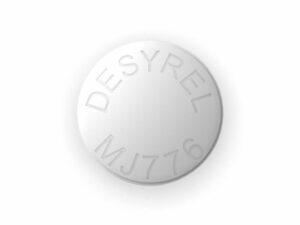
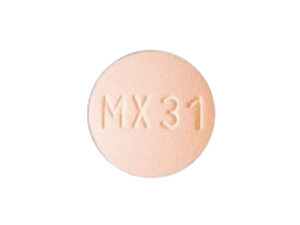
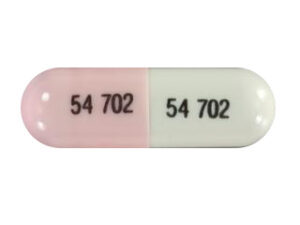
- How it’s supplied: Depending on the UK product, packaging may be labelled with the strength (e.g., 5 mg, 10 mg, 15 mg, 20 mg)
- Brand examples: Some brands exist, but many products are available as generic escitalopram
Escitalopram helps improve symptoms such as low mood, loss of interest, excessive worry, panic symptoms, and social anxiety. It is not an immediate “feel better quickly” medicine; improvement usually develops over time.
2) How escitalopram works (mechanism of action)
Escitalopram increases the amount of serotonin available in the brain by blocking the serotonin transporter that normally reabsorbs serotonin. Serotonin is a chemical messenger involved in mood regulation, anxiety, sleep, appetite, and other functions.
By helping balance serotonin signalling, escitalopram may reduce depressive symptoms and anxiety-related symptoms. Over time, the brain’s response to neurotransmitters adapts, which contributes to the improvement many people experience.
What to expect
- Early changes: Some people notice subtle benefits within 1–2 weeks.
- Full effect: For many conditions, best results often take several weeks (commonly 4–6 weeks, sometimes longer).
- Initial side effects: Mild side effects can occur early, then ease as your body adjusts.
3) Pharmacokinetics (how the body handles escitalopram)
Pharmacokinetics describes how the body absorbs, distributes, metabolises, and eliminates escitalopram. While exact values can vary by person and formulation, the following patterns are typical:
- Absorption: Escitalopram is absorbed after taking by mouth.
- Peak concentration: Blood levels generally peak a few hours after a dose.
- Metabolism: It is metabolised mainly in the liver.
- Excretion: Metabolites are eliminated mainly via the kidneys.
- Half-life: It has a moderate half-life, supporting once-daily dosing for many patients.
Because liver and kidney function can influence drug levels, clinicians may adjust dosing in people with liver impairment or other risk factors.
4) Typical uses in the UK
In the UK, escitalopram is commonly used for:
- Depressive episodes (major depression)
- Generalised anxiety disorder (GAD)
- Panic disorder (with or without agoraphobia)
- Social anxiety disorder
It may also be used for other indications depending on clinical judgement and local practice. If your diagnosis differs from the list above, the guidance in this page may still help you take the medicine safely.
5) Timing & how to take escitalopram
When to take
- Once daily: Many people take escitalopram once a day.
- Same time each day: This helps maintain steady levels and improves adherence.
Morning or evening?
Some people find it easier to take in the morning, especially if it causes sleepiness or fatigue in the early period. Others prefer evening if it causes mild stimulation or nausea earlier in the day.
Practical tip: Choose a time you can consistently manage. If side effects suggest a different time is better, discuss adjustments with a clinician.
How to take tablets
- Swallow with water.
- Follow the instructions on your product packaging.
- Do not stop suddenly without medical advice, as this can lead to discontinuation symptoms.
6) Food interactions
Escitalopram can generally be taken with or without food. Taking it with food may help reduce nausea if it occurs, especially during the first days or weeks.
Recommended approach
- If you feel nauseous, try taking it with a light meal or snack.
- Keep your routine consistent, but you do not usually need special dietary restrictions.
If you notice any pattern between meals and side effects, mention it to your healthcare professional.
7) Alcohol and medicine interactions
Alcohol
It is generally recommended to avoid or minimise alcohol while taking escitalopram. Alcohol can worsen mood, sleep, and anxiety symptoms and may increase side effects such as dizziness or drowsiness.
Other medicines (important interactions)
Escitalopram can interact with other medicines, potentially increasing side effects or affecting effectiveness. Always inform your pharmacist or clinician about all medicines and supplements you use, including:
- Other antidepressants or medicines affecting serotonin
- MAOIs (monoamine oxidase inhibitors) – typically not used together
- Linezolid or methylene blue (can affect serotonin)
- Triptans (for migraine)
- Opioid medicines (some may affect serotonin—check with a clinician)
- St John’s wort (herbal remedy) – may increase serotonin-related effects
- NSAIDs (e.g., ibuprofen, naproxen) and anticoagulants/antiplatelets (may increase bleeding risk when combined with SSRIs)
- Medicines that affect heart rhythm or lower potassium/magnesium
- Medicines affecting liver enzymes (which can change escitalopram levels)
If you are unsure whether a medicine interacts with escitalopram, ask your pharmacist. A quick medication check can prevent complications.
8) Indications (what conditions it treats)
Escitalopram is indicated for the treatment of:
- Depression (depressive episodes)
- Generalised anxiety disorder
- Panic disorder
- Social anxiety disorder
Clinicians may choose an SSRI like escitalopram based on symptom profile, past treatment response, and tolerability. It is often used alongside psychological therapies such as talking therapies when appropriate.
9) Dosing (typical approach in clinical practice)
Dosing varies by condition, age, and individual factors. The sections below describe common starting and target dose ranges used in practice, but your personal dose should follow your healthcare professional’s instructions.
Typical dosing principles
- Start low, go slow: Many people start with a lower dose and may increase if needed and tolerated.
- Adjust gradually: Dose changes are usually made over time to minimise side effects.
- Review response: Clinicians reassess benefits and tolerability regularly.
Common adult dosing ranges
| Condition | Typical starting dose (adult) | Possible dose adjustments | Common effective range |
|---|---|---|---|
| Depression | 10 mg once daily | May increase depending on response | Often 10–20 mg once daily |
| Generalised anxiety disorder (GAD) | 10 mg once daily | May increase depending on response | Often 10–20 mg once daily |
| Panic disorder | 5 mg once daily | Gradual increases to reduce early worsening of panic symptoms | Often 10–20 mg once daily |
| Social anxiety disorder | 10 mg once daily | May increase depending on response | Often 10–20 mg once daily |
Older adults and people with certain health conditions (especially liver impairment) may need lower doses. Your clinician may limit the maximum dose to improve safety.
Stopping and missed doses
- Do not stop suddenly: SSRIs can cause discontinuation symptoms if stopped abruptly.
- Missed dose: If you miss a dose, take it when you remember unless it’s close to the next scheduled dose. Don’t take a double dose.
If you need to stop or reduce escitalopram, discuss a gradual plan.
10) Safety profile & common side effects
Like all medicines, escitalopram can cause side effects. Many people experience mild side effects early on that improve as treatment continues. However, some effects may require urgent medical attention.
Common side effects
- Nausea
- Headache
- Sleep changes (insomnia or sleepiness)
- Dizziness
- Dry mouth
- Increased sweating
- Fatigue
- Sexual dysfunction (e.g., reduced libido, delayed orgasm)
- Changes in appetite or weight
Less common but important risks
- Serotonin syndrome (rare): symptoms may include agitation, confusion, fever, sweating, shaking, diarrhoea, and muscle stiffness—seek urgent help.
- Abnormal bleeding: SSRIs can increase bleeding tendency, especially when combined with NSAIDs or blood thinners. Report unusual bruising, black/tarry stools, or blood in vomit promptly.
- Hyponatraemia (low sodium): more likely in older adults or people taking diuretics; symptoms can include headache, confusion, weakness.
- QT prolongation (heart rhythm effect): risk may be higher with existing heart conditions, low potassium/magnesium, or certain interacting medicines.
- Worsening anxiety early on: some people with anxiety disorders feel a temporary increase in anxiety at the start, often improving with continued treatment and careful dose titration.
- Suicidal thoughts / worsening mood in some people, particularly early in treatment or with dose changes: urgent clinical assessment is essential if this occurs.
When to seek urgent help
Get medical help immediately if you experience:
- Signs of serotonin syndrome
- Fainting, severe dizziness, palpitations with feeling unwell
- Serious allergic reaction (swelling of face/lips, difficulty breathing)
- Thoughts of harming yourself or others, or a sudden severe worsening of mood
- Severe agitation, confusion, or fever
If you are in immediate danger, call 999. For urgent mental health support in the UK, consider contacting your local crisis team or NHS services.
11) Practical use tips
Improve chances of success
- Take it consistently: Aim for the same time each day.
- Give it time: Don’t judge effectiveness too early—work with a timeline suggested by your clinician.
- Track symptoms: Note changes in mood/anxiety weekly (sleep, appetite, worry levels) to support medication reviews.
- Manage early side effects: If you feel nauseous, try taking with food and stay hydrated. Ask a pharmacist if side effects persist.
Handling sexual side effects
Sexual side effects can occur with SSRIs. Don’t stop suddenly, but do raise the issue with a clinician—there may be ways to adjust dosing or consider alternatives.
Driving and alcohol
- If escitalopram makes you drowsy or dizzy, avoid driving or operating machinery until you know how it affects you.
- Reduce alcohol consumption and avoid binge drinking.
Stopping safely
Discontinuation symptoms can include dizziness, “brain zaps,” mood changes, irritability, nausea, and sleep disturbances. A gradual taper guided by a clinician can reduce risk.
12) Alternative options
If escitalopram isn’t suitable (for example, due to side effects, interactions, or limited response), clinicians may consider other approaches:
Other SSRIs
- Sertraline
- Citalopram
- Fluoxetine
- Paroxetine
Other antidepressant or anti-anxiety options
- Venlafaxine or duloxetine (SNRIs)
- Mirtazapine
- Other medicines depending on diagnosis and individual needs
Non-medicine options
- Talking therapies (e.g., CBT)
- Lifestyle approaches: sleep routine, exercise, structured daily activity
- For panic disorder and social anxiety, psychological strategies can be particularly helpful
Your best option depends on your symptoms, medical history, and preferences. Discuss alternatives with a healthcare professional rather than making changes yourself.
13) UK market & legal context (brief overview)
In the UK, escitalopram is an established medicine used in primary and secondary care. Availability on pharmacy platforms may depend on product type, supply routes, and clinical assessment policies.
Online pharmacies in the UK are expected to follow relevant regulations on medicines, patient safety, and information provision. This includes procedures to help ensure medicines are suitable and used safely.
Good to know: Always use the strength and formulation supplied by the pharmacy and keep the medicines in original packaging. Store them according to the label instructions (commonly at room temperature, protected from moisture and out of reach of children).
14) Recent guidance & monitoring (UK context)
UK mental health practice commonly emphasises:
- Assessment and review: Regular follow-up to monitor symptom progress and side effects.
- Care during early treatment: Awareness of potential early worsening of anxiety and the importance of monitoring mood changes.
- Safe prescribing: Consideration of drug interactions and risk factors (e.g., bleeding risk, hyponatraemia, heart rhythm concerns).
- Safe discontinuation: Gradual reduction rather than abrupt stopping to minimise withdrawal effects.
Local NHS pathways and guidance from professional bodies may shape how depression and anxiety disorders are managed, including use of medication alongside psychological therapies. If you have specific monitoring concerns (e.g., heart rhythm history or low sodium risk), discuss these with your clinician.
15) Delivery and availability (UK)
Delivery and stock availability can vary by pharmacy provider and the product strength you choose. Many online pharmacies in the UK offer:
- Home delivery to UK addresses
- Discreet packaging
- Clear product labelling with instructions and batch information
- Tracking updates where supported
When placing an order, check:
- That the strength and formulation match what you need
- Local delivery timescales and any bank-holiday changes
- Storage instructions on the packaging
16) Escitalopram FAQ
How long does it take to work?
Some people notice changes within 1–2 weeks, but full benefit often takes 4–6 weeks (sometimes longer). If after several weeks there’s no improvement, your clinician may review the dose or consider an alternative.
Can I stop escitalopram suddenly?
It is usually not recommended to stop suddenly. Stopping abruptly can cause discontinuation symptoms. If you want to stop, discuss a gradual taper plan with a healthcare professional.
What should I do if I miss a dose?
Take it when you remember unless it’s close to your next dose. Do not take a double dose. If you’re unsure, ask your pharmacist for advice based on your dosing schedule.
Can I take it with food?
Yes. Escitalopram can generally be taken with or without food. If you experience nausea, taking it with a meal may help.
Is it safe to drink alcohol?
It’s best to avoid or minimise alcohol because it can worsen mood and anxiety and may increase side effects such as dizziness or drowsiness. If you choose to drink, keep it to small amounts and monitor how you feel.
Can I take painkillers like ibuprofen with escitalopram?
Many people can take occasional pain relief, but SSRIs can increase bleeding risk, particularly with NSAIDs. If you need frequent or higher-dose NSAIDs, speak to a pharmacist or clinician for safe options.
Will escitalopram make me feel worse at the start?
Some people with anxiety disorders may feel temporary worsening during the first days. This often improves as the dose is adjusted and the body adapts. Contact a clinician if symptoms become severe or significantly worsen.
Are there sexual side effects?
Sexual side effects can occur with SSRIs, including reduced libido or difficulty achieving orgasm. If this affects you, discuss it—there may be management strategies or medication adjustments.
What if I become very agitated, feverish, or confused?
These can be signs of a serious reaction (for example, serotonin syndrome). Seek urgent medical help immediately.
Is escitalopram suitable for everyone?
Not necessarily. Suitability depends on your medical history, other medicines you take, and risk factors such as heart rhythm issues, bleeding risk, and liver function. A healthcare professional or pharmacist can assess safety for your individual circumstances.
Where should I store escitalopram?
Store according to the packaging instructions, typically at room temperature, in original packaging, and out of reach of children.
Summary
Escitalopram is an SSRI medicine used to treat depression and several anxiety disorders in the UK. It works by increasing serotonin activity and typically takes a few weeks to achieve full benefit. Most people can take it once daily, with or without food, but safety depends on your health profile and other medicines you use. If you experience worrying symptoms, severe side effects, or a sudden change in mood, seek urgent medical advice.