
Eflornithine (Eflornithine hydrochloride) – Patient-Friendly Guide (UK)
Eflornithine is a medicine used to treat certain severe parasitic infections. In the UK, it is most commonly associated with treatment of human African trypanosomiasis (HAT), also known as sleeping sickness. This guide explains what eflornithine does, how it works, how it is used, and important safety and practical information to help you understand your treatment.
Always follow the instructions given by your healthcare professional and the information on the medicine label. The details below are general and may vary by your specific condition, disease stage, and treatment plan.
1) Basic product information
| Category | Details |
|---|---|
| Active ingredient | Eflornithine (often eflornithine hydrochloride) |
| Therapeutic area | Parasitic infection (sleeping sickness) |
| Common conditions treated | Human African trypanosomiasis (HAT), typically late-stage/neurologic disease |
| How it is given | Depending on the formulation and clinical setting, eflornithine may be given by infusion or as directed by the care team. (Your local NHS or specialist centre will confirm the exact method.) |
| Availability in the UK | Availability can vary due to specialist supply and national commissioning. Your prescriber/pharmacy will confirm current stock and delivery arrangements. |
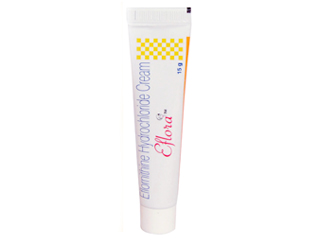
Brand names: Eflornithine may be available under brand names depending on supply and licensing. Your pharmacist can confirm the exact brand you are receiving.
2) What eflornithine is and typical use
Eflornithine is an anti-parasitic medicine designed to stop the growth of certain protozoa by interfering with a key metabolic pathway. In clinical practice, eflornithine is used to treat human African trypanosomiasis—a serious disease caused by Trypanosoma brucei parasites.
- Indications in HAT: Eflornithine is particularly used for late stage (neurologic) disease when the parasite has invaded the central nervous system.
- Other uses: Eflornithine has been used in some other contexts historically, but in the UK setting it is most strongly associated with management of HAT. Specific indications depend on the licence and local clinical guidance.
3) Mechanism of action (how it works)
Eflornithine works by blocking an enzyme needed by the parasite to make essential building blocks for growth.
- Eflornithine inhibits ornithine decarboxylase—a key enzyme involved in the synthesis of polyamines.
- Polyamines are important for cell growth and replication in the parasite.
- By stopping polyamine production, eflornithine interferes with the parasite’s ability to multiply, helping to reduce infection and disease progression.
Why timing matters: For serious infections such as late-stage HAT, treatment regimens are designed to maintain effective drug levels over a period of days. This is why dosing schedules and adherence to the plan are so important.
4) Pharmacokinetics (what the body does to the medicine)
Pharmacokinetics describes how the medicine behaves in the body—how it is absorbed (if applicable), distributed, metabolised, and eliminated.
- Distribution: Eflornithine can reach the body compartments relevant to treatment of HAT, including areas needed for treatment of neurologic disease (depending on clinical context).
- Metabolism: Eflornithine is not typically described as relying on extensive liver metabolism. This can be helpful for patients with certain types of liver disease, but your clinician will still assess suitability.
- Elimination: Eflornithine is mainly removed from the body via the kidneys. This is an important safety consideration for people with kidney impairment.
- Half-life: The half-life influences dosing frequency and how the treatment schedule is set.
Individual factors: Kidney function, disease severity, and other medicines may affect how eflornithine is handled. Your care team may adjust dosing or monitor closely.
5) Indications (when eflornithine is used)
In the UK, eflornithine is mainly used for treatment of human African trypanosomiasis (sleeping sickness) due to Trypanosoma brucei.
- Late stage (neurologic) HAT: Eflornithine is used when the infection has affected the nervous system.
- Local protocol considerations: Treatment choice can depend on parasite stage, subtype, previous treatments, and specialist assessment.
Important: The precise use and regimen (including dose and duration) should be confirmed by a specialist team following current UK guidance and the product licence information.
6) Dosing and timing
Do not self-adjust your dose. For serious infections, dosing schedules are carefully designed. In hospital or specialist settings, the medicine is given under clinical supervision.
Typical dosing approach (general)
- Regimen structure: Eflornithine is usually given as a course over several days, often with frequent dosing intervals to maintain effective levels.
- Route: Depending on formulation and local practice, it may be administered by infusion or another supervised method.
- Body weight: Dosing may be based on body weight, especially for medicines used in HAT treatment plans.
Timing
- Follow the exact schedule: Treatment effectiveness relies on maintaining levels throughout the dosing period.
- Missing doses: If a dose is delayed or missed, inform the clinical team immediately. They can advise on how to proceed based on how much time has passed.
Kidney function considerations
- Because eflornithine is largely eliminated by the kidneys, clinicians typically assess renal function before and during treatment.
- If kidney function is reduced, dosing may need to be adjusted or monitoring increased.
Note: Exact dosing tables and dose calculations depend on the approved regimen for the relevant indication and your clinical situation. Your specialist team will provide the correct schedule.
7) Food interactions (can you take it with meals?)
For many medicines, food can affect absorption. For eflornithine, the main determinant is often the route and clinical administration rather than meal timing. In hospital-based administration, medicines are typically given according to the regimen schedule.
- General advice: If you are taking it as part of supervised treatment, you will likely receive doses at set times regardless of meals.
- If oral dosing applies in your case: Follow the local instructions on administration and whether it should be taken with food.
Tell your healthcare team if you have trouble eating, vomiting, or diarrhoea—these can affect overall treatment tolerance and hydration status.
8) Alcohol and medicine interactions
During treatment for a serious parasitic infection, it is generally advisable to minimise alcohol because it can worsen dehydration, fatigue, and side effects and may interfere with overall recovery.
- Alcohol: Avoid or keep alcohol to a minimum unless your clinician specifically says otherwise.
- Other medicines: Eflornithine may interact with other medicines indirectly by changing tolerability or by overlapping side effects (such as effects on blood counts or nervous system symptoms).
Always provide a complete list of medicines (including over-the-counter products and herbal supplements) to your healthcare professional.
9) Safety profile and side effects
Like all medicines, eflornithine can cause side effects. Many people experience mild or moderate effects that resolve after treatment, while some may require monitoring or dose changes.
Common side effects
- Gastrointestinal effects: nausea, vomiting, diarrhoea, loss of appetite
- Neurologic/other: headache, dizziness, tremor in some cases
- Injection/infusion related effects: local irritation (depending on administration method)
- General symptoms: fever or weakness (may overlap with infection symptoms)
Serious side effects (seek urgent medical advice)
Contact your healthcare team promptly or seek urgent care if you experience:
- Severe allergic reaction (e.g., swelling of face/lips, difficulty breathing, widespread rash)
- Severe nervous system symptoms such as confusion, seizures, or marked worsening of neurologic signs
- Signs of significant blood problems such as unusual bruising, persistent bleeding, severe sore throat or infections
- Severe dehydration (e.g., persistent vomiting/diarrhoea, fainting, very reduced urine)
Monitoring during treatment
Specialist care commonly includes monitoring such as:
- Blood tests (including blood counts and kidney function)
- Assessment of neurologic status and treatment response
- Hydration and supportive care
Tell your clinician immediately about any new or worsening symptoms.
10) Practical use tips
If you are receiving eflornithine under specialist care, practical steps mainly focus on comfort, monitoring, and communicating clearly with your team.
- Keep to the schedule: The treatment plan is time-sensitive—make sure you understand the dosing intervals.
- Stay hydrated if permitted: Follow advice about fluids, especially if you have vomiting or diarrhoea.
- Track side effects: If you’re able, note symptoms and when they occur. This helps clinicians adjust supportive care.
- Bring a full medicine list: Include doses and timing of all current medicines.
- Don’t stop other important medicines unless your clinician advises. For example, ongoing treatment for other conditions should be coordinated with the HAT team.
Travel and comfort: If you are receiving treatment over multiple days, ask the care team about support services, transport arrangements, and what to bring for your stay.
11) Alternative options
Alternative treatment options depend on the specific type and stage of HAT, plus local guidelines and availability of medicines. Your specialist team may consider different anti-trypanosomal medicines.
Common alternatives (specialist decision)
- Nifurtimox and benznidazole are used for different parasitic diseases (not the same as HAT). They may be discussed only if the diagnosis differs.
- Other HAT regimens may include medicines used for early-stage or late-stage disease. The choice depends on neurologic involvement and strain characteristics.
Combination therapy: In some circumstances, specialists may use combination regimens, supportive therapy, or follow specific stepwise protocols. The “best” alternative is not one-size-fits-all.
Discuss options with your clinician: If you have concerns (e.g., side effects, previous exposure, kidney issues), ask about the rationale for choosing eflornithine and what alternatives might be available in the UK.
12) Market and legal context in the United Kingdom
In the UK, medicines must comply with regulatory standards and are supplied according to their marketing authorisation, recommended indications, and local commissioning arrangements. For serious conditions like HAT, treatment often occurs through specialist centres and public health pathways.
- Regulation: The Medicines and Healthcare products Regulatory Agency (MHRA) regulates medicines in the UK.
- Specialist supply: For less commonly used medicines, availability can be limited and may rely on hospital pharmacy procurement, wholesaler supply, and clinical urgency.
- Clinical guidance: Guidance may be informed by international recommendations and UK clinical practice, particularly for late-stage HAT.
Recent guidance: UK practice continues to follow specialist protocols for HAT diagnosis and stage classification, with emphasis on careful monitoring and supportive care. Your treating team will use the most current local advice relevant to your case.
13) Delivery and availability (online pharmacy information)
Because eflornithine is used for specialised, serious infections and may be supplied through hospital and specialist networks, availability through an online pharmacy website can vary. If you are purchasing through an online service, expect:
- Verification steps: The pharmacy may verify suitability and that the order matches the intended medical use.
- Dispatch timing: Dispatch may depend on stock levels, courier schedules, and whether the medicine is held locally or sourced through a supplier.
- Cold chain: Some medicines require temperature control; eflornithine handling requirements will be confirmed by the pharmacy based on the product’s storage conditions.
What to do if it’s out of stock: Ask the pharmacy about back-order options, expected delivery windows, and whether alternative stock sources can meet urgent clinical timelines.
14) FAQ about eflornithine
What is eflornithine used for?
Eflornithine is used to treat human African trypanosomiasis (sleeping sickness), particularly late-stage (neurologic) disease caused by Trypanosoma brucei.
How quickly does eflornithine start working?
Response can vary. In specialist care, clinicians monitor your symptoms and may carry out follow-up testing to assess treatment effectiveness. Some improvements may be seen during treatment, while full response evaluation may require ongoing observation after the course.
How is eflornithine taken?
Administration depends on the formulation and the specialist treatment plan. For HAT, eflornithine is typically given under clinical supervision (often by infusion). Your care team will confirm the exact method and timing for your course.
Can I eat before or after eflornithine?
Meal timing is usually less relevant if the medicine is administered in a clinical setting. If you have been given specific instructions for your situation, follow those instructions. If you have nausea or appetite issues, discuss supportive care options with your healthcare team.
Are there food interactions I should know about?
For most patients, no major food interaction is emphasised in everyday use. However, since your overall condition may affect digestion and hydration, it’s important to follow your clinician’s advice and report persistent vomiting or diarrhoea.
Is it safe to drink alcohol during treatment?
It’s generally best to avoid alcohol or keep it to a minimum during treatment for serious infection. Alcohol can worsen dehydration and fatigue and may affect how well you tolerate side effects. Ask your clinician if you have questions specific to your health.
What should I do if I miss a dose?
Contact the treating team or the service providing your medication immediately. In supervised regimens for serious infections, missed or delayed doses should be managed promptly based on how much time has passed.
Who should be extra cautious when using eflornithine?
Extra caution is needed for people with kidney impairment and those who develop significant neurologic symptoms. Your specialist will assess suitability and monitor you during treatment.
What side effects are most common?
Common effects can include nausea, vomiting, diarrhoea and headache, though symptoms may also overlap with the infection itself. Your clinician will monitor for worsening or unusual reactions.
When should I seek urgent help?
Seek urgent medical help if you suspect a serious allergic reaction, develop seizures, have severe confusion, or experience signs of significant dehydration or blood-related complications (such as unusual bleeding).
Are there alternatives if eflornithine isn’t suitable?
Alternative treatment options depend on HAT stage and individual circumstances. Your specialist will advise the most appropriate regimen and whether an alternative medicine is needed.
Summary
Eflornithine is an anti-parasitic medicine used in the treatment of human African trypanosomiasis (sleeping sickness), particularly late-stage disease affecting the nervous system. By inhibiting ornithine decarboxylase, it disrupts the parasite’s ability to make substances needed for growth. Because eflornithine is mainly eliminated by the kidneys, specialist assessment and monitoring are important—especially for people with kidney impairment.
If you have questions about the regimen, timing, side effects, or how your other medicines might be affected, speak with your healthcare professional or pharmacist before treatment continues.