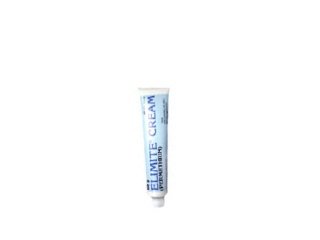

Elimite (Permethrin) – Patient-Friendly Information (UK)
Elimite contains permethrin, a medicine used on the skin to treat certain contagious skin infestations, most notably scabies (and in some cases related conditions depending on product strength and local availability). It works by targeting the nervous system of the parasite responsible for the condition, helping to relieve symptoms and stop spread to others.
This guide is written to help you understand how Elimite works, how to use it safely and effectively, what to expect, and when to seek further advice. If you have questions about your specific situation (for example, pregnancy, breastfeeding, or children’s ages), speak to a healthcare professional or pharmacist.
Basic product information
| Category | Details |
|---|---|
| Active ingredient | Permethrin |
| Common use | Skin treatment for scabies |
| Formulation | Topical cream/lotion (strength may vary by product) |
| How it’s applied | Applied to the skin and left for a set period before washing off |
| Contagiousness control | Treatment of close contacts and environmental measures may be important |
How permethrin works (mechanism of action)
Permethrin belongs to the class of medicines called pyrethroids. It acts primarily on the parasite’s nervous system. Specifically, permethrin affects sodium channels in nerve cells, leading to disruption of nerve function and ultimately causing the parasite to die.
Because it targets the parasite, permethrin is designed to work best when it is applied thoroughly across the affected areas (and, for scabies, the recommended body regions, including areas that may not yet look severely affected).
What to know about pharmacokinetics (absorption and elimination)
When used on the skin, permethrin is absorbed in small amounts through the skin in most people. How much enters the bloodstream can be influenced by factors such as skin condition, how much is applied, and whether the skin is broken or inflamed.
- Absorption: generally limited for topical use.
- Distribution: most activity is local at the skin surface and within the treated superficial layers.
- Metabolism: permethrin is metabolised mainly in the liver after any systemic absorption.
- Excretion: breakdown products are eliminated primarily via the kidneys (urine).
In practice, this means systemic side effects are usually unlikely when the cream is used exactly as directed.
Typical uses in the UK
Elimite (permethrin) is commonly used to treat scabies. Scabies is caused by a tiny mite that burrows into the upper layers of the skin, causing intense itching, especially at night, and a rash in typical patterns.
The right treatment plan may also include treatment for close contacts and steps to reduce re-infestation from bedding, clothing, and household items.
Indications (who it is for)
Elimite is indicated for the treatment of scabies in appropriate patients based on local guidance and product instructions. Eligibility can depend on factors such as age, body area to be treated, and personal medical circumstances.
Important note
Scabies can mimic other skin problems. If you are not sure of the diagnosis, a clinician can help confirm scabies before treatment. Correct identification matters because treatment approaches differ for eczema, fungal infections, insect bites, and other conditions.
Dosing and timing
The exact dose and timing depends on the product strength and the condition being treated. Always follow the instructions supplied with your specific Elimite product and any advice from a healthcare professional.
Typical scabies treatment approach (general)
- Timing of application: Apply to the skin for the recommended duration (commonly around 8–12 hours depending on instructions), then wash off.
- Repeat dose: Many regimens include a second application about 7 days later to address mites that hatch after the first treatment.
- Thorough coverage: For scabies, treatment usually involves covering recommended body areas, including areas commonly missed.
How much to apply (practical guidance)
Use enough cream to cover the treatment areas thoroughly in a thin but even layer. For scabies, patients often need a significant amount to cover the entire required body regions.
If you are unsure how much to use, consult a pharmacist or refer to the product information leaflet that comes with your specific tube/bottle.
Food interactions
Because Elimite is a topical skin treatment, food interactions are not expected in the usual sense. There is no known direct effect of eating or drinking on permethrin cream performance when used on the skin.
Alcohol and medicine interactions
No specific alcohol interactions are generally expected with permethrin topical therapy. Permethrin is used on the skin and typically results in low systemic absorption.
As with all medicines, it is still sensible to consider potential interactions indirectly through overall treatment safety:
- Other topical products: Avoid applying multiple medicated creams at the same time to the same skin areas unless advised.
- Other systemic medicines: No common clinically significant interactions are expected due to low absorption, but individual circumstances can vary.
- Sensitivities: If you use other products that irritate your skin, this may make side effects more likely.
Safety profile: side effects and when to seek help
Common side effects
Mild, temporary reactions may occur where the cream is applied. These can include:
- Skin irritation (burning, stinging, redness)
- Itching (may persist even after mites are treated)
- Dryness or mild rash at the application site
Less common but important reactions
Seek medical advice promptly if you experience:
- Severe or worsening skin inflammation
- Swelling of the face, lips, or skin around the eyes
- Breathing difficulties, wheezing, or widespread hives (possible allergy)
- Signs of skin infection (increasing pain, warmth, pus, fever)
Residual itching after successful treatment
One of the most common concerns after scabies treatment is that itching can continue for days to weeks. This is often due to the immune system’s reaction to dead mites and their waste products rather than ongoing infestation.
Follow-up guidance may depend on how long symptoms persist and whether new burrows or fresh lesions appear.
Practical use tips (how to apply Elimite effectively)
Correct application is key. Under-treatment is a common reason for recurrence or failure.
Before you start
- Check the diagnosis: Ensure the condition is scabies (or another indication covered by the specific product instructions).
- Prepare the area: Set aside towels and clean clothing to help with hygiene and changing after washing off.
- Consider treating close contacts: Reinfection is common if only one person is treated in a household or close contact group.
Step-by-step application (general scabies approach)
- Wash and dry skin: If instructed, cleanse the skin and dry it thoroughly before application.
- Apply to all required areas: Use enough cream to cover the specified regions. Pay attention to areas that are often missed.
- Use gloves if helpful: Some people find disposable gloves reduce residue on their own hands.
- Wash hands after use: If you don’t wear gloves, wash your hands after applying (unless the instructions require hand coverage specifically).
- Leave on for the recommended duration: Do not shorten or extend unless instructed. Avoid covering with tight clothing unless needed for the treatment areas.
- Wash off thoroughly: After the set period, wash off the cream and change into clean clothes.
- Repeat if recommended: Many scabies regimens include a second application about 7 days later.
Clothing, bedding, and environmental measures
To reduce the chance of re-infestation, consider:
- Wash bedding and clothes used recently at the highest temperature the fabric allows.
- Items that can’t be washed: follow local advice on sealing in bags for a period of time or other recommended approaches.
- Household cleaning: focus on items that have been in contact with the skin.
Your local guidance may vary slightly; a pharmacist or clinician can advise based on your household and living situation.
Timing: what to expect after treatment
After applying Elimite, you may notice changes in symptoms over time:
- Itching: may improve gradually, but can persist even after mites are eliminated.
- Rash and lesions: often settle over days to weeks.
- Need for repeat application: if your regimen includes a second application, it should usually be done about one week after the first.
If you continue to develop new lesions after completing the recommended regimen and treating contacts and the environment, seek medical advice for review.
Alcohol and other lifestyle considerations
While topical permethrin does not usually have direct alcohol interactions, it’s wise to avoid irritating skincare practices during treatment. For example:
- Avoid harsh soaps, strong fragranced products, and vigorous scratching.
- If itch is severe, consider speaking to a pharmacist about soothing options that can be used alongside (and not directly under) permethrin as advised.
Safety in special circumstances (age, pregnancy, breastfeeding)
Many patients can use permethrin topically; however, the best plan depends on individual circumstances. Always check the product information leaflet for age-related instructions and cautions.
Children
Scabies is common among children, but application instructions may vary (for example, face and scalp coverage may be handled differently). Use product guidance carefully and consider pharmacist advice if you’re treating a young child.
Pregnancy and breastfeeding
Topical permethrin is often considered when treating scabies in pregnancy or breastfeeding, but decisions should be based on professional advice and the balance of benefits and potential risks. Follow local guidance and the product instructions.
Skin conditions and broken skin
If you have widespread skin inflammation, open wounds, or extensive broken skin, discuss with a healthcare professional before using topical treatments. This can affect tolerability and, in rare cases, increase systemic absorption.
Alternative options (if permethrin is not suitable)
Treatment selection depends on factors such as age, severity, local resistance patterns, and whether you can apply topical treatments effectively. In the UK, alternative scabies treatments that clinicians may consider include:
- Other topical scabicides (product availability varies)
- Oral treatments in selected circumstances, especially when topical therapy is impractical or not effective
- Supportive care for itch (for example, moisturisers and anti-itch measures) alongside scabicide treatment
If permethrin seems not to work, do not simply repeat endlessly without checking the application method, timing, contact treatment, and environmental measures.
Market and legal context in the United Kingdom
In the UK, scabies treatment is supported by national clinical guidance and public health recommendations. Permethrin-based products are widely available, and the approach to scabies management commonly includes:
- treating the diagnosed person
- treating close contacts at the same time (when advised)
- hygiene and environmental decontamination measures
- follow-up if symptoms persist or new lesions develop
Availability and product strength may vary depending on the specific Elimite pack offered. UK pharmacy dispensing and supply may follow regulatory status, pharmacy-only categories, and age-appropriate restrictions.
Recent guidance and practical updates (UK-focused)
In recent years, scabies management guidance has consistently emphasised preventing reinfestation by ensuring close contacts are assessed or treated and that environmental measures are undertaken.
- Don’t rely on symptom improvement alone: persistent itch after successful treatment can occur.
- Ensure correct coverage: under-application can lead to treatment failure.
- Follow the timing: if a second application is recommended, it should be completed on schedule.
Local antimicrobial resistance patterns and treatment recommendations may evolve, so it’s a good idea to check with a pharmacist if you have previously been treated and symptoms returned.
Delivery and availability
Elimite (permethrin) is typically available from UK pharmacies and online pharmacy services subject to stock availability. Delivery times can vary depending on the supplier, carrier, and where you live within the UK.
When ordering online, ensure you select the correct product strength/form and check packaging details before use. Keep the medicine within its stated expiry date and store it according to the label instructions.
How to store Elimite
- Store at room temperature unless otherwise stated on the pack.
- Keep the container tightly closed.
- Keep out of the sight and reach of children.
- Do not use after the expiry date.
FAQ
1) How long should I leave Elimite on my skin?
Leave it on for the exact duration stated in the product instructions for scabies treatment. Many regimens use a period of around 8–12 hours, but you should follow your specific pack guidance.
2) Will the itching stop immediately after treatment?
Not usually. Itching can continue for days or even a few weeks due to your skin’s reaction to dead mites and residue. If you develop new burrows or lesions after completing the recommended regimen, contact a healthcare professional for review.
3) Do I need to treat my household contacts?
Often, yes. Scabies spreads through close, prolonged skin contact. Treating close contacts at the same time helps prevent reinfestation. Your pharmacist or clinician can advise who should be treated based on your circumstances.
4) Can I use moisturiser or other creams with Elimite?
You should generally avoid applying other creams to the treated areas at the same time unless advised. After you wash off Elimite (and once skin is settled), moisturisers can be helpful for comfort.
5) Is there a risk of overdose if more cream is used?
Using more than recommended is not advised. Apply only as instructed and cover the required areas thoroughly. If you believe too much has been applied or a child has swallowed any cream, seek medical advice urgently.
6) What if I forget to apply the second dose?
Treatment regimens for scabies often include a second application around 7 days later. If you miss it, seek advice from a pharmacist or clinician so they can guide the best timing for your situation.
7) Can I wash my clothes and bedding normally?
Wash bedding and clothing used recently using the highest temperature fabric permits, and follow local guidance for items that can’t be washed. This helps reduce the chance of reinfestation.
8) Is Elimite safe for children?
Permethrin topical treatments are used in children for scabies, but application instructions may differ by age (including how to treat the face/scalp). Check the product leaflet and ask a pharmacist if you’re unsure.
9) Can I drink alcohol during treatment?
No specific alcohol interactions are expected with topical permethrin. However, if alcohol affects your ability to follow the treatment schedule or if you experience skin irritation, consider avoiding factors that worsen comfort.
10) What should I do if symptoms get worse?
If your rash, redness, swelling, or pain becomes severe, or you develop signs of allergy or infection, seek medical advice promptly. If you complete treatment correctly and still have new lesions, arrange further review.
Remember: Elimite works best when applied thoroughly and used on schedule, with attention to treating close contacts and cleaning items that have been in contact with skin. If you are unsure about diagnosis or next steps, speak to a pharmacist for guidance.