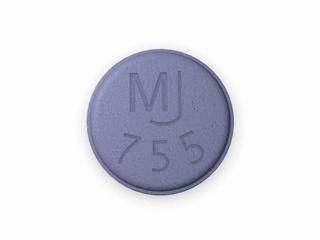


Estrace (Estradiol) – Patient-Friendly Medicine Guide (UK)
Estrace is a medicine containing estradiol, a form of the body’s natural oestrogen. It is used to relieve symptoms caused by low oestrogen levels and, in some situations, to help protect the womb (uterus) when oestrogen is taken. This guide explains what Estrace is, how it works, how it behaves in the body, how and when to take it, possible side effects and safety considerations, interactions, and practical tips. It also includes UK-focused information about availability and recent clinical context.
Note: Brands and presentations vary by country. In the UK, estradiol products may be available as tablets, vaginal preparations, or other formulations. Always check your specific pack for the correct strength, route, and directions for use.
Quick overview
- Active ingredient: Estradiol
- Type: Oestrogen (hormone replacement therapy, HRT)
- Common reasons for use: Menopausal symptoms due to oestrogen deficiency; specific indications depending on your history
- How it works: Replaces oestrogen and helps relieve symptoms such as hot flushes and vaginal dryness
- Important safety point: If you have a uterus, you will usually need combined therapy with a progestogen to protect the uterine lining
What is Estrace?
Estrace is the brand name for a medicine containing estradiol, the main oestrogen produced in women before menopause. After menopause, oestrogen levels decline. This reduction can cause symptoms such as:
- Hot flushes and night sweats
- Sleep disturbance related to night sweats
- Vaginal dryness and discomfort
- Pain or discomfort during sex
- Urinary symptoms related to genitourinary syndrome of menopause
Estrace works by supplementing oestrogen to reduce these symptoms.
How Estrace works (mechanism of action)
Estradiol binds to oestrogen receptors in many tissues, including the brain, blood vessels, bones, and the reproductive tract. When oestrogen receptors are activated, estradiol can:
- Reduce menopausal hot flushes by influencing temperature regulation in the brain
- Improve vaginal and urinary symptoms by supporting the health of vaginal tissues and surrounding structures
- Support bone health by slowing bone loss (this is one reason HRT can be beneficial in appropriate patients)
Uterus protection: Oestrogen can stimulate the uterine lining. In people with an intact uterus, this can increase the risk of endometrial hyperplasia and endometrial cancer if oestrogen is used without a progestogen. Therefore, many treatment plans include a progestogen (in tablets, or via another method depending on the product regimen).
Pharmacokinetics (how Estrace is processed by the body)
Pharmacokinetics describes how the body absorbs, distributes, metabolises, and eliminates a medicine.
- Absorption: Estradiol is absorbed after taking the medicine, with absorption influenced by formulation and route.
- Distribution: Estradiol binds to proteins in the blood (including sex hormone-binding globulin and albumin).
- Metabolism: Estradiol is mainly metabolised in the liver. Metabolites may have biological activity to varying degrees.
- Elimination: Metabolites are eliminated primarily through the bile and urine.
Exact pharmacokinetic details can vary by product strength and formulation. Your specific leaflet will contain the most accurate information for your version of Estrace.
Typical use in the UK
Estrace is used in hormone-sensitive conditions related to low oestrogen. In the context of the UK, the most common pattern is HRT for menopausal symptoms or related conditions. Your clinician may tailor the plan based on:
- Your age and time since menopause
- Your symptoms (hot flushes, sleep disturbance, vaginal dryness, urinary symptoms)
- Whether you have a uterus
- Your personal and family medical history (for example, history of blood clots, stroke, breast cancer)
- Your preferences and risk profile
Genitourinary symptoms: Some estradiol products are formulated specifically for vaginal use. Vaginal estradiol may provide local symptom relief with lower systemic exposure compared with oral regimens, depending on the product.
Indications (what Estrace may be used for)
Indications depend on your treatment plan and the product route/strength you use. Common indications include:
- Treatment of menopausal symptoms due to oestrogen deficiency (for example, hot flushes and night sweats)
- Relief of symptoms of genitourinary syndrome of menopause such as vaginal dryness and discomfort
- Prevention of bone loss in certain people at risk (where appropriate), typically when other measures are not suitable
Uterus status matters: If you have a uterus, oestrogen treatment generally needs an accompanying progestogen to protect the lining. If you do not have a uterus, oestrogen-only therapy may be considered, depending on your circumstances.
Dosing and timing
Your exact dose and schedule depend on: the reason for use, your symptom pattern, age, your medical history, and whether you take progestogen as well as estradiol.
General dosing principles
- Start with the lowest effective dose to control symptoms.
- Review regularly (often within the first few months) and at ongoing intervals to ensure benefits continue to outweigh risks.
- Try to take it consistently at the same time each day (for oral products) to maintain steady oestrogen levels.
How to take Estrace
- Oral tablets: swallow with water. Follow the pack instructions for whether it can be taken with or without food.
- Vaginal preparations: typically used at the dosing frequency stated on your package, often with a loading phase before maintenance (product-specific).
When you may notice effects
- Hot flushes: may improve within a few weeks.
- Sleep and night sweats: may improve as flushes reduce.
- Vaginal and urinary symptoms: may improve within weeks, sometimes longer for complete comfort.
If you miss a dose: refer to your medicine leaflet. In general, missing one dose may be managed by taking it when you remember unless it is close to the next dose. Avoid doubling up unless the leaflet advises otherwise.
Food interactions
Food can affect how some oral medicines are absorbed. For estradiol, the impact of food may vary by formulation. Many estradiol tablets can be taken with water and you may be advised you can take them with or without food, but this should be confirmed for your specific product.
Practical approach:
- Check your patient information leaflet for food instructions.
- If the leaflet allows food, try to take your tablet the same way each day for consistency.
- If you experience nausea or other stomach upset, taking it with food (if permitted) may improve comfort.
Alcohol interactions
Moderate alcohol intake may not directly interact with estradiol in the same way as some drugs. However:
- Alcohol and hormones: Alcohol may worsen sleep quality or trigger hot flushes in some people.
- Liver metabolism: Estradiol is metabolised in the liver, and heavy alcohol use may affect liver function, potentially altering hormone levels.
Safety tip: If you drink alcohol regularly, discuss your intake with a healthcare professional—especially if you have liver disease or other risk factors.
Medicine interactions (including common drug classes)
Several medicines can affect estradiol levels in the body by changing liver enzyme activity or protein binding. Some can also increase side effect risks.
Medicines that may change estradiol levels
- Enzyme inducers (can reduce estradiol levels): examples include certain anti-epileptics (e.g., carbamazepine, phenytoin), rifampicin, and some medicines for infections.
- Enzyme inhibitors (can increase estradiol levels): certain antifungals or antibiotics may increase levels in some circumstances.
- Herbal products: St John’s wort may reduce estradiol effectiveness by enzyme induction.
Other important interaction considerations
- Other hormone treatments: Combining oestrogen with other hormonal therapies may increase risks. Follow a coordinated regimen.
- Thyroid medicines: Oestrogen can increase thyroid-binding proteins, sometimes altering thyroid medication requirements.
- Anticoagulants/antiplatelets: If you take blood thinners, oestrogen-containing HRT may influence clot risk—your treatment plan needs individual assessment.
Tell your pharmacist or clinician about all medicines you take, including OTC products, supplements, and herbal remedies.
Safety profile and possible side effects
Like all medicines, Estrace can cause side effects. Many people tolerate it well, but it’s important to be aware of potential risks, especially with long-term use.
Common side effects
- Nausea or stomach discomfort
- Headache
- Breast tenderness
- Vaginal bleeding or spotting (especially early in treatment or if progestogen is not matched appropriately)
- Fluid retention or swelling
- Mood changes
Less common but serious risks (seek urgent help)
Estrogen-containing medicines can increase the risk of certain conditions in some individuals. Seek urgent medical attention if you experience:
- Symptoms of a blood clot (e.g., sudden shortness of breath, chest pain, coughing blood, leg swelling/pain—often in one leg)
- Signs of stroke (e.g., sudden weakness or numbness on one side, speech or vision problems)
- Severe sudden headache unlike your usual
- Jaundice (yellowing of eyes/skin), severe abdominal pain, or dark urine
- Unusual heavy vaginal bleeding or bleeding after a period of no bleeding
Risk considerations
- Breast cancer risk: risk depends on the type and duration of hormone therapy and your baseline risk.
- Endometrial cancer risk: if you have a uterus and take oestrogen without adequate progestogen.
- Venous thromboembolism (VTE): risk can be higher with certain routes and in people with risk factors (for example, previous clots, certain clotting disorders, smoking, obesity, or limited mobility).
Personal risk assessment: HRT should be individualised. Your pharmacist or clinician can help review your history and suitability.
Practical use tips for best results
- Use reminders: Setting a daily alarm can help you take oral estradiol consistently.
- Keep a symptom diary: note hot flush frequency, sleep quality, and any vaginal/urinary symptoms to review effectiveness.
- Attend follow-ups: review the lowest effective dose and ongoing need regularly.
- Do not stop and restart without advice: changes in hormone levels can temporarily worsen symptoms.
- Watch for bleeding changes: light spotting can occur early, but persistent or heavy bleeding should be assessed.
- Maintain lifestyle measures: regular activity, weight management where appropriate, and avoiding smoking can reduce overall health risks.
Alternative options
If estradiol is not suitable or you prefer other options, there are alternatives depending on the type of symptoms and your risk profile.
Non-hormonal options for menopausal symptoms
- Non-hormonal medicines for hot flushes (choice depends on your health profile)
- Vaginal moisturisers and lubricants for dryness and discomfort
- Lifestyle strategies such as cooling techniques, trigger avoidance (for example, alcohol or warm environments), and breathing/sleep strategies
Other hormone options
- Different estradiol formulations (for example, transdermal patches or other delivery routes) may be considered
- Local vaginal oestrogen for genitourinary symptoms (often lower systemic exposure than oral dosing)
- Combination regimens (oestrogen plus appropriate progestogen) if you have a uterus
Your pharmacist can help compare options available in the UK and discuss what may suit you best.
UK market and legal context (patient overview)
In the United Kingdom, HRT and oestrogen-containing medicines are regulated by UK healthcare frameworks and must be used according to licensed indications. Clinical decisions generally follow evidence-based guidance, balancing symptom relief with individual risks.
Recent guidance context (high level):
- General emphasis on using the lowest effective dose for the shortest duration consistent with treatment goals, while recognising that some individuals may need longer therapy.
- Regular reassessment of risks such as VTE and breast cancer, especially as age increases and as time since menopause changes.
- In people with a uterus, the need for progestogen protection is a consistent theme to reduce the risk of endometrial overgrowth.
- Preference in certain situations for routes with favourable profiles (for example, transdermal delivery may be considered for some patients based on individual risk).
Where local vaginal oestrogen is used for genitourinary symptoms, many patients experience symptom relief with minimal systemic effects, but product-specific advice still matters.
Important: This page is for information only. Your suitability depends on your personal circumstances and medical history.
Delivery and availability in the UK
Estradiol products such as Estrace may be available through:
- Pharmacies with the relevant supply route for your specific product
- Online pharmacies operating in compliance with UK requirements and supplying the correct licensed product for your location and needs
- Local stock availability may vary depending on formulation and strength
What to check before ordering online:
- The exact product and strength on the listing
- The route (oral vs vaginal) and dosing frequency
- Expiry date and packaging condition
- Delivery options and estimated dispatch/arrival times
Many online pharmacies provide tracking, discreet packaging, and options such as standard or express delivery depending on distance and courier service.
FAQ – Frequently asked questions
1) What is Estrace used for?
Estrace (estradiol) is used to treat symptoms associated with low oestrogen, most commonly menopausal symptoms such as hot flushes and vaginal dryness/discomfort. The exact plan may vary depending on whether you have a uterus and other individual risk factors.
2) Can I take Estrace if I still have my period?
Some people may have irregular bleeding around the menopause transition. If your periods continue or bleeding changes, it should be discussed with a healthcare professional. If you have a uterus, progestogen protection is important to reduce risks associated with unopposed oestrogen.
3) Will Estrace stop my menopause?
Estrace does not “stop” menopause, but it can reduce or control many symptoms caused by lower oestrogen levels. Menopause is a natural life stage; HRT manages symptoms and related effects.
4) How long does it take to work?
Hot flushes may improve within a few weeks. Vaginal and urinary symptoms can take longer—often several weeks—depending on severity and the specific formulation used.
5) Do I need a progestogen with Estrace?
If you have a uterus, you generally need a progestogen as part of the overall regimen to help protect the uterine lining. If you do not have a uterus, oestrogen-only therapy may be considered, depending on your clinical situation.
6) Are there foods I should avoid?
Food restrictions are usually not extensive, but absorption can differ by formulation. Check your product leaflet for “with or without food” instructions. Keeping a consistent routine can help.
7) Can I drink alcohol while taking Estrace?
Moderate alcohol may be acceptable, but alcohol can worsen sleep or trigger flushes in some people. If you have liver conditions or drink heavily, discuss with a healthcare professional.
8) What medicines might interact with Estrace?
Certain medicines—especially those affecting liver enzymes—can change estradiol levels. Examples include some anti-epileptics, rifampicin, and St John’s wort. Always inform your pharmacist of all medicines, including supplements and herbal products.
9) What side effects should I watch for?
Common effects include headache, breast tenderness, nausea, and changes in bleeding early in treatment. Seek urgent help for signs of blood clots (such as leg swelling or sudden shortness of breath), stroke symptoms, or severe/unusual bleeding.
10) Is Estrace safe for long-term use?
Many people use HRT for symptom control, and some continue longer if benefits outweigh risks. The key is regular review, using the lowest effective dose, and reassessing risk factors over time.
11) What should I do if I miss a dose?
Follow the instructions in your patient leaflet for your specific regimen. In many cases, you should not double up, but the correct approach depends on whether it is near the next scheduled dose.
12) Where can I get Estrace in the UK?
Estrace (estradiol) products can be supplied by pharmacies and online pharmacies that operate in line with UK regulations. Availability may depend on the specific formulation and strength.
Summary
Estrace (estradiol) is an oestrogen medicine used to manage symptoms related to low oestrogen, particularly during the menopause transition and after menopause. It works by activating oestrogen receptors to relieve symptoms such as hot flushes and support vaginal tissues. Estrace is absorbed and processed by the liver and eliminated primarily through metabolites.
For many people, Estrace can significantly improve quality of life, but it requires careful consideration of individual risks—especially clot risk and, if you have a uterus, the need for progestogen protection. Taking it consistently, monitoring symptom response, and attending regular reviews are key to safe and effective use.
If you have questions about your suitability, dosing schedule, or interactions with your other medicines, speak to a qualified healthcare professional or pharmacist.