

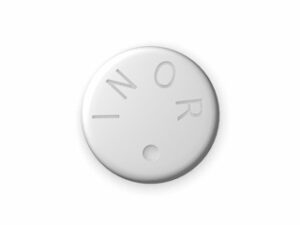
Duphaston (Dydrogesterone) – Patient-Friendly Guide (UK)
Duphaston contains dydrogesterone, a type of hormone medicine (a progestogen). It is used to support the menstrual cycle and to protect the lining of the womb (endometrium) in specific situations. This guide explains what Duphaston is, how it works, how it’s taken, common uses, and important safety information for people in the United Kingdom.
Note: Everyone’s needs are different. Always follow the instructions provided by your healthcare professional and the label/pack information.
Quick product information
| Item | Details |
|---|---|
| Medicine name | Duphaston |
| Active ingredient | Dydrogesterone (a progestogen) |
| What it is | Hormone therapy used to replace or supplement progesterone effects |
| Common reasons for use | Support for certain menstrual/uterine conditions, endometrial protection during oestrogen therapy, and other gynaecological indications |
| How it is taken | Oral tablets, usually in scheduled doses over days of the cycle or continuously (depending on indication) |
| UK availability | Licensed medicine available via UK pharmacies (availability may vary by strength and supply) |
What is Duphaston?
Duphaston is an oral medicine containing dydrogesterone. It is designed to mimic the effects of the body’s own progesterone. Progesterone plays a key role in regulating the menstrual cycle and preparing the womb lining.
Duphaston is commonly used in gynaecology for conditions where progesterone support is needed, or where the womb lining must be protected during oestrogen treatment.
How Duphaston works (mechanism of action)
Dydrogesterone is a progestogen. Its main actions include:
- Transforming and stabilising the endometrium (the lining of the womb), helping to prevent unhealthy overgrowth.
- Supporting regular menstrual bleeding patterns in conditions where progesterone is lacking or not acting as expected.
- Counterbalancing oestrogen effects if you are taking oestrogen therapy (for example, during menopausal hormone therapy), thereby reducing the risk of endometrial hyperplasia.
- Reducing inappropriate uterine responses associated with hormonal imbalance in certain indications.
Pharmacokinetics (how your body handles it)
Pharmacokinetics describes how the body absorbs, processes, and eliminates a medicine. Key points for dydrogesterone include:
- Absorption: Dydrogesterone is absorbed after oral administration.
- Metabolism: It is extensively metabolised (broken down) in the body, mainly into the major active metabolite called 20α-dihydrodydrogesterone.
- Elimination: The metabolites are mainly excreted via the urine.
- Duration of effect: Because it is converted to an active metabolite, its biological activity can last beyond the time of peak levels.
If you have kidney or liver concerns, or you are taking multiple medicines, it’s important to discuss this with a pharmacist or clinician.
Typical uses in the UK (indications)
Indications may vary by individual circumstances and by the licensed product information. Common reasons a healthcare professional may use Duphaston include:
- Endometriosis (helping manage symptoms related to endometrial tissue outside the womb).
- Prevention of endometrial hyperplasia in people receiving oestrogen therapy (womb protection when oestrogen is used alone).
- Abnormal uterine bleeding associated with hormonal imbalance.
- Secondary amenorrhoea (absence of periods) when due to insufficient progesterone effect and after ruling out other causes.
- Dysmenorrhoea (painful periods) associated with progesterone-responsive conditions.
- Threatened miscarriage / luteal support in specific clinical contexts where progesterone support is considered (guidance and practice may depend on the individual case).
- Recurrent miscarriage in selected circumstances where progesterone support is considered by a clinician.
- Menstrual cycle support when progesterone is needed as part of a planned regimen.
Your prescribed schedule depends on the indication, your cycle pattern, and your personal medical history.
When to take Duphaston (timing and how to use it)
Duphaston is taken by mouth. The timing and duration vary depending on the condition being treated. Many regimens are linked to the days of the menstrual cycle.
General practical guidance
- Follow your regimen exactly: take tablets on the scheduled days and at the recommended times.
- Choose a consistent time: if you take it once daily, taking it at the same time each day helps you remember.
- Swallow whole with water: do not crush unless your packaging specifically instructs otherwise.
- Missed dose: if you miss a dose, take it when you remember unless it is close to the next scheduled dose. Do not double up to make up for a missed tablet. (If unsure, ask your pharmacist for advice.)
Example timing patterns (illustrative)
Many people take Duphaston in one of these patterns:
- Cycle-based: e.g., once or twice daily during certain days each month.
- Continuous: daily for a defined period, sometimes alongside other hormone therapy.
- Sequential with oestrogen: when oestrogen is used, Duphaston may be taken during specific parts of the cycle to protect the womb lining.
Always use the exact schedule provided for your situation.
Food interactions
In general, dydrogesterone can be taken with or without food. Food is not usually expected to significantly reduce effectiveness. However, your experience may be affected by gastrointestinal sensitivity.
- If food upsets your stomach, you might try taking it with a light meal.
- If you find it makes you feel sleepy, consider taking it in the evening (only if consistent with your prescribed regimen).
If you are unsure, consult a pharmacist—especially if you’re managing nausea, reflux, or other digestive symptoms.
Alcohol and medicine interactions
Alcohol may affect your overall wellbeing and can worsen symptoms such as dizziness, fatigue, or nausea. There is no single universal rule that alcohol completely “cancels out” dydrogesterone. However, to be safe:
- Moderate alcohol intake is generally preferable.
- Avoid heavy drinking if you are experiencing side effects.
- If you take other medicines alongside Duphaston, check each medicine’s advice on alcohol with a pharmacist.
If you have liver disease or experience jaundice, always seek medical advice before drinking alcohol while taking hormonal medicines.
Other medicine interactions (general considerations)
Dydrogesterone is metabolised by body processes in the liver. Some medicines can change the activity of these pathways, potentially altering levels of hormones. Tell your pharmacist or clinician about all medicines you use, including:
- other hormone therapies (oestrogen, progestogens)
- antiepileptics
- rifamycin antibiotics (e.g., rifampicin)
- HIV antivirals
- St John’s wort (an herbal supplement)
- any new prescriptions started or stopped recently
Do not start, stop, or switch medicines without advice—especially if you are using Duphaston for endometrial protection or cycle control.
Dosing: what to expect
Dosing depends on the condition being treated and your individual situation. Duphaston is typically used in regimens that may involve:
- Once or twice daily schedules
- Specific days of the month (cycle-dependent dosing)
- Defined durations (for example, several months), depending on the clinical goal
Your exact dose and days to take it should be written clearly on your packaging or prescription label. If you are unsure how your regimen works, a pharmacist can explain it in plain language.
How long should it take to work?
- Bleeding-related symptoms: changes may be noticed within the first cycle or after the first course begins.
- Endometriosis or longer-term conditions: it may take several weeks to see meaningful symptom improvement.
- Womb protection during oestrogen therapy: the protective effect depends on taking the regimen as directed.
Safety profile and possible side effects
Like all medicines, Duphaston can cause side effects. Not everyone will experience them. Report any persistent or worrying symptoms to a healthcare professional.
Common side effects
- Headache
- Nausea
- Mild breast tenderness
- Abdominal discomfort or bloating
- Changes in bleeding pattern (for example, spotting) especially when starting or adjusting treatment
- Fatigue or sleepiness in some people
Uncommon but important warnings
Seek urgent medical advice if you develop symptoms that could indicate a serious reaction or complication, such as:
- Signs of an allergic reaction (swelling of face/lips, rash, difficulty breathing)
- Severe or persistent headaches, vision changes, or weakness on one side
- Chest pain, shortness of breath, coughing blood
- Severe leg pain or swelling (particularly one-sided)
- Yellowing of the skin or eyes (jaundice)
- Very heavy bleeding or bleeding with dizziness/fainting
- Severe abdominal pain
Who should exercise extra caution?
Inform your pharmacist or clinician if you have (or have had):
- liver problems
- a history of blood clots
- unexplained vaginal bleeding
- severe migraine or certain neurological symptoms
- conditions where hormone medicines may require closer review
Practical use tips for everyday life
- Set a reminder: Use a phone alarm or calendar event for the days/times you must take Duphaston.
- Track your cycle: If your regimen is cycle-based, note day 1 of bleeding and mark your tablets days.
- Keep a symptom log: especially for endometriosis or abnormal bleeding (pain levels, spotting, cycle changes).
- Use one source of truth: store your schedule in one place and avoid mixing instructions from different conversations.
- Don’t stop suddenly without advice: changing hormone therapy can affect bleeding patterns and symptom control.
- Ask about missed doses: if you’ve missed more than one tablet, speak to a pharmacist rather than guessing.
Alternative options (what else might be considered)
Depending on your diagnosis and personal circumstances, a healthcare professional may consider alternatives. These can include:
- Other progestogens (different progesterone-like medicines with varied dosing schedules)
- Natural progesterone preparations in certain clinical situations
- Non-hormonal management for symptom relief (e.g., pain control strategies for some conditions)
- For endometriosis: additional treatments may be considered alongside or instead of progestogen therapy
- For abnormal uterine bleeding: different approaches may include tranexamic acid, NSAIDs, or hormonal combinations depending on cause
Your suitability depends on the underlying condition, your medical history, and any other medicines you take. If you want to explore options, discuss them with a pharmacist or clinician.
Market and legal context in the United Kingdom
In the UK, medicines are authorised and regulated through the Medicines and Healthcare products Regulatory Agency (MHRA). Guidance for safe use is provided through the authorised product information, including patient information leaflets.
Hormone medicines such as dydrogesterone are subject to UK pharmaceutical regulations regarding supply, labelling, and safe dispensing. Pharmacies must follow professional standards for patient counselling and supply practices.
If you are buying medicines online, ensure the website is legitimate, the product is the correct strength/formulation, and you can access clear information about delivery, returns, and customer support.
Recent guidance and clinical practice (UK context)
Clinical recommendations can evolve as evidence is updated. In the UK, clinicians may align practice with guidance issued by professional bodies and evidence from major trials and systematic reviews.
For progesterone-related support in early pregnancy and recurrent miscarriage contexts, practice may vary depending on the patient’s specific scenario and the latest interpretation of evidence. For endometriosis, abnormal uterine bleeding, and endometrial protection during oestrogen therapy, treatment plans typically follow condition-specific protocols and patient-centred risk assessment.
If you’re using Duphaston as part of a treatment plan for a sensitive or time-critical condition, ask your healthcare team about how long treatment should continue and what symptoms would require review.
Delivery and availability (UK)
Duphaston may be available from UK pharmacies depending on stock levels and the required strength. Typical availability factors include current supply chains, the pharmacy’s inventory, and ordering times.
- Ordering: place orders using the correct strength and pack size shown on your instructions.
- Dispatch: many online pharmacies dispatch orders within working days (delivery times vary).
- Cold-chain: Duphaston tablets generally do not require refrigeration.
- Delivery: you will usually receive tracking or delivery updates where available.
If you need Duphaston urgently (for example, to avoid missing a planned cycle day), contact customer support to confirm dispatch and delivery options.
Storing Duphaston
- Store at room temperature unless your packaging says otherwise.
- Keep out of the sight and reach of children.
- Protect from excess moisture and heat.
- Check the expiry date on the pack and do not use after expiry.
FAQ
1) What is Duphaston used for?
Duphaston (dydrogesterone) is a progestogen used for various gynaecological conditions. Common uses include supporting menstrual function, protecting the womb lining during oestrogen therapy, and managing symptoms associated with progesterone-responsive conditions.
2) How should I take Duphaston?
Take Duphaston by mouth at the dose and on the days/times instructed for your condition. If your regimen is linked to your menstrual cycle, take it during the specified cycle days. If you take it more than once daily, space doses evenly if possible.
3) Can I take Duphaston with food?
In most cases, you can take it with or without food. If it upsets your stomach, taking it with a light meal may help.
4) What should I do if I miss a dose?
Take it when you remember unless it is close to the next dose. Do not double up. If you miss multiple doses or are unsure, contact a pharmacist for advice.
5) Are there alcohol interactions?
Alcohol doesn’t have a single universal interaction rule with dydrogesterone, but alcohol can worsen side effects such as nausea or dizziness. Keep alcohol moderate, and seek advice if you have liver problems or experience side effects.
6) What side effects are possible?
Possible side effects include headache, nausea, breast tenderness, abdominal discomfort, fatigue, and sometimes changes in bleeding pattern. Seek urgent help if you have symptoms of a serious reaction or complications (such as severe pain, breathing difficulty, chest pain, or jaundice).
7) Can I take other medicines while using Duphaston?
Many medicines can be taken alongside Duphaston, but some may affect how hormones are processed in the body. Tell your pharmacist about all medicines and supplements you take, including herbal products like St John’s wort.
8) When will my symptoms improve?
Some effects (especially bleeding pattern changes) may be noticeable within the first cycle. Conditions like endometriosis can take longer, often several weeks or more for improvement.
9) Is Duphaston safe for everyone?
Not everyone should use hormone medicines without careful assessment. If you have liver disease, a history of blood clots, unexplained bleeding, or severe migraines, you need additional caution and guidance from a clinician/pharmacist.
10) Can Duphaston be stopped once I feel better?
Usually not without advice. Duphaston is often taken in planned regimens to achieve a specific hormonal effect or to protect the womb lining. Stopping early may affect bleeding patterns or treatment outcomes.
When to seek medical help
Contact a healthcare professional promptly if you experience severe or unusual symptoms, including heavy bleeding, severe abdominal pain, signs of allergy, symptoms suggestive of a clot, or yellowing of the skin/eyes.
For general questions about how to take Duphaston, timing, missed doses, or potential interactions with your other medicines, a pharmacist is often the quickest point of contact.
Disclaimer: This page is for general information only and does not replace personalised medical advice. Always refer to the patient information leaflet supplied with your medicine for the most accurate safety information.