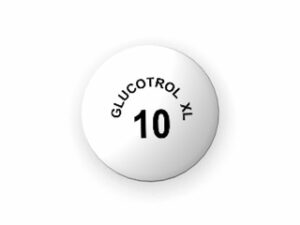
Glipizide (for Type 2 Diabetes) – Patient-Friendly Guide
Glipizide is a medicine used to help control blood sugar (glucose) in people with type 2 diabetes. It belongs to the group of medicines called sulfonylureas. This guide explains what glipizide does, how it works, when and how to take it, key food and medicine interactions, and practical safety information relevant to the United Kingdom.
This page is for information only. If you have concerns about your treatment, speak to a healthcare professional.
Basic product information
- Medicine name: Glipizide
- Medicinal group: Sulfonylurea
- Primary use: Lowering blood glucose in type 2 diabetes
- How it works: Stimulates the pancreas to release insulin (in people who still produce insulin)
- Available forms: Oral tablets (strength and brand names vary by supplier)
What glipizide is used for (indications)
Glipizide is indicated for the management of type 2 diabetes mellitus when blood sugar control is not achieved with lifestyle measures alone (diet, weight management, and physical activity). It may be used:
- As monotherapy (alone) in selected individuals.
- In combination with other glucose-lowering medicines when appropriate.
How glipizide works (mechanism of action)
Glipizide works by affecting the body’s insulin release:
- It binds to sulfonylurea receptors on pancreatic beta cells.
- This triggers closure of ATP-sensitive potassium channels, leading to cell depolarisation.
- As a result, insulin is released from the pancreas.
- The released insulin helps lower blood glucose, particularly after meals.
Because glipizide relies on the pancreas being able to produce insulin, it may be less effective in people with severely reduced insulin production.
Pharmacokinetics (how the body handles glipizide)
Pharmacokinetics explains what happens to a medicine after you take it. For glipizide, typical patterns are:
| Aspect | General information (patient-relevant) |
|---|---|
| Absorption | Usually absorbed from the gastrointestinal tract after oral dosing; taking it before meals can support reliable glucose control. |
| Onset | Blood sugar-lowering effect generally begins within hours; timing around meals is important. |
| Peak effect | There is typically a period of stronger glucose-lowering after dosing; your prescriber’s schedule aims to match meal times. |
| Metabolism | Metabolised in the liver to inactive metabolites; severity of liver impairment can affect medicine handling. |
| Elimination | Metabolites are eliminated mainly via the kidneys (and to some extent via bile/faeces depending on metabolism). |
| Half-life | The active effect period is shorter than some other sulfonylureas; dosing is usually spaced to match meals. |
Typical use and timing
Glipizide is taken to help control post-meal and overall daily blood glucose. Timing is important because the medicine can cause low blood sugar (hypoglycaemia), especially if a meal is delayed or missed.
When to take it
- Generally take glipizide before meals (commonly 30 minutes before breakfast and/or before the evening meal), unless your healthcare team gave you different instructions.
- If you take it once daily, it is often taken before breakfast or before the largest meal, depending on your routine and blood sugar pattern.
- If you take it twice daily, doses are usually taken before breakfast and before evening meal.
What if you miss a dose?
- If you miss a dose, do not take a double dose to make up for it.
- Follow your prescribed schedule or contact your healthcare professional for personalised advice.
- Consider checking your blood glucose more frequently that day.
Food interactions and dietary considerations
Glipizide works most safely when meal timing and carbohydrate intake are consistent. Food does not “cancel” the medicine, but it can strongly influence whether you experience low blood sugar.
Taking with food
- Taking glipizide before meals helps align insulin release with food intake.
- If you regularly skip meals or have irregular eating times, the risk of hypoglycaemia may be higher.
Alcohol and appetite effects
Alcohol can reduce blood sugar and can also affect your ability to notice early symptoms of hypoglycaemia. See the “Alcohol and medicine interactions” section below for practical guidance.
Alcohol and medicine interactions
Alcohol
Drinking alcohol while taking glipizide may increase the risk of hypoglycaemia. Alcohol can also irritate the stomach and affect adherence to meals.
- Be cautious: avoid binge drinking.
- Do not drink on an empty stomach.
- If you drink alcohol, consider measuring your blood glucose more often and ensure you eat.
Other medicines that may affect blood sugar control
Several medicines can influence how strongly glipizide affects blood glucose, potentially raising or lowering it. This is especially important if you are starting, stopping, or changing doses of another medicine.
Examples to discuss with your pharmacist or prescriber include:
- Medicines that may increase hypoglycaemia risk (lower blood sugar): some antibiotics (certain agents), anti-fungal medicines, and other glucose-lowering medicines.
- Medicines that may reduce the effect of glipizide (raise blood sugar): corticosteroids (e.g., prednisolone), some hormonal treatments, and certain diuretics.
- Medicines affecting the liver or kidney may change glipizide metabolism/excretion, altering glucose levels.
Because interaction risk can depend on your exact medicine list and health conditions, it’s best to provide your pharmacist with a full list of medicines, including over-the-counter products and herbal remedies.
Dosing (how much and how often)
The exact dose of glipizide should be individualised based on your blood glucose readings, response to therapy, and other factors such as age and kidney/liver function.
Starting dose and titration
- Treatment commonly begins with a low dose to reduce the risk of hypoglycaemia.
- The dose may then be adjusted gradually at intervals, guided by your blood sugar results.
- If you are older or at higher risk of low blood sugar, dose increases may be slower and more cautious.
Important: Always use the dose stated on your medicine label and follow the schedule set by your healthcare team. If you are unsure, check with your pharmacist.
Practical dose timing tips
- Try to take doses at the same times daily.
- If you change meal times (e.g., shift work), ask your healthcare team how to adjust your schedule safely.
- If you plan unusual activity (long exercise, travel), it may affect your glucose—monitoring is useful.
Safety profile and side effects
Most important risk: hypoglycaemia
Like other sulfonylureas, glipizide can cause hypoglycaemia. Risk is higher when:
- Meals are missed or delayed.
- Dose is too high for your needs.
- There is increased exercise without adjusting food or medicine.
- You drink alcohol.
- You have kidney or liver problems (often requiring dose caution).
- You take other medicines that lower blood sugar.
Symptoms of low blood sugar may include:
- Shaking, sweating, feeling nervous or anxious
- Hunger, nausea
- Fast heartbeat
- Headache, dizziness
- Confusion, irritability, difficulty concentrating
- In severe cases, loss of consciousness or seizures
What to do if you get hypoglycaemia
- If you feel symptoms coming on, check your blood glucose if possible.
- Take fast-acting sugar (e.g., glucose tablets or sugary drink), according to your local guidance.
- Recheck your blood sugar if possible and eat a snack or meal if your next meal is not soon.
- If you cannot swallow, are very drowsy, or symptoms are severe, seek urgent medical help immediately.
Other possible side effects
Not everyone experiences side effects. Common or notable effects may include:
- Weight gain (as with many insulin-releasing medicines)
- Gastrointestinal upset (nausea, indigestion) in some people
- Skin reactions (uncommon)
- Liver enzyme changes (uncommon; requires medical review if you notice symptoms)
Seek medical advice promptly if you notice signs of severe allergic reaction (such as swelling of the face/lips, breathing difficulties) or persistent symptoms that worry you.
Practical use tips (to get the best results safely)
- Monitor your blood glucose as advised, especially when starting or changing dose.
- Keep to regular meal timing. If you plan to eat later than usual, consider how that affects your medicine schedule.
- Carry fast sugar (e.g., glucose tablets) and be aware of the symptoms of hypoglycaemia.
- If you drive or operate machinery, ensure you are not at risk of low blood sugar beforehand.
- Tell your healthcare team about any history of frequent hypos or reduced awareness of warning symptoms.
- Stay consistent with diet and activity. Sudden changes can affect glucose control.
Missed meals, exercise, and illness (“sick day” considerations)
Missed meal
Because glipizide can lower blood sugar, missing a meal may increase the risk of hypoglycaemia. If you often skip meals, discuss safer options with your healthcare professional.
Exercise
- Exercise can lower blood glucose. If you plan longer or more intense activity, it may require extra carbohydrate intake or monitoring.
- Check your blood sugar before, during (if needed), and after exercise if you are at higher risk of hypos.
During illness
When you are unwell, blood sugar can become unpredictable. If you are vomiting, unable to eat, or dehydrated, you may be at risk of hypoglycaemia or other complications. Follow your personalised “sick day” plan and seek medical advice if needed.
Alternative options (other treatments for type 2 diabetes)
There are several classes of medicines for type 2 diabetes. Which option is best depends on your health profile, kidney function, weight goals, cardiovascular risk, and risk of low blood sugar.
Common alternatives to discuss
- Metformin (often first-line in many cases)
- Other oral medicines such as DPP-4 inhibitors, SGLT2 inhibitors, and thiazolidinediones (depending on suitability)
- GLP-1 receptor agonists (injectable options)
- Insulin (if needed for adequate control)
- Other sulfonylureas (if a sulfonylurea is appropriate for you)
If you are experiencing frequent hypos or inadequate glucose control, speak to your healthcare team. They can review your targets, dosing, and possible changes in treatment.
Market and legal context in the United Kingdom
In the UK, diabetes medicines are regulated and supplied through established medicines frameworks. Glucose-lowering medicines are widely used, and their selection is guided by clinical best practice and patient safety.
- Medicines regulation: Products are authorised and monitored through the UK medicines regulatory system.
- Clinical guidance: UK diabetes care typically follows recognised standards such as those produced by the National Institute for Health and Care Excellence (NICE) and endorsed professional recommendations.
- Safety and monitoring: Diabetes treatments are selected with attention to hypoglycaemia risk, comorbidities, and the individual’s ability to monitor and manage meals and lifestyle.
Recent guidance and treatment trends (UK context)
Diabetes care in the UK has increasingly emphasised:
- Personalised therapy based on overall risk and individual factors.
- Reducing hypoglycaemia risk where possible.
- Using medicines with proven benefits in certain groups (for example, some agents with cardiovascular or kidney benefits in appropriate patients).
- Ongoing review to keep treatment aligned with current targets and patient preferences.
Sulfonylureas such as glipizide remain a treatment option for some people, especially when cost, availability, or individual response makes them suitable. However, many guidelines encourage careful consideration of hypoglycaemia risk and monitoring needs.
Delivery and availability (online pharmacy information)
Availability of glipizide may vary by brand, tablet strength, and current stock levels. When ordering from an online pharmacy in the UK:
- You may be able to choose from available pack sizes and tablet strengths (depending on what is currently in stock).
- Delivery services typically work across mainland UK and may include tracked delivery options.
- Delivery times can vary depending on order cut-off times, stock status, and location.
If you need the medicine urgently (for example, to avoid missed doses), contact the pharmacy before placing the order where possible.
Storage and handling
- Store tablets at room temperature, away from excessive heat and moisture.
- Keep the medicine in its original packaging.
- Keep out of the sight and reach of children.
- Check the expiry date and do not use after the expiry date.
Frequently asked questions (FAQ)
1) When should I take glipizide?
It is commonly taken before meals so the blood sugar-lowering effect matches the time you eat. Your prescriber’s schedule on the label is the best guide for your routine.
2) What happens if I eat late or skip a meal?
Skipping or delaying meals can increase the risk of hypoglycaemia. If your meal timing changes, talk to your healthcare professional about how to handle your glipizide dosing safely.
3) Can I drink alcohol while taking glipizide?
Alcohol may increase the risk of low blood sugar. If you choose to drink, avoid binge drinking and do not drink on an empty stomach. Monitor your blood glucose if possible and eat as planned.
4) What are the signs of low blood sugar?
Symptoms can include sweating, shakiness, hunger, fast heartbeat, dizziness, confusion, and irritability. Severe hypoglycaemia can cause loss of consciousness. If severe, seek urgent help.
5) Are there medicines I should avoid?
Many medicines can interact with glipizide by affecting blood sugar levels. Always provide your full medicine list to your pharmacist, including over-the-counter products and herbal remedies, before starting new treatments.
6) Can glipizide cause weight gain?
Yes, weight gain can occur. This may relate to increased insulin levels. If weight changes worry you, discuss options with your healthcare team.
7) Is glipizide suitable for everyone with type 2 diabetes?
Glipizide may be appropriate for some people, particularly when the pancreas still produces enough insulin. Suitability depends on your kidney and liver function, age, risk of hypoglycaemia, and overall treatment goals.
8) How long does it take to work?
It begins lowering blood glucose within hours after a dose, but the full benefit and optimal dose are typically assessed over days to weeks using blood glucose readings and/or HbA1c measurements as planned by your healthcare team.
9) What if I have frequent hypos?
Frequent hypoglycaemia is a reason to contact your healthcare professional. Do not adjust doses without advice. Your treatment plan may need review, including meal consistency and possibly changing the medicine.
10) What should I do if I miss a tablet?
Do not take a double dose. If you miss a dose, follow the schedule advised by your healthcare team or seek advice from your pharmacist. Monitor blood glucose if you can.
Important patient reminders
- Keep track of your blood sugar results as advised.
- Be alert to hypoglycaemia, particularly when meals are delayed or when alcohol is involved.
- Inform your healthcare team about any new medicines or health changes.
- If you experience severe symptoms or cannot treat suspected hypoglycaemia, seek urgent medical care.
If you would like, you can also ask your pharmacist for advice on managing food timing, recognising early warning signs, and ensuring you have a suitable plan for treating low blood sugar.