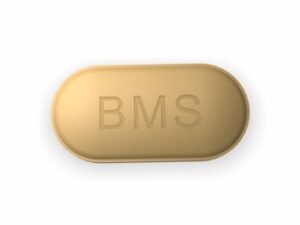
Glucotrol (Glipizide) — Patient Information (UK)
Glucotrol contains glipizide, a medicine used to treat type 2 diabetes. It helps lower blood sugar levels by improving how your body releases insulin. This page is designed to explain what the medicine does, how it’s used, and important safety and interaction information for people in the United Kingdom.
Important: Always follow the directions you receive from your healthcare professional. If you are unsure about your dose or how to take Glucotrol, speak to a clinician or pharmacist.
Basic product information
- Medicine name: Glucotrol
- Active ingredient: Glipizide
- Therapeutic group: Sulfonylurea (oral glucose-lowering medicine)
- Used for: Type 2 diabetes in adults
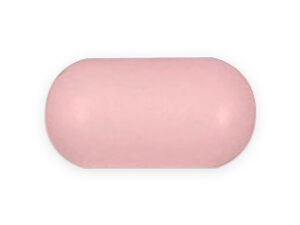
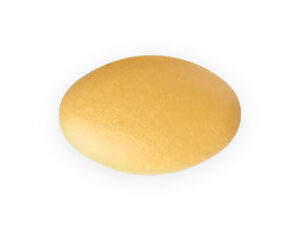
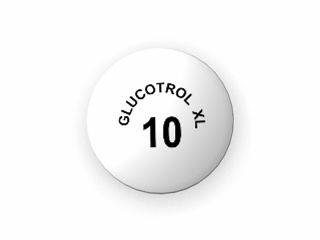
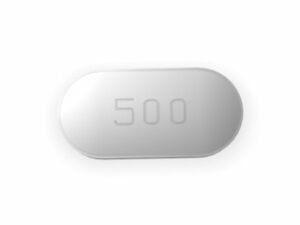
- Common dosing forms: Tablets (including immediate-release formulations; some regions may also have extended-release—confirm your specific product)
In the UK, glipizide is one of the sulfonylureas used to manage blood glucose when diet, exercise, and/or other medicines are not sufficient.
How Glucotrol works (mechanism of action)
Glipizide belongs to the sulfonylurea class. It works mainly by stimulating the pancreas to release insulin. More specifically, glipizide:
- Closes ATP-sensitive potassium channels in pancreatic beta cells.
- Triggers insulin release from beta cells when blood sugar is elevated.
- Helps reduce blood glucose, particularly after meals and overall daily blood sugar levels.
Because it increases insulin release, glipizide can sometimes cause low blood sugar (hypoglycaemia), especially if meals are missed or doses are too high.
Pharmacokinetics (how the body handles it)
Pharmacokinetics describes absorption, distribution, metabolism, and elimination. While exact values can vary by formulation and individual factors, the key practical points are:
- Absorption: Glipizide is absorbed from the gastrointestinal tract after oral use.
- Onset: Blood glucose-lowering effects typically begin within a few hours of dosing.
- Duration: The effect lasts long enough to cover typical meal times, but dosing frequency depends on your specific tablet type.
- Metabolism: It is primarily metabolised in the liver.
- Elimination: Metabolites are excreted mainly via the kidneys.
Why this matters: Liver or kidney problems may increase the risk of side effects, including hypoglycaemia. Your prescriber may adjust the dose or choose a different treatment.
Typical uses in the UK
Glucotrol (glipizide) is used to improve blood sugar control in adults with type 2 diabetes mellitus. It may be used:
- As monotherapy when lifestyle measures and/or other treatments are not enough
- In combination with other glucose-lowering medicines, depending on your individual situation
Your overall treatment plan may also include diet changes, regular physical activity, weight management if appropriate, and monitoring of blood glucose or HbA1c.
Indications (when Glucotrol is considered)
In line with UK diabetes care approaches, sulfonylureas like glipizide are considered for type 2 diabetes when additional glucose lowering is needed. Your clinician may consider factors such as:
- Your current blood glucose and HbA1c
- Hypoglycaemia risk
- Lifestyle and ability to eat regular meals
- Kidney and liver function
- Other medicines you take
Glipizide is not used for type 1 diabetes and is not intended for diabetic ketoacidosis.
Timing and how to take Glucotrol
The most important practical guidance is to coordinate your dose with meals. Sulfonylureas can cause hypoglycaemia if you skip food.
When to take
- Usually with food: Many people take glipizide before meals or with meals as advised.
- Try to keep doses at the same times each day to support consistent glucose control.
Meal pattern and missed meals
If you miss a meal, your risk of low blood sugar increases. If you miss a dose, take it only if your healthcare professional has told you how. As general safety:
- Do not take extra to “catch up”.
- If you often miss meals, discuss options with your pharmacist or GP—there may be a safer alternative.
Food interactions
Food can strongly influence how safe and effective glipizide is. Key points:
- Take with food: Taking glipizide with or shortly before meals helps reduce hypoglycaemia risk.
- Regular carbohydrate intake: Large changes in meal size or carbohydrate content may affect blood glucose levels.
- Unplanned exercise: Physical activity without adjusting meals can lower blood glucose.
If you’re planning fasting (for religious or medical reasons), please speak with your diabetes team in advance so they can advise on dose and monitoring.
Alcohol and medicine interactions
Alcohol
Alcohol can affect blood sugar regulation. For people taking sulfonylureas, alcohol may increase the risk of hypoglycaemia, particularly if you drink without food or drink heavily.
- Best approach: Limit alcohol and avoid binge drinking.
- Do not drink on an empty stomach.
- Be aware: Alcohol may mask warning signs of low blood sugar (e.g., shakiness or sweating).
Medicine interactions (common and important)
Many medicines can change the effect of glipizide or the risk of hypoglycaemia. Always tell your pharmacist about all medicines and supplements you use.
Examples of interactions that may be relevant (not exhaustive):
- Other glucose-lowering medicines (e.g., insulin, other antidiabetic drugs): can raise hypoglycaemia risk.
- Blood pressure and heart medicines (some beta-blockers): may blunt warning symptoms of low blood sugar.
- Antibiotics: some may affect blood glucose control or metabolism indirectly.
- Antifungals (azoles) and other drugs that influence liver enzymes: may alter glipizide levels.
- Certain painkillers and anti-inflammatories: interaction potential varies; check with a pharmacist if you start a new medicine.
- Warfarin (anticoagulant): some sulfonylureas can affect bleeding risk through interaction—monitoring may be needed.
- St. John’s wort and other herbal products: may change the metabolism of medicines and reduce effectiveness.
If you start, stop, or change dose of another medicine, ask a pharmacist whether it affects glipizide.
Dosing: typical approaches
Your exact dose depends on factors like your HbA1c, current blood sugar, age, and kidney/liver function, as well as whether you are taking other glucose-lowering medicines. Only use the dose your clinician has recommended.
General principles
- Start low, go slow: Many people begin with a low dose to reduce hypoglycaemia risk.
- Titrate based on response: Dose may be adjusted according to blood glucose readings.
- Use the same timing daily: This supports steady control and safety.
How doses are commonly adjusted
- Increases are often considered after a period to assess effect (commonly over days to weeks).
- If you experience low blood sugar, the dose may need to be reduced or the schedule changed.
Safety note: Hypoglycaemia risk increases with higher doses. If you have repeated low blood sugar episodes, do not increase your dose—contact a healthcare professional for advice.
Safety profile
Like all medicines, glipizide can cause side effects. Most are manageable, but some require prompt action.
Most important side effect: hypoglycaemia
Hypoglycaemia can feel like:
- Shaking, sweating, feeling nervous
- Hunger, nausea
- Dizziness, headache
- Fast heartbeat, weakness
- Confusion, drowsiness, difficulty concentrating
What to do: Take fast-acting sugar (such as glucose tablets, sugary drink, or sweets) if you feel symptoms coming on. After recovery, follow with a snack or meal if your next meal is not soon.
If you are with someone, educate them about recognising symptoms and responding.
Other possible side effects
- Gastrointestinal effects: nausea, stomach upset
- Weight change: some people gain weight with sulfonylureas
- Skin reactions: rash or itching (uncommon)
- Blood count changes: rare (requires medical review if symptoms like unusual bruising or infections occur)
- Liver effects: rare; seek advice if you notice yellowing of skin/eyes or dark urine
When to seek urgent help
Get urgent medical help if:
- You have severe hypoglycaemia (e.g., unable to swallow, seizure, loss of consciousness)
- You develop signs of serious allergic reaction: swelling of face/lips, breathing difficulty
- You develop severe or persistent side effects that worry you
Practical use tips (for day-to-day success)
- Keep a consistent meal schedule. Avoid skipping meals after taking a sulfonylurea.
- Monitor your blood glucose as advised. This helps guide dose adjustments and identifies trends.
- Know your hypoglycaemia plan. Keep fast-acting sugar accessible and consider carrying diabetes identification.
- Tell people you live with. If you experience low blood sugar, they should know how to help.
- Review your medicines regularly. When you start new prescriptions, ask about interaction risk.
- Stay hydrated. Illness and dehydration can worsen diabetes control and increase risk of glucose fluctuations.
During illness (e.g., infection with reduced appetite), your dose requirements may change. Ask a clinician about “sick day” guidance.
Alternative options
Several medicine classes can treat type 2 diabetes. Choice depends on your HbA1c goals, other health conditions, weight considerations, kidney function, and risk of hypoglycaemia. If glipizide isn’t suitable or isn’t controlling your glucose adequately, your healthcare professional may consider:
Common alternatives (examples)
- Metformin (often first-line for many people)
- DPP-4 inhibitors (lower hypoglycaemia risk for many patients)
- SGLT2 inhibitors (considered in certain cardiovascular/renal profiles)
- GLP-1 receptor agonists (often beneficial for weight and glycaemic control)
- Other sulfonylureas (choice depends on safety and dosing practicality)
- Insulin (if needed for adequate control)
Your prescriber may also recommend non-medicine measures such as diabetes education, tailored nutrition, activity plans, and weight management.
UK market and legal context (overview)
In the United Kingdom, medicines are regulated and made available through licensed channels. Diabetes medicines such as glipizide may be supplied according to the product licence and local prescribing/dispensing arrangements.
Online pharmacies operating in the UK must follow applicable requirements for distribution, product quality, customer information, and safe supply. If you are ordering medicines online, confirm that the pharmacy is appropriately registered and that the product packaging and labelling are consistent with the UK supply chain.
Recent guidance and care considerations (UK)
UK diabetes care typically emphasises individualised targets and choosing therapies that balance glucose control with safety and comorbidities. While specific recommendations may evolve, current themes in UK practice commonly include:
- Minimising hypoglycaemia risk when possible
- Considering kidney and cardiovascular health when choosing treatment options
- Supporting patient education (self-monitoring, recognising hypoglycaemia, diet and exercise advice)
- Reviewing therapy regularly using HbA1c, blood glucose patterns, and side-effect history
If you are currently using glipizide, keep attending regular reviews and discuss whether your treatment still fits your health goals.
Delivery and availability (UK)
Availability can vary depending on supplier stock, product form, and local distribution routes. If this medicine is offered by an online pharmacy, delivery options and dispatch times will typically depend on:
- Order cut-off times (for next-day or standard delivery)
- Stock availability for the specific strength and pack size
- Destination postcode and service level (tracked delivery is commonly used)
When ordering, check:
- Strength and pack size match your requirements
- Expiry date and batch information are visible on the pack
- Packaging is intact and sealed
If you need this medicine urgently (for example, to avoid missed doses), contact the pharmacy’s customer service before placing the order.
Glucotrol (Glipizide) — quick reference
| Topic | What to know |
|---|---|
| Main use | Type 2 diabetes (to improve blood sugar control) |
| How it works | Stimulates insulin release from the pancreas |
| Key safety risk | Hypoglycaemia (especially if meals are missed) |
| Timing | Often taken with or before meals; follow your dosing schedule |
| Food interaction | Regular meals reduce low blood sugar risk |
| Alcohol | May increase hypoglycaemia risk—avoid drinking without food and limit intake |
| Metabolism | Primarily metabolised in the liver; metabolites excreted mainly via kidneys |
| Common side effects | Low blood sugar, nausea or stomach upset; possible weight gain |
FAQ
1) Is Glucotrol used for type 1 diabetes?
No. Glucotrol (glipizide) is used for type 2 diabetes. It is not intended for type 1 diabetes.
2) How soon will it start working?
Effects can begin within a few hours of a dose, but the full benefit is usually assessed over days to weeks using blood glucose monitoring and HbA1c.
3) What should I do if I miss a dose?
Follow the advice you were given for your specific plan. In general, do not take an extra dose to make up for a missed one. If you’re unsure, contact a pharmacist for guidance.
4) Can I take Glucotrol without food?
It’s generally safer to take sulfonylureas with or before meals, because food helps reduce the risk of hypoglycaemia. If your clinician advised a particular timing, follow that advice.
5) How do I recognise low blood sugar?
Symptoms may include sweating, shaking, hunger, dizziness, headache, confusion, and weakness. If you suspect low blood sugar, check your level if possible and treat with fast-acting sugar.
6) Is hypoglycaemia dangerous?
It can be. Mild episodes can usually be treated quickly. Severe hypoglycaemia (for example, confusion to the point of needing help) requires urgent medical attention. Seek help immediately if symptoms are severe or you cannot swallow.
7) What medicines interact with glipizide?
Interactions vary. Medicines that affect liver metabolism, other diabetes medicines, and some heart medicines can change hypoglycaemia risk or glucose control. Always inform your pharmacist of everything you take, including herbal products and over-the-counter remedies.
8) Can I drink alcohol while taking Glucotrol?
Alcohol may increase the chance of low blood sugar, particularly if you drink without eating. Limit intake and avoid drinking on an empty stomach. If you plan to drink, discuss it with your pharmacist or clinician.
9) What if I have kidney or liver problems?
Your prescriber may adjust the dose or choose a different medicine if kidney or liver function is reduced, because it can increase the risk of side effects such as hypoglycaemia.
10) Are there alternatives if glipizide isn’t suitable?
Yes. Many people can switch to other diabetes treatments such as metformin, DPP-4 inhibitors, SGLT2 inhibitors, GLP-1 receptor agonists, or other options depending on their medical profile. Discuss options with your healthcare professional.
Where to get help
If you have concerns about side effects, interactions, or dosing, speak to your pharmacist or diabetes care team. For urgent symptoms such as severe hypoglycaemia or signs of an allergic reaction, seek immediate medical help.