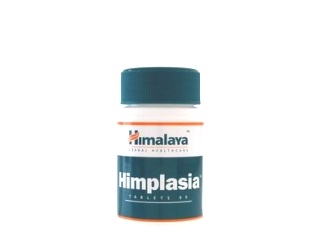
Himplasia (Medicine Information) — UK Patient Guide
Himplasia is a traditional herbal medicine used for the management of urinary discomfort associated with an enlarged prostate (benign prostatic hyperplasia, BPH). It is commonly chosen by men who experience symptoms such as a weak urine stream, difficulty starting to urinate, frequent or urgent urination, or getting up at night to pass urine.
This patient-friendly guide explains how Himplasia works, how it is used, what to expect, potential side effects, and practical tips to help you use it safely. It also covers important interactions (including food and alcohol) and what to do if symptoms do not improve.
Basic product information
| Category | Details (general) |
|---|---|
| Medicinal product | Himplasia (herbal medicinal product) |
| Common use | Urinary symptoms associated with BPH |
| Typical formulation | Oral dosage form (follow your pack label for strength and exact dose) |
| Who may use it | Adults with mild to moderate urinary symptoms related to enlarged prostate |
| How long it may take to help | Often several days to weeks (individual response varies) |
Important: Always check your specific pack for the exact ingredients, strength, and dosing instructions. Herbal products can vary between manufacturers and regions.
How Himplasia works (mechanism of action)
Himplasia contains plant-based ingredients traditionally used to support urinary tract comfort. While herbal medicines often have multiple active constituents, the overall intended effects include:
- Support of urinary flow: Some herbal components may help reduce functional obstruction and improve the sensation of bladder emptying.
- Anti-inflammatory/soothing activity: Plant constituents may help calm irritation within the urinary tract.
- Antispasmodic-type effects: Certain herbal extracts are used traditionally to ease urinary urgency and frequency.
Key point: Himplasia is used to relieve urinary symptoms rather than to provide instant relief like some painkillers. Many people notice gradual improvement as symptoms settle.
Pharmacokinetics (how the body handles it)
Because Himplasia is a herbal medicine, detailed pharmacokinetic studies (absorption, distribution, metabolism, and excretion) may be limited compared with purely synthetic drugs. However, general principles for orally taken herbal products include:
- Absorption: After swallowing, herbal constituents are absorbed from the gastrointestinal tract to varying degrees depending on the extract composition.
- Distribution: Active constituents and metabolites may distribute through body fluids, with effects mainly directed toward the urinary tract.
- Metabolism: Many plant constituents are metabolised by the liver (and sometimes intestinal enzymes) into metabolites with biological activity.
- Excretion: Metabolites and some parent constituents are excreted primarily via the kidneys.
Practical implication: If you have significant kidney disease, severe liver impairment, or you take many interacting medicines, discuss use with a healthcare professional or pharmacist before starting.
Typical use and indications (what it’s for)
In the UK, Himplasia is used to help relieve symptoms associated with an enlarged prostate, medically referred to as benign prostatic hyperplasia (BPH). Typical symptoms include:
- Difficulty starting urination
- Weak urine stream
- Feeling that the bladder does not empty fully
- Frequent urination
- Urgency to urinate
- Getting up at night to urinate (nocturia)
How it fits into care: Herbal medicines like Himplasia are often chosen for mild to moderate symptoms as part of self-care and supportive management. If symptoms are severe or worsening, medical assessment is important to rule out other conditions (such as infection, bladder stones, or prostate cancer).
When to take Himplasia (timing and duration)
Take Himplasia exactly as directed on the product packaging or the instructions provided by your pharmacist or dispenser.
General timing guidance:
- Choose a consistent time each day to support adherence.
- Many people take it with regular daily meals to reduce any stomach discomfort.
- For symptom relief, continue taking it for the full recommended course, even if you do not feel an immediate change.
How long it may take: Some improvement may be noticed after a few days, but for urinary symptom relief it may take several weeks. If you do not notice any benefit after the timeframe recommended on the pack, seek advice.
Dosing (follow your pack—typical patterns)
Always follow the dose stated on the specific Himplasia pack you have. Herbal dosing can differ by formulation and strength.
As a general guide, many oral herbal products are taken:
- Adults: usually multiple doses per day depending on the formulation (e.g., morning and evening), or as specified by the manufacturer.
- Children: not typically used in children unless a specialist advises otherwise.
If you miss a dose:
- Take it when you remember if it is not close to the next dose.
- Do not take a double dose to make up for a missed one.
Food interactions and dietary considerations
Most herbal medicines can be taken with or without food, but food may influence absorption and tolerability.
- Taking with food: Often preferred if you experience nausea or stomach upset.
- High-fat meals: May affect absorption for some herbal constituents; if you notice inconsistent effects, try taking it consistently with either meals or an empty stomach.
- Coffee, tea, and spicy foods: While not direct “interactions” in the way prescription drugs are, they may worsen bladder irritation in some people. If your symptoms fluctuate, consider reducing caffeine and acidic/spicy foods and see if symptoms improve.
Hydration tip: Drink water regularly during the day. Avoid large volumes right before bedtime to reduce nocturia (night-time urination).
Alcohol and medicine interactions
Himplasia is an herbal medicine, and specific alcohol interaction data may be limited. However, as a general safety principle:
- Avoid heavy alcohol intake: Alcohol can irritate the bladder and worsen urinary frequency and urgency.
- Be cautious with sedation: If your Himplasia formulation contains ingredients that may have a calming effect (varies by product), alcohol can increase drowsiness.
- Drug interaction awareness: If you take other medicines—especially for urinary symptoms, blood pressure, heart conditions, or blood thinning—check interactions with a pharmacist before starting.
Seek advice urgently if you develop dizziness, fainting, severe weakness, or allergic-type symptoms after combining medicines with alcohol.
Safety profile and potential side effects
Most people tolerate Himplasia well. As with all medicines, side effects can occur, particularly in those with sensitivities to plant materials.
Common side effects (if they occur)
- Mild gastrointestinal discomfort: nausea, stomach upset, or indigestion
- Headache (uncommon)
- Changes in bowel habits (rare)
Allergic reactions (seek help)
Stop using Himplasia and seek medical advice if you experience signs of allergy, such as:
- Swelling of the face, lips, tongue, or throat
- Breathing difficulties or wheezing
- Rash, hives, or widespread itching
When to stop and get urgent medical care
Urgent assessment is needed if you develop:
- Inability to pass urine (urinary retention)
- Blood in urine
- Fever, chills, or pain in the lower back (possible infection)
- Severe pain when urinating
- Rapidly worsening symptoms
Practical use tips (to get the best results)
- Be consistent: Take Himplasia at the same times each day.
- Give it time: Many urinary symptom improvements are gradual—continue for the recommended duration.
- Track symptoms: Note urine frequency, urgency, nighttime urination, and strength of stream. This helps you judge whether it is working.
- Reduce bladder irritants: Consider limiting caffeine and alcohol, especially later in the day.
- Manage fluids wisely: Stay hydrated, but avoid large fluid intake 1–2 hours before bedtime when nocturia is a problem.
- Consider bowel health: Constipation can worsen urinary symptoms by increasing pelvic pressure—ensure adequate fibre and fluids.
- Warmth and comfort: Some men find warmth (e.g., during colder weather) can ease urinary discomfort.
Do not ignore red flags: If symptoms are severe or progressing, do not rely solely on self-care—seek medical evaluation.
Alternative options in the UK
Depending on your symptoms and medical history, alternatives may include:
- Other herbal medicines: Some products in the UK target BPH symptoms using different plant extracts (always check ingredients and dosing).
- Lifestyle measures: Reducing caffeine and alcohol, timed voiding, managing constipation, and staying active.
- Prescription and non-prescription medical treatments: For persistent or severe BPH symptoms, clinicians may discuss medicines such as alpha-blockers or other BPH therapies, and procedures if needed. (A pharmacist can advise on what to consider for your situation.)
When to choose an alternative: Consider switching or seeking professional advice if you have no improvement after the pack-recommended period, if side effects occur, or if symptoms worsen.
Market and legal context for the United Kingdom
Herbal medicinal products sold in the UK are regulated under the Medicines and Healthcare products Regulatory Agency (MHRA). Depending on their classification, they may be:
- Registered/authorised as herbal medicinal products
- Traditionally used products with specified claims based on longstanding use
In the UK, medicines must provide accurate information on:
- Indications and appropriate patient groups
- Dosage instructions
- Warnings and contraindications
- Potential adverse reactions
- Quality and manufacturing standards
Recent guidance (general): Regulatory and clinical guidance around BPH emphasises appropriate escalation of care when symptoms are severe, persistent, or associated with “red flag” features (such as urinary retention, haematuria, recurrent infections, or systemic illness). Herbal treatments may be used for symptom relief in suitable cases, but people are encouraged to seek medical advice if they experience worsening symptoms or complications.
Delivery and availability (UK online pharmacy)
Himplasia may be available from reputable UK online pharmacies and healthcare retailers. Availability can vary based on stock levels and seasonal demand.
Delivery expectations:
- Dispatch times: Many online pharmacies dispatch orders quickly during business days.
- Delivery methods: Usually via tracked courier services or standard parcel delivery, depending on the retailer and service level you choose.
- Packaging: Medicines are typically supplied in protective packaging to minimise damage during transit.
Storage: Keep Himplasia in the original packaging and store according to the instructions on your pack (commonly at room temperature and away from direct sunlight and moisture). Keep out of the sight and reach of children.
What to check before ordering:
- Confirm the exact product name and formulation (and strength, if applicable).
- Check expiry date and batch information where shown.
- Ensure you can follow the dosing schedule described on the pack.
Frequently Asked Questions (FAQ)
1) What is Himplasia used for?
Himplasia is used to help relieve urinary symptoms associated with an enlarged prostate (benign prostatic hyperplasia), such as weak urine stream, urgency, frequency, and night-time urination.
2) How quickly will I feel better?
Some people notice improvement within days, but urinary symptom relief often takes longer. Many find it takes several weeks to see the full benefit. If there is no improvement after the recommended period on your pack, seek advice from a pharmacist or healthcare professional.
3) How do I take Himplasia?
Take it exactly as directed on the pack label. Choose a consistent time daily. If you get stomach discomfort, consider taking it with food—while keeping timing consistent.
4) Can I take Himplasia with food?
For many herbal medicines, taking with food can improve tolerability. Always follow your specific pack instructions. If the pack allows it, take it with meals if you experience nausea or indigestion.
5) Are there any alcohol interactions?
There are no universal “hard stop” interactions with alcohol for all herbal products, but alcohol can worsen urinary symptoms for many people by irritating the bladder and increasing urine production. Limit or avoid heavy alcohol intake while using Himplasia, and separate concerns (tolerability vs symptom triggers).
6) Can I drive or operate machinery?
Most people taking Himplasia do not experience drowsiness. If you feel unwell, dizzy, or have any unusual symptoms, avoid driving and seek advice.
7) What side effects should I watch for?
Possible side effects include mild stomach upset or gastrointestinal discomfort. Stop using and seek medical advice urgently for signs of allergy (rash, swelling, breathing difficulties) or red-flag urinary symptoms such as inability to urinate, blood in urine, fever, or severe pain.
8) Who should not use Himplasia?
Do not use if you are allergic to any of the ingredients. If you have significant kidney disease, severe liver problems, are taking many medicines, or have complicated urinary symptoms, speak to a pharmacist for tailored advice.
9) What if my symptoms get worse?
Worsening symptoms require prompt review. Seek medical advice if symptoms deteriorate rapidly, if you develop urinary retention, fever, or blood in urine, or if you do not notice improvement after the timeframe recommended on the pack.
10) What are better alternatives if Himplasia doesn’t work?
Alternatives include other approved herbal products, lifestyle adjustments, and (for persistent or severe symptoms) medical treatments discussed with a clinician. A pharmacist can help compare options based on your symptom pattern and current medicines.
Summary
Himplasia is an oral herbal medicine used to support relief of urinary symptoms linked to an enlarged prostate. It is typically taken over time, often with noticeable improvement developing gradually. For best results, take it consistently as directed, manage bladder irritants (including alcohol and caffeine), and monitor symptoms. If you experience red-flag symptoms or worsening urinary problems, seek prompt medical advice.
Always read the patient information leaflet supplied with your product. If you have questions about suitability, interactions, or dosing, consult a pharmacist.