Karela (United Kingdom) – Patient-Friendly Medicine Information
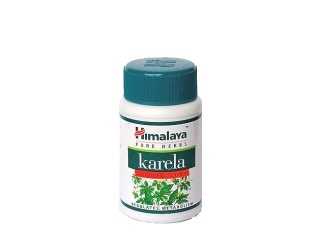
Karela is the name commonly used for a medicine and/or herbal-derived product based on bitter melon (often referred to as Momordica charantia). In some markets, “Karela” may appear as a supplement or as a traditional remedy used for metabolic health. In the United Kingdom, availability and product classification can vary by brand and presentation (for example, capsule, tablet, powder, or liquid).
This page is designed to help you understand what Karela is, how it is believed to work, how it may be taken, and what to consider for safe use. Always check the product label and packaging for the specific ingredient strength and instructions for your exact product.
Important note about product type in the UK
In the UK, many “Karela” products sold online are classed as food supplements or herbal products, rather than conventional medicines. Some may be regulated under food supplement rules; others may fall under broader herbal/medical product regulations depending on their composition and claims.
If you are unsure whether your Karela product is a supplement or a regulated medicinal product, check:
- the product label (e.g., “food supplement” vs. “medicine”)
- the ingredients list and standardised extracts (if present)
- the recommended daily dose printed on the packaging
Basic product information
| Category | Typical details (may vary by brand) |
|---|---|
| Common name | Karela (bitter melon / Momordica charantia) |
| Typical forms | Tablets, capsules, liquid extracts, powder |
| Key ingredient | Bitter melon fruit, leaf, and/or seed extracts (varies) |
| Intended general use (claims vary) | Metabolic support; blood-sugar management support in some products |
| Who should check first | People with diabetes on glucose-lowering treatment; pregnant/breastfeeding; those with liver/kidney conditions; people on multiple medicines |
How Karela may work (mechanism of action)
Bitter melon contains naturally occurring compounds, including charantin, polypeptide-P, and various triterpenes (and other phytochemicals). The precise mechanism in humans can vary by extract type, dose, and product standardisation. However, several effects are commonly proposed:
- Improved insulin sensitivity: some components may support how cells respond to insulin.
- Possible glucose-lowering activity: bitter melon may influence pathways involved in blood glucose regulation.
- Effects on carbohydrate metabolism: some compounds may affect digestion/absorption or metabolic processing of carbohydrates.
- Antioxidant and anti-inflammatory properties: plant compounds may help reduce oxidative stress.
It is important to understand that results can differ. Karela is often used as a supportive approach rather than a substitute for evidence-based treatment plans for diabetes or metabolic conditions.
Pharmacokinetics (what happens in the body)
Traditional pharmacokinetic profiles for Karela can be complex because products differ in: extract source (fruit vs. leaf), preparation method, and standardisation. In general terms, plant compounds may undergo: absorption through the gastrointestinal tract, metabolism in the liver, and excretion via urine and/or bile.
For many herbal preparations, detailed, consistent pharmacokinetic data in humans is limited. Therefore, the best practical guidance is to follow your product’s label instructions, monitor your response, and speak to a healthcare professional if you take other glucose-lowering medicines.
Typical uses in the UK
Karela products are commonly used for metabolic support. Typical reasons people seek Karela include:
- Support for healthy blood glucose levels (claims vary by product)
- General wellbeing related to diet and lifestyle for metabolic health
- Complementing lifestyle measures such as healthy eating and exercise
If a product markets itself for diabetes treatment or makes strong disease claims, check carefully whether it is properly regulated in the UK and whether the claim is supported by appropriate evidence. If you have diabetes, always get personalised advice regarding safe use alongside your current management.
Indications (what it’s used for)
“Indications” differ depending on whether the product is a supplement or a regulated medicine. Many Karela products are positioned as supporting:
- Metabolic health and healthy glucose regulation
- Dietary supplementation alongside a balanced diet
If you’re using Karela for a medical condition, it’s especially important to discuss with a qualified healthcare professional, particularly if you take medicines that affect blood sugar.
How to take Karela: timing and dosing
Always follow the dosing instructions on your specific product label. Because Karela comes in many strengths and formats, a one-size-fits-all dose is not reliable. Below are general guidance principles that are often used for bitter melon products.
Typical timing
- With meals or after food: many people find it easier on the stomach when taken with food.
- Consistent daily schedule: taking it at roughly the same time each day may support routine adherence.
- Monitoring response: if you are using it for glucose support, consider checking blood glucose as advised by your clinician.
Typical dosing (label-dependent)
Common patterns include:
- Once daily with a meal (for some tablets/capsules)
- Twice daily with meals (for some extracts/powders)
If you are starting Karela, consider a gradual start (for example, beginning with the lower end of the label range) to see how your body responds, unless your label instructs otherwise.
Dosing adjustments and special situations
- Children: not generally recommended unless specifically indicated by the product and advised by a healthcare professional.
- Elderly: dose should follow the label; start conservatively if you have multiple medical conditions or medicines.
- Liver or kidney conditions: use caution and consult a healthcare professional before use, because plant extracts may affect metabolism.
- Diabetes or pre-diabetes: increased caution is needed due to potential glucose-lowering effects.
Food interactions
Food can influence tolerance and absorption. While there are no universally agreed “food interaction” rules for all Karela products, practical guidance includes:
- Take with meals if you experience stomach upset.
- Avoid large changes in carbohydrate intake if you are monitoring blood glucose—this can make it difficult to interpret results.
- Consider spacing from other supplements if you experience nausea or reflux.
Bitter melon is naturally bitter and may cause gastrointestinal discomfort in some people, especially on an empty stomach. Taking it with food often improves tolerability.
Alcohol interactions
There is no single, definitive interaction documented for every Karela formulation. However, alcohol may increase the risk of: stomach irritation and potentially liver stress in susceptible individuals.
If you choose to drink alcohol while using Karela:
- keep alcohol intake moderate
- avoid taking Karela and alcohol on an empty stomach if you are prone to nausea
- stop and seek advice if you develop persistent symptoms such as abdominal pain or jaundice
Medicine interactions (particularly important)
Because Karela may influence blood glucose regulation, the most important interaction considerations relate to medicines that affect blood sugar. Always review all medicines and supplements you take.
Potentially relevant medicine groups
- Diabetes medicines (e.g., insulin, sulfonylureas, metformin and others): risk of hypoglycaemia may increase in some situations.
- Blood pressure medicines or diuretics (indirect effects): monitor for dizziness or changes in well-being.
- Anticoagulants/antiplatelets (e.g., warfarin, apixaban, rivaroxaban): interaction data can be limited; use caution and seek advice if you take these.
- Liver-metabolised medicines: plant extracts may affect metabolic pathways in some circumstances.
- Other herbal supplements that also affect glucose (e.g., fenugreek, gymnema): combined use may further increase glucose-lowering effect.
What to watch for
If Karela lowers glucose too much, symptoms may include:
- shakiness, sweating, hunger
- dizziness or feeling faint
- confusion, palpitations
If you suspect low blood sugar, seek urgent medical advice per your local guidance, especially if symptoms are severe.
Safety profile and side effects
Karela is generally well tolerated by some people when used as directed. However, because formulations differ, side effects and risk levels can vary. Possible adverse effects include:
Common or mild side effects
- Stomach upset (nausea, cramps, diarrhoea)
- Loose stools in some individuals
- Headache or mild fatigue
- Gas or bloating
Less common but important risks
- Low blood sugar, particularly if you use glucose-lowering medicines
- Allergic reactions (rash, itching, swelling, breathing difficulty—seek urgent help)
- Liver-related concerns have been reported with some herbal products; discontinue and seek advice if you develop symptoms such as jaundice or dark urine
Who should avoid or seek advice before use
- Pregnancy: avoid unless a healthcare professional advises otherwise
- Breastfeeding: avoid unless advised
- Children (unless specifically indicated and supervised)
- Diabetes with medication: do not start without discussing safe monitoring
- History of liver or kidney disease: discuss with a healthcare professional
- Planned surgery: discuss supplementation in advance, as it may affect glucose and overall health status
Practical use tips
To improve your experience and reduce the chance of side effects, consider these practical tips:
- Start low and go slow: begin with the label dose or a lower dose if you’re sensitive.
- Take with food: especially if you experience nausea or stomach upset.
- Stay consistent: use daily at roughly the same time for at least a few weeks to assess tolerance.
- Monitor your blood glucose if relevant: especially if you take insulin or other glucose-lowering medicines.
- Keep lifestyle habits stable: large diet changes make it hard to know what helped.
- Check quality: choose reputable brands with clear ingredient lists and manufacturing standards.
- Stop if you feel unwell: persistent diarrhoea, rash, or symptoms of low blood sugar are reasons to pause and seek advice.
How long to use and when to review
Many people trial Karela for a limited period to evaluate tolerability and any perceived benefits. A reasonable approach is:
- Trial period: consider 4–8 weeks (following label instructions) and reassess.
- Review goals: focus on measurable outcomes such as diet, weight, and—if relevant—blood glucose readings.
- Seek advice: if you don’t notice any benefit, or if you experience side effects, stop and consult a healthcare professional.
Alternative options
Depending on why you are considering Karela, alternatives may include:
- Other supplements for metabolic health: e.g., berberine, fenugreek, chromium, magnesium (availability and evidence vary).
- Dietary strategies: reducing refined carbohydrates, increasing fibre, choosing low-GI options.
- Exercise: regular physical activity can improve insulin sensitivity for many people.
- Evidence-based diabetes care: for diagnosed diabetes, medications and monitoring plans are usually more effective and safer.
If you have diabetes or pre-diabetes, talk to a clinician before switching supplements—some alternatives may also lower blood glucose.
UK market and legal context (what to expect)
In the United Kingdom, products based on bitter melon may be marketed as food supplements or herbal products. Compliance requirements generally relate to:
- Ingredient safety and accurate labelling
- Evidence for any health claims (claims are regulated and must be authorised where required)
- Good manufacturing practice to support consistent quality
- Consumer information including recommended use and warnings
Regulation can affect what a product may say about benefits and intended use. Always rely on the exact label and seek advice when a product makes strong disease-related claims.
Recent guidance and updates
While guidance can change over time, key themes in the UK and across Europe include:
- Clear labelling and transparency about what a supplement does and does not do
- Increased caution with products that may affect blood glucose or interact with medicines
- Monitoring safety, particularly for people with chronic conditions or those taking multiple medicines
Because regulation and advice can be updated, refer to your healthcare professional and the manufacturer’s most current instructions.
Delivery and availability in the UK
Karela products may be available from online pharmacies and supplement retailers. Availability depends on: product format, packaging size, and regulatory classification. Common delivery options include:
- Standard delivery (typically a few working days)
- Express delivery (where offered)
- Tracking for most orders
Delivery times can vary around weekends and public holidays. Please check the store’s delivery policy and dispatch timeframe on this website at the time of ordering.
If the product is out of stock, some retailers offer restock notifications or alternative recommended products.
FAQ
What is Karela made from?
Most Karela products are based on bitter melon (Momordica charantia), using fruit, leaf, or seed extracts. The exact ingredients and standardisation vary by brand—check the label for the precise formulation.
How should I take Karela?
Follow the dosing instructions on your specific product label. Many people take it with food to improve tolerability. Choose a consistent time each day and start as directed, particularly if you are sensitive to herbal products.
When will I notice effects?
For supplements, effects—if any—may take several weeks and may vary widely between individuals. If you are using it for glucose support, use blood glucose monitoring (as advised by your healthcare professional) rather than relying solely on how you feel.
Can Karela cause low blood sugar?
It may, especially when taken alongside other glucose-lowering medicines (such as insulin or sulfonylureas). If you have diabetes, consult a healthcare professional before starting and monitor your readings.
Is it safe to take with other supplements?
Sometimes. However, combining multiple supplements that may influence blood glucose or digestion can increase the chance of side effects. If you take other supplements, check each label and speak to a healthcare professional if you’re unsure.
Can I drink alcohol while taking Karela?
Moderate alcohol may be tolerated by some people, but alcohol can worsen stomach upset and may affect the liver. Use caution and stop if you experience adverse symptoms.
Who should not use Karela?
People who are pregnant or breastfeeding, children, and those with liver/kidney disease or who take diabetes medicines should seek advice before use. If you have any medical condition, check with a healthcare professional.
What side effects should I watch for?
Common mild effects include nausea or diarrhoea. Stop and seek medical advice if you develop severe or persistent symptoms, signs of allergy, or symptoms consistent with low blood sugar.
Are there alternatives to Karela?
Yes. Alternatives depend on your goal and medical history. Options may include other supplements, dietary changes, or evidence-based treatments for metabolic conditions. If you have diabetes, don’t replace prescribed management with supplements.
How do I store Karela?
Store in a cool, dry place away from direct sunlight. Keep the container tightly closed and follow the storage instructions on the label. Do not use after the expiry date.
When to seek medical help
Contact a healthcare professional promptly if you experience severe abdominal pain, persistent diarrhoea, signs of allergy, jaundice (yellowing of the skin/eyes), or symptoms of low blood sugar. For urgent symptoms, seek emergency care according to UK guidance.
Always check your product label for the exact ingredients, strength, and dosing instructions for the Karela product you choose. If you are unsure whether it is suitable for you, speak with a qualified healthcare professional.