
Isoptin (Verapamil) — Patient Information (UK)
Isoptin is the brand name for verapamil, a medicine used to treat certain heart conditions and, in some cases, headaches. This page explains how it works, how to take it, what to expect, common side effects, important safety information, and practical tips for day-to-day use.
Always follow the advice from your healthcare professional. If you are unsure about anything in this guide, speak to a pharmacist.
Key facts at a glance
- Active ingredient: Verapamil
- Medicinal type: Calcium channel blocker (non-dihydropyridine class)
- Main uses: Certain abnormal heart rhythms and high blood pressure; sometimes angina
- Also used for headaches: As a preventive medicine for migraine in appropriate patients
- Available forms: Tablets and, in some markets, modified-release preparations
Basic product information
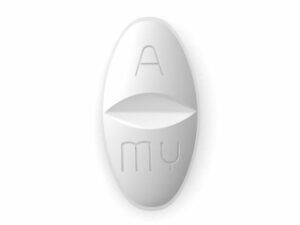
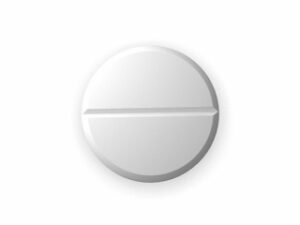
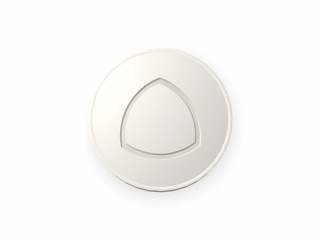
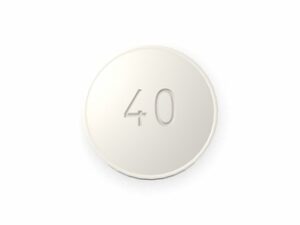
Isoptin contains verapamil. The exact strength and formulation may vary (for example, immediate-release vs modified-release forms). Your pack will state the strength in mg and whether the tablets are designed to release the medicine gradually.
| Feature | What to know |
|---|---|
| Brand | Isoptin |
| Generic name | Verapamil |
| Medicine class | Calcium channel blocker (verapamil) |
| How it works | Reduces calcium entry into heart and blood vessel cells, slowing heart activity and helping relax blood vessels |
| Common directions | Usually taken once or multiple times daily depending on formulation and condition |
| Monitoring | Blood pressure and heart rate may be monitored; ECG may be used for certain conditions |
How Isoptin (verapamil) works (mechanism of action)
Verapamil belongs to the group of medicines called calcium channel blockers. It blocks calcium channels (mainly in the heart and blood vessels). Calcium is involved in muscle contraction and in electrical signalling in the heart.
By blocking calcium channels, verapamil can:
- Slow down heart rate by affecting the electrical conduction system.
- Reduce the strength of heart contraction to a degree, depending on dose and patient factors.
- Relax blood vessels, helping lower blood pressure and reduce the workload on the heart.
- Help control certain abnormal heart rhythms, particularly those involving the atrioventricular (AV) node.
The result is improved control of blood pressure, angina symptoms in appropriate cases, and heart rhythm stability in selected patients.
Pharmacokinetics (how your body handles it)
Pharmacokinetics describes how a medicine is absorbed, distributed, metabolised, and eliminated. Understanding this can help you take the medicine correctly and recognise interactions.
Absorption
Verapamil is absorbed from the gut. The speed and extent of absorption can vary between individuals and also depend on the tablet formulation (immediate-release vs modified-release).
Distribution
Verapamil distributes throughout the body tissues, including the cardiovascular system. It is highly metabolised in the liver.
Metabolism
Verapamil is extensively metabolised by the liver, with involvement of the enzyme systems (notably CYP3A4). This is one reason interactions can occur with other medicines that affect liver enzymes.
Elimination
Verapamil and its metabolites are eliminated mainly via the kidneys. In people with liver impairment, drug levels may rise, meaning dose adjustments and extra caution may be needed.
Typical uses and indications (what it treats)
Indications can depend on the specific formulation and patient circumstances. Common uses include:
- High blood pressure (hypertension) — to lower blood pressure and reduce cardiovascular risk.
- Angina (chest pain) due to coronary artery disease — to reduce symptoms in suitable patients.
- Some abnormal heart rhythms — especially certain supraventricular tachycardias (fast rhythms originating above the ventricles) and rhythm control strategies where slowing conduction is beneficial.
- Prevention of migraine — for migraine prophylaxis in appropriate patients when recommended.
Your clinician will choose whether verapamil is suitable for you based on diagnosis, heart rate, ECG results, other medicines, age, and medical history.
How to take Isoptin: dosing and timing
Dosing depends on the condition being treated, the specific tablet strength, and whether you use an immediate-release or modified-release product. The safest approach is to take it exactly as directed on your label.
General dosing principles
- Start low, go slow: many patients begin with a lower dose and may be adjusted gradually.
- Follow the formulation instructions: modified-release tablets should not be crushed or split unless your product guidance says otherwise.
- Consistency helps: try to take your doses at similar times each day.
Typical timing
Depending on the formulation, verapamil may be taken:
- Once daily (commonly for some modified-release products), or
- Twice or three times daily (more typical for immediate-release forms).
If you have missed a dose, do not double up. Take it when you remember unless it is close to your next scheduled dose, in which case skip the missed dose and continue as normal.
Food interactions and what to eat/drink
Food can affect how quickly verapamil is absorbed. Many patients take verapamil with or after food to reduce stomach upset, but follow your local product guidance and your clinician’s instructions.
Grapefruit and grapefruit juice
Grapefruit and grapefruit juice can interfere with drug metabolism and raise verapamil levels in the body. It’s best to avoid grapefruit products while taking verapamil unless your healthcare professional advises otherwise.
Alcohol-containing mixers and heavy meals
Large meals may slow digestion and can affect the timing of when you feel effects. It’s usually safest to take verapamil with regular meals rather than on an irregular schedule.
Alcohol and medicine interactions
Alcohol can increase the risk of side effects such as dizziness and light-headedness, particularly when your blood pressure is lowered by verapamil. Alcohol may also make it harder to judge early warning signs like fainting.
Practical alcohol advice
- Use caution and consider avoiding alcohol until you know how verapamil affects you.
- If you choose to drink, keep it modest and avoid binge drinking.
- Do not drive or operate machinery if you feel unsteady.
Important medicine interactions
Verapamil interacts with several medicines. Some interactions can significantly affect heart rate, blood pressure, or verapamil levels. Always tell your pharmacist about all medicines and supplements you take, including over-the-counter products.
Medicines that can slow heart rate or affect heart rhythm
Combining verapamil with other medicines that slow the heart may increase the risk of excessive slowing (bradycardia) or heart block. Examples include:
- Beta-blockers (e.g., some medicines for blood pressure or heart rate control)
- Other heart rhythm medicines
These combinations can sometimes be used under close supervision, but they should not be started or changed without clinician advice.
Medicines that raise verapamil levels (strong enzyme inhibitors)
Certain medicines can inhibit liver enzymes and increase verapamil blood levels, raising the risk of side effects. Examples can include some:
- Antifungal medicines
- Antibiotics (some types)
- HIV antivirals (some types)
- Other medicines that affect CYP3A4
Medicines that reduce verapamil levels (enzyme inducers)
Some medicines may increase metabolism and reduce verapamil levels, potentially making it less effective. Examples include certain medicines used for seizures or other long-term conditions.
Other potential interaction areas
- Digoxin: verapamil can increase digoxin levels in some circumstances.
- Statins: certain statins may interact—your pharmacist can advise which are safer together.
- Other blood pressure medicines: combined effects may lower blood pressure too much for some people.
- Medicines affecting electrolytes (e.g., potassium) may affect heart rhythm stability.
If you start a new medicine, including antibiotics or antifungals, ask whether it affects verapamil.
Safety profile: who should take extra care?
Verapamil can be very effective, but like all medicines it has potential risks. Your risk depends on your heart’s electrical system, other conditions (such as liver disease), and other medicines you take.
Common side effects
- Constipation (very common with verapamil)
- Headache
- Dizziness or feeling light-headed (especially when standing)
- Flushing
- Swelling of ankles/feet (peripheral oedema)
- Low blood pressure
- Tiredness or reduced energy
- Nausea
Serious side effects — get urgent medical help
Seek urgent medical advice if you experience symptoms that could indicate a serious heart rhythm or circulation problem, such as:
- Fainting or feeling you might pass out
- Severe dizziness or confusion
- Very slow heartbeat or palpitations with feeling unwell
- Chest pain that is new or worsening
- Shortness of breath that is severe or worsening
- Allergic reaction symptoms (swelling of face/lips, rash, difficulty breathing)
Important precautions
- Heart block or certain rhythm disorders: verapamil may be unsuitable in some conditions involving electrical conduction.
- Low heart rate: if your heart rate is already slow, verapamil can make it slower.
- Heart failure: use may depend on the type and severity of heart failure; close monitoring may be needed.
- Liver impairment: drug levels can rise; dosing and monitoring may need adjustment.
- Older adults: some patients may be more sensitive to blood pressure-lowering effects and constipation.
Practical use tips (to help you stay comfortable and safe)
Prevent constipation
Constipation is a well-known effect of verapamil. Helpful steps include:
- Drink adequate fluids unless you have been advised to limit fluids.
- Choose fibre-rich foods (fruit, vegetables, whole grains).
- Keep active with gentle movement where possible.
- Consider a suitable stool softener or laxative if needed—ask a pharmacist which options are safe for you.
Reduce dizziness
- Stand up slowly from sitting or lying positions.
- Be cautious when driving if you feel light-headed.
- Stay hydrated, especially on hot days.
Take the correct formulation
If your tablets are modified-release, do not crush or chew unless instructed. Crushing can release the medicine too quickly, increasing the risk of side effects.
Keep a simple monitoring plan
If appropriate for your condition, consider tracking:
- Blood pressure readings
- Your heart rate (pulse)
- Any symptoms such as dizziness, swelling, or new palpitations
Bring this information to appointments.
When Isoptin may not be suitable
Verapamil may be inappropriate for some people due to heart rhythm or conduction problems, certain types of heart failure, low blood pressure, or significant liver impairment. It may also interact with medicines you might already be taking.
If you have any of the following, discuss with a clinician or pharmacist before starting:
- Known conduction disorders or a history of heart block
- Fainting episodes of unclear cause
- Significant liver disease
- Current use of interacting medicines (especially those affecting heart rate or rhythm)
Alternative options for similar conditions
Depending on your diagnosis, clinicians may use different medicine classes or specific alternatives to verapamil. Options can include:
- Other calcium channel blockers (for blood pressure and angina), such as dihydropyridines—suitability depends on the condition.
- Beta-blockers (for blood pressure, angina, and some rhythm issues).
- Other anti-arrhythmic approaches for rhythm control depending on the type of arrhythmia.
- Migraine prevention medicines from other classes if verapamil is not suitable.
- Lifestyle strategies to support blood pressure and migraine prevention (sleep regularity, hydration, limiting triggers).
A pharmacist can explain which alternatives may be appropriate if verapamil is not tolerated or not effective for you.
United Kingdom: market and legal context
In the UK, verapamil is widely used for cardiovascular conditions and is available through NHS services and community pharmacies. Medicines are regulated by the Medicines and Healthcare products Regulatory Agency (MHRA) and supplied in accordance with UK medicines legislation.
Availability and presentation can vary (for example, tablet strengths and whether immediate-release or modified-release forms are stocked). Online pharmacy availability can also differ depending on supply routes and local stock levels.
Recent guidance and safety communications
Guidance on verapamil may include:
- Recommendations to check and manage drug interactions.
- Emphasis on careful use in people with heart conduction problems, low heart rate, and liver impairment.
- Advice on formulation handling (especially modified-release tablets).
- Promotion of appropriate monitoring such as blood pressure and heart rate checks.
For the most up-to-date advice, consult NHS sources or ask your healthcare professional—especially if you have started another medicine since beginning Isoptin.
Delivery and availability (UK online pharmacy)
Availability can vary by strength and formulation. When ordering online in the UK, you can typically expect:
- Secure packaging to protect tablets during delivery
- Tracking (where offered) for delivery updates
- Dispatch times depending on stock levels and your location
- Controlled handling where applicable
If your first-choice strength or modified-release type is not in stock, the pharmacy may offer an alternative brand or strength only if it is clinically appropriate and approved by your clinician/pharmacist.
Please store verapamil tablets as directed on the pack, and keep them out of sight and reach of children.
FAQ — Common questions about Isoptin (verapamil)
1) How long does it take for Isoptin to start working?
Effects can begin within hours, but the full benefit—especially for blood pressure and migraine prevention—may take days to weeks. For rhythm control, changes may be observed sooner, depending on the formulation and your condition.
2) What if I miss a dose?
If you miss a dose, take it when you remember unless it is close to your next dose. Do not take a double dose to make up for a missed tablet. If you are unsure, ask a pharmacist.
3) Can I stop taking verapamil suddenly?
Do not stop abruptly unless a clinician advises you. Stopping suddenly may worsen symptoms in some conditions. If you need to stop, your clinician may reduce the dose gradually.
4) Are there foods I should avoid?
Avoid grapefruit and grapefruit juice, as they can increase verapamil levels. Otherwise, follow general healthy eating advice unless you’ve been given specific dietary guidance.
5) Is it safe to drink alcohol?
Alcohol may increase dizziness and lower blood pressure. Use caution and consider limiting alcohol until you know how verapamil affects you. If you feel light-headed, avoid alcohol and contact a healthcare professional.
6) What medicines commonly interact with verapamil?
Interactions can occur with medicines that slow heart rate, affect liver metabolism, or influence heart rhythm. Examples may include certain antibiotics/antifungals, beta-blockers, digoxin, some statins, and some seizure medicines. Always check with a pharmacist before starting new medicines.
7) Why do I get constipation with verapamil?
Verapamil can reduce gut movement, leading to constipation. Eating more fibre, drinking enough fluids, staying active, and discussing suitable laxatives with a pharmacist can help.
8) What should I do if I feel dizzy or faint?
Stop what you are doing and sit or lie down. Check whether your symptoms improve. If you faint, experience severe dizziness, or your symptoms are persistent, seek urgent medical advice.
9) Can I drive while taking Isoptin?
If verapamil makes you dizzy or drowsy, avoid driving and operating machinery until you feel safe. If symptoms persist, discuss with your clinician.
10) Is there an alternative to verapamil?
Yes. Alternatives depend on the condition being treated (blood pressure, angina, rhythm control, or migraine prevention). Your pharmacist or clinician can discuss suitable options.
Summary
Isoptin (verapamil) is a calcium channel blocker used for conditions such as hypertension, angina, and selected heart rhythm disorders, and it may also be used to help prevent migraine in appropriate patients. It works by slowing heart electrical activity and relaxing blood vessels. Because it can interact with other medicines and affect heart rate and blood pressure, it’s important to take it exactly as directed and be careful with interacting drugs, grapefruit products, and alcohol.
If you have questions about your specific dose, formulation, or interactions, a pharmacist can help you confirm the safest way to take your medicine.