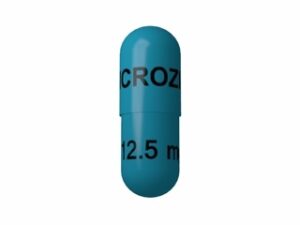
Lozol (Indapamide) – Patient Information Guide (UK)
Lozol contains indapamide, a medicine used to help lower blood pressure and reduce fluid retention. This guide is written to be patient-friendly and explains what Lozol is, how it works, how to take it safely, and what to expect.
If you have questions about your own treatment, always check with your clinician or pharmacist. This page is general information and cannot replace personalised medical advice.
Basic product information
| Item | Details |
|---|---|
| Brand name | Lozol |
| Active ingredient | Indapamide |
| Medicinal class | Thiazide-like diuretic (sometimes referred to as a “water tablet”) |
| Common use | High blood pressure; sometimes used for fluid-related conditions as advised |
| Formulation | Available in oral tablet forms (strength and release type may vary by product) |
| Typical dosing frequency | Often once daily (timing depends on your specific formulation) |
How Lozol works (mechanism of action)
Indapamide is a thiazide-like diuretic. It helps your kidneys remove some water and salt (sodium) from the body by acting on parts of the kidney that regulate fluid balance. As a result, it can:
- Lower blood pressure by reducing fluid volume and helping relax/affect blood vessels.
- Reduce fluid retention in some conditions, helping ease swelling and related symptoms.
It is important to note that the blood-pressure benefit of indapamide includes effects beyond simple fluid loss. Many people notice improved blood pressure control over days to weeks.
Pharmacokinetics (how the body handles indapamide)
Pharmacokinetics describes how the body absorbs, distributes, metabolises, and eliminates a medicine. For indapamide, the key points are typically:
- Absorption: Indapamide is absorbed after taking the tablet by mouth.
- Distribution: It circulates in the bloodstream and reaches target areas, including the kidneys.
- Metabolism: It is metabolised mainly by the liver.
- Elimination: It is cleared from the body via the kidneys and through metabolic pathways.
Your specific absorption and timing can vary depending on the tablet type (including whether the formulation is modified release). Always follow the instructions that come with your product and your clinician’s directions.
What Lozol is used for (indications)
In the UK, indapamide is commonly used for:
- Hypertension (high blood pressure): Helps reduce blood pressure and lower cardiovascular risk.
- Fluid retention / oedema: Sometimes used when a diuretic is appropriate, depending on the individual situation and diagnosis.
Typical dosing and timing
Dosing depends on the exact strength and formulation of your Lozol tablets, as well as your kidney function, age, other medicines, and how you respond.
General timing guidance
- Once daily is common for indapamide formulations used for blood pressure.
- Many people are advised to take it in the morning to reduce the chance of needing to urinate during the night.
- If you are prescribed a modified-release product, do not crush or split unless your pharmacist confirms it is safe. Swallow whole to maintain the release pattern.
How to take your tablet
- Take with water.
- Try to take it at the same time each day.
- If you miss a dose, take it when you remember unless it is close to the next dose. Do not take a double dose.
Example dose pattern (illustrative)
Strengths vary by product. Your healthcare professional will specify your exact dose. As a general reference, indapamide is often prescribed at low-to-moderate once-daily doses for hypertension.
Always follow your label. If you’re unsure, ask your pharmacist.
Food interactions and dietary considerations
Indapamide’s effect can be influenced by overall diet, particularly salt (sodium). While you do not typically need to avoid food entirely, these considerations are important:
- Salt intake: High salt intake can counteract blood-pressure control and fluid-balancing effects.
- Regular meals: Most people can take indapamide with or without food, but consistency can help you remember your dose.
- Potassium and electrolyte balance: Indapamide may lower potassium. A diet with adequate potassium (e.g., foods like bananas, yoghurt, beans, and leafy vegetables) may help, but do not rely on diet alone—your clinician may check blood tests.
Your clinician may advise on the appropriate dietary approach based on your blood results, kidney function, and other conditions (such as heart failure or diabetes).
Alcohol interactions
Alcohol can affect blood pressure and may increase the risk of dizziness or light-headedness, particularly when starting indapamide or if your dose is increased.
- Risk of dizziness: Alcohol may add to the blood-pressure-lowering effect.
- Dehydration: Alcohol can sometimes contribute to fluid imbalance.
- Hypotension symptoms: Watch for faintness, blurred vision, or unsteadiness.
If you drink alcohol, keep within recommended UK guidance and consider asking your pharmacist whether any “extra caution” applies to you.
Medicine interactions (important)
Indapamide can interact with other medicines, especially those affecting: electrolytes (potassium, sodium, magnesium), kidney function, or blood pressure.
Common interaction themes
- Other blood pressure medicines: The combination may increase the chance of low blood pressure, especially at first.
- Potassium-lowering medicines: Some diuretics, laxatives (in high use), and certain medicines can worsen low potassium. Your clinician may monitor blood tests.
- Digoxin: Low potassium can increase the risk of digoxin-related side effects.
- Lithium: Indapamide may alter lithium levels, potentially leading to toxicity.
- Non-steroidal anti-inflammatory drugs (NSAIDs): Examples include ibuprofen and naproxen. NSAIDs may reduce diuretic/blood-pressure benefits and can affect kidney function in some people.
- Diabetes medicines: Changes in blood sugar can occur in some people; monitoring may be needed.
- Medicines affecting heart rhythm: Low potassium or magnesium may increase arrhythmia risk.
Herbal and over-the-counter products
Even “natural” products can interact. Tell your pharmacist about supplements, herbal remedies, and OTC medicines, including:
- Potassium supplements (unless you have been advised to take them)
- Licorice-containing products
- “Decongestant” cold remedies that may affect blood pressure
If you are unsure whether a medicine interacts with indapamide, it’s best to ask before taking it.
Safety profile and side effects
Like all medicines, indapamide can cause side effects. Many people tolerate it well, but some effects are important to recognise early. Side effects can be more likely when you start treatment, when your dose changes, or if you are prone to dehydration or electrolyte imbalance.
Common side effects
- Increased urination, especially soon after starting
- Dizziness or feeling light-headed
- Headache
- Fatigue
Less common but important effects (electrolytes and kidneys)
Indapamide can lower certain salts in the blood. Your clinician may arrange blood tests to monitor electrolytes and kidney function.
- Low potassium (hypokalaemia): may cause weakness, cramps, palpitations.
- Low sodium (hyponatraemia): may cause confusion, headache, unusual tiredness.
- Low magnesium (hypomagnesaemia): may contribute to muscle cramps or rhythm problems.
- Dehydration: may cause thirst, dizziness, dry mouth, and reduced urination.
- Changes in kidney function: particularly if you are dehydrated or take NSAIDs.
Seek urgent medical advice if you get
- Severe dizziness, fainting, or inability to stand safely
- Signs of an allergic reaction such as facial/lip swelling, rash, or breathing difficulties
- Severe weakness, persistent vomiting, or symptoms suggesting dangerous electrolyte imbalance
- Chest pain or a very fast/irregular heartbeat
Practical use tips
The following tips can help you take Lozol safely and get the best benefit:
- Take it at the right time: If it makes you urinate more, morning dosing is often more comfortable.
- Stand up slowly: Dizziness can happen when blood pressure lowers; rise gradually from sitting or lying down.
- Stay hydrated: Unless your clinician has restricted fluids, drink appropriately—especially in hot weather.
- Keep track of symptoms: Note dizziness, cramps, weakness, or palpitations and report them.
- Attend blood test appointments: Electrolytes and kidney function may need monitoring.
- Be careful during illness: If you develop vomiting or diarrhoea, you may become dehydrated. Contact your clinician for advice on continuing diuretics during acute illness.
Special population considerations
Older adults
Older people may be more sensitive to blood pressure changes and dehydration. Monitoring electrolytes and kidney function may be particularly important.
Kidney or liver problems
Indapamide is processed by the body and affects kidney function. People with reduced kidney function or liver disease need careful assessment and monitoring by a healthcare professional.
Pregnancy and breastfeeding
Diuretics can affect fluid balance and are not always suitable during pregnancy or breastfeeding. If you are pregnant, trying to conceive, or breastfeeding, discuss the risks and options with a healthcare professional.
Alternative options (if indapamide isn’t suitable)
If Lozol is not suitable due to side effects, interactions, or inadequate control, clinicians may consider other treatment approaches for blood pressure or fluid-related conditions. Alternatives may include:
- Other diuretics: such as bendroflumethiazide or furosemide (choice depends on your situation).
- ACE inhibitors (e.g., ramipril, lisinopril)
- Angiotensin-II receptor blockers (ARBs) (e.g., losartan, candesartan)
- Calcium channel blockers (e.g., amlodipine)
- Beta-blockers (e.g., bisoprolol) in selected cases
Non-medicine approaches may also be recommended alongside medication, including reducing salt intake, maintaining a healthy weight, regular physical activity, and limiting alcohol.
Market and legal context in the United Kingdom
In the UK, medicines such as indapamide are supplied under regulated pharmaceutical standards. Availability and supply processes depend on the product type and the associated regulatory classification.
Pharmacy supply may require appropriate checks to ensure the medicine is suitable and safe for the individual. UK pharmacies follow medicines governance requirements, including correct labelling, patient counselling where appropriate, and safe handling of medicines.
Regulations and clinical expectations can evolve. Always rely on up-to-date advice from your healthcare team or your dispensing pharmacy.
Recent guidance and monitoring (general)
For patients taking diuretic-type blood pressure medicines, current UK clinical practice typically emphasises:
- Regular blood pressure checks to confirm effectiveness.
- Periodic blood tests to monitor electrolytes (e.g., potassium, sodium, magnesium) and kidney function.
- Review of other medicines to reduce interaction risk.
- Assessment of symptoms such as dizziness or muscle cramps that may signal electrolyte imbalance.
If you are starting Lozol or have had a dose change, your clinician may schedule follow-up monitoring.
Delivery and availability (UK online pharmacy)
Lozol (indapamide) availability may depend on strength and tablet type. Many online pharmacies offer:
- Home delivery within the UK, subject to stock availability and order processing times.
- Secure packaging to protect medicines during transit.
- Tracking options where offered by the delivery provider.
- Customer support for product availability, delivery estimates, and guidance on storage.
If you need Lozol urgently (for example, you have run low), contact the pharmacy first to confirm stock and delivery times.
How to store Lozol
- Keep tablets in the original package to protect from light and moisture.
- Store at room temperature (follow the package instructions).
- Keep out of sight and reach of children.
- Do not use after the expiry date on the pack.
FAQ
1. What is Lozol used for?
Lozol (indapamide) is used mainly for high blood pressure. It may also be used in certain circumstances involving fluid retention, depending on your diagnosis and clinical plan.
2. When should I take Lozol?
Many people take indapamide once daily in the morning to reduce night-time urination. Follow your specific label instructions, especially if your tablets are modified-release.
3. Can I take Lozol with food?
In most cases, indapamide can be taken with or without food, but the key dietary factor is overall salt intake. Taking it consistently at the same time each day can help adherence.
4. Will Lozol make me pee more?
It can. Early in treatment you may notice increased urination. If you feel very dizzy, very weak, or are unable to drink fluids due to sickness, contact your healthcare provider for advice.
5. Are there alcohol restrictions?
There is no universal absolute ban, but alcohol can increase the risk of dizziness and low blood pressure. Consider keeping alcohol moderate and avoid dehydration.
6. What medicines should I be cautious with?
Tell your pharmacist about all medicines, including NSAIDs (e.g., ibuprofen), lithium, digoxin, other blood pressure medicines, and supplements. Interaction risk often relates to kidney function and potassium levels.
7. How long does Lozol take to work?
Blood pressure improvement may be noticed within days, but full effect is often assessed over weeks. Do not stop or change dose without medical advice.
8. What side effects are most concerning?
Contact urgent help if you have severe dizziness or fainting, signs of allergy, chest pain, or symptoms suggesting dangerous electrolyte imbalance (for example, marked weakness or persistent irregular heartbeat).
9. Do I need blood tests?
Many patients do. Your clinician may monitor electrolytes and kidney function, particularly after starting, after dose changes, or if you’re at higher risk.
10. What should I do if I miss a dose?
Take it as soon as you remember unless it’s nearly time for your next dose. Do not take a double dose.
11. Can I stop Lozol if I feel better?
Even if you feel well, high blood pressure may still be present. Stopping abruptly without advice can worsen blood pressure control. Discuss changes with your healthcare team.
12. Are there alternatives to indapamide?
Yes. Depending on your condition and risk factors, clinicians may prescribe other blood pressure medicines or alternative diuretics. Lifestyle measures also support long-term control.
Important reminder
This information is intended to support safe use of Lozol (indapamide) and does not replace personalised guidance. If you experience side effects, have questions about interactions, or are unsure about how to take your tablets, speak to your pharmacist or clinician.