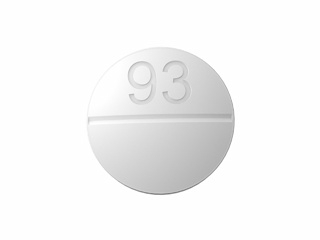

Maxolon (Metoclopramide) – Patient Information
Maxolon contains metoclopramide, a medicine used to help with problems caused by delayed stomach emptying and nausea. It can also help certain symptoms related to reduced movement of the stomach and upper gut. This guide explains how Maxolon works, when it’s used, how to take it safely, and what to watch for. Always follow the instructions from your healthcare professional or the product label.
In the UK, Maxolon is available in different formulations (commonly oral tablets and oral solution, depending on current availability). Availability and strength can vary, so check the product packaging for exact details.
Key product information
| Product | What it contains | Common uses | Important notes |
|---|---|---|---|
| Maxolon | Metoclopramide | Nausea and vomiting; symptoms linked to delayed gastric emptying (e.g., reflux-related discomfort) | Use the lowest effective dose for the shortest possible time. Some side effects can be serious, especially with longer use. |
| Mechanism | Prokinetic + antiemetic | Improves movement of the stomach; reduces nausea by acting on specific receptors in the brain and gut | Can cause drowsiness or restlessness in some people. |
How Maxolon works (mechanism of action)
Metoclopramide works in two main ways:
- Prokinetic action (improves gut movement): It blocks dopamine (D2) receptors in the gastrointestinal tract. This can increase the activity of the stomach and help move food along the upper digestive system more effectively.
- Antiemetic action (anti-nausea): It also affects dopamine receptors in the brain’s vomiting centre, which helps reduce nausea and vomiting.
By supporting faster gastric emptying and reducing nausea signals, Maxolon may relieve symptoms such as feeling sick, vomiting, bloating, and upper stomach discomfort linked to delayed emptying.
Pharmacokinetics (how your body handles metoclopramide)
Pharmacokinetics describes absorption, distribution, metabolism, and elimination—how the medicine moves through the body. While exact figures can vary by formulation and individual factors, the following provides a useful overview:
- Absorption: Metoclopramide is absorbed after oral dosing. Food may influence the rate of absorption (see “Food interactions”).
- Onset of action: Effects are often noticed within about 30–60 minutes for nausea/vomiting in many patients, but this can vary.
- Distribution: It can cross into the central nervous system, which contributes to both its anti-nausea effect and potential neurological side effects.
- Metabolism: It is metabolised mainly in the liver.
- Elimination: Metoclopramide and its metabolites are cleared largely through the kidneys. If you have kidney problems, your healthcare professional may adjust the dose.
- Half-life: The elimination half-life is typically a few hours (often around 5–6 hours in adults), but can vary.
What Maxolon is used for (indications)
In the UK, metoclopramide-containing products such as Maxolon may be used for:
- Nausea and vomiting, particularly where vomiting is associated with delayed stomach emptying.
- Symptoms related to delayed gastric emptying, such as fullness, discomfort, and persistent nausea due to slower movement of the stomach.
- Some reflux or upper gastrointestinal symptoms where slowed gastric emptying contributes (use depends on individual assessment).
Note: Indications and local prescribing practices can depend on the specific formulation and current regulatory guidance. Your healthcare professional can confirm whether Maxolon is appropriate for your particular symptoms.
Typical timing – when to take Maxolon
Timing depends on why you’re taking it and the form you’ve been supplied. As a general guide:
- For nausea: Take it at the times directed for your symptoms (often before meals or when symptoms are expected to occur).
- For problems related to delayed stomach emptying: Dosing is commonly planned around meals to help the stomach move food along more effectively.
- Follow the label: Always use the dosing schedule on your specific product packaging or as instructed.
If you miss a dose, do not take a double dose to make up for it—take the next dose at the usual time.
How to take Maxolon (dosing and administration)
Correct dosing is essential for both effectiveness and safety. Doses can vary by age, reason for use, formulation strength, kidney function, and local guidance. This information is intended as general patient guidance and should not replace instructions from your healthcare professional or the product leaflet.
Adults (general guidance)
For adults, dosing is typically taken multiple times per day depending on the severity and the planned duration. A key safety message is that metoclopramide should generally be used for the shortest possible time at the lowest effective dose.
Children and teenagers
Metoclopramide products may have age-related restrictions and dosing differences in children. Always use dosing precisely as directed by a healthcare professional and use the correct paediatric formulation if appropriate. Do not estimate doses.
Special populations
- Kidney problems: Dose adjustment may be required because the medicine is cleared through the kidneys.
- Older adults: Older age may increase susceptibility to neurological and cardiovascular side effects. The lowest effective dose is especially important.
Practical administration tips
- Tablets: Swallow with water. Don’t chew unless the leaflet says you can.
- Oral liquid: Use a proper measuring device (a kitchen teaspoon is not accurate). Shake if the leaflet advises.
- Keep a routine: Taking it at the same times daily can help you avoid missed doses.
Food interactions
Food can affect the rate at which metoclopramide is absorbed. In many cases, taking Maxolon with food is tolerated, but follow your specific product instructions.
- Absorption effects: Food may delay absorption, which might slightly alter how quickly you feel symptom relief.
- Practical approach: If you’re taking it for meals-related nausea, follow the dosing schedule given to you (commonly timed around meals).
There are no widely recognised “unsafe combinations” with specific types of food, but it’s wise to consider:
- If you notice symptoms worsen or improve differently depending on meal timing, discuss it with a healthcare professional.
- If nausea is severe, focus on hydration and seek medical advice if you cannot keep fluids down.
Alcohol and medicine interactions
Alcohol can increase the risk of side effects such as drowsiness, dizziness, and impaired alertness. Maxolon can also cause sleepiness or restlessness in some people, so combining it with alcohol may make these effects more noticeable.
Alcohol
- Consider avoiding alcohol while taking Maxolon, especially at the start of treatment or if you feel drowsy.
- If you choose to drink, do so cautiously and only if it does not worsen your symptoms or side effects.
Medication interactions (examples to discuss)
Metoclopramide may interact with other medicines that affect the brain’s dopamine pathways or that influence heart rhythm. Always inform a healthcare professional or pharmacist about all medicines you use, including over-the-counter products.
- Other anti-dopamine medicines (including some antipsychotics): may increase risk of neurological side effects.
- Medicines that cause drowsiness (e.g., some sleep aids, sedating antihistamines, opioids): may increase sedation.
- Medicines affecting heart rhythm: metoclopramide can affect certain electrical signals in the heart in susceptible individuals.
- Serotonergic medicines (some antidepressants): discuss because complex interactions can occur in sensitive cases.
This is not a complete list. Check the patient leaflet and seek advice if you are taking multiple medicines.
Indications vs. other nausea treatments (what it’s for—and what it isn’t)
Maxolon is commonly selected when nausea is linked to delayed gastric emptying or when movement of the upper gut is part of the problem. If nausea has a different cause (for example, infection, migraine, severe vertigo, or medication-induced nausea), other treatments may be more appropriate.
- Better fit: Nausea/vomiting related to slowed stomach emptying or specific upper gastrointestinal functional issues.
- May not be the best fit: Nausea from causes unrelated to gastric motility—needs assessment.
Safety profile – important risks and side effects
Like all medicines, metoclopramide can cause side effects. Many people tolerate it well when used for a short time, but certain effects are more concerning—especially with longer use or higher doses.
Common side effects
- Feeling drowsy or sleepy
- Restlessness (agitation)
- Fatigue
- Headache
- Dry mouth
- Diarrhoea (sometimes)
Serious side effects – seek urgent advice
Contact urgent medical help or your local urgent care service if you experience signs of serious reactions, including:
- Uncontrolled muscle movements, tremor, sudden stiffness, or abnormal postures (possible extrapyramidal symptoms).
- Fever, confusion, severe muscle stiffness, or feeling very unwell (rare but potentially serious neuroleptic malignant syndrome—urgent assessment needed).
- Signs of allergy: swelling of the face/lips, difficulty breathing, rash or wheezing.
- Unusual heart symptoms such as fainting, severe dizziness, or palpitations (especially if at risk for heart rhythm problems).
Tardive dyskinesia (long-term risk)
Prolonged use of metoclopramide can very rarely lead to involuntary movements of the face and body (tardive dyskinesia). Risk increases with:
- Longer duration of treatment
- Higher cumulative dose
- Elderly patients and certain underlying conditions
This is why Maxolon is generally recommended for the shortest possible duration. If you notice new involuntary movements, stop taking the medicine and seek prompt medical advice.
Other considerations
- Driving and machinery: If you feel sleepy, dizzy, or restless, avoid driving and operating machinery until you know how it affects you.
- Restlessness and muscle symptoms: You may need urgent review if symptoms suggest a movement disorder.
Practical tips for using Maxolon safely
- Keep treatment short: Use for the duration advised. Avoid continuing beyond the recommended period without medical review.
- Use the lowest effective dose: Don’t take extra doses to “catch up” if symptoms persist.
- Monitor symptoms: If nausea improves quickly, that can be reassuring—but follow the schedule regardless.
- Watch for neurological symptoms: Restlessness, stiffness, tremor, or abnormal movements should be acted upon promptly.
- Hydration matters: If you’re vomiting, focus on fluids. Severe dehydration needs urgent care.
- Tell healthcare professionals: Make sure your GP/pharmacist knows you’re taking metoclopramide, especially if new medicines are added.
Alternative options
Depending on the cause of your nausea or vomiting, alternatives may include:
For nausea/vomiting
- Domperidone: A prokinetic antiemetic sometimes used for reflux and upper GI symptoms (availability and suitability vary).
- Antiemetics such as ondansetron (often used in specific situations): typically considered by healthcare professionals.
- Ginger or non-medicinal measures: May help mild nausea in some people (not a replacement for severe symptoms).
For delayed gastric emptying / reflux symptoms
- Diet and lifestyle changes (smaller meals, avoiding late eating, reducing high-fat or trigger foods).
- Acid suppression (e.g., proton pump inhibitors or H2 blockers) when reflux contributes to symptoms—chosen based on diagnosis.
- Diabetes-related gastric problems: If gastroparesis is related to diabetes, diabetes management and specific approaches may be needed.
The best alternative depends on your health history, current medicines, symptom pattern, and the underlying cause. Ask a pharmacist or clinician for personalised advice.
UK market and legal context (general overview)
In the United Kingdom, metoclopramide-containing medicines are regulated through the medicines framework administered by the Medicines and Healthcare products Regulatory Agency (MHRA). Medicines must comply with approved product information, including indications, dosing, and safety warnings contained in the patient leaflet.
Pharmacy supply processes can vary depending on whether a product is “over-the-counter” or “pharmacy-only” in a given formulation, and on current restrictions. Online pharmacies may use online questionnaires and pharmacist review where required by current regulations.
Recent guidance and safety messaging (UK focus)
UK and European regulators have highlighted the importance of limiting metoclopramide use due to neurological risks, particularly with longer-term exposure. Key recurring messages include:
- Use metoclopramide for the shortest duration possible.
- Stick to the lowest effective dose.
- Pay attention to symptoms that could indicate movement disorders; seek prompt advice if these occur.
- Consider patient-specific risk factors, including age and other medicines.
Guidance may evolve. For the latest details, refer to the leaflet supplied with your product or ask a pharmacist.
Delivery and availability in the UK
Availability of Maxolon depends on current supply and formulation. When ordering online from a UK pharmacy, you can typically expect:
- Clear product listing: Strength (mg), formulation type (e.g., tablets or oral solution), and pack size are shown before checkout.
- Quality checks: Medicines are supplied in sealed packaging where applicable.
- Delivery times: Delivery estimates are provided at checkout and may vary by carrier and region.
If a particular strength or formulation is temporarily unavailable, the pharmacy may suggest alternatives or notify you of expected restock dates.
FAQ – Frequently asked questions
1) How quickly does Maxolon work?
Many people notice symptom improvement within about an hour, though it can vary depending on the cause of nausea, the formulation, and whether food has been taken. If symptoms are severe or worsening, seek medical advice.
2) Can I take Maxolon with food?
Often it can be taken with or without food, but food can influence how quickly it starts working. Follow the instructions on your specific product label. If you’re taking it for meal-related symptoms, timing around meals may be recommended for your situation.
3) Is it safe to take Maxolon for more than a few days?
Maxolon (metoclopramide) is generally recommended for the shortest possible time due to the risk of neurological side effects, including rare but serious movement disorders with longer use. Do not continue longer than advised without medical review.
4) What should I do if I feel very restless after taking it?
Restlessness can be a side effect. If it is severe, persistent, or comes with muscle symptoms, contact a healthcare professional promptly. Do not increase the dose to “counteract” it.
5) Can I drink alcohol while using Maxolon?
It’s best to avoid alcohol or use extreme caution. Alcohol may increase drowsiness and dizziness and can make side effects more noticeable.
6) Can I take Maxolon with other anti-nausea medicines?
Combining antiemetics may increase the risk of side effects and depends on which products you’re using. Ask a pharmacist before taking multiple nausea medicines together.
7) Are there any people who should not use metoclopramide?
Metoclopramide may not be suitable for everyone, including people with certain neurological conditions, a history of movement-related side effects from similar medicines, or specific medical situations. Check the patient leaflet and speak to a pharmacist if you have any doubts.
8) What if I miss a dose?
Take the next dose at the usual time. Do not take an extra dose to make up for a missed one.
9) When should I seek urgent medical help?
Seek urgent care if you have severe allergic reactions, fainting, chest pain or severe palpitations, or signs of serious neurological reactions such as intense stiffness, confusion, fever, or uncontrolled movements.
10) What are the main non-medicine steps that can help nausea?
If nausea is mild, consider staying hydrated with small sips, eating bland foods, avoiding greasy or spicy meals, and resting. If vomiting is persistent, you can’t keep fluids down, or you’re concerned, get medical advice.
Summary
Maxolon (metoclopramide) is a medicine used for nausea and vomiting, especially when linked to delayed stomach emptying. It works by improving movement of the upper gut and reducing nausea signals in the brain. Because metoclopramide can cause neurological side effects, it should be used at the lowest effective dose and for the shortest possible time.
If you have any questions about suitability, interactions, or how long to take it, speak to a pharmacist for advice.