
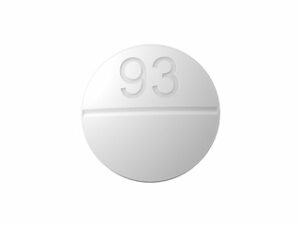
Nexium (Esomeprazole) – Patient-Friendly Guide (UK)
Nexium is a brand of the medicine esomeprazole. Esomeprazole belongs to a group of medicines called proton pump inhibitors (PPIs). It reduces the production of stomach acid and is commonly used to treat acid-related conditions.
This guide explains how Nexium works, what it’s used for, how to take it safely and effectively, and what to consider regarding food, alcohol, and other medicines. It also includes practical tips, possible alternatives, and UK-focused information about availability and typical guidance.
Basic product information
- Active ingredient: Esomeprazole
- Brand name: Nexium
- Medicine type: Proton pump inhibitor (PPI)
- How it works: Reduces stomach acid production
- Common uses in adults and children (depending on product strength and age group): Heartburn, reflux (GERD), and certain stomach/duodenal conditions
- Common forms (examples): Tablets/capsules and sachets (varies by product/strength; ask your pharmacist for the exact form you’re buying)
Note: Strengths and age approvals depend on the specific Nexium product. Always check the pack for the strength and instructions that apply to your exact medicine.
How Nexium works (mechanism of action)
Esomeprazole works by blocking a key acid “pump” in the stomach lining.
- It inhibits the H+/K+ ATPase enzyme system (often referred to as the proton pump).
- This reduces hydrochloric acid secretion.
- Less acid means symptoms such as heartburn, acid reflux and burning in the chest/throat improve, and the oesophagus or stomach lining can heal.
Because PPIs suppress acid at the source, they are often more effective than short-acting acid reducers for ongoing acid-related problems.
Pharmacokinetics (how the body handles it)
Understanding the basics can help you take Nexium at the right time.
- Absorption: Esomeprazole is absorbed from the gut after you take it.
- Activation: It works best when stomach acid is actively being produced, which is why timing with meals is important.
- Onset: Symptoms may begin to improve within the first day, but maximum effect often takes several days as the medicine reduces acid production consistently.
- Metabolism: The liver metabolises esomeprazole (mainly via CYP enzyme pathways).
- Elimination: The metabolites are cleared largely through the kidneys and bile.
Practical meaning: Nexium works best when taken before meals, so it’s available in the body when the stomach starts preparing acid for digestion.
Typical use in the UK
Nexium is used to treat conditions caused or made worse by stomach acid.
In UK practice, esomeprazole may be used for:
- Gastro-oesophageal reflux disease (GORD/GERD) including heartburn and acid regurgitation
- Erosive oesophagitis (inflammation/ulcers due to acid reflux)
- Maintenance treatment to prevent relapse in some patients
- Peptic ulcer disease (stomach or duodenal ulcers) in appropriate circumstances
- Helicobacter pylori (H. pylori) eradication when used with antibiotics (for eligible regimens)
- Zollinger–Ellison syndrome and other conditions with increased acid secretion (specialist use)
Important: The exact dose and duration depend on the condition and the product strength.
Indications (what Nexium is for)
Below is a patient-friendly overview of common indications. Your healthcare professional (or your pharmacist) may recommend a specific plan based on your symptoms, history, and any red-flag features.
- Frequent heartburn: For those diagnosed with reflux-related symptoms (especially where symptoms are persistent or recurrent).
- Reflux with oesophageal damage: Treatment to heal inflamed or eroded oesophagus.
- Prevention of relapse: Longer-term use may be considered in certain cases.
- Ulcer conditions: Reduction of acid supports ulcer healing and symptom control.
- H. pylori management: Esomeprazole is often paired with antibiotics as part of eradication therapy.
- Rare high-acid conditions: Used under specialist supervision.
How to take Nexium – timing, duration and practical steps
When to take it
Best timing: Take Nexium once daily in the morning, usually at least one hour before food (some instructions say 30–60 minutes before; follow your pack or pharmacist advice).
Why it matters: Esomeprazole is most effective when taken before a meal because it blocks proton pumps that become active when food triggers acid secretion.
If you take it more than once daily
Some regimens use twice-daily dosing. In that case, doses are typically taken before breakfast and before the evening meal (or as instructed by your pack/clinician).
How to swallow
- Tablets/capsules: Swallow whole with water.
- Sachets: Follow the preparation instructions on the pack carefully.
Do not crush or chew unless the specific product instructions allow it.
How long before it works?
- Some people notice improvement within 24 hours.
- For many conditions, the best results occur after several days of consistent dosing.
- For ongoing issues, courses may last 2–8 weeks depending on diagnosis and severity; maintenance therapy may be longer when appropriate.
Missed dose
If you forget a dose:
- Take it when you remember if it’s close to the next planned dose.
- If it’s almost time for the next dose, skip the missed dose.
- Do not take a double dose to make up for the missed one.
Food interactions (what to consider)
Food does not “cancel” Nexium, but it can reduce the effectiveness if you take it after meals.
- Avoid taking after eating whenever possible—this can make the acid suppression less effective.
- If you’re struggling with mornings, discuss options with your pharmacist (some formulations may be easier; guidance may vary).
Timing tip: If you want the simplest routine, take Nexium as part of your morning routine (with a glass of water), then eat later.
Alcohol and medicine interactions
Alcohol
There is no specific direct “danger” from combining typical amounts of alcohol with esomeprazole, but alcohol can worsen reflux symptoms in many people. Alcohol may also irritate the stomach lining and increase heartburn.
- If you’re treating reflux, consider limiting alcohol and see if symptoms improve.
- If you notice heartburn gets worse after alcohol, reducing or avoiding it may help.
Other medicines – important interactions
Esomeprazole can affect how some medicines absorb or how the liver processes them. Some interactions are clinically important.
Seek advice from a pharmacist if you use any of the following (not exhaustive):
- Clopidogrel (used to reduce clotting risk). Some PPIs may reduce activation of clopidogrel. Your prescriber/pharmacist may choose the safest PPI strategy.
- Medicines requiring acidic conditions for absorption (e.g., certain antifungals such as ketoconazole/itraconazole; some iron formulations). Reduced stomach acid may change absorption.
- Antiretrovirals (some HIV medicines). Interactions can occur with PPIs.
- Methotrexate (especially at higher doses). PPIs may increase methotrexate levels, which can increase side effects.
- Warfarin (anticoagulant). Occasionally PPIs may affect bleeding control, so monitoring may be advised.
- Diazepam and other medicines metabolised by liver enzymes (depending on the specific drug).
- St John’s wort (herbal). It may influence metabolism of medicines.
Also consider: If you take other medicines alongside Nexium, spacing can help for some medicines; however, for many interactions, the key issue is whether they are affected by stomach acid or liver enzymes rather than simple timing.
Always tell your pharmacist about all medicines you take, including over-the-counter products and herbal remedies.
Dosing – what is usually recommended
Dose depends on the condition, age, and whether it’s short-term treatment or longer-term maintenance.
Common dosing patterns (general UK clinical approach; always follow the pack for your exact product):
| Condition (typical) | Common approach (adults) | Notes |
|---|---|---|
| GORD / reflux symptoms | Often once daily | May be 2–8 weeks for symptom control depending on severity |
| Erosive oesophagitis | Once daily at a higher dose may be used | Duration depends on healing and symptom relief |
| Maintenance to prevent relapse | Lower dose once daily | Longer-term only when clinically appropriate |
| Peptic ulcers | Once daily | Course length varies; may be combined with other therapies |
| H. pylori eradication | Esomeprazole plus antibiotics | Follow the full eradication regimen instructions carefully |
| Zollinger–Ellison syndrome | Individualised dosing | Specialist supervision is required |
Children: dosing for paediatric use varies by age, diagnosis and product type. For children, ensure the correct Nexium formulation and age-appropriate instructions are followed.
If symptoms persist: speak with a clinician or pharmacist. Persistent reflux may need assessment, and long-term use should be reviewed regularly.
Safety profile and side effects
Like all medicines, esomeprazole can cause side effects. Many are mild and temporary, but some require medical attention.
Common side effects
- Headache
- Nausea or stomach discomfort
- Diarrhoea or constipation
- Flatulence (wind)
Less common or serious side effects (seek medical advice promptly)
Stop and get urgent medical help if you experience:
- Severe allergic reaction (e.g., swelling of the face/lips, difficulty breathing, severe rash)
- Severe or persistent diarrhoea (especially if it’s watery or contains blood), which may indicate infection or inflammation
- Unexplained bruising or bleeding with other unusual symptoms
- Signs of liver problems (e.g., yellowing of the skin/eyes, dark urine)
- Severe weakness, muscle cramps, or abnormal heart rhythm symptoms (can be linked to low magnesium in rare cases, especially with prolonged use)
Long-term safety (what to monitor)
Long-term PPI use is sometimes necessary, but in the UK it is generally recommended that the need for ongoing treatment is reviewed periodically.
With prolonged use, PPIs may be associated with:
- Low magnesium (hypomagnesaemia)
- Vitamin B12 deficiency (in some people)
- Increased risk of certain infections, including gastrointestinal infections
- Bone fracture risk (particularly at higher doses and long durations), especially in people with other risk factors
- Kidney issues (rare)
These risks are typically uncommon, but they are important for people using PPIs for extended periods or at higher doses.
Practical use tips (getting the best outcome)
- Take it before breakfast: Make timing part of your routine.
- Give it a fair trial: Don’t judge effectiveness after a single dose—work can take several days.
- Use lifestyle support: Reduce reflux triggers such as heavy meals, late-night eating, caffeine for some people, and smoking.
- Elevate the head of your bed if night-time reflux is an issue.
- Keep hydrated and maintain a balanced diet.
- Check other medicines: If you take multiple long-term medicines, ask your pharmacist about interactions or timing.
- Review ongoing need: If symptoms improve, discuss whether step-down dosing or a shorter course is appropriate.
Alternative options (if Nexium isn’t suitable)
Depending on the cause and severity of symptoms, there are alternatives to esomeprazole.
Other PPIs
- Omeprazole
- Pantoprazole
- Lansoprazole
- Rabeprazole
These may be considered if you don’t tolerate esomeprazole or if your clinician prefers a specific PPI.
H2-receptor antagonists
- Famotidine (where available) or other H2 blockers
These reduce acid but generally are not as potent or consistent as PPIs for healing severe reflux-related damage.
Antacids and alginates (symptom relief)
- Antacids (e.g., calcium/magnesium salts) for quick relief
- Alginates that form a “raft” barrier to reduce reflux symptoms
These can help for occasional heartburn, but for frequent symptoms caused by reflux, a PPI is often more effective.
Important: Alternative choice depends on your diagnosis, current medicines and symptom pattern. If you’re unsure, ask a pharmacist for guidance.
Market and legal context for the UK
In the UK, proton pump inhibitors such as esomeprazole are widely used for acid-related conditions. Products may be available as:
- Prescription-only or pharmacy-supplied options depending on the strength and the specific product
- Different packs may have varying indications (for example, short-term or symptom-led approaches)
UK public health approach: Treatment is often stepped based on symptom severity and response, and long-term use typically benefits from periodic review to ensure the lowest effective dose for the shortest necessary duration.
Where appropriate, symptoms that suggest more serious disease should be investigated rather than managed solely with acid suppression.
Recent UK guidance (general principles)
UK clinical guidance consistently emphasises:
- Confirming the likely cause of symptoms (e.g., reflux versus other causes of chest discomfort).
- Using PPIs at the correct time (before meals) to maximise benefit.
- Reviewing long-term PPI use and reducing the dose or stopping when appropriate.
- Monitoring for potential long-term adverse effects in people taking PPIs for extended periods.
Guidance may vary depending on the condition (e.g., GORD severity, ulcer risk, H. pylori eradication strategies). If you have been using Nexium for a long time, consider discussing whether your regimen can be optimised.
Delivery and availability (online pharmacy)
Availability of Nexium depends on stock levels, pack size, and the specific strength/formulation. In the UK, many pharmacies offer:
- Secure online ordering and home delivery
- Tracking for dispatched orders (depending on the supplier)
- Packaging suitable for medicines (protecting tablets/sachets as required)
Typical delivery options may vary by service and postcode. Some pharmacies may offer next-day or standard delivery. Check the delivery information displayed at checkout for an up-to-date estimate.
Storage: Store according to the pack instructions (commonly at room temperature, away from moisture and direct heat). Keep out of the sight and reach of children.
When to get urgent medical help
If you experience any of the following symptoms, seek urgent medical advice (and don’t rely on Nexium alone):
- Unintentional weight loss
- Dysphagia (difficulty swallowing) or painful swallowing
- Vomiting blood or passing black stools
- Persistent chest pain, breathlessness, sweating or symptoms that could indicate heart problems
- Severe abdominal pain
- Persistent symptoms despite appropriate treatment
FAQ – Nexium (Esomeprazole)
1. Is Nexium the same as esomeprazole?
Yes. Nexium is a brand name that contains esomeprazole.
2. How quickly will Nexium work for heartburn?
Many people notice improvement within the first day, but for reflux conditions it often takes a few days to feel the full benefit. If you don’t notice improvement after a short trial, speak to a pharmacist or clinician.
3. Should I take Nexium before or after food?
For best results, take it before food—commonly in the morning at least 30–60 minutes before breakfast (follow the instructions on your specific pack).
4. Can I take Nexium with other medicines?
Many medicines can be taken with Nexium, but some interactions may occur (for example with clopidogrel, some HIV medicines, and others). Tell your pharmacist about all medicines and supplements you take.
5. Does Nexium interact with alcohol?
There is no universal “absolute” alcohol prohibition, but alcohol can worsen reflux symptoms. If you notice flare-ups after drinking, consider reducing alcohol.
6. Can I take Nexium long-term?
Some people need longer-term treatment, but in general UK practice the need for ongoing PPI therapy should be reviewed periodically and kept at the lowest effective dose. Do not continue indefinitely without reassessment.
7. What side effects might I notice?
Common side effects include headache, nausea, diarrhoea or constipation, and wind. Seek urgent medical advice for signs of allergy, severe diarrhoea, or symptoms suggesting liver problems.
8. What if I miss a dose?
Take it when you remember if it’s close to the next scheduled dose. If it’s almost time for the next one, skip the missed dose. Do not take a double dose.
9. Are there alternatives if Nexium doesn’t suit me?
Alternatives include other PPIs, H2-receptor antagonists, antacids, and alginates. The best option depends on your symptoms and medical history.
10. Who should avoid or be extra careful with Nexium?
Extra caution may be needed if you have liver disease, low magnesium, a history of fractures, or complex medicine regimens. If you’re unsure, speak with a pharmacist before starting.
Disclaimer: This information is for general guidance. Always follow the instructions provided with your Nexium pack and consult a healthcare professional if you have concerns, persistent symptoms, or you are taking multiple medicines.