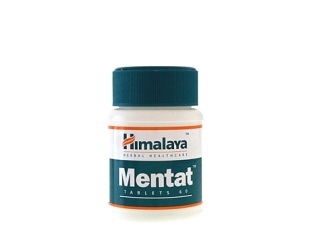


Mentat (Herbal Supplement) — Patient-Friendly Guide (UK)
Mentat is an herbal medicine/supplement widely used in the UK for supporting mental clarity, focus, and memory. Many people choose it as part of a daily routine when they want gentle, non-prescription support for concentration and cognitive performance.
This page explains what Mentat is, how it may work in the body, typical uses, how to take it safely, important interactions (including with food, alcohol, and other medicines), practical tips, and commonly asked questions—specifically for customers in the United Kingdom.
Basic product information
| Feature | What to expect |
|---|---|
| Product name | Mentat |
| Type | Herbal medicine / traditional supplement (availability and exact formulation may vary by brand and pack) |
| Common purpose | Supporting attention, memory, and mental performance |
| How it’s usually taken | Oral use (tablet/capsule form depending on the product) |
| Typical onset | Some people notice effects quickly; for others it may take several weeks |
| Where you’ll find instructions | On the product pack label and leaflet included in the box |
Important: Mentat formulations can differ between manufacturers and batches. Always check the exact ingredients, strength, and dosing on your specific pack.
What is the mechanism of action?
Mentat is commonly used for cognitive support. Its mechanism of action depends on its ingredients, which are typically plant-derived and may include herbs traditionally used in herbal medicine for:
- Supporting brain function and mental performance
- Helping attention and focus during learning or demanding days
- Supporting memory formation through long-term nourishment of cognitive processes
- Reducing oxidative stress (some herbal constituents may have antioxidant properties)
How it works in practice: Many users think of Mentat as a “daily support” product. Instead of acting like a stimulant, it’s generally intended to complement healthy habits such as sleep, hydration, balanced nutrition, and regular mental activity.
Pharmacokinetics (how the body handles it)
Pharmacokinetics describes how a medicine is absorbed, distributed, metabolised, and excreted. For herbal mixtures like Mentat, detailed pharmacokinetic data can be limited because multiple ingredients contribute to effects.
In general terms, herbal components may:
- Be absorbed after oral dosing, though the rate and extent can vary between individuals and ingredients.
- Be metabolised by the liver and other pathways in the body.
- Have variable onset depending on ingredient stability, dose, and whether you take it with food.
- Accumulate effects over time for memory-related goals, meaning consistency may matter more than timing for day-to-day cognitive support.
Practical takeaway: Because the composition and pharmacokinetic behaviour may vary, it’s best to follow the dosing instructions on your pack and give it a fair trial while monitoring how you feel.
Typical use and indications (UK)
Mentat is usually used to support mental performance. While exact claims can differ by product licence/marketing approach, common indications people seek include:
- Memory support and learning readiness
- Improving focus and maintaining attention
- Supporting mental clarity in everyday life
- General cognitive wellbeing
Not for emergency use: Mentat is intended as a daily support product. If you experience sudden severe confusion, severe headache, weakness, or other acute symptoms, seek urgent medical help.
When to take Mentat (timing)
Most users take Mentat once or twice daily based on the pack directions. For cognitive support, many prefer:
- Morning or early afternoon dosing to align with daytime focus needs.
- Consistency—try to take it at the same time each day.
If you are unsure: Check the patient information leaflet or label for the recommended dosing schedule for your particular Mentat product.
Dosing (how much and how often)
Dosing for Mentat depends on the product strength and manufacturer. Follow your pack label exactly.
- Usual adult dosing: Often one dose in the morning and/or one in the evening, but confirm on your pack.
- Children: Do not give to children unless the pack clearly states it is suitable for their age group.
- Older adults: Many can use herbal supplements, but it’s wise to review other medicines and health conditions with a pharmacist.
Missed dose: If you forget a dose, take it when you remember unless it is close to your next dose. Do not take a double dose.
Food interactions
Herbal supplements are often taken with water and may be taken with or without food depending on the product’s instructions. However, food can influence absorption and stomach comfort.
General practical guidance:
- If you get stomach upset, try taking Mentat with food or just after a meal.
- If the label suggests empty stomach use, follow that guidance; otherwise, taking it consistently either with or without food is usually better than frequently changing.
- Avoid experimenting with large dietary changes at the same time you start Mentat, so it’s easier to interpret how you feel.
Specific interactions: Because formulas differ, always check the ingredient list and warnings on your Mentat pack for any stated food-related advice.
Alcohol and medicine interactions
Mentat may interact with other substances in two ways:
- Through shared pathways for metabolism (how the body processes ingredients)
- Through additive effects such as increased dizziness or stomach irritation
Alcohol
There is no universal rule that Mentat must be avoided with alcohol, but for safety and best wellbeing:
- Consider limiting alcohol while you are evaluating how Mentat affects you.
- If you notice dizziness, nausea, or reduced concentration after alcohol plus Mentat, stop combining them and seek advice from a pharmacist.
Interactions with other medicines
Herbal products can sometimes affect how other medicines work, particularly if they:
- have sedative effects
- affect liver enzymes involved in drug metabolism
- influence blood clotting or blood pressure (depending on ingredient profile)
Talk to a pharmacist before using Mentat if you take any regular medication, especially:
- Anticoagulants/antiplatelet medicines (e.g., warfarin, clopidogrel)
- Medicines for diabetes or blood pressure
- Antidepressants, antipsychotics, or sedatives
- Anti-epileptic drugs
- Other herbal supplements that also claim cognitive or calming effects
Reporting and monitoring: If you start Mentat and experience new side effects (unusual bleeding, severe headache, persistent nausea, rash, palpitations), stop use and seek professional advice.
Note: This page provides general information. Your exact interaction risk depends on your personal medication list and Mentat’s ingredients on your pack.
Safety profile and side effects
Mentat is generally considered well tolerated for many adults when used according to the label. However, as with any supplement, side effects can occur.
Common side effects
These are not guaranteed, but may include:
- Mild stomach upset (nausea, indigestion)
- Headache or a feeling of lightheadedness
- Changes in appetite
Allergic reactions (seek urgent help)
Stop taking Mentat and seek medical advice promptly if you experience:
- Swelling of the face, lips, tongue, or throat
- Difficulty breathing or wheezing
- Severe rash, hives, or widespread skin itching
Who should use caution
- Pregnancy and breastfeeding: If you are pregnant or breastfeeding, check the pack for safety information and speak to a pharmacist.
- Children: Use only if the product is specifically indicated for the child’s age.
- People with chronic medical conditions: For example, liver disease, epilepsy, or hormone-sensitive conditions.
- Those taking multiple medicines: To reduce interaction risk and avoid overlapping ingredients.
When to stop and get advice
- Side effects persist beyond a few days or worsen
- You develop unusual symptoms that don’t match your usual health
- You start new medications and are unsure about compatibility
Practical use tips (getting the best results)
To make Mentat part of a safe, effective routine, consider the following:
- Be consistent: Take it daily at the same time to support steady benefits.
- Track your response: Note changes in focus, memory, mood, or energy over 2–4 weeks.
- Support with lifestyle basics: Sleep, hydration, regular meals, and reducing excessive screen time can strongly influence cognition.
- Introduce one change at a time: If you also change caffeine intake or begin a new diet, it may be harder to tell what’s helping.
- Use caution with “stacking”: Avoid taking multiple cognitive herbal products at once without checking ingredients.
How long to try: Many people give herbal cognitive support a trial period. If you see no benefit after several weeks, consider discussing options with a pharmacist.
Alternative options (for cognitive support)
If Mentat doesn’t feel right for you—or if you’re looking for different approaches—there are other routes to consider:
Other herbal or supplement approaches
- Ginkgo biloba (some people use it for memory support)
- Omega-3 supplements (e.g., fish oil) for general brain health
- Magnesium (if low magnesium or poor sleep is a factor)
Non-supplement alternatives
- Sleep and routine optimisation (one of the strongest evidence-based factors)
- Exercise (aerobic and strength training)
- Reducing alcohol excess and limiting late-night caffeine
- Stress management (breathing exercises, mindfulness, CBT-based strategies)
Speak to a professional if your cognitive symptoms are significant, sudden, or affecting daily life—especially if they could be related to underlying health issues.
Market and legal context in the United Kingdom
In the UK, the terms “herbal medicine” and “food supplement” can be used differently depending on product classification. Many products like Mentat are marketed to support wellbeing and are sold through retail pharmacies and online shops.
Key UK considerations:
- Quality standards: Reputable suppliers follow manufacturing and quality controls appropriate for the product type.
- Labelling requirements: Product labels must include ingredients, directions for use, warnings, and batch information where applicable.
- Regulatory updates: Guidance around herbal and supplement products may evolve. Always check the pack and your pharmacy’s product page for the most current information.
Recent guidance (general themes): UK healthcare and regulatory bodies continue to emphasise:
- Encouraging consumers to use supplements responsibly
- Clear labelling and safe-use information
- Awareness of interactions—particularly where supplements may affect metabolism or underlying conditions
- Reporting suspected adverse reactions
If you are unsure whether Mentat is suitable for you, a pharmacist can help interpret the label and assess your risk based on your health and medicines.
Delivery and availability in the UK
Mentat is typically available through UK online pharmacies and supplement retailers. Delivery options vary by provider and your location.
What to expect when ordering:
- Packaging: Kept sealed and labelled for safety and traceability.
- Dispatch: Many orders are dispatched quickly after processing; delivery times depend on courier and stock availability.
- Stock updates: Availability can change. If a product is temporarily out of stock, some retailers offer notifications or alternative product suggestions.
Cold storage: Mentat usually does not require refrigeration unless the pack states otherwise. Store in a cool, dry place away from direct sunlight, and keep out of reach of children.
Delivery note: For medicines/supplements, retailers may have age verification and compliance checks where required.
FAQ about Mentat (UK)
1) What is Mentat used for?
Mentat is commonly used to support memory, focus, and mental clarity. People often take it as part of a daily routine to assist cognitive wellbeing.
2) How quickly will I feel an effect?
Some people report benefits within days, but for many, cognitive support products work better with consistent daily use over several weeks. Effects also vary by lifestyle factors such as sleep and stress.
3) Can I take Mentat with food?
It depends on your specific Mentat product instructions. In general, taking it with food can help if you experience stomach discomfort. Always follow the dosing directions on the pack.
4) Should I avoid alcohol?
There isn’t always a strict “must not” rule, but it’s wise to limit alcohol, especially when you’re starting Mentat, to reduce the chance of dizziness or stomach upset and to help you judge your response.
5) Can Mentat be taken with other medicines?
It may be compatible for some people, but herbal products can interact with medications. If you take regular prescription or long-term medicines, check with a pharmacist and review the warnings on your Mentat pack—particularly if you take blood thinners, antidepressants, sedatives, anti-epileptics, or medicines for blood sugar or blood pressure.
6) Is Mentat safe for everyone?
Not necessarily. Extra caution is needed if you are pregnant or breastfeeding, if the product is not clearly suitable for children, if you have chronic medical conditions, or if you take multiple medicines.
7) What if I miss a dose?
Take it when you remember unless it’s near the next dose. Don’t take a double dose to make up for a missed one.
8) What side effects should I watch for?
Mild stomach upset or headache can occur in some people. Seek prompt medical advice if you notice signs of an allergic reaction such as rash, swelling, or breathing difficulty.
9) How do I store Mentat?
Store in a cool, dry place, keep the container tightly closed, and keep out of reach of children. Follow any storage instructions on your pack.
10) What are good alternatives if Mentat isn’t suitable?
Alternatives include other evidence-based cognitive supports such as prioritising sleep, exercise, stress reduction, and targeted supplements like omega-3 (depending on your needs). For herbal alternatives, consider asking a pharmacist to help you choose based on ingredients and your medication list.
Final note: Always read the label and leaflet provided with your Mentat product for the most accurate instructions. If you have concerns about safety, interactions, or underlying symptoms, consult a healthcare professional or a pharmacist.