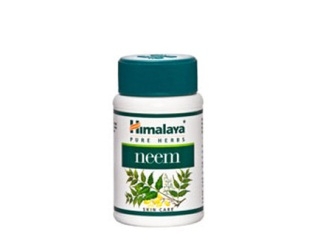
Neem (Azadirachta indica) — Information for UK Customers
Neem is a herbal product made from the Azadirachta indica tree, widely used in traditional systems of medicine. In the UK, neem supplements are commonly available as oral capsules, tablets, powders, or liquid extracts, and are also used in topical preparations (such as soaps or creams). This page provides patient-friendly, practical information about neem: how it may work, how the body handles it, typical uses, safe use, possible interactions, and what to consider when buying neem in the United Kingdom.
Basic product information
| Category | Details |
|---|---|
| Product name | Neem (Azadirachta indica) |
| Common forms | Capsules/tablets, powders, oral liquid extracts; topical products in some brands |
| Active compounds (examples) | Azadirachtin and other limonoids, nimbin/nimbidin, flavonoids, fatty acids (varies by product) |
| Typical use context | General wellness support; skin and hair support (for topical use); traditional use for metabolic and immune health |
| Who it may suit | Adults seeking herbal supplementation (not for everyone—see Safety Profile) |
| Country availability | Available via UK retailers (availability may vary by brand and regulatory status) |
How neem may work (mechanism of action)
Neem contains a range of plant compounds, and different neem products may standardise different constituents. Research suggests neem may support several biological pathways. The exact mechanism depends on the compound, the dose, and whether neem is taken orally or used topically.
- Anti-inflammatory activity: Limonoids and other phytochemicals may help reduce inflammatory signalling in laboratory and animal studies.
- Antioxidant support: Neem compounds can scavenge free radicals and may help protect cells from oxidative stress.
- Antimicrobial effects: Neem has demonstrated activity against certain bacteria and fungi in preclinical studies, which is one reason it is used in some topical and hygiene products.
- Metabolic effects (traditional and emerging evidence): Some studies suggest neem may influence blood sugar and lipid parameters, though evidence in humans is not as extensive as for established medicines.
- Skin and scalp support (topical context): Antimicrobial and anti-inflammatory properties may contribute to supportive effects for skin conditions such as mild irritation (topical use).
Important note: Herbal products do not work exactly like prescription medicines. Neem’s benefits may vary between individuals, and it may take time to observe any effect. Always follow the specific dosing instructions on your chosen UK product label.
Pharmacokinetics: what happens in the body
“Pharmacokinetics” describes absorption, distribution, metabolism, and elimination of a substance. For neem, human pharmacokinetic data are limited and can vary between product types (for example, different extracts, standardisation, and formulations). The following describes general expectations based on the available evidence and common behaviour of plant phytochemicals.
- Absorption: Oral neem constituents are absorbed to varying degrees. Some active compounds may have moderate bioavailability, and absorption can be influenced by the formulation and whether it is taken with food.
- Distribution: Plant compounds may distribute throughout body tissues, but data on tissue concentrations for neem constituents in humans are incomplete.
- Metabolism: Many phytochemicals are metabolised by liver enzymes and gut metabolism. The specific pathways for neem compounds can differ between limonoids and other neem constituents.
- Elimination: Metabolites are typically eliminated via bile and/or kidneys, though detailed human elimination studies are limited.
If your product includes a standardised extract, it may have better consistency than a non-standardised powder. Always choose reputable brands that provide clear ingredient information and batch quality control where available.
Typical uses of neem in the UK
In the UK market, neem is typically used as a dietary supplement or a wellness product. Because product claims are regulated and can vary by brand, you’ll commonly see neem marketed for:
- General wellbeing: Support for normal inflammatory balance and antioxidant activity.
- Skin and scalp support (topical products): Many neem-containing products are used for supportive care of skin and hair hygiene.
- Traditional metabolic support: Some people use neem traditionally to support healthy blood sugar and lipid levels. Evidence varies, and it should not replace lifestyle measures or standard medical care.
- Immune and environmental resilience: Some users take neem as part of broader wellness routines.
What neem is not: Neem supplements are not a substitute for proven treatments for infections, chronic conditions, or medical emergencies.
When to take neem (timing guidance)
Timing depends on your goals, your product form, and how your body responds. As a general approach:
- Consistency: Take neem at roughly the same time each day if you are using it regularly.
- Starting routine: Many people prefer taking neem with food to reduce the chance of stomach discomfort (see food interactions below).
- Observation window: If you’re using neem for general wellness, allow a few weeks to assess whether you notice any benefit.
- Stop if adverse effects occur: Stop and seek advice if you experience rash, persistent stomach upset, or other concerning symptoms.
Always follow the dosing instructions on your specific UK product label. Different extracts can have different strengths.
Dosing: how much neem to take
Neem dosing varies widely by product type (capsule strength, extract percentage, and standardisation). The safest approach is to use the manufacturer’s recommended dose.
General guidance (for reference only):
- Start low: If you’re new to neem, consider starting at the lowest label dose for your first week.
- Follow label dose: After tolerating it, use the standard recommended amount on the product.
- Do not exceed: Avoid higher doses than the label suggests, especially with concentrated extracts.
- Duration: If using for wellness, many people cycle use (for example, several weeks on then a break), but long-term continuous use should be discussed with a healthcare professional—particularly if you take other medicines.
Topical products: If you’re using a neem-containing cream/soap, follow the product’s directions. Patch test on a small area first to check for irritation.
Food interactions (including taking with meals)
Neem may interact with food in two main ways: (1) absorption and (2) stomach tolerance. While specific clinical interaction studies are limited, these practical points are commonly helpful:
- Take with food if you get nausea: Many people find oral neem is better tolerated with a meal or snack.
- Be cautious with high-fat meals: Some phytochemicals absorb better with fat; this can increase exposure and possibly side effects for sensitive individuals. If you are prone to stomach upset, stick to moderate meals.
- Maintain consistency: If you take neem with food, try to keep the routine similar each day.
Alcohol interactions
There is limited direct evidence on neem-alcohol interactions. However, as neem is metabolised in the body and can affect gastrointestinal comfort, alcohol may increase the risk of:
- Stomach irritation: Alcohol and herbal supplements can both irritate the stomach in some people.
- Dizziness or fatigue: Some users report these effects with herbal supplements; alcohol may worsen them.
- Liver strain concerns (in general): Alcohol can affect liver function. If you have liver disease or take medicines that affect the liver, speak to a healthcare professional before use.
Practical advice: If you choose to drink alcohol, consider spacing it away from your neem dose, start low, and stop if you experience adverse effects.
Interactions with medicines
Herbal products can interact with prescription and over-the-counter medicines, particularly those that affect blood sugar, blood clotting, blood pressure, or liver function. Neem’s potential effects on inflammatory and metabolic pathways may add to or alter the effects of some medicines.
Extra caution if you take the following (examples)
- Diabetes medicines: Because neem is sometimes used for glucose support, combining with blood sugar-lowering medicines could theoretically increase the risk of low blood sugar.
- Blood-thinning or antiplatelet medicines: If a product contains neem-derived compounds with potential effects on clotting or platelets, this could theoretically increase bleeding risk.
- Blood pressure medicines: Any herbal effect on circulation or fluid balance might affect blood pressure regulation.
- Liver-affecting medicines: If a medicine is metabolised by the liver, it may increase or change how substances are processed.
This is not a complete list. If you take any regular medicines, it’s sensible to check interactions with a healthcare professional or a pharmacist before starting neem.
Indications: what neem may help with
In the UK, neem supplements are commonly used for “wellness” purposes and supportive care, and marketing claims vary depending on the product and its compliance with UK/EU nutrition and health claim rules. Below are typical indications people seek with neem:
- Support for healthy immune function (general wellness context).
- Support for normal inflammatory balance (general wellness context).
- Antioxidant support.
- Support for skin hygiene and irritation (especially with topical formulations).
- Traditional support for metabolic parameters (e.g., blood sugar/lipids)—evidence varies.
Not for treatment: Neem is not an approved medicine for acute infections or serious conditions. If you have symptoms that worry you, seek appropriate medical advice.
Safety profile: who should avoid neem or seek advice
Neem products are generally used by healthy adults, but there are important safety considerations. Your risk depends on dose, formulation, your health status, and other medicines you take.
People who should avoid neem
- Pregnancy: Neem is traditionally avoided during pregnancy due to possible reproductive effects reported in preclinical studies.
- Breastfeeding: Safety data are limited; discuss with a healthcare professional before use.
- Children: Do not give neem to children unless specifically recommended by a qualified healthcare professional.
- Liver disease: If you have liver problems, check with a clinician/pharmacist first.
Use with caution
- Allergies: If you have known allergies to plants or herbal ingredients, take extra care.
- Bleeding disorders or surgery: If you have a condition affecting clotting or have upcoming surgery, seek advice first.
- Diabetes: Monitor blood glucose if you use neem alongside diabetes medicines.
- People taking multiple medicines: The likelihood of interactions increases with polypharmacy.
Possible side effects
Side effects are not guaranteed, but reported possibilities include:
- Gastrointestinal upset: nausea, stomach discomfort, or diarrhoea.
- Headache or dizziness: occasionally, especially after higher doses.
- Skin reactions: rash or itching—more likely with topical products.
- Low blood sugar symptoms: shakiness, sweating, or light-headedness in susceptible people (particularly if combined with diabetes treatment).
Stop and seek advice urgently if you develop signs of severe allergy (swelling of face/lips, difficulty breathing), persistent vomiting, severe abdominal pain, jaundice, or other serious symptoms.
Practical use tips for UK customers
- Choose quality products: Prefer brands that provide clear ingredient lists, standardisation details (where relevant), batch information, and UK compliance/label information.
- Patch test for topical use: Apply to a small area for 24–48 hours before wider use.
- Start gradually: Reduce the chance of stomach upset by starting at the lowest label dose.
- Keep track of effects: Note any symptoms or improvements to help you decide whether to continue.
- Check expiry dates: Supplements can lose potency over time.
- Store properly: Keep in a cool, dry place away from direct sunlight.
Alternative options
Depending on your goal, there may be other options with stronger evidence or a better fit for your needs:
- For skin hygiene: Look for well-tolerated topical antiseptic or anti-dandruff options (based on ingredients like salicylic acid, zinc pyrithione, or ketoconazole where appropriate—see product guidance).
- For antioxidant support: Consider general diet-focused approaches (fruits, vegetables, omega-3 sources). Supplements like vitamin C/E or polyphenol blends may be considered, but choose carefully.
- For metabolic wellness: Lifestyle measures (dietary fibre, exercise, weight management) are key. Discuss supplement options with a professional if you’re on diabetes medication.
- For antimicrobial needs: If you suspect infection, use appropriate medical evaluation rather than relying on supplements.
UK market and legal context (what it means for you)
In the UK, neem is generally sold as a food supplement (dietary supplement) or as an ingredient in personal care products. The specific status of each product depends on how it is presented and what claims are made.
What to expect from a compliant UK supplement
- Ingredient transparency: Labels should clearly list ingredients and recommended daily amounts.
- No misleading disease claims: Products must avoid unsubstantiated claims that imply treatment of specific diseases.
- Quality and safety: Responsible suppliers follow manufacturing standards and quality checks (exact standards can vary).
- Health and nutrition claims: Claims may be restricted; you should rely on label directions and evidence-based information.
Recent guidance and evidence considerations
Herbal supplement regulation and consumer guidance in the UK evolves over time. While there are no single “neem-specific” universal guidelines that apply to all products, the current UK approach generally emphasises:
- Checking label information: Confirm you know the exact form and daily amount.
- Considering interactions: Healthcare professionals frequently remind people that supplements can interact with medicines.
- Being cautious with concentrated extracts: Stronger extracts may carry higher risk of side effects.
- Quality sourcing: Choosing reputable suppliers reduces the risk of poor standardisation and contamination.
If you have a medical condition or take medicines regularly, the most up-to-date personalised advice should come from your pharmacist or GP.
Delivery, availability, and what to expect
Neem supplements are typically widely available across the UK through online retailers. Availability can vary by brand, extract type, and pack size. On this site, we aim to stock products with:
- Clear product descriptions: including form (capsule/tablet/powder), strength, and suggested use.
- Transparent labelling: ingredient list and recommended daily quantity.
- Batch and expiry information: where provided by the manufacturer.
- Reliable delivery options: standard and, where offered, expedited shipping within the UK.
Delivery tips: Store neem away from heat and moisture when it arrives, and check the expiry date before use.
FAQ: Frequently asked questions about Neem
1) What form of neem is best?
“Best” depends on your goal. Capsules or tablets are usually used for oral wellness support, while topical products may be used for skin/hair hygiene. Choose a reputable brand with clear ingredient information and follow label dosing.
2) How quickly will I notice effects?
Some people may notice changes in comfort or skin hygiene within a short period (especially with topical products), but for oral wellness support it may take a few weeks to assess effects. If you experience side effects, stop use.
3) Can I take neem on an empty stomach?
Some people tolerate neem on an empty stomach, but others find it causes stomach discomfort. If you’re unsure, start by taking it with food and keep the routine consistent.
4) Is neem safe for everyone?
No. Neem should be avoided in pregnancy and used cautiously in breastfeeding, in children, and in people with liver disease or on medicines that may interact. If you are unsure, speak to a pharmacist.
5) Can I take neem if I’m diabetic?
If you take diabetes medication, you should use caution. Neem may influence glucose-related pathways in some individuals, potentially increasing the risk of low blood sugar. Monitor carefully and seek professional advice.
6) Does neem interact with other medicines?
It may. Herbal supplements can interact with diabetes medicines, blood thinners, blood pressure medicines, and medicines that are processed by the liver. Always check with a pharmacist if you take regular medication.
7) Can I drink alcohol while taking neem?
There is limited direct evidence of a specific interaction. However, alcohol may worsen stomach irritation and may add stress on the liver in some situations. If you drink, consider spacing doses and monitor how you feel.
8) What should I do if I miss a dose?
Take it when you remember unless it’s close to the time for your next dose. Do not double up. Follow your product label.
9) Is neem the same as neem oil?
Not always. Neem oil (especially certain essential or concentrated oils) can be much stronger and may not be intended for oral use. Only take products labelled for oral consumption. For topical use, ensure it’s suitable for skin.
10) How should neem be stored?
Store in a cool, dry place, away from direct sunlight, and keep out of reach of children. Follow the packaging instructions.
Summary
Neem (from Azadirachta indica) is a plant-based supplement used in the UK for wellness and supportive care, with possible antioxidant, anti-inflammatory, and antimicrobial properties. Evidence varies by specific claim and product type. When used, follow the label dosing, consider taking it with food to improve tolerability, and be mindful of possible interactions with medicines—especially diabetes treatments and medicines affecting clotting or liver function. If you are pregnant, breastfeeding, or have a medical condition, seek advice before using neem.