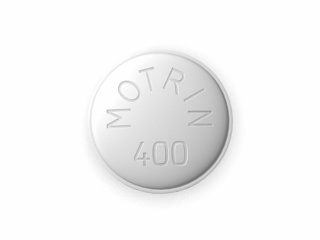

Motrin (Ibuprofen) — Pain Relief & Fever Reduction
Motrin contains ibuprofen, a widely used non-steroidal anti-inflammatory drug (NSAID). It helps relieve pain, reduces inflammation, and can bring down fever. This guide is designed to be patient-friendly and UK-focused, covering how Motrin works, how to take it safely, and what to watch for.
Quick overview
- Active ingredient: Ibuprofen
- Type: NSAID (painkiller and anti-inflammatory medicine)
- Common reasons to use: Headaches, toothache, period pain, muscle/joint pain, cold/flu fever
- Form: Tablets/capsules and other strengths depending on the product you choose
- Available in the UK: Widely available from pharmacies and other retailers for appropriate indications
Important safety note
Medicines should be used safely. Always follow the dose instructions on the pack or as advised by a healthcare professional. If you have a medical condition, take other medicines, or are pregnant, read the “Safety profile” section carefully. Stop use and seek medical advice if you experience serious or worsening symptoms.
How Motrin works (mechanism of action)
Ibuprofen works by reducing the activity of cyclo-oxygenase (COX) enzymes, which help produce prostaglandins. Prostaglandins are involved in:
- Pain signalling (making pain receptors more sensitive)
- Inflammation (swelling and irritation)
- Fever (raising the body’s temperature “set point”)
By lowering prostaglandins, Motrin can ease pain, reduce inflammation, and help reduce fever.
Pharmacokinetics (how the body handles ibuprofen)
Understanding how ibuprofen moves through the body can help you use it more effectively. The key points below are typical for ibuprofen tablets/capsules:
- Absorption: Ibuprofen is absorbed from the gut after swallowing.
- Onset of effect: Some relief may begin within 30–60 minutes for pain or fever, though this varies by person and dose form.
- Peak levels: Blood levels generally peak about 1–2 hours after a dose.
- Distribution and metabolism: Ibuprofen is metabolised mainly in the liver and cleared by the kidneys.
- Elimination: The half-life is typically around 2 hours, which is why repeated dosing is sometimes needed for ongoing symptoms.
Individual response varies—especially with age, kidney/liver function, and whether you take it with food.
Typical use in the UK
Motrin (ibuprofen) is commonly used for short-term relief of:
- Pain: headaches, migraine attacks (with appropriate dosing), dental pain, period pain, backache, joint pain, muscle strains
- Inflammation-related discomfort: sprains and mild inflammatory conditions (as advised)
- Fever: fever associated with colds and flu symptoms
- General aches and pains: such as those from viral illnesses, after physical activity, or minor injuries
Indications (what it is used for)
In the UK, ibuprofen is indicated for:
- Pain relief, including mild to moderate pain
- Fever reduction
- Inflammation and swelling associated with painful conditions
If you’re unsure whether Motrin is right for your symptoms, consult the product label and consider speaking with a pharmacist.
When and how to take Motrin (timing)
The best timing depends on whether you’re treating pain, fever, or both, and on the dosing frequency recommended for your specific strength. Many ibuprofen products are designed for repeat dosing over the day.
General timing guidance
- For pain or fever: take as soon as symptoms begin, or when you notice discomfort.
- For ongoing symptoms: space doses evenly according to the pack instructions (commonly every 6–8 hours depending on strength and age).
- Avoid doubling: do not take extra doses to “catch up”.
If you need to use Motrin for more than a few days, or if symptoms persist or worsen, it’s sensible to seek advice.
Dosing (adults and older people)
Dosing can vary by tablet strength and patient factors. Always follow the pack instructions. Below is general information that many UK over-the-counter ibuprofen products use for adults.
| Who | Typical dose (general guidance) | How often | Notes |
|---|---|---|---|
| Adults (and older people) | Often 200 mg per dose (some products may allow higher single doses) | Up to 3 times per day (depending on pack instructions) with spacing of at least 6–8 hours | Use the lowest effective dose for the shortest possible time |
| Children | Dosing depends on age and weight; use child-specific ibuprofen products and directions | Spacing and maximum daily dose depend on the child’s product strength | Never use adult tablets for children unless a clinician/pharmacist has instructed it |
Maximum daily dose: This depends on the product strength and whether you are following over-the-counter directions. Always check the pack for the maximum and do not exceed it.
How to swallow and take
- Swallow with water.
- If you experience stomach discomfort, taking with food may help.
- Do not crush or chew unless the specific product is designed for it.
Food interactions (taking with or without meals)
Ibuprofen can irritate the stomach in some people. Food may reduce stomach irritation and improve tolerability. This is especially relevant if you’re prone to indigestion or have taken other painkillers before.
- With food: often better tolerated; may reduce the chance of stomach upset.
- On an empty stomach: may work faster for some people, but it can increase the likelihood of nausea, burning, or indigestion.
If you have a sensitive stomach, consider taking ibuprofen with meals or milk (unless your clinician advises otherwise).
Alcohol and medicine interactions
Alcohol can increase the risk of stomach irritation and bleeding with NSAIDs, and may also increase dizziness. If you choose to drink alcohol, it’s best to do so carefully.
- Avoid heavy drinking: risk increases with higher alcohol intake.
- Watch for warning signs: stomach pain, black/tarry stools, vomiting blood, or unusual bruising require urgent medical attention.
Alcohol with Motrin: practical advice
- If you’ve been drinking, consider whether you need additional pain relief at all.
- Prefer food alongside your ibuprofen dose if you have consumed alcohol.
- If you regularly drink heavily, discuss NSAID use with a healthcare professional before taking Motrin.
Other medicine interactions
Ibuprofen can interact with several types of medicines. You should check with a pharmacist if you take any of the medicines below, or if you’re on long-term therapy.
Key interactions to be aware of
- Other NSAIDs (e.g., aspirin for pain, naproxen, diclofenac): avoid combining due to increased side effects.
- Blood thinners (e.g., warfarin): NSAIDs may increase bleeding risk.
- Antiplatelet medicines (e.g., clopidogrel): bleeding risk may increase.
- Low-dose aspirin: do not stop it unless advised. Some people can still take ibuprofen, but guidance varies—ask a clinician/pharmacist if unsure.
- Some antidepressants (SSRIs/SNRIs): may increase gastrointestinal bleeding risk when combined with NSAIDs.
- Diuretics (water tablets): combined use may affect kidney function in some people.
- ACE inhibitors / ARBs for blood pressure: may increase kidney risk when NSAIDs are used, especially if dehydrated.
- Oral steroids (e.g., prednisolone): increased stomach ulcer/bleeding risk.
- Lithium: ibuprofen may raise lithium levels.
- Methotrexate (at higher doses used under medical supervision): interactions may be significant.
- Digoxin: may increase digoxin levels.
This list isn’t exhaustive. For the safest approach, check the pack leaflet and confirm with a pharmacist if you’re taking other medicines, including herbal products and supplements.
Safety profile (who should take extra care)
Ibuprofen is generally effective and well tolerated when used correctly. However, NSAIDs can cause side effects, and some people should avoid them or seek advice first.
Common side effects
- Heartburn or indigestion
- Nausea or stomach discomfort
- Headache (rarely)
- Dizziness (occasionally)
Serious side effects — seek urgent medical help
- Signs of stomach bleeding: black/tarry stools, vomiting blood, severe stomach pain
- Allergic reactions: swelling of face/lips, difficulty breathing, widespread rash
- Severe skin reactions: blistering rash or peeling skin
- Breathing problems in people with NSAID-sensitive asthma
- Unexplained bruising or bleeding
- Sudden weight gain, swelling, reduced urination (possible kidney problems)
When ibuprofen may not be suitable
Take extra care or seek advice if you have any of the following:
- A history of stomach ulcers or gastrointestinal bleeding
- Kidney disease or dehydration (e.g., persistent vomiting/diarrhoea)
- Heart disease, previous stroke, or uncontrolled blood pressure (NSAIDs may not be suitable)
- Asthma that is made worse by NSAIDs
- Pregnancy: NSAIDs are generally avoided, especially later in pregnancy—follow UK advice from a clinician or pharmacist
- Regular use of multiple painkillers or existing use of other NSAIDs
Risk considerations
The risk of side effects can increase with higher doses and longer use. Using the lowest effective dose for the shortest time helps reduce risk.
Practical use tips for better outcomes
- Start with the lowest effective dose: take only what’s needed for symptom relief.
- Don’t overlap NSAIDs: avoid taking ibuprofen alongside other NSAID painkillers.
- Plan around meals: if you get indigestion, take with food.
- Hydrate: dehydration can increase kidney-related risk.
- Track symptoms: if pain lasts beyond a few days or fever persists, seek advice.
- Check labels: some cold/flu products contain pain relievers—avoid doubling up.
Alternative options
If ibuprofen isn’t suitable, alternatives may include other OTC pain and fever medicines or non-medicinal approaches. Which option is best depends on your symptoms and medical history.
Other pain and fever relief medicines
- Paracetamol (acetaminophen): often a good option for fever and pain, especially if NSAIDs aren’t suitable. Some people can use paracetamol instead of ibuprofen or in carefully planned regimens as advised.
- Topical treatments: gels/creams for localized muscle or joint pain can be helpful with fewer stomach risks.
- Antihistamines or decongestants (for cold symptoms): may help specific symptoms, but they don’t treat fever/pain directly like ibuprofen.
Non-medicine measures
- Rest and gentle movement for strains or minor injuries
- Cold or heat therapy depending on the condition (e.g., cold for fresh injury, heat for stiffness)
- Hydration during febrile illnesses
- Warm compresses for some types of cramps
Market and legal context for the UK
In the United Kingdom, medicines containing ibuprofen are available through different routes depending on strength and formulation. Many ibuprofen products are supplied as pharmacy (P) or general sales list (GSL) medicines for self-care. Availability and restrictions can vary by product and dose.
UK regulations also require clear consumer information on:
- Indications and dosing
- Contraindications and warnings
- Possible interactions
- Maximum daily dose information
- Guidance on when to seek medical advice
When purchasing online, make sure you select the correct product for the intended person (adult vs child) and follow label instructions.
Recent guidance and safe use considerations in the UK
UK safety messaging over time has emphasised cautious NSAID use, particularly regarding stomach protection, cardiovascular risk, kidney considerations (especially with dehydration), and interactions with other medicines. Health authorities continue to recommend:
- Using the lowest effective dose for the shortest possible time
- Not combining NSAIDs together
- Checking for medicine interactions, especially blood thinners, steroids, and other medicines that affect bleeding risk
- Seeking advice if symptoms persist or worsen
Always check the specific leaflet supplied with your Motrin product, as formulations and strength differ.
Delivery and availability (UK online pharmacy)
Motrin (ibuprofen) is commonly stocked by UK online pharmacies and may also be available in many local pharmacies. Availability can vary by strength and pack size.
- Typical availability: Often available for rapid dispatch if in stock.
- Delivery times: Depend on your chosen delivery method and local carrier schedules.
- Order handling: Orders may be processed during working days or subject to cut-off times.
If you have urgent symptoms or need a specific strength/formulation, consider checking stock status and delivery estimates before placing an order.
FAQ
1) How quickly does Motrin start working?
Many people begin to feel relief within 30–60 minutes. For some symptoms, effect may be slower. Peak blood levels are typically reached after about 1–2 hours.
2) Can I take Motrin with food?
Yes. Taking with food can help reduce stomach upset. If you’ve had indigestion or nausea from painkillers before, food is usually a sensible option.
3) Can I drink alcohol while taking ibuprofen?
It’s best to avoid or minimise alcohol. Alcohol can increase the risk of stomach irritation and bleeding and may increase dizziness. If you drink, do so cautiously and consider taking with food.
4) Can I take Motrin with other painkillers?
Avoid combining with other NSAIDs (such as naproxen or diclofenac). You may be able to use other medicines like paracetamol in some cases, but only follow a planned regimen and check the pack instructions or seek advice.
5) What if I miss a dose?
If you’ve missed a dose, take it when you remember unless it’s nearly time for the next dose. Do not take extra to make up for the missed dose.
6) Who should not take ibuprofen?
People with a history of NSAID-triggered allergic reactions, stomach ulcers/bleeding, certain kidney or heart conditions, NSAID-sensitive asthma, or those who are pregnant (particularly later pregnancy) should seek advice before use. Always check the leaflet for your specific product.
7) How long can I use Motrin?
Use the lowest effective dose for the shortest period needed. If pain lasts longer than a few days, fever persists, or symptoms worsen, seek medical advice.
8) What should I do if I get stomach pain or black stools?
Stop the medicine and seek urgent medical advice. Black/tarry stools and vomiting blood can be signs of gastrointestinal bleeding.
9) Is ibuprofen safe for children?
Ibuprofen for children should be selected as a child-specific product with dosing based on age and weight, using the directions on the pack or from a pharmacist. Do not use adult tablets for children without proper guidance.
10) Can ibuprofen affect kidneys?
It can, particularly in people who are dehydrated, have kidney disease, or who take certain other medicines. Drink fluids and seek advice if you have underlying kidney problems or reduced urination.
Summary
Motrin (ibuprofen) is an effective NSAID for short-term relief of pain, inflammation-related discomfort, and fever. Take it as directed, consider taking with food if you get indigestion, and avoid combining with other NSAIDs. If symptoms persist or you experience severe side effects, seek medical advice promptly.