Myambutol (ethambutol hydrochloride) — Patient Information
Myambutol is a medicine containing ethambutol hydrochloride, used as part of combination treatment for certain serious bacterial infections—most importantly tuberculosis (TB) caused by organisms that may be sensitive to ethambutol. Because ethambutol is used alongside other medicines, the correct regimen and regular monitoring are essential.
This guide is written for patients in the United Kingdom and explains how Myambutol works, how it is usually taken, interactions, safety information, and practical tips to help you use it confidently.
1. Basic product information
- Medicine name: Myambutol
- Active ingredient: Ethambutol hydrochloride
- Class: Anti-tuberculosis (anti-mycobacterial) antibiotic
- How it is used: Usually in combination with other TB medicines
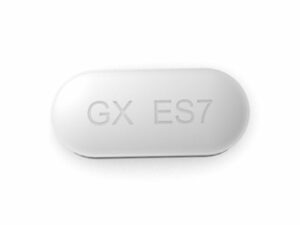
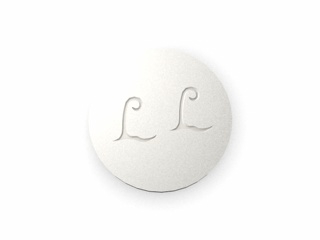
- Common formulations: Tablets (strengths may vary by product/packaging)
Important: Always follow the instructions provided with your specific pack and the regimen set out by your healthcare team. Dosing schedules for TB often depend on your exact diagnosis, weight, kidney function, and other medicines in your regimen.
2. How Myambutol works (mechanism of action)
Ethambutol works by interfering with the ability of certain bacteria to build their cell wall.
- Target: It inhibits the formation of mycobacterial cell wall components (commonly described as affecting synthesis of arabinogalactan by inhibiting the enzyme Arbinosyltransferase in mycobacteria).
- Effect: This weakens the cell wall structure, making the bacteria unable to grow and multiply effectively.
- Role in TB treatment: Ethambutol is typically used to prevent or treat TB caused by susceptible strains, and to help prevent the development of resistance when used in combination.
Ethambutol is most relevant for infections caused by Mycobacterium tuberculosis and, in some circumstances, other susceptible mycobacteria.
3. Pharmacokinetics (how your body handles it)
Understanding how ethambutol behaves in the body can help explain dosing frequency and why kidney function matters.
- Absorption: Ethambutol is absorbed after oral administration.
- Distribution: It distributes into body tissues and reaches areas relevant to TB infection.
- Metabolism: It is metabolised to some extent.
- Elimination: It is mainly cleared by the kidneys.
- Half-life: The time it takes for the level in your blood to drop by half can vary, particularly with renal impairment.
Why this matters: If you have reduced kidney function, ethambutol can build up in your system more easily, increasing the risk of side effects (including eye-related effects). Your healthcare team may adjust the dose or frequency.
4. Typical use in the UK
In the United Kingdom, ethambutol-containing regimens are used mainly for tuberculosis. TB treatment typically involves multiple antibiotics to improve cure rates and limit the chance of drug resistance.
Myambutol is generally used in settings such as:
- Newly diagnosed TB (as part of first-line combination therapy, depending on your regimen)
- Suspected or confirmed drug resistance (where ethambutol may still be included based on susceptibility testing and clinical guidance)
- TB in children or adults where ethambutol is considered appropriate (dosing is weight-based and monitoring is important)
Always remember: TB medicines are taken for a defined length of time. Stopping early or missing doses can reduce effectiveness and contribute to resistance.
5. Indications (what it is used for)
Myambutol (ethambutol hydrochloride) is indicated as part of combination therapy for infections due to ethambutol-susceptible mycobacteria, particularly:
- Pulmonary and extrapulmonary tuberculosis (as part of appropriate multi-drug TB regimens)
- Other mycobacterial infections where ethambutol is considered suitable by specialists, based on susceptibility and clinical circumstances
6. Dosing and timing
Dosing depends on several factors, including your body weight, the specific TB regimen, and your kidney function. In many TB regimens, ethambutol is taken once daily (or sometimes other schedules) as part of the combination.
Typical approach (general guidance):
- Often dosed by weight.
- Used together with other TB medicines.
- Dose adjustment may be needed in renal impairment.
How to take it:
- Try to take it at the same time each day.
- Use a consistent daily routine to improve adherence.
- If you miss a dose, follow your prescriber/pharmacist advice for your situation. In general, do not double up without guidance.
Timing with meals: Ethambutol can be taken with or without food for many people. See the food interaction section below for practical considerations.
Duration: TB treatment is usually measured in months. Continue for the full prescribed regimen length unless told otherwise by your healthcare team.
7. Food interactions
Ethambutol tablets are generally taken without major restrictions regarding specific foods. However, practical points can improve comfort and consistency:
- Regular meal routine: Taking your dose at a consistent time (with or after food) can help you remember.
- Stomach upset: If you experience nausea or stomach discomfort, taking the tablet with food may be more comfortable (unless your instructions say otherwise).
- Hydration: Maintain good hydration, especially if you have kidney concerns.
If you notice a clear pattern (e.g., symptoms worsen after taking with certain foods), discuss it with your pharmacist or clinic.
8. Alcohol and medicine interactions
Alcohol: While ethambutol itself is not primarily described as having a direct “alcohol-disulfiram-like” interaction, alcohol is generally not recommended during TB treatment because:
- TB regimens often include medicines that can affect the liver (for example, some commonly used TB antibiotics), and alcohol may add to this risk.
- Alcohol can worsen fatigue, adherence, and overall tolerance of medicines.
Medicine interactions: Ethambutol may have important interaction considerations mainly through shared side effects (particularly vision-related effects) and kidney clearance. Always tell your healthcare team about all medicines and supplements you take, including:
- Other TB medicines in your regimen
- Kidney-impacting medicines (some medicines can affect renal function)
- Medicines associated with vision changes (your clinician may check cumulative risk)
- Herbal products and supplements (some may affect how medicines are handled by the body)
If you are taking other medicines that can influence kidney function or overall toxicity, your healthcare team may adjust monitoring or dosing.
9. Safety profile
Most people tolerate Myambutol reasonably when used correctly and monitored appropriately. However, there are key safety concerns—especially related to eyesight.
Key side effects to watch for
Vision problems (important): Ethambutol can affect the optic nerve. Seek urgent advice if you develop:
- Reduced vision or blurred vision
- Changes in colour vision (difficulty distinguishing red/green)
- Pain around the eyes, or new visual discomfort
- Symptoms that progress over days
Action: Contact your healthcare team promptly if you notice any visual changes. Early assessment is important.
Other possible side effects
- Headache
- Dizziness
- Nausea or stomach upset
- Rash (less common)
- Increased liver enzymes or liver-related effects (especially relevant as TB regimens often include liver-active medicines)
- Changes in blood counts (may occur with certain antibiotics; your team may monitor blood tests)
Who needs extra caution?
- People with kidney impairment (risk of higher ethambutol levels)
- Older adults (more likely to have reduced kidney function)
- People with existing eye/optic nerve conditions
- Children (monitoring may require additional support to identify early symptoms)
Monitoring
Your healthcare team may arrange:
- Eye tests (vision and colour vision) before treatment and during therapy, particularly if higher risk factors exist
- Kidney function tests to guide dosing
- Blood tests as appropriate for the full TB regimen
10. Practical use tips
TB treatment often runs for a long time, so practical strategies can help you stay safe and consistent.
- Set reminders: Use a phone alarm, pill organiser, or medication app.
- Use a pill organiser: Helps reduce dosing errors—especially if your regimen is complex.
- Keep a checklist: If multiple TB tablets are taken, confirm the correct combination each day.
- Report vision changes early: Don’t “wait and see” if colour vision or clarity changes.
- Stay hydrated: Particularly important if you have kidney concerns.
- Follow lab/clinic appointments: Eye and blood monitoring protects you and improves treatment safety.
- Don’t stop or skip: Consistent dosing is key for effective TB treatment.
11. Alternative options
Alternative TB medicines may be used depending on your diagnosis, susceptibility testing, past treatment history, and local guidance. Your healthcare team decides which medicines are appropriate.
Examples of alternative or companion medicines used in TB regimens may include (depending on the case):
- Isoniazid
- Rifampicin (or rifabutin in certain circumstances)
- Pyrazinamide
- Ethambutol alternatives in certain regimens may include medicines from other drug classes, guided by resistance patterns
Important: Do not substitute ethambutol with another medicine without specialist advice. TB regimens are carefully constructed to work together.
12. UK market and legal context (patient-friendly overview)
In the United Kingdom, medicines are regulated by the Medicines and Healthcare products Regulatory Agency (MHRA). TB medicines, including ethambutol-containing products, are dispensed within established NHS and private healthcare pathways in line with clinical governance and patient safety requirements.
Availability may vary by:
- Formulation and pack size
- Prescriber and clinic protocols
- Pharmacy supply levels and wholesaler distribution
If you need help finding a specific strength or pack size, contact the pharmacy team before ordering to confirm availability.
13. Recent guidance (high-level)
TB treatment decisions and monitoring practices are informed by UK clinical guidance and national health recommendations. These typically emphasise:
- Combination therapy to improve effectiveness and prevent resistance
- Monitoring for ethambutol-related ocular toxicity (especially with risk factors)
- Adherence support throughout long treatment courses
- Individualised dosing based on weight and kidney function
Your clinic may update monitoring schedules according to your risk profile and treatment response. If you have questions, ask your TB team or pharmacist.
14. Delivery and availability in the UK
Online pharmacies in the UK typically supply medicines according to regulatory requirements and available stock through approved distribution routes. Delivery times may vary depending on:
- Your postcode area and local delivery capacity
- Whether the medicine is currently in stock
- Order cut-off times for same/next working day dispatch (where offered)
Packaging: Your medicine will usually be supplied in secure, labelled packaging with patient information included.
Stock checks: If Myambutol isn’t available immediately, the pharmacy may offer alternative strengths/pack sizes where appropriate, or advise on restock timing.
15. When to seek medical advice urgently
Contact urgent medical services or your healthcare team promptly if you experience:
- Sudden or worsening visual symptoms (loss of clarity or colour vision changes)
- Severe allergic-type reactions (e.g., swelling of face/lips, difficulty breathing, widespread rash)
- Severe or persistent vomiting, severe dizziness, or signs of dehydration
- Unexplained weakness with concerning symptoms, especially if you feel significantly unwell
If you are unsure whether symptoms are urgent, it is safer to seek advice early.
16. FAQ — Myambutol (ethambutol hydrochloride)
1) What is Myambutol used for?
Myambutol contains ethambutol and is used as part of combination treatment for tuberculosis and other susceptible mycobacterial infections, as advised by clinicians.
2) How should I take it?
Take your Myambutol exactly as instructed with your TB regimen. Many people take it once daily, but the schedule can vary depending on the overall treatment plan. Use the same time each day when possible.
3) Can I take Myambutol with food?
It is often possible to take ethambutol with or without food. If you experience nausea, taking it with food may help. Always follow your own pack instructions.
4) What should I do if I miss a dose?
For missed doses, follow the advice given by your healthcare team or pharmacist. In many cases, if you remember soon after, you may take it; however, you should not double up unless specifically instructed.
5) Does Myambutol affect eyesight?
Yes. Ethambutol can cause optic nerve-related vision changes. Report symptoms such as blurred vision or colour vision changes promptly.
6) How often will I need eye tests?
Monitoring schedules vary by individual risk, dose, and treatment duration. Your clinician may arrange baseline and follow-up tests—especially if you have risk factors such as kidney impairment.
7) Can I drink alcohol while on Myambutol?
Alcohol is generally discouraged during TB treatment, particularly because TB regimens often include medicines that may affect the liver and overall tolerance. Ask your TB team for specific advice for your regimen.
8) Are there kidney considerations?
Because ethambutol is mainly eliminated by the kidneys, dose adjustment may be needed if you have reduced kidney function. Your healthcare team may monitor kidney tests.
9) What if I’m taking other medicines?
Tell your pharmacist about all medicines and supplements. Interactions can be important due to shared side-effect risk and changes in how medicines are processed by the body.
10) Is Myambutol available in the UK?
Availability depends on supply and pack strength. Online pharmacies may have different dispatch times. You can check stock status during ordering or contact the pharmacy team.
17. Summary
Myambutol (ethambutol hydrochloride) is an anti-mycobacterial medicine used mainly as part of combination therapy for tuberculosis. It works by interfering with mycobacterial cell wall formation. Because ethambutol can affect the optic nerve and because it is cleared by the kidneys, safe use relies on correct dosing, adherence, and regular monitoring—particularly of vision and kidney function.
If you have questions about your regimen, side effects, or how to take Myambutol safely, speak to a qualified healthcare professional or your pharmacist.