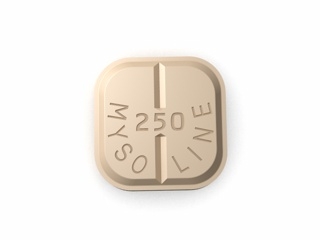


Mysoline (Primidone) – Patient Information
Mysoline contains the active ingredient primidone, an anti-epileptic medicine used to help control certain seizure disorders. This page explains how Mysoline works, how it is taken, common interactions, and practical tips for safe use in the UK.
Always follow the advice given by your healthcare professional. If you have questions about your individual situation—such as dose changes, side effects, or whether a medicine is safe for you—speak to a pharmacist or doctor.
1) Basic product information
Brand name: Mysoline
Generic name: Primidone
Medicine type: Anti-epileptic (antiepileptic / antiepileptic)
Common forms: Tablets (strengths vary by product presentation)
Availability in the UK: Generally available through community and online pharmacies (subject to stock and local supply).
Note: Brand appearance and tablet strength can vary. Check your packaging for the correct strength and instructions.
2) How Mysoline works (mechanism of action)
Primidone helps reduce abnormal electrical activity in the brain that can cause seizures. It works in part by:
- Increasing inhibitory effects in the brain (making it less likely that seizures will spread).
- Modulating neuronal signalling (helping stabilise the brain’s electrical activity).
- Primidone is also metabolised in the body to an active metabolite called phenobarbital, which contributes to its overall anti-seizure effect.
The result is improved control of seizure frequency and severity for many people, although seizure control may take time and often depends on reaching the right dose.
3) Pharmacokinetics (how the body handles primidone)
“Pharmacokinetics” describes how the body absorbs, distributes, metabolises, and eliminates a medicine.
Absorption
Primidone is absorbed after oral dosing. Food may change how quickly it reaches peak levels, but it does not usually eliminate the overall effect.
Metabolism
Primidone is metabolised, including conversion to phenobarbital, which has its own pharmacological activity.
Distribution
Like many anti-epileptics, primidone and its metabolites distribute through body tissues, including the central nervous system.
Elimination
Primidone and metabolites are eliminated primarily via the kidneys and through metabolic pathways in the liver.
Because primidone and phenobarbital can have relatively long-lasting effects, dose adjustments should be done carefully and gradually under clinical guidance.
4) What Mysoline is used for (indications in plain language)
Mysoline is used to treat certain types of epilepsy and related seizure conditions. It may be recommended when it suits a person’s seizure pattern and medical history.
Depending on local clinical decisions and product information, primidone is commonly considered for:
- Epilepsy, including some seizure types where an anti-epileptic barbiturate-type medicine may be appropriate.
- Treatment of certain tonic-clonic seizures and other seizure patterns, as determined by a clinician.
- Severe control needs when other options are unsuitable or not effective.
Your healthcare professional will decide which seizure type you have and whether primidone is the best option. If you are unsure why this medicine was chosen, ask your pharmacist or doctor.
5) Timing and how to take Mysoline
The dosing schedule varies by person. Primidone is often started at a low dose and increased gradually to reduce the risk of side effects, especially during the first few weeks.
Common timing guidance
- Take your doses at the same times each day to maintain steady levels.
- If your dosing plan involves more than one tablet per day, spread them evenly where possible.
- When you begin or increase the dose, you may be advised to take doses around the time of lower activity (for example, evening dosing) if drowsiness occurs.
Missed dose
If you miss a dose, take it as soon as you remember unless it is close to the next dose. Do not take a double dose to make up for a missed tablet.
If you’re unsure, ask a pharmacist for advice specific to your schedule.
6) Food interactions and meal considerations
Food can influence how quickly primidone is absorbed. In practice, many people can take primidone with or without food, but what matters most is consistency and tolerability.
- If you notice nausea or stomach upset, taking primidone with food may help.
- If your clinician/pharmacist told you a specific schedule (for example, with meals), follow that advice.
- Avoid large changes in meal timing suddenly if you notice that seizures or side effects worsen when routine changes.
7) Alcohol and medicine interactions
Alcohol
Alcohol may increase drowsiness and impair judgement when taken with primidone. It can also worsen seizure control in some people.
For safety, it is usually recommended to avoid alcohol or keep it to an absolute minimum, and never to “test” your reaction by drinking. Ask your pharmacist for personalised advice.
Interactions with other medicines
Primidone may interact with other medicines, including those that affect the liver enzymes that process drugs. Some interactions can reduce effectiveness or increase side effects.
Tell your healthcare professional about all medicines you take**, including:
- Over-the-counter medicines (including cold/flu remedies)
- Herbal products (for example, St John’s wort)
- Supplements and vitamins
- Any recreational substances
Examples of medicines that may interact include:
- Other sedatives or medicines causing sleepiness (e.g., some anxiety medicines, strong pain medicines, antihistamines).
- Medicines for epilepsy (dose and blood levels may need adjusting when combinations are used).
- Oral contraceptives: enzyme-inducing anti-epileptics can potentially reduce contraceptive effectiveness in some situations—seek medical advice about reliable contraception.
- Warfarin or other anticoagulants: effects may be altered and monitoring may be needed.
- Antidepressants or antipsychotics: risk of increased sedation or altered levels may occur.
This is not a complete list. Always check with a pharmacist before starting, stopping, or changing another medicine.
8) Dosing: what to expect when starting or adjusting
Primidone treatment typically begins at a low dose and is increased gradually (“titrated”) until adequate seizure control is achieved and side effects are manageable.
Your dose will depend on factors including your age, seizure type, liver and kidney function, other medicines you take, and how you respond to treatment.
Typical approach (general)
- Start low to reduce the chance of early side effects.
- Increase slowly at intervals advised by your clinician.
- Review response after stabilising on a dose, and adjust further if needed.
Do not change dose on your own
Stopping primidone suddenly can increase the risk of seizures and may also cause withdrawal-type symptoms. Changes should be planned with a healthcare professional.
9) Safety profile: side effects and what to do
Like all medicines, Mysoline (primidone) can cause side effects. Many are more common at the beginning of treatment or after dose increases and may improve as your body adjusts.
Common side effects
- Drowsiness or tiredness
- Dizziness
- Nausea or stomach discomfort
- Headache
- Unsteadiness (especially when starting or increasing dose)
Less common but important
- Skin reactions (rashes) — seek advice promptly if you develop a rash.
- Mood changes or increased irritability.
- Blood disorders (rare) — your clinician may monitor blood counts if required.
- Breathing difficulties (rare) particularly when combined with other sedating medicines.
Seek urgent medical help if you have
- Signs of a severe allergic reaction (swelling of face/lips, difficulty breathing)
- Severe rash, blistering, or skin peeling
- Unusual severe drowsiness, confusion, or fainting
- Breathing problems
Driving and operating machinery
Primidone can cause drowsiness and impair coordination. In the UK, you must follow legal and medical advice about driving. Avoid driving or dangerous activities until you know how the medicine affects you.
10) Practical use tips for patients
- Start routine-based dosing: choose times that fit your day and help you remember.
- Be careful with falls: dizziness or unsteadiness can increase the risk of falls—take extra care at night or when standing up quickly.
- Keep a side effect diary: note timing, severity, and any triggers to help your clinician adjust your dose safely.
- Do not stop suddenly: if you feel unwell or notice side effects, contact your healthcare professional before changing the dose.
- Carry information: consider keeping details of your medication in case of emergency.
- Attend reviews: follow-up appointments help check seizure control and side effects.
- Check other medicine labels: primidone can interact with sedating or liver-metabolised medicines—ask before combining.
11) Monitoring and follow-up
Your clinician may arrange follow-up based on your seizure control, tolerability, and safety needs. In some cases, blood tests may be considered depending on clinical circumstances (for example, when symptoms suggest side effects or if doses change significantly).
If you experience new symptoms—worsening balance, unusual bruising, persistent infections, severe fatigue, or mood changes—seek medical advice promptly.
12) Alternative options to consider
If Mysoline is not suitable or not effective, there are other anti-epileptic medicines available. The best alternative depends on the seizure type, your age, other health conditions, and your current medicines.
Examples of alternative anti-epileptic medicines (not an exhaustive list):
- Levetiracetam
- Lamotrigine
- Valproate (where clinically appropriate)
- Carbamazepine
- Topiramate
- Oxcarbazepine
Switching medicines should be done carefully with a plan to reduce breakthrough seizures and side effects. Discuss alternatives with your neurologist or epilepsy specialist.
13) UK market and legal context (what it means for you)
In the United Kingdom, medicines like primidone are regulated by the Medicines and Healthcare products Regulatory Agency (MHRA) and are supplied in line with UK medicines legislation. Anti-epileptic medicines are subject to strict safety monitoring and guidance.
For patients, this typically means:
- Medicines are supplied via appropriate channels (e.g., community pharmacy supply processes).
- Prescribing and reviewing are based on local clinical guidelines and patient-specific factors.
- Patients should be given clear instructions about dose, side effects, and safety monitoring.
Your pharmacy can help you understand the product you are receiving, including strength and how to take it safely.
14) Recent guidance and clinical notes (high-level)
Over time, UK and international epilepsy care continues to emphasise:
- Individualised seizure management based on seizure type and patient needs.
- Gradual titration to improve tolerability when starting or increasing anti-epileptic medicines.
- Regular medication review to minimise side effects while maintaining seizure control.
- Safety counselling (e.g., driving, alcohol, and interaction awareness).
If you are newly started on primidone or switching from another medicine, your clinician may schedule closer follow-up early in treatment.
15) Delivery and availability (UK)
Mysoline may be available from online pharmacies in the UK subject to stock status and manufacturer supply. Delivery options typically depend on your postcode and the pharmacy’s delivery partner.
What to check before ordering
- Tablet strength and pack size: confirm you’re ordering the correct product strength.
- Quantity required: ensure it matches your dosing schedule.
- Delivery times: delivery speed varies; check estimated dispatch and delivery windows.
If you have time-critical needs (for example, running low on tablets), contact customer services early so they can help check availability.
16) FAQ
How long does it take for Mysoline (primidone) to work?
Some people notice benefits after the initial period, but seizure control often improves over days to weeks as the dose is increased to an effective level. Keep taking it as directed and discuss progress with your clinician.
Can I take Mysoline with food?
Many people can take primidone with or without food. If you find it upsets your stomach, taking it with a meal may improve comfort—aim to keep your routine consistent.
What should I do if I feel very drowsy after a dose increase?
Drowsiness can occur, especially during early treatment or after increasing dose. Do not stop the medicine suddenly. Contact your pharmacist or prescriber promptly; they may advise adjusting timing or dose.
Is it safe to drink alcohol while taking primidone?
Alcohol can increase drowsiness and may worsen safety. It can also reduce seizure control in some individuals. It is generally best to avoid alcohol or keep it very limited—ask your pharmacist for personalised advice.
Can primidone interact with other epilepsy medicines?
Yes. Combination therapy is sometimes used, but dose adjustments and monitoring may be needed to manage side effects and maintain control.
Will Mysoline affect contraception?
Some anti-epileptic medicines can reduce the effectiveness of hormonal contraception in certain circumstances. If contraception is relevant to you, speak to your clinician or pharmacist about the most reliable options.
What if I miss a dose?
Take it when you remember unless it is close to the next dose. Do not take a double dose. If you are unsure, ask a pharmacist for advice.
Can I stop taking Mysoline suddenly?
Stopping suddenly can increase the risk of seizures and may cause withdrawal-type symptoms. Any stopping or dose reduction should be done gradually under medical guidance.
Are there any practical precautions at home?
Yes—be cautious with activities that could lead to falls. Take care standing up quickly, avoid sleeping tablets or other sedatives unless approved, and keep an eye on balance and drowsiness.
Product information summary
| Topic | Key points |
|---|---|
| Active ingredient | Primidone |
| Medicine type | Anti-epileptic (antiepileptic) |
| Common use | Management of certain seizure disorders (as determined by a clinician) |
| How it helps | Reduces abnormal brain electrical activity; metabolises to phenobarbital |
| When to take | Follow your schedule; take at consistent times and increase doses gradually if starting |
| Food | May be taken with or without food; follow advice on your label; consistency helps |
| Alcohol | May increase drowsiness and affect safety; generally avoid or minimise |
| Common side effects | Drowsiness, dizziness, unsteadiness, nausea (often early in treatment) |
| Safety | Do not stop suddenly; seek urgent help for severe rash, breathing problems, or severe reactions |
Disclaimer: This information is intended for general understanding of Mysoline (primidone). It does not replace advice from your clinician or pharmacist. If you have concerns about side effects, interactions, or suitability for your health situation, seek professional guidance.