Tiotropium Bromide (Inhalation) – Patient Information (UK)
Tiotropium bromide is a long-acting inhaled medicine used to help control breathing problems in people with chronic obstructive pulmonary disease (COPD) and in some cases for asthma when recommended by a clinician. It works by relaxing the airway muscles and helping to keep the airways open, making it easier to breathe over the long term.
This page explains how tiotropium bromide works, how it is typically used, important safety information, and practical tips for getting the best results from your inhaler—tailored for customers in the United Kingdom.
Quick facts
- Medicine name: Tiotropium bromide
- Type: Long-acting muscarinic receptor antagonist (LAMA)
- How it’s taken: Inhalation (usually via a dry powder inhaler or soft mist device, depending on brand)
- Common conditions: COPD (most common), sometimes asthma in selected patients
- Typical effect: Helps reduce breathlessness and improves lung function for up to 24 hours
- Food interaction: Generally none expected because it acts locally in the lungs
- Key safety notes: Keep inhaler technique correct; seek help for severe allergic reactions or sudden worsening breathing
Basic product information
Tiotropium bromide is an inhaled medicine belonging to the anticholinergic (also called antimuscarinic) group. It is designed for once-daily use in most COPD treatments (with some products differing by device and brand). Your exact dosing depends on the specific inhaler you have been given.
What strengths and presentations might be available in the UK?
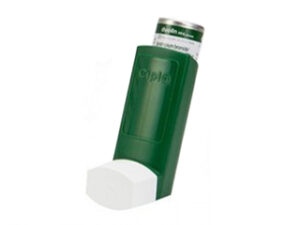
Tiotropium bromide is marketed under different brand names and inhaler types. Common UK options include:
- Dry powder inhalers (DPI): You breathe in through the device to inhale the medicine as a powder.
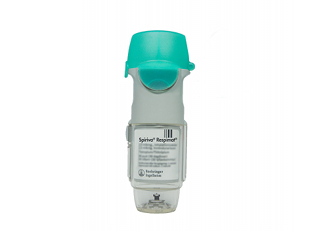
- Soft mist inhalers: A slow-moving mist helps you inhale the dose effectively.
Always check the label on your specific product for the correct dose and inhalation instructions.
How it works (mechanism of action)
Tiotropium bromide blocks receptors in the airways called muscarinic (M3) receptors. In COPD and some airway diseases, signals through these receptors can cause airway muscles to tighten and increase mucus production.
By blocking these receptors, tiotropium:
- Relaxes airway muscles (bronchodilation)
- Helps keep the airways open for longer
- Reduces airway constriction triggered by cholinergic activity
Because it is a long-acting medicine, it provides sustained symptom relief rather than fast “rescue” relief during sudden attacks.
Pharmacokinetics (how the body handles it)
Tiotropium bromide mainly acts in the lungs. After inhalation, only a portion is absorbed into the bloodstream. Key points include:
- Local lung action: The therapeutic effect is primarily due to drug levels at the airway receptors.
- Absorption: Inhaled tiotropium can be absorbed through lung tissue and, to a smaller extent, from the gastrointestinal tract if some swallowed material occurs.
- Distribution: It distributes into body tissues and is present at therapeutic levels for a prolonged effect.
- Metabolism and elimination: Tiotropium is mainly excreted by the kidneys. The long duration of action is partly due to its slow dissociation from muscarinic receptors.
- Effect duration: The long-acting receptor binding contributes to once-daily coverage for most patients.
If you have kidney problems, your clinician may monitor you more closely or adjust suitability depending on product guidance.
What it’s used for (indications in the UK)
Tiotropium bromide is used to treat:
- COPD: For symptom control and reducing breathlessness. It may be used alone or in combination with other medicines such as inhaled corticosteroids and/or long-acting bronchodilators.
- Asthma (selected patients): In some treatment plans, a long-acting bronchodilator may be added where appropriate. The exact use depends on disease severity, response to treatment, and local guidance.
This medicine is designed for ongoing control and is not intended as immediate relief for sudden severe breathing difficulties. A separate reliever inhaler may be needed.
Typical dosing and timing
Do not change your dose unless advised by your clinician. The dose depends on the specific inhaler device you use. Many tiotropium bromide regimens are once daily, but follow the instructions provided with your product.
When to take your dose
- Once daily: Take at the same time each day to help you remember.
- Morning or evening: Choose a time that fits your routine. Some people prefer evening dosing if it improves comfort overnight.
- Consistency: If you miss a dose, take it when you remember unless it is close to the time of your next dose. Do not take a double dose.
How to take it (general inhalation guidance)
Correct inhaler technique is essential. The steps below are general and may not match your exact device. Always follow the specific instructions for your inhaler type:
- Prepare: Ensure the device is ready according to the brand (e.g., loading a capsule for some DPIs, or priming if required).
- Exhale away from the mouthpiece: Breathe out gently before inhaling to avoid blowing moisture into the device.
- Seal lips around the mouthpiece: Create a good seal.
- Inhale firmly and steadily: For DPIs, a strong inhalation helps you draw powder into the lungs.
- Hold your breath: For about 5–10 seconds (or as tolerated) after inhalation.
- Close and store: Store your inhaler as directed (dry environment for DPIs).
- Rinse mouth (if advised): Tiotropium generally does not require rinsing, but if your treatment includes other inhaled medicines, follow their instructions.
If you’re unsure about your technique, ask a pharmacist or nurse to watch you use the inhaler.
Food interactions
Because tiotropium bromide is taken by inhalation and works mainly in the lungs, food interactions are not expected. You can usually take your dose with or without food.
However, general health advice applies:
- Try to avoid eating immediately before inhaling if it makes you cough or feel breathless.
- If you experience nausea or reflux, discuss it with a clinician—this may affect inhaler comfort and technique.
Alcohol interactions
There are no well-known direct interactions between tiotropium bromide and alcohol. That said, alcohol can worsen breathing symptoms for some people by affecting sleep quality and coordination, and may increase the risk of dehydration or worsen reflux.
If you notice increased breathlessness after alcohol, consider reducing intake and speak with your healthcare team.
Interactions with other medicines (important)
Tiotropium works as an antimuscarinic agent. In general, using multiple medicines with similar anticholinergic effects could increase the risk of side effects. Always inform your healthcare team about all medicines you use, including inhalers and over-the-counter products.
Medicines that may be relevant to discuss
- Other antimuscarinic bronchodilators: Avoid duplication unless specifically directed.
- Other inhaled long-acting bronchodilators: Often used in combination in COPD, but the exact regimen should be clinician-led.
- Glaucoma medications / urinary retention–related medicines: Anticholinergic effects could potentially aggravate these conditions.
- Medicines affecting heart rhythm or severe illness status: These do not directly interact with tiotropium in typical ways, but overall medicines review is important.
If you experience new or worsening eye pain, difficulty urinating, severe constipation, or confusion, seek medical advice promptly.
Safety profile and who should be careful
Most people tolerate tiotropium bromide well. However, like all medicines, it may cause side effects. The type and likelihood of side effects can vary by individual and by the inhaler device.
Common side effects
- Dry mouth
- Sore throat or mild irritation
- Cough or throat discomfort after inhalation
- Constipation (in some people)
Less common but important side effects
- Urinary difficulty (especially in men with prostate enlargement)
- Eye problems such as blurred vision or increased eye pain if spray/mist reaches the eyes (more likely with some inhaler types)
- Allergic reactions including rash, swelling, or breathing difficulty
Seek urgent medical help if
- You have severe allergic symptoms (swelling of face/lips, widespread rash, or severe breathing difficulty).
- Your breathing suddenly becomes much worse or you develop chest pain, fainting, or severe dizziness.
- You develop severe eye pain, halos around lights, or sudden worsening vision.
Special precautions
- Kidney problems: Because tiotropium is mainly cleared by the kidneys, your clinician may consider kidney function when choosing or monitoring treatment.
- Prostate enlargement / urinary retention risk: Anticholinergic medicines may worsen urinary symptoms.
- Glaucoma: Take care to avoid getting the inhaled medicine in the eyes.
- History of severe allergy: Tell your clinician if you have had serious reactions to medicines.
Practical use tips (to get the most from your inhaler)
Good inhaler technique can make a significant difference to how well tiotropium works. Below are practical tips commonly recommended by pharmacists and respiratory nurses.
- Check your technique regularly: Many people’s technique changes over time.
- Use the device correctly for its type: Dry powder inhalers require a firm inhalation; soft mist devices require a slower, steady breath.
- Keep inhalers clean and dry: Especially for DPIs. Moisture can affect powder performance.
- Know what “working” feels like: Over days, you may notice reduced breathlessness or fewer symptoms. Tiotropium is not immediate rescue treatment.
- Don’t stop suddenly: If you stop, symptoms may return. Discuss any changes with your healthcare team.
- Use alongside your other COPD/asthma plan: Many patients use relievers (e.g., short-acting bronchodilators) for sudden symptoms and long-term preventers for overall control.
If you find it difficult to inhale through your device or you have coordination issues, ask for alternative inhaler options that match your ability.
Alternative options (if tiotropium isn’t suitable)
Alternatives depend on whether the aim is COPD control, asthma control, or stepping up therapy. Options may include:
- Other long-acting bronchodilators:
- LABAs (long-acting beta2 agonists), such as salmeterol, formoterol, or indacaterol—often used alone or in combination.
- Other LAMAs (other long-acting muscarinic antagonists), depending on availability and suitability.
- Inhaled corticosteroids (ICS): Common for asthma and for certain COPD patients, particularly those with frequent exacerbations.
- Combination inhalers: Many people with COPD use a combination of a LAMA and LABA, sometimes plus ICS, depending on symptoms and exacerbation history.
- Non-pharmacological support: Smoking cessation, pulmonary rehabilitation, vaccinations, and regular review are critical for long-term control.
Your clinician can advise on the most appropriate option based on symptoms, lung function, exacerbation history, and tolerability.
Market and legal context in the UK
In the United Kingdom, inhaled medicines like tiotropium bromide are regulated and authorised for use under the UK medicines framework. Product availability, device formats, and specific indications can differ across brands. Prescribing and supply routes must follow UK legal and pharmacy practice requirements.
For respiratory conditions such as COPD and asthma, treatment decisions are guided by clinical assessment and evidence-based recommendations published by UK professional bodies and acknowledged treatment pathways.
If you’re buying through an online pharmacy, ensure you:
- Use a reputable UK-registered pharmacy.
- Verify the exact product (brand, strength, and inhaler type) before ordering.
- Check that your medicine matches your inhaler technique and device instructions.
Recent guidance and clinical approach (UK)
In the UK, COPD and asthma management continues to evolve as new evidence emerges. Treatment is typically reviewed regularly using: symptom control, exacerbation risk, inhaler technique, adherence, and patient preference.
Tiotropium is commonly positioned as a long-acting bronchodilator option for COPD maintenance therapy. Current guidance generally emphasises:
- Personalised escalation: adding medicines stepwise based on symptoms and exacerbations.
- Inhaler technique and adherence checks before changing therapy.
- Smoking cessation and pulmonary rehabilitation as core parts of care.
If you have COPD or asthma, it’s wise to review your inhalers periodically with your GP or respiratory team.
Delivery and availability (UK online pharmacy)
Tiotropium bromide inhalers are commonly available through UK pharmacies in various device formats. Availability can vary depending on brand, stock levels, and manufacturing schedules.
- Packaging: The product should arrive in original manufacturer packaging where possible.
- Check expiry date: Confirm that it’s within the usable period before opening.
- Device compatibility: Ensure the inhaler device matches the instructions you’ve been taught.
Delivery timing depends on the pharmacy’s dispatch process and your postcode area. Some pharmacies offer standard and express options. Keep the medicine in a safe, dry place as directed on the product packaging.
Frequently asked questions (FAQ)
1) Is tiotropium bromide a reliever inhaler?
No. Tiotropium bromide is a maintenance medicine designed for long-term symptom control. It is not intended for sudden attacks. You may still need a fast-acting reliever for unexpected breathlessness, as advised in your treatment plan.
2) How quickly will I feel better?
Some people notice benefit within days, while others experience gradual improvement over time. Tiotropium works steadily to keep airways open and reduce ongoing symptoms.
3) What if I miss a dose?
Take it as soon as you remember unless it is close to the time of your next dose. Do not take a double dose to make up for a missed one. If you’re unsure, check the patient information leaflet for your specific product or speak to a pharmacist.
4) Can I use tiotropium if I have asthma?
Tiotropium may be used in selected asthma patients as part of a broader inhaled treatment plan. Suitability depends on your diagnosis, current medicines, and symptom control. Follow the advice you were given for your specific condition.
5) Will it interact with my other inhalers?
It may be used alongside other common COPD/asthma inhalers, but avoid duplicating similar “same type” bronchodilators unless advised. If you use multiple inhalers, it’s helpful to keep an updated list and review it with a clinician or pharmacist.
6) Can I drink alcohol while using tiotropium?
There are no common direct interactions with alcohol. However, alcohol can worsen breathing-related comfort for some people. If you notice symptom worsening after drinking, consider reducing intake and discuss it with your healthcare team.
7) Does food affect tiotropium?
Generally no. Tiotropium acts mainly in the lungs, so food interactions are not expected.
8) What should I do if my inhaler technique is poor?
Technique problems are one of the most frequent reasons inhaled medicines appear not to work. Ask a pharmacist to observe your technique. Many devices have brand-specific steps, so it helps to have the actual inhaler with you during instruction.
9) What are signs that I should seek urgent help?
Seek urgent medical help if you have signs of a severe allergic reaction, sudden worsening breathlessness, chest pain, fainting, or severe eye pain/vision changes.
10) Can tiotropium cause dry mouth?
Yes. Dry mouth is a common anticholinergic effect. If it’s troublesome, staying hydrated may help. If it becomes severe or persistent, ask a pharmacist or clinician for advice.
Summary
Tiotropium bromide is a long-acting inhaled bronchodilator that helps relax airway muscles and improve breathing in COPD and, in selected cases, asthma. It works over the long term, is typically taken once daily, and is generally not affected by food or alcohol in a direct way. The most important practical factor is using the inhaler correctly. If you have kidney issues, urinary symptoms, or eye problems, discuss suitability and precautions with your healthcare team.