

Nebivolol (Nebivolol) – Patient-Friendly Guide (UK)
Quick overview
Nebivolol is a medicine in the beta-blocker group. It is used to treat conditions such as high blood pressure and heart failure in certain patients. Nebivolol works by slowing the heart rate and helping blood vessels relax, which can reduce the workload on the heart.
- Medicinal name: Nebivolol (often presented as nebivolol hydrochloride)
- Class: Beta-blocker
- Common uses in the UK: Hypertension (high blood pressure) and selected cases of chronic heart failure
- Form: Tablets (strength varies by product)
- Typical dosing frequency: Once daily (often in the evening, depending on your prescriber’s advice)
Basic product information
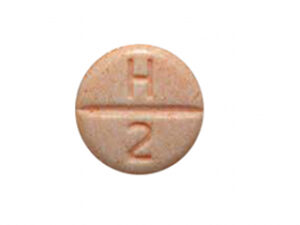
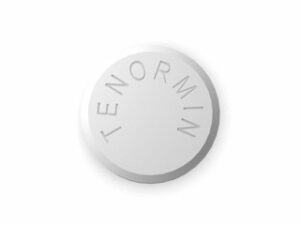
Nebivolol is marketed under various brand and generic names in the United Kingdom. Your exact strength, tablet appearance, and packaging will vary by manufacturer. Always check the label for the correct strength and instructions.
| Category | Details |
|---|---|
| Active ingredient | Nebivolol |
| Drug type | Beta-1 selective blocker with nitric-oxide mediated vasodilation properties |
| Typical dosing | Once daily for most patients |
| Key effects | Lower blood pressure, reduce heart rate, improve heart function in suitable heart failure |
| How it’s used | Long-term control; do not stop suddenly |
How nebivolol works (mechanism of action)
Nebivolol belongs to the beta-blocker family. It primarily blocks beta-1 receptors in the heart, which helps to:
- Reduce heart rate (slower pulse)
- Lower the force/workload of the heart
- Reduce “sympathetic” stimulation that can raise blood pressure
Nebivolol also has additional effects on blood vessels. It supports the release of nitric oxide, helping blood vessels to relax and widen. This can contribute to lowering blood pressure.
What is nebivolol used for?
Indications in the UK
Nebivolol is used for:
- Hypertension (high blood pressure): to help reduce blood pressure and lower the risk of cardiovascular complications.
- Chronic heart failure: in certain patients, usually alongside other recommended therapies. Treatment is commonly initiated carefully and gradually.
Your clinician will decide if nebivolol is suitable based on your medical history, current treatments, blood pressure/heart rate, kidney/liver function, and other factors.
Pharmacokinetics (how the body handles nebivolol)
Pharmacokinetics describes how the drug is absorbed, distributed, metabolised, and eliminated. Understanding these points can help explain why dosing may be once daily and why steady benefit may take time.
Absorption and onset
- Nebivolol is absorbed after you take a dose. Its onset of action relates to heart rate and blood pressure response, which can vary between individuals.
- Some patients notice effects within hours, but blood pressure improvements often become clearer over days to weeks.
Metabolism
Nebivolol is metabolised in the body. The process involves liver enzymes, and individual metabolic differences can influence how strongly and how long the medicine acts.
Elimination
Nebivolol is removed from the body through metabolic pathways and excretion. The dosing schedule is designed to maintain an effective level over 24 hours for most patients.
Typical timing and how to take nebivolol
In many cases, nebivolol is taken once daily. Follow the instructions on your dispensing label or the advice provided by your healthcare professional. If you’re not sure, speak to a pharmacist.
Common practical timing
- Once daily at the same time: helps maintain steady blood levels and makes missed doses easier to avoid.
- Evening dosing: some clinicians recommend taking it in the evening, particularly if it is more likely to cause dizziness or tiredness in certain people. Others may prefer morning—follow your personalised plan.
If you miss a dose
If you forget a dose:
- Take it when you remember if it is close to the usual time.
- If it is almost time for the next dose, skip the missed dose.
- Do not take a double dose to make up for the missed one.
If you miss several doses or are unsure what to do, consult a pharmacist or your healthcare team.
Food interactions and what to eat
Nebivolol tablets can generally be taken with or without food, depending on the specific product guidance. Some patients may find taking it consistently with food helps reduce stomach discomfort.
- Consistency is key: try to take nebivolol the same way each day (with or without food).
- Avoid sudden large changes in alcohol intake: alcohol can affect blood pressure and medication tolerance.
Alcohol and medicine interactions
Alcohol
Alcohol may increase the risk of light-headedness or dizziness when taking blood-pressure medicines, especially at the start of treatment or after dose increases. Keep alcohol within recommended limits and be cautious when getting up. If you notice symptoms after drinking, consider reducing alcohol and discuss with a healthcare professional.
Other medicine interactions
Tell your healthcare professional and pharmacist about all medicines you take, including over-the-counter products, herbal remedies, and supplements. Some medicines can affect nebivolol levels or increase the chance of unwanted effects.
Examples to discuss:
- Other heart-rate–slowing medicines: such as verapamil, diltiazem, or other beta-blockers. Combination therapy may excessively slow the heart.
- Anti-arrhythmic medicines: may affect heart rhythm and conduction.
- Medicines for high blood pressure: can increase the overall blood pressure-lowering effect. This may be beneficial, but it also increases the risk of dizziness or low blood pressure.
- Some antidepressants: certain medicines may increase nebivolol levels or influence heart rate.
- Certain antibiotics/antifungals: some can change metabolism (increasing or decreasing nebivolol effect).
- Non-steroidal anti-inflammatory drugs (NSAIDs) (e.g., ibuprofen): may affect blood pressure control in some people.
- Medicines affecting electrolytes: low potassium or other electrolyte disturbances can worsen heart rhythm issues.
This is not an exhaustive list. Always check interaction information with your pharmacist, especially if you are starting new medicines.
Dosing: how much and how it’s adjusted
Nebivolol dosing depends on the condition being treated, your age, your heart rate and blood pressure, and whether you are on other medicines. Only use the dose prescribed for you.
Hypertension (high blood pressure)
Treatment is often started at a lower dose and adjusted gradually to achieve the desired blood pressure control. A common approach is once daily dosing with follow-up measurements.
Chronic heart failure
Heart failure treatment typically requires careful titration. Doses are often increased stepwise over time, monitoring:
- Heart rate
- Blood pressure
- Symptoms (e.g., breathlessness, fatigue, swelling)
- Any signs of worsening heart failure
If you feel suddenly unwell during dose adjustments—particularly with dizziness, fainting, or worsening breathlessness—seek medical advice promptly.
Adjustments for special situations
- Kidney problems: dose adjustments may be needed.
- Older adults: closer monitoring may be required due to sensitivity to blood pressure lowering.
- Bradycardia or low blood pressure: the dose may be reduced or adjusted.
Important: do not change your dose without guidance. Beta-blockers should not be stopped suddenly.
Safety profile and common side effects
Like all medicines, nebivolol can cause side effects. Many people experience none or only mild effects, especially after the dose is stabilised. Side effects are often more noticeable at the start of treatment or after dose increases.
Common side effects
- Slow heart rate (bradycardia)
- Dizziness or light-headedness
- Tiredness or reduced exercise tolerance
- Headache
- Nausea or stomach discomfort (less commonly)
- Cold hands and feet (due to reduced peripheral blood flow)
Less common but important effects
- Worsening symptoms of heart failure during initiation/titration (e.g., increased breathlessness or swelling)
- Low blood pressure (especially when standing up)
- Sleep disturbances in some people
- Sexual function changes have been reported with beta-blockers in some patients
Seek urgent medical help if
- Fainting or severe dizziness
- Chest pain, severe breathlessness, or sudden worsening of heart failure symptoms
- Signs of an allergic reaction (swelling of face/lips, difficulty breathing, widespread rash)
Precautions and who should take extra care
Nebivolol may not be suitable for everyone. Extra caution may be needed if you have:
- Asthma or wheezing (even though nebivolol is more beta-1 selective, effects can still occur)
- Very slow heart rate, certain heart block problems, or rhythm disorders
- Poor circulation (e.g., severe peripheral vascular disease)
- Diabetes or low blood sugar episodes, because beta-blockers can mask some symptoms of hypoglycaemia
- Thyroid disease—beta-blockers may mask signs of thyroid overactivity
- Liver or kidney impairment
Practical use tips
- Check your pulse and blood pressure: if advised, especially during the first weeks or after dose changes.
- Stand up slowly: dizziness may occur due to blood pressure changes—particularly when you first get out of bed or a chair.
- Keep a symptom diary: note breathlessness, swelling, fatigue, dizziness, and pulse rate; bring this to reviews.
- Don’t stop suddenly: stopping beta-blockers abruptly can worsen angina or cause a rise in heart rate and blood pressure. If discontinuation is needed, it should be done gradually under clinical supervision.
- Use a consistent routine: take the tablet around the same time each day. Consider setting a reminder.
Alternative options (if nebivolol isn’t right for you)
There are multiple medication choices for high blood pressure and heart failure. Which alternative is best depends on your condition, other medicines, and side effect tolerability.
For high blood pressure
- Other beta-blockers (e.g., bisoprolol, metoprolol, atenolol)
- ACE inhibitors (e.g., enalapril, lisinopril)
- ARBs (e.g., losartan)
- Calcium-channel blockers (e.g., amlodipine)
- Thiazide-like diuretics (e.g., indapamide)
For chronic heart failure
- Other beta-blockers used in heart failure (e.g., bisoprolol, carvedilol, metoprolol succinate)
- ACE inhibitors/ARBs/ARNI (depending on clinical situation)
- Mineralocorticoid receptor antagonists (e.g., spironolactone)
- SGLT2 inhibitors (in suitable patients)
- Diuretics to relieve fluid retention (e.g., furosemide)
If you’re considering switching, it’s important to discuss the options with your healthcare professional. Switching often requires careful dose adjustments and monitoring.
UK market and legal context (general)
In the United Kingdom, medicines such as nebivolol are regulated to ensure quality, safety, and effectiveness. Availability may vary by strength and manufacturer, and supply can be affected by prescribing and dispensing policies, stock levels, and regulatory updates.
You should only obtain nebivolol from reputable suppliers. Check that the product packaging includes the correct active ingredient name, strength, batch/expiry information, and patient instructions.
Recent guidance and monitoring (general)
Cardiovascular treatment guidance in the UK emphasises individualised care, regular review, and monitoring of:
- Blood pressure targets and symptoms
- Heart rate and rhythm (particularly for beta-blocker therapy)
- For heart failure: symptoms, fluid status, kidney function, and electrolytes
- Medication adherence and tolerability
Clinical practice commonly involves gradual titration for heart failure and careful observation for adverse effects. Your clinician may adjust therapy based on the latest local guidance and your response.
Delivery and availability (UK)
Nebivolol tablets are typically available as branded or generic products. Availability on an online pharmacy can depend on:
- Stock status of specific strengths
- Manufacturing and distribution schedules
- Demand and pharmacy supply arrangements
Delivery times vary by supplier and your location within the UK. If your preferred strength is temporarily out of stock, the pharmacy may offer an alternative equivalent option or notify you when it returns to availability.
How to store nebivolol
- Store tablets according to the packaging instructions (typically at room temperature).
- Keep them in the original container to protect from moisture and light.
- Keep out of sight and reach of children.
- Check the expiry date before use.
- Do not use tablets that look damaged or discoloured.
Frequently asked questions (FAQ)
1) Is nebivolol a beta-blocker?
Yes. Nebivolol is a beta-blocker. It primarily blocks beta-1 receptors in the heart and also helps blood vessels relax, which contributes to its blood pressure–lowering effect.
2) How long does it take to work?
Some effects on heart rate may be noticed relatively quickly. Blood pressure benefits often become clearer over days to weeks. For heart failure, improvement may be gradual as doses are increased and the body adjusts.
3) Should I take nebivolol in the morning or evening?
Many people take it once daily at a consistent time. Some clinicians prefer evening dosing, but the best timing for you depends on your symptoms and blood pressure/heart rate response. Follow your label instructions or advice from your healthcare professional.
4) Can I drink alcohol while taking nebivolol?
Alcohol may increase dizziness or cause a larger drop in blood pressure, particularly early in treatment or after a dose increase. If you choose to drink, do so in moderation and avoid sudden heavy intake. If you feel unwell, stop drinking and speak to a pharmacist or clinician.
5) Will nebivolol lower my heart rate?
It can. A slower pulse is part of how beta-blockers work. If you experience symptoms such as fainting, severe dizziness, or extreme tiredness, seek medical advice promptly.
6) What should I do if I miss a dose?
Take the missed dose if it’s close to the time you usually take it. If it’s near the next scheduled dose, skip the missed dose. Do not take a double dose.
7) Can I stop nebivolol suddenly?
No. Beta-blockers should not usually be stopped abruptly. Stopping suddenly can worsen angina or cause an increase in heart rate and blood pressure. If discontinuation is required, it should be done gradually with clinical guidance.
8) Does nebivolol interact with other medicines?
Yes, interactions are possible. Medicines that affect heart rate, blood pressure, liver metabolism, or electrolytes may change how nebivolol works or increase side effects. Always check with a pharmacist when starting new treatments.
9) Is nebivolol safe for people with asthma?
Beta-blockers can affect breathing in some individuals. Nebivolol is more beta-1 selective than some other beta-blockers, but caution is still needed. Discuss your asthma history with a clinician before starting or changing the dose.
10) What are common side effects?
Common side effects include dizziness, tiredness, headache, and a slower heart rate. Side effects often improve after the body adjusts. Contact a healthcare professional if symptoms are severe or persistent.
Disclaimer
This information is intended to support patient understanding and does not replace advice from a healthcare professional. If you have questions about nebivolol, your symptoms, or other medicines you take, speak to a pharmacist or clinician for personalised guidance.