

Minipress (Prazosin) – Patient Information (UK)
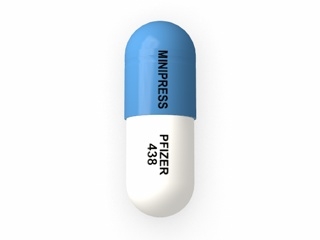
Minipress is a medicine that contains prazosin. It is used to treat certain conditions related to blood pressure and the urinary symptoms of prostate enlargement. This page explains how Minipress works, how it is taken, what to expect, and important safety information for people in the United Kingdom.
Quick overview
- Active ingredient: Prazosin
- Medicine type: Alpha-1 (α1) receptor blocker
- Common uses in the UK: High blood pressure; urinary symptoms due to enlarged prostate (often alongside other treatments)
- How it is taken: Usually by mouth, typically once or twice daily depending on your condition and prescriber’s plan
- Key safety issue: May cause first-dose dizziness or a sudden drop in blood pressure
What is Minipress?
Minipress (prazosin) belongs to a group of medicines called alpha-1 blockers. These medicines relax certain smooth muscle cells in blood vessels and the urinary tract, helping to improve circulation and reduce resistance to urine flow.
In the UK, Minipress is used under clinical guidance and is available through regulated supply channels. Your exact dose and schedule should be consistent with the plan provided by your healthcare professional.
How does Minipress work? (Mechanism of action)
Prazosin blocks alpha-1 adrenergic receptors. These receptors are found in:
- Blood vessel walls (smooth muscle): blocking them helps the vessels relax and widen
- Prostate and bladder neck (smooth muscle): blocking them can ease urinary outflow resistance
Result:
- Blood pressure lowering by reducing vascular resistance
- Improved urine flow and reduced symptoms of benign prostatic hyperplasia (BPH) such as weak stream, hesitancy, or frequent night-time urination
Pharmacokinetics: how the body handles prazosin
Pharmacokinetics describes how a medicine is absorbed, distributed, metabolised, and eliminated. While individual experiences vary, prazosin generally behaves as follows:
- Absorption: Taken by mouth; absorption occurs through the digestive system.
- Distribution: It distributes into body tissues. Plasma protein binding occurs.
- Metabolism: It is metabolised in the liver.
- Elimination: The medicine and its metabolites are removed mainly through biliary and/or renal routes.
- Onset and duration: Effects may be noticeable after dosing, but consistent benefit often requires daily use over days to weeks (especially for blood pressure control).
Important: Exact timing can differ between individuals, especially in older adults or people with liver impairment. If you are unsure how quickly you should expect effects, speak to a pharmacist or clinician.
Typical use in the UK
Minipress is commonly used for:
- Hypertension (high blood pressure): To reduce blood pressure and lower cardiovascular risk.
- Lower urinary tract symptoms due to benign prostatic hyperplasia (BPH): To improve urine flow and reduce symptoms such as nocturia, hesitancy, and weak stream.
It may be used alone or alongside other treatments depending on your diagnosis and symptom profile.
Indications and who it may suit
Clinicians may consider Minipress when an alpha-1 blocker is appropriate for your condition. It may be particularly relevant when both blood pressure control and urinary symptom relief are needed.
Not suitable for everyone. If you have certain medical conditions (for example, particular heart conduction problems or a history of severe low blood pressure reactions), your clinician may choose another approach.
Dosing: how Minipress is typically started and adjusted
Dosing must be individual. However, prazosin dosing often follows a cautious initiation plan to reduce the risk of dizziness and fainting, especially during the first few doses.
General principles
- Start low: The first dose is often intentionally small.
- First-dose caution: Avoid activities requiring full alertness immediately after the first dose.
- Titration: Your dose may be increased gradually depending on response and tolerability.
- Split dosing: Sometimes used to improve symptom control while reducing side effects.
Example of how dosing schedules may look
Many patients are started at a low dose and increased stepwise. Your prescription details will specify the exact strength and timing for you.
| Condition | Common approach | What to monitor |
|---|---|---|
| Hypertension | Low starting dose with gradual increase; may be given once or divided into two doses | Blood pressure readings, dizziness, light-headedness |
| BPH / urinary symptoms | Low starting dose with careful adjustment for symptom relief | Urine flow, frequency/nocturia, blood pressure symptoms |
Always follow the dose and timing you were instructed to use. Do not stop suddenly without medical advice, particularly if you are using it for blood pressure.
Timing: when to take Minipress
Timing advice can vary by person and by the dose schedule you’re given. For prazosin, clinicians often recommend taking the first dose at bedtime to reduce the risk of fainting due to a sudden blood pressure drop.
- First dose: Often taken at night/bedtime (or at the time your clinician recommends)
- Subsequent doses: May be taken morning and evening or once daily depending on your plan
- Consistency: Try to take it at similar times each day
If you miss a dose: Check the advice from your pharmacist or medicine leaflet. In general, missed doses may be taken when remembered unless it’s close to the next dose. Because prazosin can cause low blood pressure, restarting after missed doses may require caution—especially if several doses were missed. Seek advice if unsure.
Food interactions
Food can affect how quickly some medicines are absorbed. For prazosin, taking it with meals may alter the speed of absorption, though the overall effect often remains similar.
Practical approach:
- Take Minipress at the times recommended by your clinician/pharmacist.
- If you find you feel dizzy after doses, mention it to your pharmacist—timing relative to meals may be discussed.
- Try not to make large changes to your routine without checking first, especially when adjusting to a new dose.
Tip: If your medicine leaflet recommends a specific approach (e.g., with food or without), follow that advice.
Alcohol interactions and safety
Alcohol can increase the risk of low blood pressure and dizziness, especially when you start prazosin or when your dose is increased.
- Avoid binge drinking.
- Be cautious with alcohol soon after your first dose or after dose increases.
- If you feel light-headed: sit or lie down, avoid driving, and seek advice if symptoms are severe or persistent.
If you regularly drink alcohol or have concerns about safe limits, ask your pharmacist for personalised guidance.
Medicine interactions: alcohol and other medicines
Some medicines can increase the likelihood of low blood pressure or worsen side effects. Always tell your pharmacist about:
- All medicines you take (including over-the-counter products and supplements)
- Any new medicines you plan to start
Common interaction categories
- Other blood pressure-lowering medicines: may add to blood pressure effects and increase dizziness.
- Nitrates (for chest pain): may further lower blood pressure.
- Phosphodiesterase-5 inhibitors (for erectile dysfunction), such as sildenafil/tadalafil: combining may lead to symptomatic low blood pressure in some people.
- Medicines that affect blood pressure or heart rhythm: may increase side-effect risk.
- Strong liver enzyme inhibitors/inducers: could affect prazosin metabolism (your clinician/pharmacist will advise if relevant).
Practical advice for interactions
- Do not start new medicines (including cold/flu products) without checking.
- If you start a new medicine, monitor for symptoms such as dizziness, fainting, or unusual weakness.
- Keep blood pressure readings if your clinician has asked you to monitor.
Safety profile: side effects and when to seek help
Most people tolerate Minipress well, but side effects can occur. Many are related to blood pressure changes.
Common side effects
- Dizziness or light-headedness
- Headache
- Sleepiness or tiredness
- Nausea
- Swelling in the ankles or feet (fluid retention), in some cases
First-dose effects (important)
Because prazosin relaxes blood vessels, some people—especially when starting—may experience a significant drop in blood pressure. This can lead to fainting or severe dizziness, often after the first dose.
- Taking the first dose at bedtime helps reduce risk.
- Rise slowly from sitting/lying positions.
- Avoid driving or operating machinery right after starting until you know how you respond.
Serious side effects: get urgent medical advice
Seek urgent help if you experience:
- Fainting or severe dizziness that does not settle
- Chest pain or symptoms of an irregular heartbeat
- Signs of a severe allergic reaction (e.g., swelling of the face/lips, difficulty breathing, widespread rash)
Rare but important: surgical eye considerations
People taking or who have previously taken alpha-1 blockers have been associated with a condition called Intraoperative Floppy Iris Syndrome (IFIS) during cataract surgery. If you have eye surgery planned, inform the ophthalmologist that you take Minipress.
Practical use tips for patients
- Take it at the same times each day to maintain stable effects.
- Be careful when standing up—dizziness can occur due to posture-related blood pressure changes.
- Monitor symptoms early on: especially during the first few days or after dose increases.
- Check your blood pressure if advised. Home monitoring can help you and your clinician adjust treatment safely.
- Stay hydrated unless you’ve been advised to restrict fluids.
- Keep a record of dizziness, fainting episodes, and urinary symptom improvement.
If you feel unwell after the first dose: sit or lie down immediately, and contact a pharmacist or clinician for advice.
How soon will it work?
Time to benefit can depend on the condition being treated.
- Blood pressure: You may notice effects after starting, but stable control often takes longer and may require dose adjustment.
- Urinary symptoms: Some improvement may occur within days; for fuller benefit, it can take longer depending on prostate size and other factors.
If you do not notice any benefit or symptoms worsen, speak to a healthcare professional rather than changing your dose yourself.
Alternative options
Depending on the condition, clinicians may consider other medicines or approaches. Alternatives may include:
For hypertension
- Other classes of blood pressure medicines (e.g., ACE inhibitors, ARBs, calcium-channel blockers, thiazide-type diuretics, beta-blockers)
- Non-medicine measures (dietary salt reduction, weight management, regular exercise, limiting alcohol, and smoking cessation)
For BPH / urinary symptoms
- Other alpha-1 blockers (choice may depend on side-effect profile and dosing convenience)
- 5-alpha-reductase inhibitors (help shrink the prostate over time in selected patients)
- Combination therapy in appropriate cases
- Referral to urology or other interventions if symptoms are severe or complicated
Your clinician can recommend the most suitable option based on your overall health, other medicines, and symptom severity.
Market and legal context for the UK
In the United Kingdom, medicines are regulated and must be supplied through appropriate channels. Requirements include ensuring the product is genuine, stored correctly, and supplied in a manner consistent with UK medicines legislation and professional standards.
Online pharmacies must follow legal frameworks covering the supply of medicines, identity checks where required, and safe pharmacy processes. If a service offers medicines, it should clearly explain how medical questions are handled and how the correct product is supplied.
Availability: Minipress availability may vary by manufacturer supply and pharmacy stock levels. If stock is limited, the pharmacy may offer suitable alternatives where clinically appropriate.
Recent guidance and clinical updates (high level)
Clinical guidance for blood pressure and BPH in the UK is updated periodically by professional bodies and is influenced by ongoing evidence. Key themes that generally continue to be emphasised include:
- Individualised treatment: matching medicine choice to comorbidities and patient tolerance
- Low blood pressure risk management: careful initiation, monitoring, and review of dizziness risk
- Review of medications regularly: ensuring benefits outweigh risks and interactions are managed
- Planned surgery communication: informing eye surgeons about alpha-1 blocker use
If you’d like, you can ask your clinician or pharmacist for guidance relevant to your situation, including any updates that may affect dosing or monitoring.
Delivery and availability (UK)
Online pharmacies in the UK typically offer home delivery. Delivery times depend on:
- Warehouse location and stock availability
- Standard vs express delivery options
- Order processing time (including checks required by pharmacy regulations)
What to expect:
- Secure packaging to help protect the medicine during transit
- Clear labelling and instructions with the product
- Support from the pharmacy team if you have questions about how to take the medicine
If your order is delayed or an item is out of stock, a reputable pharmacy should contact you promptly with options.
FAQ
1) How do I take Minipress?
Take Minipress exactly as advised by your healthcare professional. Many people are advised to take the first dose at bedtime to reduce dizziness or fainting risk. Keep dosing times consistent and do not change dose schedules without advice.
2) Why might I feel dizzy after my first dose?
Prazosin can cause a sudden drop in blood pressure, particularly early in treatment or after dose increases. Taking the first dose at bedtime and rising slowly can help reduce risk.
3) Can I drive after taking Minipress?
Be cautious. Avoid driving or operating machinery until you know how the medicine affects you—especially when starting or after dose changes. If you feel dizzy or light-headed, do not drive and contact your pharmacist or clinician for advice.
4) Is Minipress safe with alcohol?
Alcohol can increase dizziness and the risk of low blood pressure. Avoid excessive alcohol, especially soon after starting or increasing the dose.
5) Are there interactions with other medicines?
Yes. Medicines that lower blood pressure, nitrates, and some erectile dysfunction treatments (PDE-5 inhibitors) may increase the risk of low blood pressure. Always discuss your full medication list with a pharmacist.
6) What if I miss a dose?
Check with your pharmacy or the patient information leaflet for guidance. If you miss multiple doses, restarting may require caution because of first-dose-type effects. Seek advice if unsure.
7) What should I do if I feel faint?
Sit or lie down immediately and seek medical advice. If fainting is severe, repeated, or accompanied by chest pain, breathing difficulties, or worsening symptoms, seek urgent help.
8) Can I take Minipress if I have prostate symptoms?
Minipress is used for urinary symptoms due to enlarged prostate in appropriate patients. Your clinician will assess prostate size, symptom severity, and your health history before deciding if an alpha-1 blocker is suitable.
9) Will Minipress affect cataract surgery?
Alpha-1 blockers have been linked with IFIS during cataract surgery. Tell your ophthalmologist if you take or have taken Minipress so they can plan appropriately.
10) Is there an alternative if I cannot tolerate Minipress?
There may be alternatives, such as other alpha-1 blockers or other medicines for blood pressure or BPH depending on your needs. Your pharmacist or clinician can help choose the most suitable option.
Note: This information is intended for general guidance. If you have any concerns about side effects, interactions, or how your treatment should be taken, speak to a pharmacist or healthcare professional.