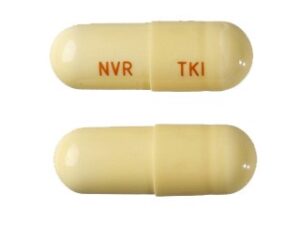

Nolvadex (Tamoxifen) – Patient Guide (UK)
Nolvadex contains tamoxifen, a medicine used to treat and help prevent certain types of breast cancer. It belongs to a group of treatments known as selective oestrogen receptor modulators (SERMs). This page explains how Nolvadex works, typical uses, how it’s taken, important safety information, possible interactions, and practical tips—written to be clear and patient-friendly for people in the United Kingdom.
Always follow the advice given by your healthcare team. If you have questions about your individual situation, talk to your prescriber or pharmacist.
Key product information
- Brand name: Nolvadex
- Active ingredient: Tamoxifen
- Medicinal class: SERM (selective oestrogen receptor modulator)
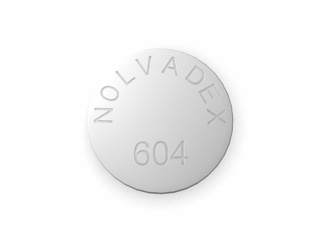
- Common strengths (examples in the UK): 10 mg and 20 mg tablets
- Form: Oral tablets
- How it works: Blocks or modulates oestrogen receptors in breast tissue
How Nolvadex works (mechanism of action)
Tamoxifen works by binding to oestrogen receptors on cells. In breast tissue, it typically acts as an anti-oestrogen—meaning it reduces the effect of oestrogen on cancer cells. This can slow tumour growth and, in many settings, reduce the risk of cancer returning.
Importantly, SERMs do not behave the same way in all tissues:
- Breast tissue: generally anti-oestrogen effects
- Uterus (womb): may act as oestrogen-like in some situations
- Bone: can help maintain bone density in some patients
Nolvadex is most effective when the cancer is oestrogen receptor positive (ER+) or otherwise indicated for SERM therapy as advised by clinical guidelines.
Pharmacokinetics (how the body handles it)
Pharmacokinetics describes what happens to a medicine after you take it. With tamoxifen:
- Absorption: Tamoxifen is absorbed after oral dosing.
- Metabolism: It is processed mainly in the liver. One key metabolite is endoxifen, which contributes to its anti-cancer effect.
- Elimination: The medicine and its metabolites leave the body gradually.
- Half-life: Tamoxifen has a long duration of action; effects can persist after stopping due to slow elimination.
Because tamoxifen is activated by liver enzymes, certain medicines that affect those enzymes can change tamoxifen exposure. This is why drug interactions—especially with some antidepressants—matter.
Typical uses in the UK
Nolvadex is used in several clinical situations. The exact reason you are taking it depends on your diagnosis and treatment plan. Common indications include:
Breast cancer treatment and prevention
- Early breast cancer: to reduce recurrence risk in hormone receptor positive disease (as part of adjuvant treatment where appropriate).
- Oestrogen receptor positive breast cancer: in treatment settings as advised.
- Advanced/metastatic breast cancer: for certain patients with hormone receptor positive disease, depending on the clinical scenario.
Risk reduction
Tamoxifen may be used to help reduce the risk of developing breast cancer in specific higher-risk groups, where this approach is considered appropriate within UK clinical pathways.
If you’re unsure why you’ve been prescribed Nolvadex, ask your healthcare team. It may be for treatment, prevention, or as part of a planned course with other therapies.
Dose and how to take Nolvadex
Typical dosing
Dosing schedules vary by indication and your overall treatment plan. Common adult tablet strengths include 10 mg and 20 mg. Your healthcare team will specify the exact dose and timing for you.
| Indication (general) | Typical adult dosing pattern (example) | Notes |
|---|---|---|
| Breast cancer treatment (hormone receptor positive, depending on stage) | Often 20 mg once daily or 10 mg twice daily | Exact dose depends on your regimen and clinical factors. |
| Risk reduction (selected higher-risk patients) | Often 20 mg once daily | Use is guided by eligibility and local protocols. |
| Longer-term prevention/adjunct therapy | Commonly daily dosing for months to years | Duration depends on your situation and guideline recommendations. |
Timing
Take Nolvadex once daily at roughly the same time each day, or twice daily if your regimen is split. Consistency helps you maintain steady medicine levels.
- If once daily: choose a time you can keep easily.
- If twice daily: space doses apart (for example, morning and evening).
How to take tablets
- Swallow tablets whole with water.
- You may take Nolvadex with or without food.
- If you miss a dose, follow the advice you were given by your pharmacist or prescriber.
- Do not take a double dose to make up for a missed tablet.
Food interactions (what to know)
In general, food does not strongly affect tamoxifen’s action, so it can be taken with or without meals. However, maintaining regular eating patterns can help with nausea or stomach upset for some people.
If you experience digestive side effects, it may help to take the tablet with food (unless your healthcare team advises otherwise).
Alcohol and medicine interactions
Alcohol
Moderate alcohol is not always strictly prohibited with tamoxifen, but it can affect how your liver processes medicines and may worsen certain side effects (for example, hot flushes, dizziness, or nausea). To stay on the safe side:
- Keep alcohol moderate.
- Avoid heavy drinking.
- If you notice symptom worsening after alcohol, consider reducing further.
If you have liver disease or abnormal liver tests, ask your pharmacist or healthcare team for individual advice.
Other medicines (important interactions)
Tamoxifen is metabolised in the liver. Medicines that inhibit certain liver enzymes may reduce the formation of endoxifen and potentially reduce effectiveness. Some medicines that are commonly discussed include:
- Some antidepressants—particularly those that strongly affect the relevant metabolic enzymes. Your pharmacist can help check your specific medication list.
- Certain antifungals and antivirals may interact.
- Some antibiotics (depending on type) can also alter metabolism.
- Rifampicin and other strong enzyme inducers may reduce tamoxifen effect.
This is not a complete list. Always tell your pharmacist about:
- All prescription medicines
- Over-the-counter products (including pain relief and cold/flu remedies)
- Herbal supplements
- Vitamin or mineral preparations
Herbal and “natural” products
Some herbal products may affect liver enzymes. For example, supplements containing components that may influence metabolism could interfere with tamoxifen. If you use supplements, share the product name with your pharmacist.
Safety profile and what to watch for
Like all medicines, Nolvadex can cause side effects. Many people tolerate tamoxifen well, but some effects require prompt medical attention. The table below summarises common and serious concerns.
| Category | Possible effects | What to do |
|---|---|---|
| Common |
Hot flushes, sweating Vaginal dryness or discharge changes Changes in periods (if premenopausal) Nausea or stomach upset Mood changes (varies) |
Discuss with your healthcare team if troublesome; do not stop suddenly without advice. |
| Blood clot risk (important) | Swelling or pain in one leg, sudden breathlessness, chest pain | Seek urgent medical attention if symptoms suggest a clot (e.g., DVT/PE). |
| Uterine (womb) changes (important) | Unusual vaginal bleeding, spotting after periods, pelvic pain | Contact your healthcare team promptly for assessment. |
| Eye symptoms (important) | Vision changes, eye pain | Get medical advice promptly. |
| Liver effects (important) | Yellowing of skin/eyes, dark urine, unusual fatigue | Contact your clinician promptly. |
When to get urgent help
In the UK, seek urgent medical care (or call 999 in an emergency) if you develop symptoms that could indicate a serious complication such as:
- Sudden shortness of breath or chest pain
- One-sided leg swelling or significant leg pain
- Unexpected or heavy vaginal bleeding
- Severe abdominal/pelvic pain
- Signs of a serious allergic reaction (for example, swelling of face/lips, severe rash, difficulty breathing)
Practical use tips
- Keep a routine: set a daily alarm so you don’t miss doses.
- Manage hot flushes: dress in layers, use a fan, and avoid very hot drinks or spicy foods if they trigger you.
- Vaginal dryness: discuss suitable moisturisers or treatments with your pharmacist or clinician. Avoid starting new products without checking suitability.
- Report symptoms early: early reporting of abnormal bleeding can lead to timely assessment.
- Maintain follow-up: go to scheduled oncology or breast clinic reviews and monitoring appointments.
- Don’t stop suddenly: stopping tamoxifen early can reduce protective benefit unless your clinician advises changes.
Typical monitoring during treatment
Your healthcare team may monitor aspects of your health depending on your situation, including:
- General tolerance and side effect review
- Any symptoms suggestive of blood clots or uterine changes
- Periodic assessment as part of cancer follow-up
Alternative treatment options
Alternatives depend on your cancer characteristics, prior treatments, menopause status, overall health, and the goal of therapy (treatment vs prevention). Common alternatives include:
- Other endocrine therapies such as aromatase inhibitors (commonly considered in postmenopausal patients or when appropriate)
- Other SERMs (depending on availability and indication)
- Chemotherapy, targeted therapy, or radiotherapy where indicated by the specific cancer and stage
- Supportive strategies to manage side effects and maintain quality of life
Your specialist will choose the option that best fits your diagnosis and guideline recommendations. If you are considering alternatives, discuss them with your oncology team rather than making changes alone.
Market and legal context for the United Kingdom
In the UK, medicines like Nolvadex are regulated and authorised through the Medicines and Healthcare products Regulatory Agency (MHRA) and assessed using evidence-based standards. Clinical use is guided by national and specialist recommendations from relevant bodies and professional groups.
Tamoxifen has a long history of use in breast cancer care. Guidance on endocrine therapy selection and duration may be updated as new trial evidence emerges and as clinical practice evolves.
Recent guidance and clinical practice notes
Over recent years, clinical practice has continued to emphasise:
- Appropriate patient selection (for example, hormone receptor status)
- Medication review to minimise interactions—especially with medicines that can affect tamoxifen metabolism
- Awareness of risks (for example, blood clots and uterine changes) and prompt symptom reporting
- Side effect management to support adherence and quality of life
Exact recommendations can differ depending on cancer stage and patient factors. Your healthcare team will tailor choices and duration accordingly.
Delivery and availability (online pharmacy)
Nolvadex may be available through online pharmacy services in the UK, subject to the usual regulatory and supply processes. Availability can vary by strength and pack size.
When ordering online, you can typically expect:
- Secure packaging and safe handling
- Tracking options (depending on the pharmacy service)
- Clear product information including strength and tablet count
Delivery times can vary by location and the specific fulfilment process. Check the online pharmacy’s delivery information for the most accurate estimate.
Frequently asked questions (FAQ)
1) What is Nolvadex used for?
Nolvadex (tamoxifen) is used in the management of certain types of breast cancer and, in selected higher-risk situations, to help reduce the risk of developing breast cancer. It is most commonly used for hormone receptor–related disease, where oestrogen receptor signalling is important.
2) How long will I need to take it?
Treatment duration depends on why you’re taking it and your stage and risk profile. Some people take it for extended periods as part of longer-term endocrine therapy. Your healthcare team will explain the planned duration for your case.
3) Can I take Nolvadex with food?
Yes. Nolvadex can generally be taken with or without food. If you feel nauseated, taking it with a meal may help.
4) What if I miss a dose?
If you miss a dose, follow the advice provided by your pharmacist or healthcare team. In many cases, you should not take a double dose to compensate. If you are unsure, ask a pharmacist for guidance.
5) Are there interactions with antidepressants?
Some antidepressants can interact with tamoxifen metabolism. This can affect tamoxifen effectiveness. Tell your pharmacist about all medicines you take, including antidepressants, so they can check for clinically relevant interactions.
6) Can I drink alcohol while taking Nolvadex?
Moderate alcohol may be acceptable for some people, but it can worsen side effects and can affect liver function. If you choose to drink, keep it moderate and avoid binge drinking. Ask your healthcare team if you have liver disease or abnormal liver tests.
7) What side effects are most common?
Common side effects include hot flushes, sweating, vaginal dryness or discharge changes, and gastrointestinal upset. Many side effects are manageable, and your pharmacist can suggest strategies to help.
8) What symptoms mean I should contact a doctor urgently?
Seek urgent help if you develop symptoms that could suggest a blood clot (such as chest pain, sudden breathlessness, or one-sided leg swelling) or concerning uterine bleeding (for example, unexpected vaginal bleeding or spotting, especially if postmenopausal).
9) Can Nolvadex affect my periods?
Yes. If you’re premenopausal, tamoxifen can affect menstrual cycles. If you experience unexpected or heavy bleeding, contact your healthcare team promptly.
10) Are there alternatives to Nolvadex?
Yes. Depending on your situation, alternatives may include other endocrine therapies or different cancer treatments. Your oncology team will advise the most appropriate option based on your diagnosis and risk profile.
Important patient reminder
This guide provides general information about Nolvadex (tamoxifen). Individual treatment plans can differ. If you have concerns about side effects, missed doses, or interactions with other medicines or supplements, speak to your pharmacist or healthcare team.