
Nortriptyline (Nortriptyline Hydrochloride) — Patient Information
Nortriptyline hydrochloride is a medicine used to treat certain long-term conditions, most commonly depression and certain types of nerve-related pain. It belongs to a group of medicines called tricyclic antidepressants (TCAs). Although it is an antidepressant, doctors may also use it for pain conditions because it can calm overactive pain signals.
This page provides easy-to-understand information about how nortriptyline works, how it is taken, common side effects, important safety points, and practical advice to help you use it confidently. (Always follow the specific instructions given by your prescriber and the product packaging.)
Key Product Information
- Active ingredient: Nortriptyline hydrochloride
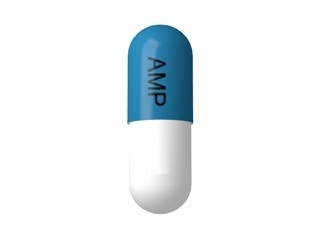
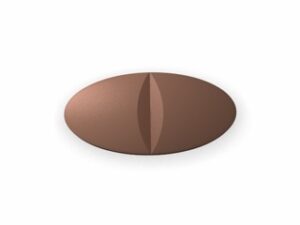
- Medicinal form: Tablets or capsules (depending on brand)
- Medicine type: Tricyclic antidepressant (TCA)
- Common uses: Depression; neuropathic pain (nerve pain)
- How it works: Affects brain chemicals involved in mood and pain pathways
- Typical onset: Mood benefits often take days to weeks; pain relief may begin within days to weeks
How Nortriptyline Works (Mechanism of Action)
Nortriptyline helps by changing the way nerve cells communicate in the brain and throughout the nervous system. It mainly works by:
- Blocking reuptake of neurotransmitters (especially noradrenaline and to a lesser extent serotonin), which can improve mood over time.
- Reducing abnormal nerve firing involved in certain pain conditions, which can lessen persistent nerve-related pain.
- Modulating receptors in the nervous system that can influence sleep, pain perception, and anxiety symptoms.
Because its effect on mood and nerve pain pathways builds over time, you may not feel the full benefit immediately. For many people, improvement becomes clearer after one to a few weeks (sometimes longer).
Pharmacokinetics (How the Body Handles It)
Understanding pharmacokinetics helps explain how to take nortriptyline consistently. Key points include:
- Absorption: Nortriptyline is absorbed from the gut after you take a tablet or capsule.
- Distribution: It spreads into body tissues, including the brain.
- Metabolism: It is broken down mainly in the liver.
- Elimination half-life: Nortriptyline has a long half-life, meaning it stays in the body for an extended period. This contributes to once-daily dosing for many people.
- Steady state: Blood levels typically build gradually and may stabilise after about 1–2 weeks, though this can vary.
- Monitoring: Some patients may need blood level checks or heart monitoring, depending on dose, age, other medicines, and risk factors.
Typical Uses in the UK
In the United Kingdom, nortriptyline is commonly used for:
- Depression (particularly when standard options are not suitable or when it suits an individual’s symptoms).
-
Neuropathic pain (nerve pain), for example:
- Peripheral neuropathy
- Post-herpetic neuralgia (pain after shingles)
- Diabetic neuropathy (doctor-guided use)
- Other off-label/condition-specific uses as decided by clinicians, depending on local guidance and individual factors.
Indications and When It Might Be Considered
Your healthcare professional may consider nortriptyline if:
- You have symptoms of depression and a clinician judges a TCA may be appropriate.
- You have persistent nerve pain where medicines that target nerve signalling are considered.
- Other options are unsuitable due to side effects, interactions, or personal response.
How and When to Take Nortriptyline (Timing)
Many people take nortriptyline once daily, often in the evening, because it can cause sleepiness in some individuals. Others may be advised to take it in the morning depending on their symptoms and side effects.
Practical timing guidance
- Choose a consistent time: Taking it at the same time each day helps maintain steady effects.
- Start low, go slow: Doses are often increased gradually to improve tolerability.
- If it makes you drowsy: Evening dosing is commonly used.
- If it makes you feel wired or affects sleep: Contact your prescriber; dose timing may need adjusting.
Dosing (General Information)
Dose varies widely by condition, age, and medical history. Use the regimen provided on your medicine label. The following is general educational information and not a personal dosing recommendation.
Typical dosing pattern
- Adults: Treatment often starts with a low dose and is increased gradually.
- Elderly or people with higher sensitivity: Lower starting doses may be used.
- Long-term use: Many people continue at a stable maintenance dose once the condition is controlled.
Your doctor may adjust the dose based on:
- Response (mood improvement or pain reduction)
- Tolerability (side effects such as dry mouth or sleepiness)
- Other medicines you take
- Heart rhythm risk or existing heart conditions
- Liver function
Food Interactions
Nortriptyline may be taken with or without food in many cases. However, food can influence comfort and stomach tolerance for some people.
- General advice: Take it in a way that suits your routine. If nausea occurs, taking it with food may help.
- Consistency: Try to take it the same way each day (with or without food) to keep your routine steady.
If you notice stomach upset, or if your appetite changes significantly, speak to a healthcare professional.
Alcohol Interactions
It is generally recommended to avoid or limit alcohol while taking nortriptyline. Alcohol can:
- Increase drowsiness and dizziness
- Worsen sleep disruption
- Increase risk of impairment (driving and machinery)
- Potentially worsen mood symptoms in some people
If you do drink alcohol, discuss with a clinician or pharmacist what amount is safe for you.
Medicine Interactions (Important)
Nortriptyline can interact with other medicines. Some combinations can increase side effects or change nortriptyline levels in the body. Before starting or stopping any medicine, including over-the-counter products, check with a pharmacist.
Medicines to be extra cautious about
- Other antidepressants, especially those affecting serotonin (risk of serotonin-related effects, and interactions depending on the specific medicine).
- MAO inhibitors (a class of antidepressants) — should not be combined due to risk of serious reactions.
- Medicines that affect heart rhythm (some antiarrhythmics and other medicines that can prolong QT interval).
- Medicines that slow liver metabolism (which can raise nortriptyline blood levels).
- Medicines that increase nortriptyline breakdown (which can reduce effectiveness).
- Strong CYP-influencing medicines (your pharmacist can review interactions based on your regimen).
- Other medicines that cause drowsiness (sleeping tablets, some antihistamines, opioids) — additive sedation may occur.
- Sympathomimetic or decongestant products (some cold remedies) — may increase side effects like palpitations.
Always tell your pharmacist or clinician about:
- All prescription medicines
- Over-the-counter medicines (including cold/flu products)
- Herbal products (especially those that affect mood or liver enzymes)
- Any heart conditions, fainting, or irregular heartbeat history
Safety Profile: Common and Serious Side Effects
Like all medicines, nortriptyline can cause side effects. Many are mild and improve as your body adjusts. If you are concerned or side effects persist, speak to a healthcare professional.
Common side effects
- Dry mouth
- Drowsiness or tiredness (especially early on)
- Dizziness
- Constipation
- Blurred vision
- Weight change (some people gain weight)
- Increased sweating
- Changes in appetite
- Tremor in some people
- Sexual side effects may occur in some cases
Less common but important risks
- Heart rhythm effects: Nortriptyline can affect electrical activity in the heart. Risk is higher in people with heart disease, electrolyte imbalance, or with interacting medicines.
- Low blood pressure on standing: You may feel light-headed, especially when starting or increasing dose.
- Urinary retention: More likely in people with prostate enlargement or bladder problems.
- Severe allergic reactions (rare): seek urgent help.
Seek urgent medical help if you experience
- Chest pain, severe dizziness, fainting, or a very fast/irregular heartbeat
- Severe confusion, agitation, fever, sweating, diarrhoea, or muscle stiffness (rare but urgent)
- Signs of serious allergic reaction: swelling of face/lips, difficulty breathing, widespread rash
Practical Use Tips for Better Tolerability
Many people find nortriptyline easier to manage with a few practical steps:
- Rise slowly: If you feel dizzy when standing, move gradually from lying to sitting to standing.
- Dry mouth relief: Stay hydrated, use sugar-free chewing gum/lozenges, and consider saliva substitutes if advised.
- Constipation prevention: Increase dietary fibre, drink water, and consider an appropriate stool softener if needed.
- Driving and machinery: Until you know how it affects you, avoid driving or operating tools/machinery if you feel drowsy.
- Sleep hygiene: If it helps with sleep, keep a regular routine; if it affects sleep negatively, tell your clinician about timing and dose.
- Don’t stop suddenly: Stopping abruptly can cause withdrawal symptoms in some people. If stopping is needed, doses are usually reduced gradually with clinician guidance.
- Track response: For depression, note changes in mood, sleep, appetite, and energy. For pain, track severity and triggers to help your clinician adjust treatment.
Pharmacological Considerations: Missed Dose and Adjustment
If you miss a dose, follow the guidance on the medicine label or ask your pharmacist. In general, it’s safer not to double up without advice.
- Missed once: Take it when you remember unless it’s close to the next dose.
- Multiple missed doses: Contact your pharmacist or prescriber for advice.
Dose changes should be planned, because nortriptyline can take time to build effect and because side effects may worsen with rapid dose increases.
Alternative Options
Depending on what you are treating, alternatives may include medicines from different classes or other evidence-based therapies. Your clinician will choose based on your symptoms, medical history, and side-effect risk.
If used for depression
- SSRIs (e.g., sertraline, citalopram, fluoxetine)
- Other antidepressants (choice depends on your individual situation)
- Psychological therapies such as CBT (often combined with medication)
If used for neuropathic pain
- Gabapentin or pregabalin
- Duloxetine (depending on the pain condition)
- Topical treatments (where appropriate, such as lidocaine for certain pain types)
- Physiotherapy and pain management programmes
Never switch or stop nortriptyline without clinician guidance, because tapering and safe transition may be required.
UK Market & Legal/Availability Context
In the United Kingdom, nortriptyline is a well-established medicine and may be supplied by pharmacies following the usual UK medicine supply rules. Availability can vary by strength and formulation, and some brands may differ in appearance.
For pharmacy supply, you may be asked to provide relevant information to ensure the medicine is suitable for you and that the correct product is supplied for your needs.
If you require a specific strength or formulation (for example, particular tablet strengths), it helps to check availability before placing an order.
Recent Guidance and Clinical Considerations (General)
Medicines guidance in the UK may be updated as new evidence becomes available. While nortriptyline remains in clinical use, key ongoing themes typically include:
- Careful patient selection, especially for older adults and those with heart disease.
- Review of interactions before starting or adjusting dose.
- Monitoring for side effects such as changes in heart rate or blood pressure, constipation, and drowsiness.
- Gradual dose changes and planned stopping to reduce the risk of withdrawal symptoms.
Your pharmacist can advise on the most up-to-date, product-specific instructions from the manufacturer and your local pharmacy guidance.
Delivery and Availability (UK)
Delivery options depend on the pharmacy and the availability of your specific pack size and strength. Many online pharmacies offer:
- Standard delivery (typical business days)
- Tracked delivery for added reassurance
- Order cut-off times (for dispatch on the same day where possible)
If a particular strength is temporarily unavailable, you may be offered:
- Alternative pack size (if equivalent)
- Alternative brand/formulation (if clinically suitable)
- Dispatch delay information and options to reorder
For best results, check the product details page for expected dispatch and delivery estimates.
FAQ: Frequently Asked Questions
1) How long does it take for nortriptyline to work?
For depression, some people notice early changes within days, but it often takes several weeks for full benefit. For nerve pain, relief can start within days for some, but may take 1–4 weeks to become clearer. Dose adjustments may be part of this process.
2) Should I take nortriptyline with food?
It can often be taken with or without food. If you experience stomach upset, taking it with food may improve comfort. Try to keep your routine consistent.
3) Can I drive while taking nortriptyline?
If nortriptyline makes you drowsy or affects your vision, avoid driving or operating machinery. Until you know how you respond, be cautious—especially when starting or changing dose.
4) What should I do if I miss a dose?
Refer to the instructions on the medicine label. In general, don’t take a double dose to make up for a missed one. If you miss multiple doses, contact a pharmacist for advice.
5) Are there alcohol restrictions?
Alcohol can increase drowsiness and dizziness and may worsen mood and sleep. It’s generally recommended to avoid or limit alcohol while taking nortriptyline.
6) What interactions are most important?
Nortriptyline can interact with certain antidepressants, medicines that affect heart rhythm, medicines that influence liver metabolism, and medicines that cause drowsiness. Tell your pharmacist about all medicines and supplements you use.
7) Will I gain weight?
Some people experience weight gain. Not everyone does. Monitoring weight, staying active where possible, and reporting noticeable changes to your clinician can help manage this risk.
8) How do I stop nortriptyline safely?
Do not stop suddenly unless your clinician tells you to. Stopping can cause uncomfortable symptoms in some people. Your prescriber may recommend a gradual reduction plan.
9) Does it cause dry mouth?
Dry mouth is common with TCAs. Drinking water regularly, sugar-free sweets/chewing gum, and oral moisturisers can help. If it becomes severe, seek advice.
10) Is it safe for everyone?
Nortriptyline may not be suitable for people with certain heart conditions, recent heart rhythm problems, or those taking specific interacting medicines. Your pharmacist or clinician can review your suitability based on your health history.
Summary
Nortriptyline hydrochloride is a tricyclic antidepressant used for depression and certain nerve-related pain conditions. It works by influencing neurotransmitters and calming abnormal pain signalling. Benefits often take time, so starting at a low dose and adjusting gradually is common practice. While many side effects are mild, it’s important to be alert to safety concerns—particularly drowsiness, constipation, and any potential heart rhythm issues. Always follow professional guidance, avoid alcohol where possible, and review interactions with your pharmacist.
| Topic | What to know |
|---|---|
| Primary uses | Depression; neuropathic (nerve) pain |
| When to take | Often once daily, frequently in the evening (individualised) |
| With food | Usually with or without food; consistency is helpful |
| Alcohol | Avoid or limit due to increased drowsiness and dizziness |
| Common side effects | Dry mouth, constipation, drowsiness, dizziness |
| Important cautions | Heart rhythm risk, low blood pressure on standing, interactions |
| Stopping | Do not stop suddenly; tapering is often needed |