Pamelor (Nortriptyline) – Patient Information (UK)
Pamelor contains nortriptyline, a medicine from the group known as tricyclic antidepressants (TCAs). In the UK, it is used for certain mental health conditions and also for some long-term pain and nerve-related problems. This guide is designed to be patient-friendly and explains how nortriptyline works, how it is taken, important safety information, and practical tips for everyday use.
Basic product information
| Item | Details |
|---|---|
| Medicine name | Pamelor |
| Active ingredient | Nortriptyline |
| Medicine type | Tricyclic antidepressant (TCA) |
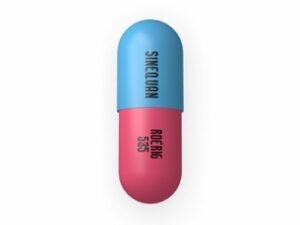
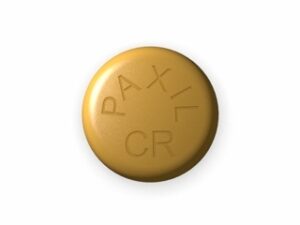
| Common forms | Oral tablets/capsules (strengths vary by presentation) |
| How it is usually taken | By mouth, typically once daily (often at night) |
| Where it is used | UK (availability depends on licensing, prescribing, and pharmacy supply) |
How nortriptyline works (mechanism of action)
Nortriptyline works mainly by affecting brain chemicals (neurotransmitters) involved in mood, pain signalling, and stress responses. It helps increase the availability of certain neurotransmitters, particularly norepinephrine, by blocking their reuptake.
Nortriptyline also has effects on other receptors involved in sleep and pain perception, which is why it may be used not only for depression, but also for some chronic pain and nerve-related conditions.
Why it may help nerve pain
For some people, nortriptyline can reduce the “amplified” pain signals that occur in conditions such as nerve pain or migraine prevention. This is thought to involve changes in neurotransmitter function and nerve signalling rather than simply acting as a painkiller.
Pharmacokinetics (how the body handles it)
Understanding pharmacokinetics can help explain why dosing may be adjusted and why it takes time to notice benefits.
- Absorption: Nortriptyline is absorbed through the stomach and intestines after taking it by mouth.
- Distribution: It spreads through body tissues, including the brain.
- Metabolism: It is broken down in the liver, primarily by enzymes in the cytochrome P450 system.
- Elimination: Metabolites are cleared mainly through the kidneys and urine, and some through bile/feces.
- Onset of effect: Mood improvement often takes several weeks. Some effects, such as sleep or nerve pain changes, may appear earlier but still typically build over time.
- Half-life (general concept): Nortriptyline stays in the body long enough to allow once-daily dosing for many people. Individual differences exist.
Typical uses in the UK
Nortriptyline is used for specific conditions where the benefits outweigh the risks. Common indications include:
- Depression (especially when a calming/sedating effect may be helpful)
- Prevention of migraine in some people
- Neuropathic (nerve) pain such as diabetic neuropathy or post-herpetic neuralgia, depending on clinical assessment
- Chronic pain syndromes where a TCA may be considered
- Sleep-related symptoms that occur alongside certain conditions (under clinician guidance)
Availability and exactly which indication applies can vary based on local prescribing guidance and individual patient factors.
When to take it (timing)
Nortriptyline is often taken once daily, commonly in the evening or at bedtime, because it can cause drowsiness in some people. However, your dosing schedule may differ.
- For drowsiness: taking it at night may be preferred.
- For morning tiredness: if you feel sleepy in the daytime, the timing might need adjustment.
- Consistency helps: try to take it at the same time each day.
- Missed dose: if you miss a dose, take it when you remember unless it is close to the next dose. Do not take a double dose to make up for it.
Food interactions
Food can influence how quickly a medicine is absorbed, but nortriptyline generally can be taken with or without food. Taking it with food may help if it upsets your stomach.
Practical tip: if you notice nausea, trial taking it with a light meal (only if it fits your treatment plan).
Alcohol and medicine interactions
Alcohol
Combining nortriptyline with alcohol can increase side effects such as:
- drowsiness or dizziness
- slower reaction times
- reduced coordination (increasing fall and accident risk)
- worsened mood symptoms for some people
For safety, it is usually advised to avoid or significantly limit alcohol while taking nortriptyline, especially when starting or after dose changes.
Important medicine interactions
Nortriptyline has meaningful interaction potential, particularly with medicines that affect the liver enzymes that metabolise it or with other medicines that affect heart rhythm or serotonin/noradrenaline levels.
Tell your pharmacist or clinician about all medicines you take, including:
- prescribed medicines
- over-the-counter products
- herbal remedies (especially St John’s wort)
- vitamins and supplements
Medicines that may be particularly relevant
- Other antidepressants (including SSRIs, MAOIs, SNRIs) – risk of serotonin effects and other side effects.
- MAO inhibitors (and certain recent use) – potentially serious interactions.
- Strong liver enzyme inhibitors – can raise nortriptyline levels, increasing risk of toxicity.
- Medicines that affect heart rhythm or lower potassium/magnesium – may increase risk of abnormal rhythms.
- Medications that cause sedation (e.g., some antihistamines, opioid painkillers, sleeping tablets) – can add to drowsiness and impaired alertness.
- Medicines for irregular heartbeat (antiarrhythmics) – may interact via heart conduction effects.
If you are starting nortriptyline, it is especially important to review your current medication list for potential interaction risks.
Indications: what it is used for
In practice within the UK, nortriptyline may be considered for:
- Major depressive episodes and certain depression subtypes
- Prevention of migraine
- Neuropathic pain (nerve pain)
- Other chronic pain conditions where a TCA approach is appropriate
The decision to use nortriptyline depends on your symptoms, medical history, other medicines, and risk factors such as heart disease.
Dosing: how much is typically used
Dosing varies widely depending on the condition being treated, age, response, and tolerability. Nortriptyline is commonly started at a lower dose and increased gradually.
General dosing approach (typical pattern)
- Starting dose: often low, to reduce side effects (especially sleepiness and dizziness).
- Adjustments: may be made gradually based on symptom response and tolerability.
- Target/maintenance: the effective dose for an individual may differ from person to person.
- Long-term use: if it works well, it may be continued for months or longer, with review.
Do not adjust your dose on your own. If you feel unwell, overly drowsy, or symptoms worsen, seek advice promptly.
Missed dose guidance
- If you miss one dose, take it when you remember unless it is almost time for your next dose.
- Do not take two doses together to compensate.
- If you miss several doses in a row, contact a healthcare professional for advice.
Safety profile: side effects and risks
Like all medicines, nortriptyline can cause side effects. Many people experience mild effects early on which improve as the body adapts. Others may require a dose change or a different medicine.
Common side effects
- Drowsiness or feeling tired
- Dizziness, particularly when standing up quickly
- Dry mouth
- Constipation
- Blurred vision
- Weight changes (gain can occur in some people)
- Sweating or changes in temperature tolerance
- Urinary retention (difficulty passing urine), especially in people with prostate issues
Less common but important risks
- Heart rhythm effects: TCAs can affect electrical activity of the heart in some people. Risk may be higher with existing heart disease, certain electrolyte imbalances, or interacting medicines.
- Serotonin-related effects: when combined with other serotonergic medicines, symptoms may include agitation, tremor, sweating, diarrhoea, fever, or confusion.
- Blood pressure changes: may include orthostatic hypotension (feeling faint).
- Sexual dysfunction (can occur with many antidepressants, including TCAs).
- Increased sensitivity to sunlight (sun protection may be sensible if you notice skin reactions).
Seek urgent medical help if you notice
- chest pain, fainting, severe palpitations, or fast/irregular heartbeat
- severe confusion, fever, uncontrolled muscle stiffness, or severe agitation
- signs of an allergic reaction such as swelling of face/lips, breathing difficulty, or severe rash
- thoughts of harming yourself that feel urgent or unsafe
Suicidal thoughts in young people
Antidepressants can sometimes increase the risk of suicidal thoughts or behaviour in some people, particularly younger adults during the early treatment period or during dose changes. It is important to monitor for worsening mood, agitation, or unusual behaviour—especially during the first weeks.
Practical use tips for better day-to-day management
- Give it time: mood and pain improvements typically build gradually rather than overnight.
- Rise slowly: if you feel dizzy, stand up slowly from sitting/lying down.
- Manage dry mouth: sugar-free sweets, frequent sips of water, and good oral hygiene can help.
- Prevent constipation: drink adequate fluids, consider dietary fibre, and ask your pharmacist about suitable stool-softening options if needed.
- Be cautious with driving: until you know how nortriptyline affects you, avoid driving or operating machinery if you feel drowsy or slow to react.
- Keep a simple symptom diary: note sleep, mood, pain levels, and any side effects to support follow-up discussions.
- Don’t stop suddenly: stopping abruptly can cause withdrawal-type symptoms. If stopping is planned, tapering should be discussed with a clinician.
Stopping treatment and withdrawal (general guidance)
Tricyclic antidepressants should generally be reduced gradually rather than stopped suddenly. Withdrawal symptoms may include nausea, headache, sleep disturbance, irritability, or “flu-like” feelings.
If you want to stop or switch treatments, speak with your healthcare professional for a tapering plan.
Alternative options
Depending on the condition being treated (depression, migraine prevention, or neuropathic pain), there are alternative medicines and non-medicinal approaches. Options may include:
For depression
- Other antidepressants such as SSRIs or SNRIs
- Psychological therapies (e.g., CBT) and lifestyle support
- Supportive strategies such as sleep hygiene and structured daily routines
For migraine prevention
- Other preventive medicines (choice depends on your history and risk factors)
- Trigger tracking and migraine hygiene
- Some patients may be offered specialist treatments
For nerve pain
- Medicines such as gabapentin or pregabalin (where appropriate)
- Topical treatments for certain localised pain conditions
- Physiotherapy, nerve-friendly exercise, and self-management strategies
The best alternative depends on your medical history, existing medicines, and side effect concerns.
Market and legal context (United Kingdom)
Medicines in the UK are regulated and monitored through the medicines safety framework. Nortriptyline is a well-established prescription-only medicine in many cases, and its supply is governed by UK medicines legislation and professional standards.
Where relevant, pharmacies will follow UK requirements for safe supply, identity checks, and guidance on appropriate use. Patient information leaflets and the summary of product characteristics (SmPC) support safe prescribing and use.
Safety monitoring: As with other antidepressants, ongoing pharmacovigilance helps identify rare or delayed side effects.
Recent guidance and considerations (UK context)
In the UK, antidepressant use—especially during early treatment—commonly follows established safety advice regarding mood monitoring, risk assessment, and review of side effects. Clinicians may also consider:
- Baseline assessment of relevant risk factors (for example, heart rhythm history and interacting medicines)
- Gradual dose changes to minimise side effects
- Monitoring for increased agitation or suicidal thoughts in certain populations
- Review intervals to confirm that benefit is developing and that side effects remain manageable
Always follow the guidance provided with your medicine and any advice from your healthcare professional.
Delivery and availability (UK)
Availability of Pamelor (nortriptyline) can vary depending on manufacturer supply and local pharmacy stock levels. Online pharmacies typically show stock status and estimated delivery times at checkout.
When ordering, you may be asked to confirm delivery details and (where required) provide relevant clinical information to support safe supply.
Delivery notes you may expect
- Typical dispatch: orders are usually dispatched on working days subject to stock availability.
- Packaging: medicines are sent in protective packaging to help prevent damage.
- Delivery method: tracked delivery is commonly used.
- Cold-chain: nortriptyline generally does not require cold storage, but check the specific product label.
If you need your medicine urgently, contact customer support for advice on the fastest delivery option.
FAQ
1) How long does it take for nortriptyline to work?
For depression, improvement often takes several weeks. For nerve pain or migraine prevention, some people notice changes earlier, but it still commonly requires time and dose adjustment under guidance.
2) Why is it sometimes taken at night?
Many people experience drowsiness with nortriptyline. Taking it in the evening can make side effects easier to manage and may also improve sleep for some patients.
3) Can I drive while taking Pamelor?
Until you know how nortriptyline affects you, avoid driving or operating machinery if you feel sleepy, dizzy, or slower than usual. Alcohol and interacting sedating medicines increase the risk.
4) What should I do if I feel worse after starting?
Contact a healthcare professional promptly, especially if you feel unusually agitated, have worsening mood, or have any thoughts of harming yourself. Early treatment and dose changes are important periods for monitoring.
5) Is it safe to drink alcohol?
Alcohol can increase drowsiness and other side effects. It is generally recommended to avoid or limit alcohol and to not combine with other sedating substances unless your healthcare professional has advised it.
6) What foods affect nortriptyline?
Nortriptyline is usually taken with or without food. If it upsets your stomach, taking it with food may help. There are no major common dietary restrictions for most patients, but follow any specific instructions from your clinician.
7) Can I stop Pamelor suddenly?
It is usually not recommended to stop suddenly. Nortriptyline should generally be tapered to reduce the risk of withdrawal-type symptoms. Speak with a healthcare professional for a plan.
8) Are there alternatives if I can’t tolerate it?
Yes. Depending on your reason for taking nortriptyline, there are alternative antidepressants and other medicines for migraine prevention and neuropathic pain. Your clinician can help choose an option based on your symptoms and side effect history.
9) Who should take extra care with nortriptyline?
Extra caution may be needed if you have heart disease, a history of abnormal heart rhythm, liver problems, problems passing urine, glaucoma, or you take multiple medicines that can interact. Always review your medication list with a healthcare professional.
10) Can I take other medicines alongside it?
Many medicines may be used with nortriptyline, but some combinations increase risk. Always tell your pharmacist or clinician about everything you take, including herbal products like St John’s wort.
Important patient reminder
This page is for general information and does not replace advice from your healthcare professional. If you have questions about whether nortriptyline is suitable for you, how to take it safely, or what side effects to watch for, seek guidance promptly.