

Phenazopyridine (Pain Relief for Urinary Tract Symptoms) — Patient Guide (UK)
Phenazopyridine is a medicine used to relieve pain, burning, urgency, and discomfort that can occur with urinary tract problems. It works quickly to soothe the symptoms that many people experience when the bladder or urinary passage becomes irritated. This guide explains how phenazopyridine works, when to take it, what to expect, and how to use it safely in the United Kingdom.
| Topic | What to know |
|---|---|
| Common use | Temporary relief of urinary pain/burning while the underlying cause is treated |
| How it helps | Acts locally in the urinary tract to reduce irritation-related symptoms |
| Onset | Often starts working within about 30–60 minutes |
| Typical duration | Usually short-term use (often up to 2 days) as advised by the product and clinician guidance |
| Important note | May stain urine orange/red and can stain contact lenses |
Basic product information
- Active ingredient: Phenazopyridine
- Medicinal purpose: Symptomatic relief of pain and burning related to urinary tract irritation
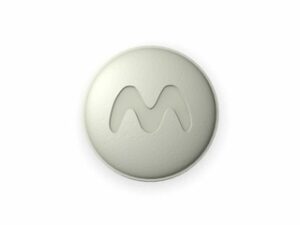
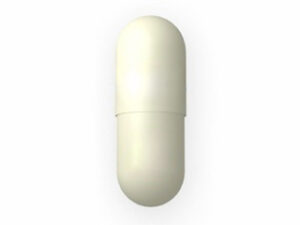
- Typical formulation: Tablets/capsules (availability depends on brand and strength)
- Colour change: Causes orange to red urine (a known effect)
- Who it’s for: Adults with temporary urinary discomfort, where appropriate and safe for them
Phenazopyridine is designed to provide comfort while other treatment takes effect if an infection is present. It does not replace treatment aimed at the underlying cause, such as antibiotics when needed.
How phenazopyridine works (mechanism of action)
Phenazopyridine’s primary benefit is local pain relief in the urinary tract. After it is taken, it is processed in the body and results in metabolites that act on the lining of the urinary tract. This can help to reduce irritation signals, easing:
- Burning or stinging when passing urine
- Urgency and discomfort associated with cystitis-like symptoms
- Bladder irritation pain
Because its role is mainly symptom relief, phenazopyridine does not treat the cause of urinary symptoms (for example, infection). If symptoms persist or worsen, you may need assessment and treatment directed at the underlying problem.
Pharmacokinetics (how the body handles it)
Phenazopyridine is absorbed from the gastrointestinal tract and then processed in the body to form metabolites. These metabolites contribute to the effect on the urinary tract. Key points include:
- Absorption: Taken orally; absorption occurs through the stomach/intestines.
- Distribution: It reaches the urinary tract where its metabolites exert local symptom-relieving effects.
- Metabolism: It is metabolised in the body (details vary by individual physiology and kidney/liver function).
- Elimination: Excreted mainly through the kidneys. This makes kidney function particularly important for safety.
If you have reduced kidney function, phenazopyridine may build up and increase the risk of side effects. Always follow dosing instructions carefully and seek medical advice if you are in a higher-risk group.
Typical use and why timing matters
Phenazopyridine is used to provide temporary relief of discomfort from urinary tract irritation. It is most helpful when:
- Your symptoms are causing noticeable pain or burning.
- You are waiting for other treatment (if applicable) to take effect.
- You need short-term symptomatic support.
Timing expectations: Many people notice relief within roughly 30–60 minutes after taking a dose. For best effect, follow the schedule on the product packaging or as advised by a healthcare professional.
Duration: Use is typically limited to a short course. If symptoms do not improve within the stated timeframe, or you have concerning symptoms, stop using and seek appropriate advice.
Indications (what it is used for)
Phenazopyridine is indicated for the symptomatic relief of urinary tract discomfort such as:
- Burning or pain during urination
- Urinary urgency and discomfort
- Bladder irritation pain (often described in the context of cystitis symptoms)
It’s important to note:
- It does not eradicate bacteria.
- It may mask symptoms, so you should not ignore signs of a more serious condition.
Dosing: how to take phenazopyridine safely
Dosing can vary depending on the specific product strength and local product guidance in the UK. Always read your particular brand’s leaflet or label and follow the instructions provided.
Typical adult use (general guidance):
- Often taken after food to reduce stomach upset.
- May be taken up to 3 times daily depending on the strength and instructions on the pack.
- Usually used for a short duration (commonly no more than 2 days) unless a clinician advises otherwise.
If you miss a dose: Take it when you remember if it is still within the same day and close to the next scheduled time. If it’s nearly time for the next dose, skip the missed dose. Do not double up.
Do not exceed the labelled maximum dose. Overuse increases the risk of serious side effects, especially if kidney function is reduced.
Food interactions: can you take it with meals?
Phenazopyridine is commonly recommended to be taken after food or with meals, as this may improve stomach comfort for some people. Food does not typically “cancel out” the medicine’s effect, but taking it with food can help reduce nausea.
- Take with or after food: Often preferred.
- Avoid taking on an empty stomach: If you notice stomach upset, take it with a meal or snack.
There are no widely recognised specific food groups that must be avoided in most patients, but your product leaflet is always the best source for exact guidance for your strength and formulation.
Alcohol and medicine interactions
Alcohol
There is no single universal rule that phenazopyridine always reacts directly with alcohol; however, alcohol can worsen urinary symptoms, dehydration, and overall irritation. To support recovery and reduce side effects such as nausea or dizziness, it’s generally sensible to limit or avoid alcohol while you’re taking phenazopyridine.
Medicines and interactions
Interactions can depend on your personal medicines and health conditions. Tell your pharmacist or clinician about all medicines you take, including:
- Prescription and over-the-counter medicines
- Herbal products and supplements
- Vitamins (especially if high-dose)
Some medicines or conditions can increase risk because phenazopyridine is excreted by the kidneys and may cause heightened effects in people with kidney impairment. If you take other medicines that affect kidney function or fluid balance, ask for advice.
Seek urgent advice if you develop unusual symptoms such as severe weakness, breathlessness, rash, facial swelling, or dark urine beyond the expected orange/red urine from phenazopyridine.
Safety profile: side effects and who should be cautious
Common side effects
- Orange/red urine (expected; not blood)
- Staining: May stain fabrics, contact lenses, and urine collection devices
- Stomach upset, nausea or indigestion (less likely if taken with food)
- Headache in some people
Less common but serious risks
Serious side effects are uncommon when used correctly, but you should be aware of warning signs. Stop taking phenazopyridine and get urgent medical advice if you experience:
- Signs of a blood problem: unusual bruising, infections, severe tiredness
- Breathing difficulties or chest symptoms
- Severe allergic reaction: swelling of face/lips, wheezing, hives
- Yellowing of skin/eyes (jaundice) or severe fatigue
- Severe skin reaction or blistering rash
Who should be cautious
Use may require extra caution (or alternative options) if you have:
- Reduced kidney function (important for safety due to kidney elimination)
- Existing liver disease
- G6PD deficiency or a history of blood disorders (ask for advice)
- Known hypersensitivity to phenazopyridine or related medicines
- Pregnancy or breastfeeding (speak to a healthcare professional for personalised advice)
Phenazopyridine is typically intended for short-term symptomatic use. If you have recurrent urinary symptoms, it’s important to determine the cause rather than repeatedly using symptom-relief alone.
Practical use tips (make it easier and safer)
- Expect orange/red urine: This is a known effect. It does not usually indicate worsening disease.
- Protect clothing and bedding: Phenazopyridine-stained urine can leave marks.
- Avoid contact lenses: Phenazopyridine can stain lenses and may be an issue if you wear them.
- Drink fluids: Adequate hydration can help flush the urinary tract and support comfort.
- Monitor symptoms: If fever, back/flank pain, or worsening symptoms occur, seek advice promptly.
- Do not extend treatment: Follow the maximum duration stated on the pack.
- Check your urine test results: If you’re doing urine testing (for example at a clinic), remember the medicine may affect the appearance of urine and potentially confuse interpretation.
When to seek medical advice
Phenazopyridine can relieve discomfort, but it is important not to delay assessment if symptoms suggest a more serious condition. Seek prompt medical advice if you have any of the following:
- Fever or chills
- Flank or back pain (pain in the sides/back under the ribs)
- Vomiting or feeling very unwell
- Blood in urine that persists (beyond expected staining)
- Pregnancy or symptoms in a child
- Recurrent symptoms or symptoms that return quickly
- Symptoms that don’t improve within the short course recommended for phenazopyridine
Alternative options (UK-friendly choices)
Depending on the cause of urinary symptoms, different approaches may be more appropriate. Symptom relief medicines like phenazopyridine can help discomfort, but you may also consider other supportive measures and, when needed, targeted treatment.
- Paracetamol or ibuprofen (pain relief): Can help with pain and discomfort. Check suitability for you, especially if you have stomach ulcers, kidney disease, or are taking other medicines.
- Hydration and bladder comfort measures: Drinking water, resting, and using warmth (e.g., a warm pack on the lower abdomen) may offer relief.
- Urinary antiseptics/other symptom relievers: Some products may offer similar comfort (availability varies). A pharmacist can help compare options.
- Management of underlying infection (if present): If urinary infection is suspected or confirmed, appropriate treatment targeting the cause may be needed rather than symptom relief alone.
- Prevention strategies: For recurrent symptoms, lifestyle factors (hydration, hygiene practices, avoiding irritants) and clinical evaluation may be helpful.
Your pharmacist can advise which option is most suitable based on your symptoms, medical history, and the product you’re considering.
Market and legal context in the United Kingdom
In the UK, availability and classification of medicines depends on the specific product and strength. Consumers are encouraged to follow product label directions and seek appropriate advice if symptoms are persistent, severe, or associated with risk factors.
- Packaging and leaflets: Always follow instructions on the product packaging/leaflet supplied with your medicine.
- Pharmacist support: UK pharmacies can help you choose appropriate products and assess red-flag symptoms.
- Antimicrobial stewardship: For suspected urinary infections, clinical practice in the UK emphasises correct diagnosis and appropriate use of treatments to reduce unnecessary antibiotic use.
Where phenazopyridine is used, it should be viewed as symptomatic relief while the underlying cause is addressed if required.
Recent guidance and practical clinical considerations
UK clinical guidance for urinary symptoms commonly focuses on:
- Assessing severity and red flags (e.g., fever, back pain, pregnancy, male patients, recurrent symptoms)
- Confirming the likely cause (symptoms can overlap between infection, irritation, and other conditions)
- Choosing appropriate management and avoiding inappropriate or prolonged symptom masking
- Encouraging timely review if symptoms do not improve
Phenazopyridine fits into care primarily as a short-term comfort measure. If symptoms are ongoing or you’re unsure, a pharmacist or clinician can advise next steps.
Delivery and availability (UK)
Availability of phenazopyridine products can vary by brand, strength, and current supply conditions. Online pharmacies typically offer:
- Standard delivery: Usually within several working days (depends on the supplier and location).
- Express delivery options: May be available during checkout.
- Cold/temperature requirements: Most tablet/capsule presentations do not require special storage beyond room temperature.
- Discreet packaging: Many online services provide packaging designed to protect privacy.
After ordering, check the dispatch and delivery estimate shown at checkout. If you need the product urgently, select the fastest available delivery option or contact customer support.
Storage and handling
- Store below 25°C unless your leaflet states otherwise.
- Keep in original packaging to protect from light and for accurate identification.
- Keep out of sight and reach of children.
- Do not use after the expiry date.
FAQ (Frequently asked questions)
1) Why is my urine orange or red?
Phenazopyridine commonly causes orange to red urine. This is expected and is due to the medicine’s dye-like effect on urine. However, seek advice if you also have severe symptoms such as fever, back pain, or persistent visible blood not consistent with your usual symptoms.
2) Does phenazopyridine treat a urinary infection?
Phenazopyridine is intended for symptom relief (burning/pain/urgency) and does not reliably treat the underlying infection itself. If infection is present or suspected, you may need assessment and appropriate treatment beyond symptom relief.
3) Can I drive or operate machinery?
Most people can drive as normal. If you experience dizziness, tiredness, or feeling unwell, avoid driving and seek advice. If you’re unsure, check the patient information leaflet for your product.
4) What if my symptoms don’t improve?
If symptoms persist beyond the short course recommended for phenazopyridine, or you worsen, stop using phenazopyridine and seek medical/pharmacist advice. Persistent symptoms can indicate a condition that needs targeted treatment.
5) Can I take phenazopyridine with food?
It’s generally recommended to take it after food or with meals to help reduce stomach upset. Follow the exact instructions on your product label.
6) Is it safe to drink alcohol while taking phenazopyridine?
Alcohol may worsen irritation and dehydration and can increase the chance of feeling unwell. It’s usually best to limit or avoid alcohol while taking the medicine unless your pharmacist advises otherwise.
7) Will phenazopyridine affect urine tests?
Because phenazopyridine changes urine appearance, it may interfere with the interpretation of certain urine tests. If you are planning a urine test, mention that you are taking phenazopyridine to the clinician or laboratory.
8) Who should not use phenazopyridine?
People with certain conditions—especially kidney impairment—may need extra caution or alternatives. If you have kidney disease, liver disease, a blood disorder history, are pregnant, or are breastfeeding, ask a pharmacist or clinician for personalised advice.
9) Can I take phenazopyridine long-term?
Phenazopyridine is intended for short-term symptomatic use. Prolonged use can increase the risk of complications. If symptoms continue, seek advice to address the underlying cause.
10) Can it stain fabrics or contact lenses?
Yes. Phenazopyridine can stain urine-related items. It may also stain contact lenses. If you wear contact lenses, consider avoiding them while taking the medicine and follow product leaflet instructions.
Summary
Phenazopyridine is a short-term medicine used for temporary relief of pain and burning associated with urinary tract irritation. It provides local symptom relief and may start working within about an hour. It can cause orange/red urine, which is expected, but it does not treat the underlying cause of urinary symptoms. If you have red-flag symptoms such as fever or back pain, or if symptoms do not improve within the recommended timeframe, seek advice promptly.