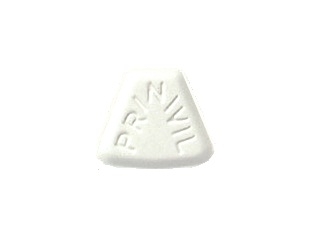


Prinivil (Lisinopril) – Patient Information (UK)
Prinivil contains lisinopril, a medicine from the group of drugs called ACE inhibitors (angiotensin-converting enzyme inhibitors). It is used to treat a range of cardiovascular conditions and helps lower strain on the heart and blood vessels.
This page explains how Prinivil works, how it is used in the UK, important safety information, practical tips for taking it, and answers to common questions. Always follow the advice given by your healthcare professional and the information on the patient information leaflet supplied with your medicine.
Key product details
| Feature | Details |
|---|---|
| Medicine name | Prinivil |
| Active ingredient | Lisinopril |
| Medicine class | ACE inhibitor |
| Main uses | High blood pressure, heart failure, and related cardiovascular conditions (as directed) |
| Typical route | By mouth (tablet) |
| Common dosing pattern | Usually once daily |
How Prinivil works (mechanism of action)
Lisinopril belongs to the ACE inhibitor class. It works by reducing levels of angiotensin II, a substance that normally causes blood vessels to narrow. By blocking the formation (conversion) of angiotensin II:
- Blood vessels relax and widen, lowering blood pressure.
- The medicine can improve blood flow and reduce the workload on the heart.
- It may help reduce harmful remodelling of the heart and blood vessels over time, which is particularly important in long-term cardiovascular conditions.
Important: Because Prinivil changes blood vessel tone, you may feel effects such as mild light-headedness when you start. This is often most noticeable when therapy is first started or when the dose is increased.
Pharmacokinetics (how the body handles lisinopril)
Pharmacokinetics describes what the body does with a medicine. Key points for lisinopril include:
- Absorption: Lisinopril is absorbed after oral dosing. Food may not significantly reduce the amount absorbed, but taking it consistently helps maintain stable levels.
- Onset of action: Blood pressure lowering may begin within a few hours of a dose. The maximum effect may take longer depending on the individual and condition.
- Peak effect: The medicine reaches peak blood levels within several hours after taking a dose.
- Distribution: Lisinopril distributes throughout the body and acts on the renin-angiotensin system.
- Elimination: Lisinopril is largely cleared by the kidneys. Dose adjustments may be needed in people with reduced kidney function.
- Half-life: The duration of action is suitable for once-daily use for many patients.
Typical uses in the UK
Prinivil is commonly prescribed for cardiovascular conditions such as:
- High blood pressure (hypertension): to lower blood pressure and reduce the risk of cardiovascular complications.
- Heart failure: to improve symptoms and outcomes in selected patients (often alongside other medicines).
- After a heart attack (in appropriate patients): when clinically indicated, usually as part of longer-term management.
- Diabetic kidney disease: in some patients to help protect kidney function (subject to clinical assessment).
Note: The exact indication and target dose depend on your diagnosis, other medicines, kidney function, and potassium levels.
When to take Prinivil (timing)
Prinivil is often taken once daily at the same time each day. Many people choose a morning dose, but the most important factor is consistency.
- If you feel light-headed when you start, your clinician may suggest taking it at bedtime.
- Take it at a time that fits your routine so you don’t miss doses.
If you miss a dose: Take it as soon as you remember on the same day. If it is already close to your next scheduled dose, skip the missed dose. Do not take a double dose to make up for the missed one.
Food interactions
For most people, food does not have a major interaction with lisinopril. However, practical consistency matters:
- Take the tablet with or without food, whichever is easiest for you.
- If your dose upsets your stomach, taking it with a small meal can help.
- Avoid sudden changes in your diet that may dramatically affect salt intake (for example, very high-potassium or salt-substitute products), especially if you have kidney issues.
Do not use salt substitutes containing potassium unless your healthcare professional has advised it, because ACE inhibitors can raise potassium levels.
Alcohol and medicine interactions
Alcohol can increase the blood-pressure-lowering effect of Prinivil, which may lead to dizziness or fainting, especially when you start treatment or increase the dose.
- Limit alcohol where possible, especially in the first days or after dose changes.
- Be cautious if you already experience low blood pressure symptoms.
Always check interactions with other medicines, including over-the-counter products. The most important interactions for lisinopril are outlined below.
Important medicine interactions
Several medicines may interact with lisinopril or increase the risk of side effects (particularly effects on kidney function and potassium levels). Tell your healthcare professional or pharmacist about all medicines you take, including:
- Potassium supplements or salt substitutes containing potassium
- Other medicines that raise potassium, such as some diuretics (e.g., potassium-sparing types like amiloride or spironolactone) or certain heart medicines
- Non-steroidal anti-inflammatory drugs (NSAIDs) such as ibuprofen, naproxen, or diclofenac (regular or high-dose use can increase kidney stress and reduce the effect of blood-pressure medicines)
- Diuretics (water tablets), which may increase risk of low blood pressure when starting
- Other blood pressure medicines (possible additive lowering of blood pressure)
- Lithium (requires close monitoring because interactions can raise lithium levels)
- Trimethoprim (can increase potassium in some situations)
- Immunosuppressant medicines or medicines that affect kidney function (needs individual assessment)
Double ACE inhibition: In many cases, combining ACE inhibitors with certain other renin-angiotensin system medicines (for example, some ARBs) is not recommended because of increased risk to kidneys and potassium. Your healthcare professional will decide what combination is appropriate for your condition.
Dose information (general guidance)
Prinivil dosing varies depending on your condition and health status. Your clinician may start you on a lower dose and adjust gradually based on:
- your blood pressure response
- kidney function (creatinine/eGFR)
- potassium levels
- symptoms (including dizziness)
- other medicines you are taking
Typical starting and maintenance doses are commonly adjusted within a range. Your exact dose must be taken exactly as directed.
- High blood pressure: often started at a lower dose, then increased if needed.
- Heart failure: commonly started under close supervision due to risk of low blood pressure and kidney changes.
- After myocardial infarction or in kidney protection scenarios: dosing is individualised with monitoring.
Kidney impairment: Because lisinopril is cleared by the kidneys, dose adjustments are frequently required when kidney function is reduced. Monitoring is essential.
Always use your labelled strength: tablet strengths may differ (for example, 2.5 mg, 5 mg, 10 mg, 20 mg). Do not change strength or timing unless advised.
Safety profile and side effects
Like all medicines, Prinivil can cause side effects. Many are mild and improve over time, but some require urgent medical attention.
Common or relatively common side effects
- Dry cough (a classic ACE inhibitor side effect)
- Dizziness, especially when standing
- Headache
- Fatigue
- Nausea or mild stomach discomfort
Less common but important side effects
- High potassium (hyperkalaemia): may cause weakness, tingling, or abnormal heart rhythm (often detected by blood tests)
- Kidney function changes: may show up as increased creatinine or reduced eGFR on blood tests
- Low blood pressure: more likely after starting or dose increases
Seek urgent medical advice if you get
- Signs of angioedema: swelling of the face, lips, tongue, or throat; difficulty breathing; sudden swelling
- Fainting or severe dizziness
- Severe allergic reactions
- Symptoms of very high potassium (e.g., palpitations, unusual muscle weakness)
Do not ignore a persistent cough—discuss it with your healthcare professional. Some patients switch to another class if the cough is troublesome.
Practical use tips
1) Monitoring and blood tests
Clinicians often check:
- Kidney function
- Potassium levels
- Blood pressure
These checks may occur before starting and again after dose changes.
2) Manage dehydration
ACE inhibitors can be more likely to cause kidney-related side effects if you become dehydrated (for example, from vomiting, diarrhoea, heavy sweating, or severe illness).
- Stay hydrated during hot weather or illness.
- If you are unwell and unable to eat or drink, contact a healthcare professional for advice.
3) Stand up slowly
If you feel dizzy, rise slowly from sitting or lying down. This helps reduce the chance of a fall.
4) Keep an eye on blood pressure
If advised, monitor at home and keep a note of readings. Report consistently low readings or symptoms of dizziness.
5) Don’t abruptly stop
Prinivil is typically taken long-term for ongoing cardiovascular protection. Do not stop suddenly without medical advice.
Alternative options
There are several other medicines that may treat similar conditions, depending on your diagnosis and tolerability. Possible alternatives include:
- ARBs (angiotensin receptor blockers), such as losartan, valsartan, or candesartan (often considered if ACE inhibitor cough occurs)
- Calcium channel blockers (e.g., amlodipine) for blood pressure
- Thiazide-like diuretics (e.g., indapamide) in hypertension regimens
- Beta-blockers in selected heart conditions
Your healthcare professional can recommend the best alternative based on your individual risk factors, kidney function, electrolytes, and other medicines.
Indications and suitability: who should be cautious?
Prinivil may not be suitable for everyone. Extra caution and careful monitoring are important if you have:
- Kidney disease or reduced kidney function
- High potassium or risk of high potassium
- History of angioedema (especially if related to ACE inhibitors)
- Severe dehydration or conditions causing fluid loss
- Diabetes (monitoring is important because potassium and kidney function can change)
Pregnancy and breastfeeding: ACE inhibitors like lisinopril are generally not recommended during pregnancy. If you are pregnant, planning pregnancy, or breastfeeding, speak to your healthcare professional promptly for appropriate alternatives and safety guidance.
Recent guidance and UK context (high-level)
In the UK, ACE inhibitors such as lisinopril are widely used in the management of hypertension and heart-related conditions. National guidance emphasises:
- Individualised dosing and careful monitoring of kidney function and potassium
- Reviewing drug interactions, particularly NSAIDs and potassium-raising medicines
- Patient education about symptoms that require urgent attention (for example, angioedema)
- Continued cardiovascular risk management, including lifestyle measures and other medicines as indicated
For many patients, ACE inhibitors form part of evidence-based “core” therapy for long-term cardiovascular risk, balanced with safety monitoring.
Delivery, availability and ordering (UK online pharmacy)
Prinivil availability may vary depending on supply and strength. When ordering through a UK online pharmacy, you can generally expect:
- Check stock for your selected strength (tablets may come in different strengths)
- Standard delivery times depending on the pharmacy’s dispatch schedule and courier service
- Tracking updates where provided by the delivery service
- Discrete packaging for privacy
Tip: Before ordering, confirm the medicine strength (mg) and quantity match what you need. If you have recently changed dose, double-check the tablet strength to avoid taking the wrong amount.
Availability note: Some medicines can experience periodic supply issues. If stock is limited, a pharmacy may offer an equivalent branded product or another strength, subject to availability and suitability.
Frequently Asked Questions (FAQ)
1) How quickly will Prinivil lower my blood pressure?
Blood pressure may start to change within hours of the first dose. Full benefits can take longer and often require consistent daily use for weeks. If you feel unwell or very dizzy early on, seek advice promptly.
2) Can I take Prinivil with food?
Yes. Prinivil can usually be taken with or without food. Choose a routine you can stick to, and consider taking it with food if it upsets your stomach.
3) Does Prinivil cause a cough?
A dry, persistent cough is a known side effect of ACE inhibitors, including lisinopril. If the cough is bothersome or persistent, speak to your healthcare professional—there may be alternative options.
4) What tests will I need?
Common monitoring includes kidney function and potassium levels, especially after starting therapy or increasing the dose. Blood pressure checks are also important.
5) Is it safe to take ibuprofen or other painkillers?
Occasional use of certain painkillers may be possible, but regular or high-dose NSAID use can increase risks for kidney function and may reduce blood pressure control. Ask your pharmacist or clinician about the safest option for your situation.
6) Can I drink alcohol while taking Prinivil?
Alcohol can increase dizziness and lower blood pressure further. If you drink, consider keeping it limited, especially at the start or after a dose change, and avoid situations where you might fall if you feel light-headed.
7) What should I do if I feel dizzy when starting?
Stand up slowly and avoid sudden position changes. If dizziness is severe, you faint, or you have symptoms like chest pain or breathing difficulty, seek urgent medical advice.
8) What if I miss a dose?
Take it when you remember on the same day. If it is nearly time for the next dose, skip the missed dose. Do not take a double dose.
9) Are there alternatives if I can’t tolerate it?
Yes. Depending on your condition and side effects, alternatives may include ARBs, calcium channel blockers, or other cardiovascular medicines. Your healthcare professional can advise what fits your treatment plan.
10) Who should not take lisinopril?
It may not be suitable for everyone, especially people with a history of angioedema related to ACE inhibitors, significant kidney impairment without appropriate monitoring, or specific pregnancy situations. Discuss your medical history with a clinician.
Important reminder
Prinivil (lisinopril) can be very effective when used correctly, but it requires safe use and appropriate monitoring. If you are unsure about interactions, dose timing, or side effects, ask a pharmacist or healthcare professional for advice.
Always read the patient information leaflet that comes with your medicine for full details on side effects, warnings, and instructions specific to your product.