

Cozaar (Losartan) – Patient-Friendly Information (UK)
Cozaar contains losartan, a medicine used to help control blood pressure and protect the kidneys in certain people. This page explains how Cozaar works, when it’s used, how to take it, key safety information, and practical tips to get the best benefit while staying well informed.
Always follow the instructions on your prescription label and the advice you receive from your healthcare professional.
Quick overview
- Medicine: Cozaar (losartan)
- Medicinal type: Angiotensin II receptor blocker (ARB)
- Common uses: High blood pressure, protection of the kidneys in people with type 2 diabetes and protein in the urine, and treatment of certain heart conditions (as directed)
- How it works: Helps relax blood vessels by blocking angiotensin II
- Typical dosing frequency: Usually once daily
- Common side effects: Dizziness, tiredness, and sometimes increased potassium
Basic product information
Brand name: Cozaar
Active ingredient: Losartan
Drug class: ARBs (angiotensin II receptor blockers)
Available strengths (typical): Common tablet strengths include 12.5 mg, 25 mg, 50 mg, and 100 mg (availability can vary by supplier and formulary).
What to expect: Cozaar is designed for long-term use. Blood pressure lowering can be gradual, with benefits building over days to weeks.
How Cozaar works (mechanism of action)
In the body, the hormone angiotensin II helps narrow blood vessels and encourages the body to retain salt and water. Losartan blocks the AT1 receptor where angiotensin II acts.
As a result, Cozaar:
- Relaxes and widens blood vessels, reducing blood pressure.
- Helps reduce strain on the heart by lowering resistance against which the heart pumps.
- Supports kidney protection in certain patients—particularly where there is diabetes-related kidney involvement.
Key point: Because losartan blocks the effects of angiotensin II, it may also affect kidney function and potassium levels—so blood tests are often part of safe use.
Pharmacokinetics (how the body handles losartan)
“Pharmacokinetics” describes absorption, metabolism, and elimination—how the body processes the medicine.
- Absorption: Losartan is absorbed after oral dosing. Peak effects occur within hours.
- Distribution: It circulates in the bloodstream and distributes to tissues.
- Metabolism: Losartan is metabolised mainly in the liver, producing an active metabolite (often referred to as EXP-3174), which contributes to the overall blood pressure effect.
- Elimination: The medicine and its metabolites are removed largely via the bile and gut (and to a smaller extent by the kidneys).
- Duration: The once-daily dosing works because losartan and its active metabolite remain active long enough to maintain effect over 24 hours.
Practical implication: Cozaar is commonly taken once daily. If you miss a dose, the “timing” advice below can help you recover safely.
What Cozaar is used for (indications)
Cozaar is used for several cardiovascular and kidney-related indications. Your healthcare professional will decide which indication applies to you.
Common uses
- High blood pressure (hypertension): Helps lower blood pressure and reduce cardiovascular risk.
- Kidney protection in type 2 diabetes: In people with type 2 diabetes and protein in the urine (albuminuria/proteinuria), to help slow kidney disease progression.
- Heart-related conditions: Losartan may be used for certain people with heart failure or related conditions when treatment is appropriate (depending on local guidance and individual tolerance).
Important note: Cozaar is not an “as-needed” medicine for sudden symptoms. It is typically taken regularly to maintain long-term control.
How to take Cozaar (dosing and timing)
Your exact dose depends on your condition, blood pressure response, kidney function, and other medicines you take. Typical dosing patterns are outlined below.
Typical dosing (general guidance)
- High blood pressure: Common starting dose is often 50 mg once daily, with adjustment based on response.
- Possible lower starting dose: Some people (for example, with certain risk factors) may start on a lower dose such as 25 mg once daily.
- Kidney protection in type 2 diabetes with proteinuria: Often uses 50 mg once daily, adjusted as necessary.
- Higher dose adjustments: Depending on response and tolerability, clinicians may increase up to 100 mg once daily.
When to take it
Cozaar is usually taken once daily, at a time that suits you. Many people find it easiest to take it at the same time each day.
- You may take it with or without food.
- If it makes you feel dizzy, consider taking it at a time when you can sit or rest.
- If you’re changing your routine, aim to keep the dose time consistent.
If you miss a dose
- Take it as soon as you remember on the same day.
- If it is already close to your next dose, skip the missed dose and continue with your usual schedule.
- Do not take a double dose to make up for a missed tablet.
Duration of treatment
Cozaar is generally intended for long-term use. Even if you feel well, continuing treatment helps protect your blood pressure and organs over time.
Food interactions
Food is not usually a major issue with Cozaar. Losartan can be taken with or without meals. This means you can choose what fits your lifestyle.
Hydration and consistency: If you’re taking diuretics (“water tablets”) or have kidney issues, maintaining normal fluid intake as advised by your clinician can help reduce dizziness and support stable kidney function.
Alcohol and medicine interactions
Alcohol can increase the chance of dizziness or light-headedness, especially when you start Cozaar or after dose changes. To reduce side effects:
- Keep alcohol intake moderate.
- Be cautious standing up quickly.
- If you notice faintness, avoid driving and seek medical advice if symptoms persist.
Other important medicine interactions
Some medicines can affect potassium levels, kidney function, or the effectiveness and safety of Cozaar. Always inform your pharmacist or prescriber about everything you take, including over-the-counter medicines and herbal products.
Common interaction areas include:
- Potassium supplements and potassium-sparing diuretics (e.g., spironolactone, eplerenone): may increase potassium levels.
- Other medicines that raise potassium: certain salt substitutes (low-salt, “potassium salt”), and some supplements.
- NSAIDs painkillers (e.g., ibuprofen, naproxen, diclofenac): regular or high-dose use can affect kidney function and reduce the blood pressure benefits, especially in older adults or those with existing kidney disease.
- Lithium: losartan may change how lithium is handled; monitoring may be needed.
- Aliskiren: combination therapy is generally avoided in many patients with diabetes and is used cautiously in other groups.
- Dual blockade of the renin–angiotensin system: combining an ARB with an ACE inhibitor is usually not recommended for most patients due to risk of kidney impairment and high potassium.
If you’re unsure whether your medicines are interacting, ask your pharmacist for a check. It’s especially important if you start any new medicine, such as a painkiller course.
Safety profile (who should be careful)
Like all medicines, Cozaar can cause side effects. Many people tolerate it well, but it’s important to know what to look out for.
Common side effects
- Dizziness (often mild; more likely when starting or after dose changes)
- Tiredness
- Low blood pressure symptoms, such as feeling faint
- Changes in blood tests, particularly increased potassium
Less common but important side effects
- Kidney function changes (especially in people with existing kidney disease, dehydration, or those taking certain interacting medicines)
- Allergic-type reactions, including facial swelling (seek urgent help if swelling affects breathing)
- Rare muscle symptoms or severe weakness (report promptly)
Seek urgent medical help if
- You develop swelling of the face, lips, tongue, or throat or have trouble breathing (possible angioedema).
- You experience fainting, severe dizziness, or symptoms of very low blood pressure.
- You develop severe symptoms such as chest pain, persistent severe shortness of breath, or neurological symptoms (seek emergency medical care).
Special safety notes (pregnancy)
Cozaar is not suitable in pregnancy. ARBs can harm an unborn baby. If you are pregnant, planning pregnancy, or could become pregnant, discuss alternative options with a healthcare professional urgently.
Breastfeeding
Breastfeeding guidance should be discussed with a healthcare professional. The suitability of losartan during breastfeeding depends on individual risk/benefit considerations.
Kidney and liver impairment
- Kidney impairment: dose adjustments and blood monitoring may be needed.
- Liver impairment: losartan processing occurs in the liver, so your doctor may use a lower starting dose and monitor you more closely.
Monitoring (what blood tests may be needed)
Your clinician may check:
- Kidney function (creatinine/eGFR)
- Potassium
- Blood pressure and overall tolerance
This is especially important after starting, after dose changes, or when adding interacting medicines.
Practical use tips
- Take it at the same time daily to support consistency and reduce missed doses.
- Stand up slowly, especially if you feel dizzy. This can reduce the risk of falls.
- Keep follow-up appointments for blood pressure checks and blood tests.
- Watch for dehydration during hot weather or illness (vomiting/diarrhoea). Dehydration can worsen low blood pressure and kidney function—contact your clinician if you become unwell.
- Be careful with “natural” products and salt substitutes that contain potassium.
- Record your readings if you self-monitor at home. Share trends with your clinician.
When you feel better: Even if your blood pressure improves, do not stop Cozaar suddenly unless advised. Stopping may lead to loss of control.
How quickly does Cozaar work? (timing expectations)
Individual response varies, but generally:
- Initial effect: may be noticed within the first days.
- Full effect: typically takes several weeks of regular use.
If your blood pressure is still above target after a reasonable time, your prescriber may adjust the dose or consider additional treatments.
Alternative options to consider
If Cozaar isn’t suitable or doesn’t achieve your target blood pressure, your healthcare professional may consider other medicines or combinations.
Other ARBs
- Examples include valsartan, candesartan, and irbesartan.
ACE inhibitors
- Examples include lisinopril, ramipril, and enalapril.
Other blood pressure medicine classes
- Calcium channel blockers (e.g., amlodipine)
- Thiazide-like diuretics (e.g., indapamide)
- Beta-blockers (e.g., bisoprolol) for selected patients
Your clinician will tailor choices based on your condition, kidney function, age, other conditions, and any side effects.
Market and legal context in the United Kingdom
Cozaar (losartan) is an established medicine in the UK. It is regulated by UK medicines authorities and supplied through NHS and private healthcare systems. In the UK, medicine supply and counselling requirements help ensure patients receive safe and appropriate products.
Availability: Cozaar is commonly available from pharmacies and via online pharmacies that meet UK legal requirements for medicines supply and patient information.
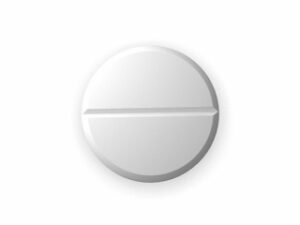
Formulations and generics: Losartan is available as medicines under different brand names and as generic forms. The active ingredient is the same (losartan), but brand and tablet appearance may differ.
Recent guidance note (UK context): Blood pressure management and kidney protection strategies may be updated periodically by professional bodies (e.g., NICE) and regulators. Your healthcare team may review targets and combinations over time, especially when monitoring kidney function and potassium levels.
Delivery and availability (online pharmacy considerations)
Online pharmacy services in the UK typically offer home delivery or collection options (depending on supplier policies). Delivery time depends on stock, address, and local courier arrangements.
What you can do to help ensure smooth delivery:
- Check that your delivery address details are correct.
- Allow time for processing and confirmation steps.
- Store tablets in a cool, dry place, away from direct sunlight and out of reach of children.
- Check the packaging for expiry dates and confirm you have received the correct strength.
Stock variation: Cozaar strength availability may vary between suppliers. If a specific strength is temporarily out of stock, some pharmacies may offer an alternative presentation (e.g., different strength) if clinically appropriate and legally allowed.
FAQ about Cozaar (Losartan)
1) Is Cozaar used only for blood pressure?
No. While it is commonly used for high blood pressure, it may also be used to protect kidney function in certain people with type 2 diabetes and protein in the urine, and for specific heart-related indications as advised by a clinician.
2) Can I take Cozaar if I have diabetes?
Many people with diabetes take losartan. It’s often used to help protect kidneys when there is protein in the urine. Blood tests for kidney function and potassium are important, and your clinician will decide the most appropriate dose and monitoring plan.
3) What should I do if I feel dizzy after starting?
Dizziness can happen, especially when starting or after a dose increase. Sit or lie down if you feel light-headed, stand up slowly, and avoid driving if you feel unsteady. Contact your healthcare professional promptly if dizziness is severe or persistent.
4) Does Cozaar interact with ibuprofen or other painkillers?
Occasional use may be fine for many people, but regular or high-dose NSAID use can affect kidney function and blood pressure control. If you need frequent pain relief, ask your pharmacist for the safest option and confirm whether monitoring is needed.
5) Can I drink alcohol while taking Cozaar?
Moderate alcohol intake is often tolerated, but alcohol can increase dizziness or lower blood pressure. If you notice side effects, reduce or avoid alcohol and seek advice if symptoms continue.
6) How long does it take for Cozaar to lower blood pressure?
Some effect may begin within days, but full benefit usually develops over several weeks. Keep taking it regularly and attend follow-up appointments.
7) Will Cozaar cause a cough?
Cough is more commonly associated with ACE inhibitors. ARBs like losartan generally cause cough less often, but individual responses vary.
8) Should I avoid salt substitutes?
Many salt substitutes contain potassium. Because losartan can increase potassium levels, avoid potassium-containing substitutes unless your clinician has advised them.
9) Is it safe to take Cozaar with other blood pressure medicines?
Sometimes combinations are used to achieve target blood pressure. However, certain combinations—especially combining ARBs with ACE inhibitors or adding multiple potassium-raising medicines—may be unsafe. Only combine therapies under medical advice.
10) What should I do before surgery or during severe illness?
If you’re very unwell (for example, vomiting or diarrhoea) or are scheduled for surgery, ask your clinician or pharmacist whether you should temporarily pause your medicine. Dehydration can increase the risk of kidney problems and low blood pressure.
Summary
Cozaar (losartan) is an ARB used in the UK to treat high blood pressure and to protect the kidneys in certain people with type 2 diabetes and protein in the urine. It works by blocking the effects of angiotensin II, helping blood vessels relax and reducing pressure on the heart and kidneys.
Most people take it once daily, with or without food. For safe use, it’s important to monitor blood pressure, kidney function, and potassium, especially after starting or adjusting the dose. If you experience warning signs such as severe dizziness or facial swelling, seek urgent medical help.
If you have questions about suitability, dosing, or interactions with other medicines, speak to your pharmacist or healthcare professional.