Procardia (Nifedipine) – Patient Information (UK)
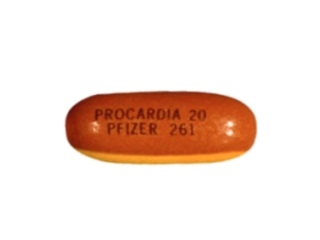
Procardia is a brand name for nifedipine, a medicine used to treat conditions related to high blood pressure and certain heart and blood vessel problems. This guide explains how nifedipine works, when it’s taken, key interactions (including with food, alcohol and other medicines), and practical advice to help you use your treatment safely and effectively in the United Kingdom.
Always follow the advice given by your healthcare professional and read the leaflet provided with your specific product strength and formulation (immediate-release vs modified-release).
Basic product information
| Product | Active ingredient | Common uses | Typical formulation types |
|---|---|---|---|
| Procardia | Nifedipine | High blood pressure, angina (certain types), Raynaud’s phenomenon (where appropriate) | Immediate-release and modified/extended-release versions exist |
What is nifedipine and how does it work?
Nifedipine is a calcium channel blocker, specifically a dihydropyridine calcium antagonist. It works mainly by relaxing smooth muscle in the blood vessel walls. This results in:
- Widening (dilating) arteries, which can lower blood pressure
- Improved blood flow to the heart muscle
- Reduced workload on the heart in conditions such as angina
- Relief of vessel spasm in conditions like Raynaud’s phenomenon (in suitable patients)
The overall effect is a smoother, more consistent delivery of oxygenated blood to tissues and a reduction in the pressure the heart must pump against.
Mechanism of action (in simple terms)
Calcium ions help muscle cells contract. Nifedipine blocks calcium entry into vascular smooth muscle cells. When less calcium enters these cells, they relax. Relaxed blood vessels reduce resistance in the circulation, leading to lower blood pressure and (for some people) fewer symptoms of chest pain caused by reduced blood flow.
Pharmacokinetics – how the body processes nifedipine
Pharmacokinetics describes how the medicine is absorbed, distributed, metabolised and eliminated. Because nifedipine products differ (immediate-release vs modified/extended-release), exact timing can vary by formulation.
Absorption
- Nifedipine is absorbed from the gut after oral dosing.
- Modified-release products are designed to release nifedipine more slowly for steadier blood levels.
Distribution
- Nifedipine binds substantially to blood proteins.
Metabolism
- Nifedipine is extensively metabolised by the liver (primarily via the CYP3A4 pathway).
- This explains why interactions with some medicines (e.g., certain antibiotics/antifungals and some heart medicines) may be important.
Elimination
- Metabolites are mainly eliminated via the kidneys and/or bile.
Your prescribed formulation and dose will influence onset and duration of effect. If you’re unsure whether you have an immediate-release or modified-release product, check your packaging or ask a pharmacist.
Typical uses in the UK
Nifedipine may be used in several cardiovascular conditions depending on your personal situation and local clinical guidance. Common indications include:
- Hypertension (high blood pressure)
- Angina (for example, to prevent episodes of chest pain in certain types)
- Raynaud’s phenomenon (helping reduce frequency/severity of attacks in suitable patients)
The suitability of nifedipine can depend on factors such as your other medicines, your heart rate, kidney/liver function, and the type of formulation you are using.
Indications (what symptoms it may help)
Depending on your diagnosis, nifedipine is used to help prevent or reduce symptoms such as:
- High blood pressure–related risk over time (often with no immediate symptoms)
- Angina episodes such as chest discomfort, tightness or pain (often triggered by exertion or stress)
- Cold-induced colour changes in fingers/toes and associated discomfort (Raynaud’s symptoms)
Nifedipine is not a painkiller for sudden chest pain; if you suspect a heart attack or have severe, new or worsening chest pain, seek urgent medical advice.
Dosing – what to expect
Dosing varies by condition, formulation and individual response. Your healthcare professional will decide the dose and how frequently you take it. The information below is general and not a substitute for personalised advice.
Common dosing approach
- Many regimens start at a lower dose and are adjusted gradually.
- Immediate-release and modified-release products may have different dosing schedules.
- Some people may take the medicine once daily (often with modified/extended-release products), while others take it more than once daily.
How to take it safely
- Swallow tablets whole unless the product leaflet specifically allows otherwise.
- Do not crush or chew modified/extended-release tablets; this can change how the medicine releases.
- Try to take doses at similar times each day.
If you miss a dose
If you miss a dose, take it as soon as you remember unless it’s close to the time for your next dose. Do not take a double dose to make up for the missed one. If you’re uncertain, ask a pharmacist for advice based on your specific product.
Timing – when and how to take Procardia
The best timing depends largely on your formulation:
- Immediate-release nifedipine: may be taken several times per day as advised.
- Modified/extended-release nifedipine: often taken once daily or as directed to provide steadier blood levels.
Many people find it helpful to choose a routine time that fits their day (for example, morning and/or evening). If you feel side effects soon after dosing, speak to your clinician or pharmacist; they may adjust the dose or timing.
Food interactions – can you take it with meals?
Food can sometimes affect the absorption of medicines. For nifedipine:
- There may be differences in absorption depending on whether it’s taken with meals, especially for some formulations.
- In practice, many people can take nifedipine with or without food, but consistency is important.
Practical tip: Take Procardia in the same way each day (with meals or without meals), unless your product leaflet advises otherwise. If you have been told to take it “on an empty stomach” or “after food,” follow that instruction carefully.
Alcohol and other medicine interactions
Alcohol
Alcohol can sometimes increase the risk of dizziness or low blood pressure when combined with antihypertensive medicines. If you drink alcohol while taking nifedipine:
- Start with small amounts to see how you respond
- Avoid binge drinking
- Be especially cautious if you’re feeling light-headed
If you’re unsure whether alcohol is safe for your specific condition, ask your pharmacist or GP.
Important medicine interactions
Nifedipine is metabolised in the liver (notably via CYP3A4). Medicines that inhibit or induce CYP3A4 may change nifedipine levels, increasing side effects or reducing benefit.
Examples of medicines that may interact (not exhaustive):
- Macrolide antibiotics (e.g., clarithromycin, erythromycin)
- Azole antifungals (e.g., ketoconazole, itraconazole)
- HIV protease inhibitors (in certain regimens)
- Some antidepressants and other medicines affecting CYP enzymes
- Grapefruit and grapefruit juice (can significantly increase blood levels of nifedipine for some people)
- Other blood pressure or heart medicines (additive effects may increase dizziness or lower blood pressure)
Nifedipine may also have additive effects when used with medicines that lower blood pressure. Always tell your healthcare professionals about all medicines you take, including over-the-counter products and herbal remedies.
Non-prescription medicines and supplements
Some non-prescription medicines (and certain supplements) may affect heart rate, blood pressure, or liver metabolism. If you are starting anything new—such as cough/cold remedies, decongestants, or herbal products—check with a pharmacist first.
Safety profile – possible side effects and when to seek help
Common side effects
Like all medicines, nifedipine can cause side effects. Some are more likely early in treatment or after dose increases. Commonly reported effects include:
- Headache
- Flushing or feeling warm
- Dizziness or light-headedness
- Swelling in the ankles/feet (peripheral oedema)
- Palpitations (awareness of heartbeat)
- Fatigue
- Nausea or mild stomach discomfort
Less common but important effects
- Low blood pressure (especially when standing up)
- Worsening angina in rare cases, particularly at treatment start or after dose changes
- Skin reactions such as rash (rare)
- Gum overgrowth (more associated with long-term use of some calcium channel blockers; discuss if you notice changes)
Seek urgent medical help if
Contact urgent care or emergency services immediately if you experience symptoms such as:
- Signs of an allergic reaction: swelling of face/lips/tongue, severe rash, difficulty breathing
- Severe dizziness, fainting, or symptoms of dangerously low blood pressure
- Severe or persistent chest pain, shortness of breath, or symptoms that could indicate a heart problem
Who should take extra care?
You may need closer monitoring if you have any of the following:
- Low blood pressure or a history of fainting
- Severe heart problems or heart failure (clinical monitoring may be required)
- Liver disease (the medicine may build up)
- Recent changes in angina symptoms
Practical use tips for everyday life
- Stand up slowly to reduce dizziness—especially after the first dose or when you change dose.
- Monitor your blood pressure if you’ve been advised to do so. Keep notes of readings and any symptoms (headache, dizziness, ankle swelling).
- Keep consistent with how you take it (with food or without food) and with your daily timing.
- Avoid grapefruit and check any fruit juices or products that may contain grapefruit.
- Watch for ankle swelling. If it becomes bothersome, speak to your clinician—sometimes the dose or type of medicine can be adjusted.
- Don’t stop suddenly without advice. If you have side effects or think it isn’t working, seek guidance on how to adjust treatment.
Alternative options to consider
If nifedipine is not suitable due to side effects, interactions, or your specific condition, there are other medicines and treatment approaches that may be considered. Choice depends on diagnosis and your overall health.
Other calcium channel blockers
- Amlodipine (dihydropyridine; often used once daily)
- Diltiazem (non-dihydropyridine; affects heart rate as well as blood vessels)
- Verapamil (non-dihydropyridine)
Other antihypertensive medicines
- ACE inhibitors (e.g., ramipril, lisinopril)
- Angiotensin-II receptor blockers (e.g., losartan, candesartan)
- Diuretics (e.g., hydrochlorothiazide, indapamide)
- Beta-blockers (e.g., bisoprolol, metoprolol)
Non-medicine measures
- Reducing salt intake
- Regular physical activity (within your comfort and safety limits)
- Maintaining a healthy weight
- Stopping smoking
- Managing stress and avoiding cold exposure (for Raynaud’s symptoms)
A pharmacist can help you understand which alternatives may be relevant and what to ask your GP about.
UK market and legal context (general)
In the United Kingdom, nifedipine is a widely used cardiovascular medicine. Medicines are regulated and monitored to ensure quality and safety, and pharmacies must comply with UK pharmaceutical standards for storage, supply and record-keeping.
Safety information for medicines is supported through national systems for reporting suspected side effects and through periodic guidance from regulatory and professional bodies. If new warnings or product recalls occur, they are typically communicated through appropriate channels.
Recent guidance and ongoing safety monitoring
In the UK, healthcare professionals may adjust prescribing approaches based on updates in clinical practice and safety monitoring. When new information becomes available—such as interaction warnings or formulary changes—it can influence how clinicians choose specific calcium channel blockers and dosing strategies.
A key focus in recent years across antihypertensive therapy has included:
- Individualised blood pressure targets and ongoing monitoring
- Attention to medicine interactions, especially involving liver metabolism
- Considering patient-specific risk factors and tolerability
If you’re concerned about the latest recommendations for your condition, speak with your GP or pharmacist.
Delivery and availability (online pharmacy)
Procardia (nifedipine) is generally available through UK pharmacies and is commonly stocked or can be ordered depending on formulation and strength. Delivery services may vary by supplier and location.
What affects delivery time?
- Whether the exact strength/formulation is held in stock
- Order cut-off times for next-day dispatch
- Weather and courier schedules
- Any necessary identity checks or prescription processing steps (where applicable)
Packaging and storage on arrival
- Keep tablets in their original packaging
- Store at room temperature unless the leaflet states otherwise
- Keep out of sight and reach of children
If you have not received your order within the expected timeframe, contact customer support with your order reference number.
FAQ
1) What is Procardia used for?
Procardia (nifedipine) is used for conditions such as high blood pressure and angina (depending on the patient and formulation). It may also be used for Raynaud’s phenomenon in suitable cases as determined by a clinician.
2) How quickly does nifedipine start working?
Onset depends on the formulation. Immediate-release products may act faster, while modified/extended-release products are designed for gradual, steadier effects. Your leaflet or pharmacist can provide guidance specific to your tablets.
3) Can I take nifedipine with food?
Many people can take nifedipine with or without food. For safest consistency, take it the same way each day unless your product leaflet advises otherwise.
4) Should I avoid grapefruit?
Yes. Grapefruit and grapefruit juice can increase nifedipine levels in the body for some people, which may raise the risk of side effects. Avoid grapefruit unless your healthcare professional says otherwise.
5) Is it safe to drink alcohol?
Alcohol may increase dizziness or lower blood pressure. If you drink, do so cautiously and avoid heavy drinking. If you notice light-headedness, stop drinking and seek advice.
6) What side effects are most common?
Common side effects include headache, flushing, dizziness, and ankle/foot swelling. If side effects are severe or persistent, consult your pharmacist or GP.
7) What should I do if I miss a dose?
Take it when you remember unless it’s close to the next dose. Do not take a double dose. If you’re unsure, contact a pharmacist for advice based on your specific product.
8) Can I stop nifedipine suddenly?
Do not stop suddenly unless a clinician advises you to. If you want to change treatment due to side effects or concerns, speak to a healthcare professional about the safest way to adjust.
9) Are there medicines I should not combine with nifedipine?
Some medicines can increase or decrease nifedipine levels or add to blood pressure-lowering effects. In particular, medicines that affect liver enzymes (including certain antibiotics, antifungals, and other drugs) can be important. Tell your pharmacist about everything you take.
10) Is Procardia suitable for everyone?
Suitability depends on your diagnosis and health history, including blood pressure, heart function, and liver health. If you have concerns (e.g., frequent dizziness or heart problems), discuss them with a pharmacist or GP before use.
Summary
Procardia (nifedipine) is a calcium channel blocker used to help manage high blood pressure and certain vascular or heart conditions. It relaxes blood vessels, improving circulation and reducing symptoms related to reduced blood flow. While many people tolerate it well, it may cause dizziness, flushing, headache and ankle swelling—especially early on or after dose changes. Keep timing consistent, avoid grapefruit, be cautious with alcohol, and review any other medicines you take to reduce the risk of interactions.
If you would like, tell us which nifedipine formulation and strength you have (e.g., immediate-release vs modified/extended-release) and what condition you’re treating, and we can tailor the practical timing guidance and interaction checklist to better match your product type.