

Propecia (Finasteride) — Patient-Friendly Guide (UK)
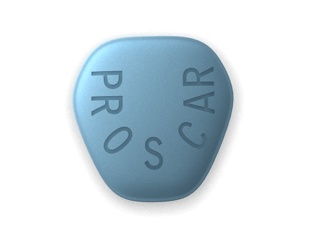
Propecia is a brand of finasteride, a medicine used primarily for male hair loss and related prostate conditions. This guide explains what Propecia is, how it works, how it is used in everyday life, and the safety considerations that matter for people living in the United Kingdom.
Note: This information is for general guidance and does not replace advice from a healthcare professional.
1) Basic product information
| Feature | Information |
|---|---|
| Active ingredient | Finasteride |
| Common brand | Propecia |
| Typical strength | Often 1 mg tablets for hair loss (product strengths may vary by country) |
| Medicine type | 5-alpha-reductase inhibitor |
| Target conditions | Male pattern hair loss; sometimes other related conditions at different doses |
| How it’s taken | Usually once daily by mouth |
2) What Propecia does (mechanism of action)
Finasteride works by blocking an enzyme called 5-alpha-reductase. This enzyme converts testosterone into a more potent form called dihydrotestosterone (DHT).
DHT plays a key role in male pattern baldness. In susceptible hair follicles, DHT can lead to miniaturisation of hair—meaning hairs become thinner, shorter, and eventually stop growing.
- By lowering DHT levels, Propecia may slow hair thinning and help some men regrow hair or maintain existing hair.
- In the prostate, reducing DHT can also affect prostate growth, which is why finasteride is used in other contexts at different doses.
3) Indications (what Propecia is used for)
In the UK, Propecia (finasteride) is commonly associated with:
- Male pattern hair loss (androgenetic alopecia) — helping to reduce hair loss and support regrowth/maintenance in men.
- Prostate-related indications — note that prostate conditions are typically treated with other finasteride products and/or different dosing. Your clinician will specify the appropriate product and dose for your situation.
If you’re unsure which condition your product is intended for, check the pack and follow clinician advice.
4) Dosing and how to take Propecia
For male pattern hair loss, the typical adult dose is:
- 1 mg once daily by mouth
Timing: Many people choose to take Propecia at the same time each day to build a routine. You can take it with or without food.
If you miss a dose:
- Take it as soon as you remember.
- If it is close to your next dose, skip the missed dose and continue normally.
- Do not take a double dose to make up for a missed tablet.
How long to use it: Propecia works gradually. Many people do not see benefits immediately.
5) When you may notice effects (timing and expectations)
Hair growth is slow, so improvements occur over months rather than days.
- First signs may begin after a few months, but changes vary widely.
- More reliable assessment is often after 6–12 months of consistent use.
- If you stop taking Propecia, the benefits are generally not permanent and hair loss may gradually return over time.
Tip: If you’re tracking progress, consider taking photos (same lighting and angle) monthly to help you see subtle changes.
6) Pharmacokinetics (how the body handles finasteride)
“Pharmacokinetics” describes how a medicine is absorbed, distributed, metabolised, and eliminated.
- Absorption: Finasteride is absorbed after oral administration.
- Peak levels: Blood levels typically reach a peak within a few hours after taking a dose.
- Distribution: Finasteride distributes into body tissues; it works by reducing DHT systemically.
- Metabolism: Finasteride is metabolised mainly in the liver.
- Elimination: The medicine is eliminated via metabolic pathways; the half-life is long enough to allow once-daily dosing.
Practical meaning: Because levels remain relatively stable with once-daily dosing, missing occasional doses usually has limited short-term impact, but consistent use is important for best outcomes.
7) Food interactions
Food does not have a significant effect on how Propecia works for most people.
- You can generally take it with or without food.
- If you find it causes mild stomach discomfort, taking it with food may help.
Important: This section covers typical food effects. Always check the product leaflet for your specific brand and formulation.
8) Alcohol and medicine interactions
Alcohol: Moderate alcohol intake is not known to have a direct interaction with finasteride. However, heavy or frequent alcohol use can affect overall health and liver function, which is relevant because finasteride is metabolised in the liver.
Medication interactions: Finasteride has fewer common interactions than many other medicines, but interaction checks still matter.
- Concomitant medicines: Tell a healthcare professional or pharmacist about all medicines you take, including over-the-counter products and herbal supplements.
- Hormonal medicines: Because finasteride affects hormone conversion pathways, clinicians should be aware of any hormone treatments.
- Liver-metabolised drugs: Finasteride is metabolised in the liver. While most people experience no issues, your healthcare provider can advise if you’re on multiple medicines.
General safety rule: Do not start, stop, or switch medicines without advice, especially if you have liver disease or take long-term medications.
9) Safety profile and important precautions
Like all medicines, Propecia can cause side effects. Many people tolerate it well, but it’s important to know what to watch for.
Common or well-known side effects
- Sexual function changes (e.g., reduced libido, erectile dysfunction, reduced volume of ejaculate)
- Breast changes (e.g., breast tenderness or enlargement)
- Hypersensitivity or allergic-type reactions in rare cases
Rare but serious symptoms—seek prompt medical advice
- Signs of a serious allergic reaction: swelling of the face/lips, breathing difficulty, severe rash
- Breast lumps or unusual breast discharge
- Severe or persistent mood changes that concern you
Pregnancy and handling precautions (very important)
Finasteride can cause harm to a developing male foetus. Therefore:
- Women who are or may be pregnant must not handle crushed or broken tablets.
- Tablets should be kept intact. If a tablet is damaged, ask a pharmacist about safe handling.
- Dispose of medicine safely and keep out of reach of children.
Blood tests and PSA
Finasteride can affect prostate-specific antigen (PSA) levels. If you undergo PSA testing, inform the clinician that you take finasteride, as results may need interpretation adjustments.
10) Practical use tips
- Use consistently: Take the tablet every day at about the same time.
- Track progress: Use monthly photos and expect gradual changes over 6–12 months.
- Monitor side effects: If you notice sexual side effects or breast tenderness, discuss them promptly. Don’t ignore persistent or worrying symptoms.
- Keep your clinician updated: Inform them about new medicines, symptoms, or any changes in mood or sexual health.
- Storage: Store tablets according to the pack instructions (typically in a cool, dry place).
11) Alternative options for male pattern hair loss
Depending on your preferences, medical history, and access to treatments, alternatives may include:
- Topical minoxidil (often used to stimulate hair growth and reduce hair loss)
- Combination approaches (commonly finasteride plus minoxidil, guided by a clinician)
- Low-level laser therapy (in selected settings)
- Hair transplantation (procedural option)
- Camouflage and lifestyle measures (e.g., styling approaches, hair care routines)
Important: Different treatments work differently and have different safety considerations. A healthcare professional can help choose an approach suited to your goals and health.
12) Market and legal context in the UK
In the United Kingdom, availability of medicines is regulated under UK medicines and pharmacy law. Propecia (finasteride) may be supplied through licensed routes (for example, via pharmacy services that meet UK requirements). The exact requirements for supply can vary depending on formulation, strength, and intended use.
- UK regulation: Medicines are authorised and monitored by the relevant authorities.
- Safety focus: Risk information and product leaflets are provided to support safe use.
- Information standards: Pharmacies offering supply typically ensure appropriate patient information is gathered and safety checks are performed.
Recent guidance note: Public health and prescribing guidance around hair loss treatments and prostate medicines can evolve. If you’re already taking Propecia, keep up with updates from your clinician or pharmacist.
13) Delivery, availability, and what to expect when ordering online (UK)
Online pharmacy supply in the UK typically follows regulated delivery processes. While availability can change by supplier, Propecia may be offered through authorised online services.
- Delivery times: These vary by pharmacy provider and stock status.
- Packaging: Medicines are usually delivered in secure, manufacturer-labeled packaging.
- Storage on arrival: Store tablets as instructed on the pack.
Always check: the product name, strength, expiry date, and that you’ve received the correct formulation before use.
14) Frequently Asked Questions (FAQ)
Is Propecia the same as finasteride?
Yes. Propecia is a brand name that contains the active ingredient finasteride. Finasteride may also be available under other brand or generic products.
Who can take Propecia?
Propecia is generally used in men for male pattern hair loss. It must be handled with special care due to foetal risk (see pregnancy section above). Your eligibility depends on your individual health profile and the intended indication.
How long does it take to work for hair loss?
Hair changes are gradual. Many people notice improvements after 6–12 months of regular use. Responses vary—some people maintain their hair better rather than seeing dramatic regrowth.
Can I drink alcohol while taking Propecia?
Moderate alcohol intake is usually not a direct interaction. However, if you drink heavily or have liver problems, discuss with a healthcare professional, since finasteride is metabolised in the liver.
What side effects should I watch for?
Potential side effects include changes in sexual function, breast tenderness or enlargement, and, rarely, allergic reactions. Seek prompt medical advice for serious symptoms such as swelling or breathing difficulty, breast lumps, or persistent troublesome effects.
Does Propecia affect PSA blood tests?
Finasteride can reduce PSA levels. If you have prostate monitoring, tell the clinician you’re taking finasteride so the results can be interpreted correctly.
Can I take Propecia with food?
Yes. It can generally be taken with or without food. If you experience stomach discomfort, taking it with food may be more comfortable.
What should I do if I miss a dose?
Take it when you remember unless it’s close to the next dose. Do not double up.
Are there any alternatives to Propecia?
Yes. Options may include topical minoxidil, combination therapy, laser treatments, or hair transplant surgery. A clinician can help you choose based on your pattern of hair loss and preferences.
Is stopping Propecia harmful?
Stopping generally doesn’t cause immediate harm, but the hair benefits may fade over time. If you’re considering stopping due to side effects or lack of benefit, speak with a pharmacist or clinician for tailored advice.
15) When to seek medical advice
Speak to a healthcare professional if you:
- develop bothersome sexual side effects
- notice breast tenderness, enlargement, or a breast lump
- experience symptoms of possible allergic reaction
- have concerns about mood changes or other new symptoms
- have liver disease or start multiple new medicines
Summary: Propecia (finasteride) lowers DHT by inhibiting 5-alpha-reductase. For many men with male pattern hair loss, consistent daily use over several months can help slow hair thinning and, in some cases, support regrowth. Always follow the recommended dosing schedule, monitor for side effects, and keep your healthcare team informed.