
Rogaine (Minoxidil) – Patient Guide (UK)
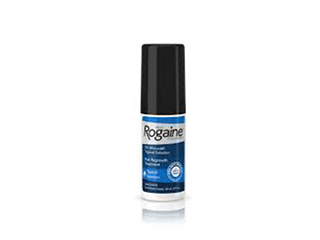
Rogaine is a well-known brand of minoxidil, a medicine used to help treat certain types of hair loss. If you’re considering Rogaine, this guide explains how it works, how to use it, what to expect, and how to use it safely.
This information is designed to be patient-friendly and helpful for people in the United Kingdom.
1. Basic product information
- Active ingredient: Minoxidil
- Brand name: Rogaine
- Common forms: Topical solution or topical foam (for scalp use)
- Typical strengths: Products vary by country and formulation; in the UK, commonly seen strengths are 2% and 5%.
- Route of administration: Topical (applied to the scalp)
Important note: Rogaine products are intended for specific patterns of hair loss. Using the correct product type and following the instructions provided with your chosen Rogaine strength/formulation is important.
2. What is minoxidil and how does it work?
Mechanism of action (how it helps hair growth)
Minoxidil is believed to support hair growth by:
- Increasing blood flow to the hair follicles (through relaxation of blood vessels in the local area).
- Extending the growth phase of the hair cycle (moving more hairs toward an active growth stage).
- Helping hair follicles stay viable for longer.
Minoxidil does not “create” hair from nothing. Instead, it aims to improve the number and thickness of hairs in hair follicles that are still alive, particularly in androgenetic alopecia (pattern hair loss).
3. Pharmacokinetics: what the body does with topical minoxidil
When minoxidil is applied to the scalp, only a portion is absorbed through the skin. Key points include:
- Absorption: Typically limited; absorption is greater if the scalp is irritated, inflamed, or if the product is applied to larger areas than directed.
- Distribution: Minoxidil can enter the bloodstream to a small degree and may be distributed throughout the body.
- Metabolism: Minoxidil is metabolised in the body, forming metabolites.
- Elimination: Metabolites are removed mainly via the kidneys.
Practical meaning for patients: Although topical minoxidil is designed for the scalp, excessive use or use on broken skin can increase absorption and raise the chance of side effects.
4. Indications (what Rogaine is used for)
Rogaine is commonly used for:
- Androgenetic alopecia (pattern hair loss). This includes thinning at the crown and/or receding hairline in men, and thinning over the top of the scalp in women.
- Some cases of hair thinning where follicles remain responsive to minoxidil.
Not intended for: sudden hair loss, patchy bald spots (alopecia areata), or hair loss from scalp conditions such as severe dermatitis. If you’re unsure why you’re losing hair, it’s best to seek medical advice.
5. Typical use and expectations
Why it takes time to work
Hair growth is slow. When you use minoxidil regularly, results are typically gradual.
- Initial shedding: Some people experience increased shedding during the first weeks. This is often temporary and may reflect a shift in the hair cycle.
- Early changes: You may notice reduced shedding or early signs of regrowth after a few months.
- Most visible results: Often take 3 to 6 months, sometimes longer for best effect.
Consistency is key: If you stop using minoxidil, any improvement usually fades over time and gradual hair loss may return.
6. Dosing: how to use Rogaine correctly
Dosing depends on the product strength and whether you’re using solution or foam.
General dosing principles
- Apply to the scalp only (not to the face, hair shafts, or other body areas unless specifically instructed).
- Use the amount stated on your product label.
- Apply to dry hair/scalp unless your specific product instructions say otherwise.
- Wash hands after use.
Common dosing schedules (general guidance)
Many Rogaine regimens are used either once or twice daily depending on the strength and formulation. Because exact instructions may vary, always follow your pack leaflet.
| Product type | Typical application frequency | Where to apply | Key points |
|---|---|---|---|
| Topical solution (commonly 2% or 5%) | Often once or twice daily (follow label) | Thinning areas of the scalp | Measure carefully; avoid over-application |
| Topical foam (commonly 5%) | Often once daily (follow label) | Scalp thinning areas | Press/dispense as directed; keep away from eyes |
If you miss a dose: Apply it when you remember unless it is near the next dose. Do not apply a double amount.
7. Timing: best times to apply
You can usually apply Rogaine at any time of day, but choose a schedule you can maintain.
- Many people prefer applying in the morning and/or evening depending on the instructions for their strength.
- To reduce transfer to pillows and hair styling items, consider applying at times that give you time to let it dry.
- After applying: let it dry on the scalp before going to bed or using hair products.
Consistency matters more than exact timing. The key is regular application according to the label.
8. Food interactions
Because Rogaine is applied to the scalp and is not taken by mouth, food interactions are not expected in the usual way people think of tablets and meals.
However, absorption may increase with skin irritation or larger-area application. If you have active scalp inflammation, do not apply until it has settled unless advised by a healthcare professional.
9. Alcohol and medicine interactions
Alcohol
Topical minoxidil products may contain alcohol as an ingredient (for example, in some solutions). This can sometimes cause:
- Dryness or irritation of the scalp
- A burning or stinging sensation if the scalp is sensitive or broken
Using alcohol elsewhere in your body does not typically have a direct interaction with topical minoxidil. Still, avoid applying Rogaine to irritated skin and stop use if you develop severe reactions.
Other medicines (important interaction considerations)
Although systemic absorption is usually limited, drug interactions are still possible. Consider extra caution if you use:
- Other blood pressure medicines: Minoxidil can potentially lower blood pressure if enough is absorbed systemically.
- Topical treatments on the scalp (especially strong anti-inflammatory or irritant products): combining multiple scalp-active products may increase irritation or alter absorption.
- Medications that can affect heart rate or blood pressure: discuss with a healthcare professional if you have complex medical conditions.
Always check the leaflet for your specific Rogaine product. If you have ongoing health problems, or you take prescription medicines, it is wise to discuss Rogaine use with a qualified clinician.
10. Safety profile: common and serious side effects
Common side effects
These are usually mild and related to the scalp or local application:
- Scalp irritation (redness, itching, burning)
- Dry skin or flaking
- Headache
- Temporary shedding during early treatment
- Dizziness in some cases (often linked to irritation or overuse)
Less common but important reactions
- Allergic reactions (rash, swelling, breathing difficulties) – seek urgent help if severe
- Chest pain, fainting, or palpitations – stop use and seek medical advice urgently
- Unwanted hair growth in areas where product accidentally spreads (e.g., forehead/face)
- Eye irritation if product gets into the eyes
When to stop and get medical advice
Seek prompt medical advice if you develop:
- Severe or worsening scalp reactions
- Swelling of the face/lips, rash with breathing difficulty
- Rapid heartbeat, chest pain, severe dizziness, or fainting
- Breathlessness, sudden unexplained weight gain, or swelling of legs/ankles (could indicate fluid retention)
Pregnancy and breastfeeding: Safety data may be limited. If you are pregnant, trying to conceive, or breastfeeding, seek professional advice before using minoxidil.
11. Practical use tips (to improve results and safety)
Apply correctly
- Use the correct amount: more is not better and can increase side effects.
- Target the scalp: part your hair if needed to reach the skin.
- Do not apply to broken skin.
- Let it dry before hair styling or bedtime.
Avoid product spread
- Wash your hands thoroughly after applying.
- Be careful not to touch your face/eyes after application.
- Use a hat or avoid contact with pillows until the product is fully dry (this helps prevent accidental transfer).
Manage the “first shedding” phase
Shedding can be alarming. If it occurs early on, it is often temporary. Continue as directed unless you experience severe irritation or other concerning symptoms.
Keep track of progress
- Take photos of your hairline or thinning area in consistent lighting once every 4 weeks.
- Monitor changes in density and coverage.
- Give it adequate time (typically several months) before judging effectiveness.
12. Alternative options to consider
If Rogaine is not suitable, not tolerated, or not giving the results you want, several alternatives may be considered depending on your hair loss pattern and preferences.
Other topical treatments
- Alternative minoxidil brands: the active ingredient is the same (minoxidil), but formulation and dosing instructions may vary.
- Scalp-focused products: some shampoos or supplements may support scalp health but generally do not replace minoxidil for pattern hair loss.
Non-topical options
- Oral treatments: in some cases, clinicians may recommend treatments that address hormonal hair loss (availability depends on local guidance and individual circumstances).
- Hair transplantation: a surgical option for selected patients.
Supportive care
- Address underlying causes of shedding such as iron deficiency, thyroid issues, or stress-related hair shedding (telogen effluvium).
- Use gentle hair care to minimise breakage, and consider professional advice if shedding is sudden or patchy.
Note: The best alternative depends on the reason and pattern of hair loss. If you are unsure, it can be helpful to consult a qualified clinician or dermatologist.
13. Rogaine in the UK: market and legal context
In the United Kingdom, minoxidil products like Rogaine are typically available through regulated routes such as pharmacy channels and reputable online retailers. Availability may vary by formulation (solution vs foam) and strength.
Key UK-related points:
- Quality and regulatory standards: Products sold in the UK are expected to comply with relevant UK pharmaceutical regulations and packaging requirements.
- Label instructions: Always follow the pack directions and leaflet, as these are designed for the specific formulation you receive.
- Supply considerations: Some strengths or pack sizes may change in availability over time due to market supply.
Recent guidance (general theme): UK and international hair loss guidance consistently emphasises realistic expectations (hair regrowth takes months), correct application, and monitoring for side effects. It also highlights that sudden or patchy hair loss should be assessed rather than treated as typical pattern hair loss alone.
14. Delivery and availability (UK)
Online pharmacies in the UK commonly offer:
- Home delivery with tracked options depending on the retailer and service level.
- Multiple pack sizes (availability varies).
- Re-stock notifications if a product is temporarily out of stock.
Before ordering: Check the exact product type (foam vs solution), the stated strength, and the expiry information if shown on the product page.
Storage: Store as directed on the label, usually at room temperature and away from heat and sunlight. Keep out of reach of children.
15. FAQ
How long does it take for Rogaine to work?
Most people notice changes only after 3 to 6 months. Best results often take longer. Consistent use is essential.
Will I see hair shedding when I start?
Some users experience temporary shedding in the early weeks as part of the hair cycle change. This is commonly temporary. Stop and seek advice if you have severe irritation or other concerning symptoms.
Do I need to use it forever?
Improvement typically depends on ongoing use. If you stop, the benefits usually fade over time and hair loss may gradually return.
How much should I apply?
Apply the exact amount specified for your product strength and formulation. Over-application does not speed results and may increase side effects.
Can I wash my hair after applying Rogaine?
Wait until the product has had time to dry, and follow your pack instructions. If you wash too soon, you may remove the medicine and reduce effectiveness.
Can I use Rogaine with hair dye or styling products?
You can usually continue hair care routines, but allow Rogaine to dry fully before applying dyes or styling products. If you experience scalp irritation, pause and consider speaking to a clinician.
What if it gets on my face or other skin?
Minoxidil can cause unwanted hair growth if it spreads. Clean the area promptly with water and avoid touching until hands are washed.
Is it safe to drink alcohol while using Rogaine?
There is no typical direct interaction from alcohol consumed orally. However, some minoxidil solutions contain alcohol that may irritate the scalp. If you develop irritation, consider switching formulations (e.g., foam) if suitable, and follow label guidance.
Can I use Rogaine if I have high blood pressure or heart problems?
Speak to a healthcare professional before using, especially if you have cardiovascular conditions or take blood pressure medicines. Although absorption is limited, it can be increased by overuse or irritated skin.
When should I see a doctor instead of continuing on my own?
Seek advice if hair loss is sudden or patchy, if scalp irritation is severe, or if you experience systemic symptoms such as chest pain, fainting, severe dizziness, or breathlessness.
Is there a difference between foam and solution?
Both contain minoxidil but may differ in ingredients and the way they feel on the scalp. Some people find foam less irritating. Follow your specific product instructions for dosing and timing.
16. Summary: key points to remember
- Rogaine (minoxidil) is a topical treatment for pattern hair loss.
- It works by supporting hair follicles and extending the growth phase of the hair cycle.
- Results take time—typically 3 to 6 months.
- Use the correct dose and apply to the scalp only.
- Be aware of possible scalp irritation and watch for rare systemic side effects.
- If you stop, any improvement usually fades over time.
If you have questions about whether minoxidil is suitable for your type of hair loss or your current health situation, consider speaking with a qualified healthcare professional.