
Ranexa (Ranolazine) – Patient Information Guide (UK)
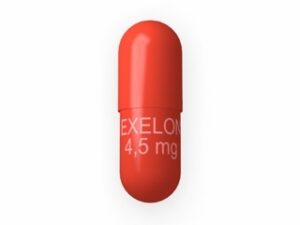
Ranexa contains ranolazine, a medicine used to help control symptoms of chronic angina (chest pain caused by reduced blood flow to the heart). This guide explains how Ranexa works, how it is used in the United Kingdom, what to expect, and important safety information—written in clear, patient-friendly language.
Please note: This page is for information only. Individual dosing and monitoring depend on your health history, other medicines, and how well your body tolerates ranolazine.
Basic product information
- Medicine: Ranexa
- Active ingredient: Ranolazine
- Common strengths (example UK availability): 375 mg, 500 mg, 750 mg (strengths may vary by presentation)
- Type: Anti-anginal medicine (used to prevent/delay angina symptoms)
- How it is taken: Usually by mouth, twice daily (as advised by your clinician/pharmacist)
What Ranexa is for (typical use in the UK)
Ranexa is prescribed for the symptomatic treatment of chronic angina. It is intended to help reduce the frequency of angina attacks and improve exercise tolerance for people whose chest pain is not adequately controlled with other medicines, or who need additional options.
It is important to understand that Ranexa is generally used as a long-term, daily medicine to help prevent symptoms, rather than for rapid relief during an acute attack.
How Ranexa works (mechanism of action)
Ranolazine works mainly by affecting electrical and chemical processes within heart muscle cells. The exact details are complex, but key points include:
- Inhibits late sodium current (INaL): This can reduce abnormal sodium build-up inside heart cells.
- Improves intracellular calcium handling: By influencing sodium and calcium balance, it may improve how the heart muscle functions under stress.
- Helps reduce angina symptoms: Over time, these effects can reduce the tendency for angina to occur during exertion.
Unlike some other angina medicines, Ranexa does not primarily work by lowering heart rate or blood pressure in a straightforward way. However, individual experiences can vary.
Pharmacokinetics (how the body handles Ranexa)
Absorption
After oral dosing, ranolazine is absorbed from the gastrointestinal tract. Its absorption can be influenced by food—especially high-fat meals—which may affect the speed and extent of absorption.
Distribution
Ranolazine is protein-bound to a significant extent. This means it circulates in the bloodstream bound to blood proteins and must be handled by the body’s metabolic pathways.
Metabolism and elimination
Ranolazine is metabolised primarily in the liver, largely via the cytochrome P450 system (especially CYP3A pathways). Its metabolites are excreted mainly by the kidneys and in part through the bile.
Half-life and steady state
Ranolazine reaches steady-state levels after repeated dosing over several days. Because it is taken twice daily, levels are designed to remain relatively stable.
If you miss a dose, follow the guidance in your medicine pack leaflet or ask your pharmacist for advice on what to do next.
Indications (when Ranexa is used)
In the UK, Ranexa is used for the treatment of chronic (long-term) angina, particularly to improve symptoms in patients whose angina is not sufficiently controlled with:
- other anti-anginal medicines, and/or
- when combination therapy is considered appropriate by healthcare professionals.
Your clinician will decide whether Ranexa is suitable based on your angina pattern, overall cardiovascular risk, and the medicines you already take.
Dosing and timing
Dosage should follow the instructions provided with your specific product and your prescriber’s plan. Typical approaches often involve starting at a lower dose and increasing if needed and tolerated.
Typical dosing approach (general guidance)
- Frequently taken twice daily (morning and evening), about 12 hours apart.
- Start low, go slow: The dose may be increased gradually over time to reduce the chance of side effects.
- Missed dose: If you miss a dose, take it when you remember unless it is nearly time for the next one. Do not take a double dose.
Practical timing tips
- Pick times that fit your daily routine (e.g., breakfast and evening meal or bedtime).
- Try to be consistent—steady timing helps maintain more predictable blood levels.
- If you experience dizziness or fatigue, discuss timing with your pharmacist; some people prefer evening timing for certain doses (only if consistent with your prescribed schedule).
Dose adjustments in special situations
Dose and suitability may depend on factors such as kidney function, liver function, and interacting medicines. People with reduced liver function may have limits on dose or may not be suitable.
Food interactions
Ranexa can be taken with or without food, but food may affect how quickly it is absorbed. Many people are advised to take it at a consistent time relative to meals.
What to know
- High-fat meals may increase the amount absorbed and/or delay absorption, potentially affecting side effects.
- Consistency matters: Try to take your doses in a similar routine day-to-day (e.g., with breakfast and with dinner).
If you’re unsure how to take Ranexa with your usual meals, your pharmacist can advise based on the specific product and your routine.
Alcohol and medicine interactions
Alcohol
Alcohol can worsen side effects such as dizziness or light-headedness. Because Ranexa may already cause dizziness or low blood pressure-like effects in some people, it’s usually best to keep alcohol intake moderate and to avoid binge drinking.
If you have a history of heart rhythm problems, fainting, or frequent dizziness, seek advice before drinking alcohol.
Interactions with other medicines
Ranolazine can interact with several medicines—especially those that affect the liver enzymes that metabolise it. Some interactions can increase ranolazine levels and raise the risk of side effects, including electrical rhythm (QT prolongation).
Common categories where extra caution is needed:
- Strong CYP3A inhibitors (can raise ranolazine blood levels), such as certain antifungals and some antibiotics (examples vary by country and formulation).
- CYP3A inducers (can reduce ranolazine levels and effectiveness).
- Medicines that can affect heart rhythm or further prolong QT interval.
- Some antidepressants and other medicines that can influence QT.
- Medicines for irregular heart rhythm (antiarrhythmics).
- Some treatments for high blood pressure or heart conditions depending on the combination.
Because interaction lists are complex and change as new products become available, it is safest to provide your pharmacist with a full list of your medicines and supplements, including:
- prescription medicines
- over-the-counter products
- herbal products (e.g., St John’s wort)
- vitamins or supplements
If you start a new medicine—whether short-term (e.g., an antibiotic) or long-term—confirm it is compatible with Ranexa.
Safety profile: what to watch for
Common side effects
Side effects vary from person to person. Some commonly reported effects include:
- Dizziness or light-headedness
- Headache
- Nausea
- Constipation
- Weakness or fatigue
Important risks (seek medical advice promptly)
Ranexa can affect the heart’s electrical activity in certain circumstances. Seek urgent medical help if you experience:
- Fainting or severe dizziness
- Very fast, irregular heartbeat or palpitations that feel unusual or intense
- Symptoms of an allergic reaction (e.g., swelling of the face/lips, breathing difficulties, severe rash)
- Severe ongoing nausea/vomiting with weakness
Your healthcare professional may monitor your heart rhythm (for example, with an ECG) depending on your risk factors, dose, and interacting medicines.
Who should take extra care
- People with liver problems
- People with reduced kidney function
- People taking other medicines that affect QT interval or liver metabolism
- People with existing rhythm disorders or a history of fainting
- People with certain electrolyte imbalances (low potassium or low magnesium can increase risk)
Practical use tips
- Keep a consistent schedule: Take Ranexa roughly at the same times each day.
- Do not stop suddenly: If you feel well, continue unless advised otherwise.
- Track angina symptoms: Note frequency, triggers, and how many tablets of your rescue medicine you use (if applicable) and discuss changes with your clinician.
- Be cautious when driving or using machines: If you feel dizzy, avoid hazardous activities until you know how Ranexa affects you.
- Stay hydrated and watch for illness: Vomiting or diarrhoea can affect electrolytes; seek advice if you become unwell.
- Tell healthcare staff: Always mention Ranexa when visiting GP, hospital, or other providers.
Alternative options for chronic angina (overview)
Angina management in the UK commonly includes a combination of lifestyle measures, risk factor control, and medicines. Depending on your symptoms and medical history, your clinician may consider alternatives to Ranexa such as:
Other anti-anginal medicines
- Beta-blockers (e.g., to reduce workload on the heart)
- Calcium channel blockers (some types reduce spasm and improve blood flow)
- Nitrates (often used for symptom relief and sometimes prevention)
- Ivabradine in selected patients (heart-rate lowering approach)
Non-medicine approaches
- Cardiac rehabilitation and supervised exercise programs
- Lifestyle and risk factor changes (smoking cessation, diet, weight management, blood pressure and cholesterol control)
- Procedures when appropriate (e.g., revascularisation strategies) based on test results and clinical assessment
The “best” option depends on the cause of angina, your ECG findings, blood pressure and heart rate, and tolerability. If Ranexa isn’t suitable or doesn’t control symptoms sufficiently, discuss alternatives with your clinician.
Market and legal context in the United Kingdom
In the UK, medicines are authorised and regulated to ensure quality, safety, and effectiveness. Ranexa is an established prescription medicine and forms part of chronic angina treatment pathways used by healthcare professionals.
Availability can vary by strength, pack size, and manufacturer. Online pharmacies may list different product formats depending on stock and supply chains.
For the most current national prescribing and safety information, clinicians rely on the UK regulatory and clinical sources such as the Medicines and Healthcare products Regulatory Agency (MHRA) and evidence-based clinical guidance.
Recent guidance (high-level overview)
In recent years, UK and European cardiovascular guidance has continued to emphasise:
- individualising angina treatment based on symptoms and patient risk
- optimising standard therapies and cardiovascular risk reduction
- careful attention to medicine interactions and safety monitoring, particularly where QT-related effects can occur
Your clinician may also review your treatment plan periodically, especially if you develop new symptoms or start new medicines.
Delivery and availability (online pharmacy information)
Availability of Ranexa can depend on local distribution and the specific strength requested. When ordering online in the UK, it’s helpful to check:
- Stock status (in-stock vs. backorder/preorder)
- Strength and pack size (e.g., 375 mg, 500 mg, 750 mg)
- Delivery options offered by the pharmacy
- Discreet packaging and tracking
Typical delivery times vary by courier and location. If supply delays occur, many pharmacies contact customers promptly with updates or alternative options.
Ensure you order the correct strength and that you have a plan for continuing treatment—especially if you take Ranexa twice daily.
Frequently asked questions (FAQ)
1) Is Ranexa used to stop angina attacks straight away?
Ranexa is generally used for long-term control of chronic angina symptoms. It is not intended as a quick rescue medicine for sudden chest pain. Ask your pharmacist or clinician what medicine you should use for acute attacks.
2) When will I feel the effects of Ranexa?
Some people notice symptom improvement after starting treatment, while for others it may take a short time to reach a stable effect. Your clinician may adjust the dose gradually depending on tolerability and response.
3) What should I do if I miss a dose?
If you miss a dose, take it when you remember unless it is close to the time of your next dose. Do not double up to make up for the missed dose. If you are unsure, contact your pharmacist.
4) Can I take Ranexa with food?
Ranexa can generally be taken with or without food. However, food can influence absorption. For best consistency, take it in a routine similar to the one you started with (for example, with breakfast and dinner).
5) Are there foods I must avoid?
There are no specific dietary restrictions universally required, but very large or high-fat meals may affect absorption. Keep your intake routine consistent and discuss any major dietary changes with your pharmacist if you notice side effects.
6) Can I drink alcohol while taking Ranexa?
Alcohol may increase dizziness or make you feel unwell. If you choose to drink, keep it moderate and consider avoiding alcohol if you have dizziness, fainting episodes, or rhythm concerns. If uncertain, ask your pharmacist.
7) What medicines interact with Ranexa?
Interactions can occur with medicines that affect the liver enzymes (especially CYP3A) or those that can influence heart rhythm (QT interval). Always share a complete list of medicines and supplements with your pharmacist before starting Ranexa or any new medicine.
8) Will Ranexa affect my driving or work?
Some people experience dizziness or tiredness. Until you know how Ranexa affects you, be cautious when driving, cycling, or operating machinery.
9) What side effects mean I should seek urgent help?
Seek urgent medical help if you have fainting, severe dizziness, pronounced palpitations, signs of an allergic reaction, or any severe or worrying symptoms.
10) Is Ranexa suitable for everyone?
Ranexa may not be suitable for everyone, especially people with certain liver or kidney problems or those taking interacting medicines. Your clinician will assess your suitability and may arrange monitoring where appropriate.
11) Are there alternatives if Ranexa isn’t right for me?
Yes. Depending on your medical profile and symptom pattern, other angina treatments may be considered. Discuss options with your healthcare professional.
Summary
Ranexa (ranolazine) is an anti-anginal medicine used to help control symptoms of chronic angina in the UK. It works mainly by influencing sodium and calcium handling in heart cells, which may reduce the frequency of angina episodes and improve day-to-day function. Because it can interact with other medicines and may affect heart electrical activity, safe use depends on correct dosing, consistent timing, and careful attention to your medicine list.
If you have questions about how to take Ranexa, managing side effects, or avoiding interactions, your pharmacist is the best first point of contact.
Note: For full details, always refer to the patient information leaflet provided with your medicine and follow advice from your healthcare professionals.