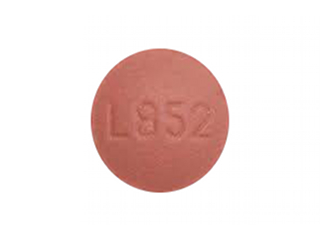


Ranitidine – Patient Information (UK)
Ranitidine is a medicine used to reduce the amount of acid made in the stomach. It can help relieve symptoms of acid-related indigestion and heartburn, and it is sometimes used for conditions where stomach acid needs to be controlled. This guide explains how ranitidine works, how it’s used, what to expect, and important safety information for people in the United Kingdom.
| What it’s used for | How it works | Common forms | Typical frequency (adults) |
|---|---|---|---|
| Heartburn, acid indigestion, and other acid-related conditions | Reduces stomach acid production | Tablets (strength varies by product) | Often once or twice daily depending on the condition |
Basic product information
Medicine name: Ranitidine
Type: H2-receptor (histamine) antagonist (an “H2 blocker”)
Availability in the UK: Availability can vary by product type (for example, over-the-counter or
pharmacy supply) and by current supply status. Always check the specific product listing and packaging details.
Ranitidine works by lowering stomach acid levels. People may notice symptom improvement relatively quickly, but the full benefit depends on the reason it’s being used and how consistently it is taken.
How ranitidine works (mechanism of action)
After you eat, the stomach produces acid to help digest food. Histamine is one of the signals that stimulates acid release via H2 receptors on stomach cells.
Ranitidine blocks these H2 receptors. This reduces acid secretion, which can:
- Relieve heartburn and acid indigestion symptoms
- Reduce irritation of the oesophagus (the food pipe) caused by reflux in some people
- Help prevent worsening of symptoms caused by excessive stomach acid
Pharmacokinetics (how the body handles it)
Pharmacokinetics describes what happens to a medicine in the body: absorption, distribution, metabolism, and elimination. The key points for ranitidine include:
- Absorption: Ranitidine is absorbed from the gastrointestinal tract. How fast it reaches peak levels can vary between individuals and with formulation.
- Distribution: It distributes throughout the body, including tissues where it can influence stomach acid production.
- Metabolism: Part of the medicine is metabolised by the liver.
- Elimination: The kidneys are a major route of elimination. This is especially relevant for people with reduced kidney function.
- Onset and duration: Symptom relief may begin within hours, and many dosing regimens aim to cover both daytime and night-time acid control.
Typical uses in the UK
Ranitidine is used to treat conditions related to stomach acid, such as:
- Heartburn (pyrosis): Burning pain or discomfort behind the breastbone due to reflux.
- Indigestion: Discomfort in the upper abdomen associated with excess stomach acid.
- Acid-related symptoms: Relief of symptoms caused by increased acidity.
- Other specialist acid-control uses: In some cases, it may be used under clinical supervision for conditions that require acid reduction.
If your symptoms are frequent (for example, more than a couple of times a week), you may need a broader review of lifestyle triggers and possible long-term treatment options.
When to take ranitidine (timing)
Timing depends on what you are trying to treat (daytime symptoms, night-time reflux, or both). As a general approach:
- For daytime heartburn/indigestion: Many people take ranitidine before meals that commonly trigger symptoms.
- For night-time symptoms: Taking a dose in the evening can help reduce acid production during the night. If you wake with heartburn, a night-time dose may be beneficial.
- Spacing doses: If your regimen is more than once daily, try to keep doses evenly spaced.
Always follow the dosing instructions on your specific product packaging or information leaflet. Different strengths and formulations can have different schedules.
Food interactions and what to watch for
Ranitidine is intended to reduce acid. Food may influence how symptoms feel and when they occur, but many people can take ranitidine with or without food depending on their routine.
Practical guidance:
- Meal-related symptoms: If your heartburn usually starts after certain foods, take ranitidine beforehand as advised on the label or leaflet.
- Keep consistent: If you notice a pattern, try to keep your timing consistent from day to day.
- Watch for persistent symptoms: If symptoms continue despite use, consider reviewing triggers (see Practical use tips) and speak to a healthcare professional.
Alcohol and medicine interactions
Alcohol can worsen reflux and heartburn for some people by relaxing the lower oesophageal sphincter, increasing irritation, and triggering acid-related symptoms. While alcohol does not typically have a direct “chemical” interaction with ranitidine for most users, it may reduce symptom control.
General alcohol advice
- Try to limit alcohol if you notice it triggers your heartburn.
- Avoid drinking close to bedtime if night-time reflux is a problem.
Possible medicine interactions
Ranitidine affects stomach acidity, which can influence the absorption of certain medicines. In general:
- Medicines with absorption dependent on stomach acidity: Acid changes can affect how well some drugs are absorbed.
- Specific drug classes: Some medicines (for example, certain antifungals and antibiotics, or drugs requiring a specific pH) may be affected. Check with a pharmacist if you take regular medication.
- Spacing doses: In some cases, pharmacists may recommend spacing doses to minimise interaction. This depends on the medicines involved.
If you take multiple medicines (especially long-term ones), it’s best to check for interactions using the leaflet or by asking a pharmacist.
Indications – who ranitidine may help
Ranitidine may be considered for people experiencing symptoms linked to raised stomach acid. Indications often include:
- Reflux symptoms such as heartburn or sour taste
- Acid indigestion symptoms
- Situations where short-term acid control is needed
- Longer-term acid control only when appropriate under clinical guidance
Important: Do not use ranitidine to ignore serious warning signs. Seek medical advice promptly if symptoms are severe, changing, or associated with alarming features (see Safety profile section).
Dosing – common adult regimens
Dosing depends on the product strength and the condition being treated. Always use the dose stated on the packaging or leaflet for your specific product.
Typical patterns (adult):
- Heartburn/indigestion: Often taken once or twice daily depending on symptom pattern and the product strength.
- Night-time symptoms: A dose in the evening may be used to reduce overnight acid control.
- Short-term use: Many people use it for brief periods when symptoms flare, then stop if symptoms settle.
Children: Ranitidine dosing in children must be carefully selected based on age/weight and product guidance. Use only if the specific product is indicated for children and follow the leaflet exactly.
Older adults: Older people can be more sensitive to side effects, and kidney function may affect dosing. Follow the leaflet and consider advice from a pharmacist.
Safety profile – side effects, warnings, and precautions
Common side effects
Many people tolerate ranitidine well. Possible side effects include:
- Headache
- Dizziness
- Constipation or diarrhoea
- Nausea
- Abdominal discomfort
Less common or serious side effects (seek urgent advice)
Stop taking the medicine and seek urgent medical advice if you experience signs of a serious allergic reaction or other severe problems, such as:
- Swelling of the face, lips, tongue, or throat
- Breathing difficulties or wheezing
- Severe rash, blistering, or widespread skin reactions
- Unexplained severe dizziness, fainting, or persistent unusual symptoms
When to be extra careful
- Kidney problems: Because ranitidine is cleared through the kidneys, dose adjustments may be needed.
- Liver problems: Inform a healthcare professional if you have known liver disease.
- Existing stomach conditions: If you have stomach ulcers, bleeding, or other GI disorders, seek advice.
- Older age and new symptoms: New or worsening reflux in older adults should be reviewed.
Warning signs – get medical advice promptly
Urgent assessment is needed if you have any of the following:
- Unintentional weight loss
- Difficulty swallowing or pain when swallowing
- Vomiting blood or passing black/tarry stools
- Persistent vomiting
- Chest pain (particularly if it could be cardiac)
- Symptoms that persist despite treatment
- Symptoms starting for the first time at a later age
Practical use tips for best results
Medicines can help, but lifestyle measures often make a large difference—especially for reflux and indigestion. The following tips can improve symptom control and reduce how often you need acid-suppressing treatment.
- Identify triggers: Common triggers include spicy foods, fatty meals, chocolate, peppermint, caffeine, and acidic foods. Keep a brief diary to see what affects you.
- Eat smaller meals: Large meals can increase pressure in the stomach and promote reflux.
- Avoid lying down after eating: Try to stay upright for at least 2–3 hours after meals.
- Elevate the head of your bed: If you get night-time heartburn, raising the head of the bed can help.
- Stop smoking: Smoking worsens reflux for many people.
- Maintain a healthy weight: Extra weight can increase reflux symptoms.
- Review other medicines: Some medicines can aggravate reflux (for example, certain painkillers). Ask a pharmacist if you’re unsure.
If you’re using ranitidine regularly for more than a short period, consider speaking with a pharmacist or clinician to confirm it’s the right approach for your symptoms.
Delivery and availability in the UK
Availability of ranitidine products can vary. Online pharmacies typically supply specific strengths and pack sizes depending on current stock levels.
- Delivery: Delivery times depend on the retailer’s service and the delivery postcode region. Check the estimated delivery date at checkout.
- Packaging: Orders are normally dispatched in secure packaging to protect tablets and comply with legal requirements.
- Substitutions: If an item is temporarily unavailable, some retailers may offer an alternative product (where appropriate) rather than leaving you waiting. Always confirm the substitute is suitable.
Because medicines availability can change due to regulatory updates and supply chain fluctuations, it’s wise to check current listings and stock status on the website before ordering.
Recent UK guidance and regulatory notes (important)
In recent years, UK and global authorities have issued guidance regarding ranitidine following concerns about potential impurities in some ranitidine products. This has led to changes in availability and recommendations in different countries.
What this means for you:
- If you have previously used ranitidine, check with the pharmacy or your clinician about whether it remains the best option.
- If you’re considering purchasing ranitidine, confirm availability and that the product is appropriate for your needs.
- If your symptoms are not controlled, ask about alternative acid-suppressing options.
Always follow the advice provided by healthcare professionals and the information leaflet supplied with your product.
Alternative options
If ranitidine is not available, not suitable, or does not adequately control symptoms, several alternatives are commonly used for acid-related conditions in the UK.
Other acid-suppressing medicines
- Proton pump inhibitors (PPIs): e.g., omeprazole, lansoprazole, esomeprazole. These can be particularly helpful for frequent heartburn or more persistent reflux symptoms.
- Other H2 blockers: sometimes alternatives are available depending on current supply and guidance.
Symptom-relief options
- Antacids: can provide quicker but shorter relief by neutralising existing stomach acid.
- Alginate products: can form a “raft” barrier to reduce reflux symptoms for some people.
Choosing an alternative depends on your symptom frequency, severity, and any underlying GI conditions. A pharmacist can advise on which option may fit best.
UK market and legal context
In the United Kingdom, medicines are regulated by the Medicines and Healthcare products Regulatory Agency (MHRA). Pharmacists and retailers must ensure medicines are supplied in line with legal requirements, correct labelling, and current safety information.
For online pharmacy supply, medicines should be sourced from authorised channels, and product information must be provided to help customers use the medicine safely.
Because regulatory decisions and safety communications can affect availability, it is important to follow up-to-date guidance via credible sources and to consult a pharmacist if you have questions about suitability.
FAQ – Frequently asked questions
How quickly does ranitidine work?
Many people experience symptom relief within a few hours. If your symptoms are severe or persistent, you may need a different approach (for example, a different class of acid medicine) and should seek advice.
Can I take ranitidine with food?
In many cases, ranitidine can be taken with or without food. For meal-related symptoms, taking it before eating may be more effective. Follow the instructions on your specific product label and leaflet.
Is ranitidine suitable for long-term use?
Long-term use should be discussed with a pharmacist or healthcare professional, especially if symptoms occur frequently. Persistent reflux may require a different treatment strategy and assessment of underlying causes.
What should I do if I miss a dose?
If you miss a dose, take it when you remember unless it’s close to your next scheduled dose. Do not take a double dose. Follow the leaflet instructions for your product.
Can I drink alcohol while taking ranitidine?
Alcohol may worsen reflux symptoms for some people. While there isn’t usually a direct interaction, avoiding or limiting alcohol—particularly near bedtime—can help improve control of heartburn.
Will ranitidine interact with my other medicines?
It may interact indirectly by changing stomach acidity, which can affect absorption of some drugs. If you take regular medicines, check with a pharmacist or refer to the product leaflet for interaction information.
Who should not take ranitidine or should seek advice first?
Seek advice first if you have kidney or liver problems, experience symptoms with warning signs (such as swallowing difficulty, weight loss, vomiting blood, or black stools), or if you’re unsure whether your symptoms are due to acid reflux.
What if my heartburn keeps coming back?
If symptoms are frequent or persistent, it’s important to review triggers and consider whether a different medicine or further assessment is needed. A pharmacist can recommend options and help you decide the safest next step.
Are there lifestyle changes I can try?
Yes. Common helpful measures include smaller meals, avoiding lying down after eating, reducing trigger foods and alcohol, elevating the head of the bed, and maintaining a healthy weight.
Summary
Ranitidine is an H2 blocker that reduces stomach acid and can help relieve heartburn and acid indigestion. Effectiveness depends on correct timing and consistent use, alongside lifestyle measures that reduce reflux triggers. As with any medicine, it’s important to follow product instructions, watch for side effects, and seek medical advice if symptoms are severe, changing, or accompanied by warning signs.
If you have any questions about suitability, interactions, or choosing an alternative for better symptom control, speak to a pharmacist.