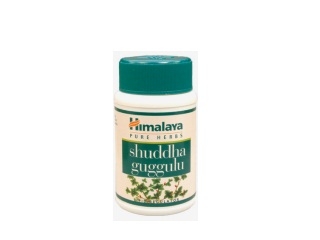

Shuddha Guggulu (Pure Guggulu) – Ayurvedic Herbal Supplement (UK)
Shuddha guggulu is a traditional Ayurvedic herbal resin preparation made from Commiphora mukul (guggul). In Ayurveda, guggulu has been used for many centuries to support healthy cholesterol levels, joint comfort, and metabolic balance. This page provides clear, patient-friendly information about how Shuddha guggulu is commonly used, what it may do in the body, and practical safety considerations for customers in the United Kingdom.
| Product type | Herbal dietary supplement (Ayurvedic) |
|---|---|
| Common name | Shuddha guggulu / Pure guggulu |
| Main source | Commiphora mukul resin |
| Typical traditional use | Metabolic support, healthy lipids, joint comfort |
| How it’s usually taken | Orally, with water; often with meals as advised |
| Important note | Not a substitute for medical care |
Basic product information
“Shuddha” means purified. Shuddha guggulu refers to a more purified guggulu preparation compared with raw or crude forms. Purification may help remove certain unwanted components and improve tolerability for some users.
Availability and formulation can vary between brands. Some products contain powdered resin, while others may be combined with excipients or additional Ayurvedic ingredients. Always check your specific label for:
- Plant part used (resin/guggulu)
- Standardisation, if stated
- Strength per serving
- Recommended daily amount
- Any additional ingredients
How Shuddha guggulu is thought to work (mechanism of action)
The traditional and modern-interest rationale for guggulu largely centres on its effects on lipid metabolism and related pathways. While research continues, several mechanisms have been studied:
- Cholesterol and bile acid pathways: Guggul components may influence enzymes and receptors involved in lipid handling, which can indirectly support healthy cholesterol balance.
- Thyroid-related signalling (indirect): Guggul has been studied for interactions with thyroid hormone receptors in preclinical models. Because of this, thyroid status and thyroid medication use are important safety considerations.
- Anti-inflammatory support: Herbal compounds in guggulu may help support the body’s normal inflammatory response, which can be relevant to joint comfort in some people.
- Antioxidant activity: Like many plant-based resins, guggulu contains bioactive constituents that may contribute to antioxidant effects.
Important: “Support” means that it may help maintain normal body functions. It is not guaranteed to treat disease or reverse medical conditions. Individual results vary.
Pharmacokinetics: what happens to it in the body
Pharmacokinetics (how a substance is absorbed, distributed, metabolised, and excreted) for guggulu can be complex because it is a resin containing multiple compounds. Human data are limited and depend on formulation.
- Absorption: Active constituents may be absorbed after oral intake, but bioavailability can vary depending on the product and whether it is taken with food.
- Distribution: Lipophilic (fat-loving) components may distribute into tissues where fat-soluble compounds are preferentially present.
- Metabolism: Many herbal constituents are metabolised in the liver through common detoxification pathways (enzymes vary by compound).
- Elimination: Metabolites are generally excreted through bile and/or urine, though the exact pattern for guggulu constituents is not fully established in all studies.
Because of this variability, it’s best to follow the labelled directions and speak with a healthcare professional if you have ongoing conditions or take regular medicines.
Typical use and who may consider it
In traditional systems, guggulu preparations are commonly used for:
- Healthy lipid support: People who want additional support for cholesterol balance alongside lifestyle measures (diet, exercise, weight management).
- Joint comfort: Those who experience occasional stiffness or discomfort due to everyday wear and tear.
- Metabolic balance: Support for overall metabolic wellness as part of a routine.
In the UK, guggulu is generally marketed as a dietary supplement. Specific claims on labels may be limited by UK/EU supplement regulations. Always check the product facts panel and use guidance from the manufacturer.
Timing: when to take Shuddha guggulu
Timing can matter for herbal supplements. Many people take Shuddha guggulu:
- With meals to improve tolerability and reduce the chance of stomach upset.
- Once or twice daily, depending on the product’s recommended serving size.
If your label instructs “with food” or specifies a particular schedule, follow that guidance. Otherwise, consider the following practical approach:
- Start with the lowest labelled dose and assess tolerance over several days.
- If you notice stomach discomfort, take it after a meal rather than on an empty stomach.
- For consistency, take it around the same times each day.
Food interactions: what to know
Food can influence absorption and tolerability. While specific interactions are not fully mapped for every product, general guidance includes:
- With meals: Often better for herbal resins and for reducing gastrointestinal upset.
- High-fat meals: Because some constituents are fat-soluble, taking with a meal that includes fat may increase absorption for some people. This can be beneficial or unwanted depending on tolerance.
- Grapefruit and herbal “concentrates”: Grapefruit can interact with certain metabolism pathways. If you frequently consume grapefruit juice, speak to a clinician/pharmacist for personalised advice.
If you’re taking multiple supplements, introduce them one at a time so you can identify what agrees with you.
Alcohol and medicine interactions
Alcohol
There is no universally confirmed alcohol-specific interaction for guggulu across all products, but combining supplements with alcohol may increase strain on the stomach and liver and can worsen side effects in some individuals. If you drink alcohol, consider:
- Keep alcohol moderate while you begin a new supplement.
- Avoid heavy drinking when starting, especially if you have a sensitive stomach or liver concerns.
- Stop and seek advice if you develop unusual symptoms such as persistent nausea, abdominal pain, dark urine, or yellowing of the skin/eyes.
Medicine interactions (important)
Herbal ingredients can interact with medicines by affecting enzymes involved in drug metabolism or by influencing biological pathways. The most important considerations for Shuddha guggulu include:
- Thyroid conditions and thyroid medicines: Because guggulu has been investigated in relation to thyroid signalling, users with hypothyroidism or hyperthyroidism, or those taking thyroid medication, should seek professional advice before use.
- Lipid-lowering medicines (e.g., statins): Combining supplements that influence lipid pathways with prescription lipid-lowering therapy may increase the need for monitoring (side effects such as muscle aches may be relevant with some lipid therapies).
- Blood thinning / antiplatelet medicines (e.g., warfarin, clopidogrel): Although direct interaction evidence is not definitive, any supplement can affect bleeding risk indirectly. Discuss use with a healthcare professional if you take blood thinners.
- Diabetes medicines: Some herbal supplements may affect metabolic parameters. If you have diabetes or take glucose-lowering medication, monitor your condition and seek guidance.
- Immunosuppressants: Immunomodulating supplements can matter if you are on immunosuppressive drugs. Always check with a clinician.
Best practice: If you take any regular medicines (including levothyroxine or statins), speak to a pharmacist or GP before starting Shuddha guggulu. Provide a full list of medications and supplements to ensure safe use.
Indications (how it is commonly used)
In consumer terms, Shuddha guggulu is often chosen for:
- Support of healthy cholesterol levels and lipid metabolism as part of an overall heart-healthy lifestyle.
- Supporting joint comfort related to normal movement and occasional stiffness.
- General metabolic wellness, particularly in traditional routines that emphasise diet and lifestyle.
Note on claims: UK supplement marketing rules can restrict how medicines-like claims are presented. Your product label should reflect what is permitted. If you see treatment claims for a specific condition, check whether the product is legally compliant.
Dosing: typical amounts and how to choose the right dose
Dosing depends on the product concentration and the manufacturer’s formulation. Common traditional approaches involve doses measured in grams of resin powder, but modern supplements often provide capsules/tablets with a standardised amount. Always follow the label directions on your specific product.
Typical general guidance (label-led)
- Start low: For the first 7–14 days, consider starting at the lower end of the labelled daily dose (if the product allows this) to assess tolerability.
- Maintain consistency: Once tolerated, take the stated daily dose divided across the day if recommended.
- Time course: Many people aim for several weeks of regular use before evaluating whether they feel any benefits in cholesterol/metabolic support or joint comfort.
If your label provides an exact number of capsules per day, use that as the reference. If your label does not specify a dose clearly, do not guess—contact the seller/manufacturer for clarification.
Missed dose
- If you forget a dose, take it when you remember unless it is close to the time for the next dose.
- Do not take two doses together unless the label instructs otherwise.
Safety profile: who should be cautious
Shuddha guggulu is generally considered a herbal supplement, but “natural” does not always mean “risk-free.” Reported side effects and safety concerns may include:
- Gastrointestinal discomfort: Some users experience nausea, indigestion, or stomach upset.
- Skin reactions: Rashes or itching can occur in sensitive individuals.
- Headaches or dizziness: Less common, but possible.
- Changes in thyroid-related symptoms: If you are sensitive or have thyroid imbalance, you may notice palpitations, fatigue changes, heat/cold intolerance, or weight changes.
- Allergic reaction: Stop immediately if you develop swelling of the face/lips, difficulty breathing, or widespread hives.
Seek medical advice urgently if you experience severe allergic symptoms or concerning reactions.
People who should consult a healthcare professional before using
- Pregnant or breastfeeding individuals (safety data are limited).
- People with known thyroid disease or those taking thyroid medication.
- People with significant liver or kidney disease.
- Those with a history of severe allergies to herbal products.
- Children and adolescents (only use if a qualified clinician specifically advises it).
- Anyone taking multiple prescription medicines, especially those affecting thyroid, lipids, blood clotting, or blood sugar.
Duration of use
Many supplements are used in limited courses rather than indefinitely. Because individual goals differ and evidence varies, a sensible approach is:
- Use for a period (e.g., several weeks) and reassess.
- If you have health concerns (e.g., cholesterol levels), consider regular monitoring through your GP/clinic.
- Stop and get advice if you experience side effects.
Practical use tips (to get the best experience)
- Follow the label: The manufacturer’s guidance reflects the specific product form.
- Start gradually: Helps reduce the chance of stomach upset and allows you to identify sensitivity early.
- Stay hydrated: Drink water with capsules/tablets; for powder forms, mix as directed.
- Keep lifestyle consistent: If you are using it for cholesterol or metabolic support, pair it with a heart-healthy diet and regular activity.
- Track changes: If you can, keep notes on digestion, energy, and any new symptoms.
- Separate from other supplements if needed: If you take many supplements, introduce one at a time.
Alternative options (if Shuddha guggulu isn’t suitable)
Depending on your goals, there may be other supplements with different profiles. Examples (availability and appropriateness vary):
- For lipid support: Plant sterols/stanols, soluble fibre (e.g., psyllium), omega-3 fatty acids, and certain clinically studied botanicals may be considered.
- For joint comfort: Glucosamine/chondroitin, MSM, turmeric/curcumin formulations, or collagen support may align better for some people.
- For metabolic wellness: Magnesium, vitamin D (if deficient), and lifestyle-first approaches are often considered.
If you are managing a medical condition or take regular medication, choose alternatives only after checking interactions. A pharmacist can help compare the likely safety profiles.
United Kingdom market and legal context (supplements)
In the UK, dietary supplements are regulated under food law. Unlike medicines, supplements are intended to support normal health functions rather than treat or cure diseases. Product labelling and advertising are expected to comply with UK rules on food supplements, including limits on disease-treatment claims.
Key points for UK customers:
- Look for accurate ingredients and serving information on the label.
- Check for reputable sourcing and quality standards (e.g., third-party testing statements where available).
- Avoid products making strong “treats” or “cures” claims unless they are clearly authorised as medicines.
Recent guidance and safety updates (general consumer guidance)
Over recent years, regulators and professional guidance across Europe have emphasised:
- Safer use of herbal supplements—particularly for thyroid, liver, pregnancy, and interactions with prescription medicines.
- Quality and contamination concerns—customers are encouraged to choose products from brands that provide transparent manufacturing information.
- Clear labelling and evidence-based claims consistent with supplement rules.
While guidance is not always specific to a single herb, the general approach remains: choose quality products, follow label directions, and discuss interactions with a pharmacist when necessary.
Delivery and availability in the UK
Shuddha guggulu supplements may be available in different pack sizes (e.g., 30, 60, or 90 servings) depending on the brand. Delivery timelines vary by courier and stock level. Typically, online orders are dispatched within the seller’s stated processing period and delivered within a few working days after dispatch.
- Availability: Subject to stock; popular sizes can sell out.
- Packaging: Often shipped in protective packaging to prevent damage to capsules or powder sachets.
- Traceability: Batch/lot information is commonly included on the label for traceability.
For the most accurate delivery estimate, check the product listing on this site for current dispatch and shipping details.
FAQ: Common questions about Shuddha guggulu
1) What is Shuddha guggulu?
Shuddha guggulu is a purified form of guggul resin from Commiphora mukul, used in Ayurvedic traditions. It is commonly sold as capsules, tablets, or resin/powder-containing supplements.
2) What is it used for?
People commonly use Shuddha guggulu for support of healthy lipid metabolism (including cholesterol balance) and for joint comfort as part of overall lifestyle support.
3) How long does it take to notice results?
Herbal supplements vary by person and by goal. If you are using it for lipid/metabolic support, it may take several weeks to notice changes in wellbeing or, for cholesterol-focused goals, for lab values to reflect lifestyle/supplement routines. For joint comfort, some people notice effects sooner, while others take longer.
4) Should I take it with food?
Many people take it with meals to improve tolerability. However, follow the label for your specific product form and schedule. If you experience stomach upset, taking it after food is often better than on an empty stomach.
5) Can I take it if I have thyroid problems?
Caution is advised. Because guggulu has been studied in relation to thyroid hormone signalling, anyone with thyroid conditions or taking thyroid medication should consult a healthcare professional before using.
6) Does it interact with statins or other cholesterol medicines?
Potential interactions are possible because both may affect lipid pathways. If you take statins or other lipid-lowering medicines, discuss Shuddha guggulu with a pharmacist or clinician and consider monitoring for side effects.
7) Can I drink alcohol while taking it?
Moderate alcohol consumption is not necessarily contraindicated for everyone, but it may increase the chance of stomach irritation and can add strain to the body. For best safety, keep alcohol moderate—especially when starting—and stop if you develop concerning symptoms.
8) Is it safe during pregnancy or breastfeeding?
Safety data are limited for supplements in pregnancy and breastfeeding. It’s best to seek professional advice before use.
9) What side effects should I watch for?
Possible side effects include stomach upset, headache, skin reactions, and—if sensitive—symptoms that may overlap with thyroid changes. Stop use and seek advice for severe or persistent symptoms.
10) Are there alternatives?
Yes. Depending on your goal (lipids, joint comfort, or metabolic wellness), there are alternative supplements and lifestyle-focused options. If you’re on prescription medicines, choosing alternatives should factor in interaction risks.
Disclaimer
This information is for education and does not replace personalised advice from a qualified healthcare professional. If you have a medical condition, take regular medication, or are pregnant or breastfeeding, consult a healthcare professional before using Shuddha guggulu.