Shallaki (Boswellia serrata) – Patient-Friendly Guide for UK Customers
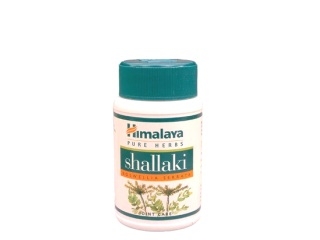
Shallaki is a well-known herbal supplement containing Boswellia serrata, an extract traditionally used to support joint comfort and mobility. It is commonly chosen by people who want a natural option to complement their lifestyle measures such as gentle exercise, weight management, and physiotherapy.
This guide explains what Shallaki is, how it may work in the body, how it is typically taken, what to watch for, and how it fits into health decisions in the United Kingdom.
Basic product information
| Feature | What to expect (general) |
|---|---|
| Active ingredient | Boswellia serrata extract (often standardised for boswellic acids; product strength varies by brand) |
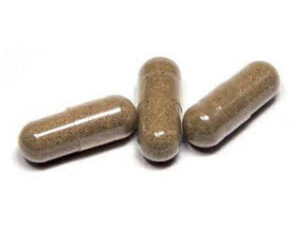
| Common form | Capsules or tablets (depending on the specific Shallaki product) |
| Typical use | Supporting joint comfort and mobility; sometimes used in inflammatory or stiffness-related routines |
| Product status | In many UK contexts, Shallaki is marketed as a food supplement rather than a medicine |
| How long it takes to notice effects | Many users report changes over 2–8 weeks; this varies by person and severity of symptoms |
Note: Different Shallaki formulations may exist (e.g., varying extract strength). Always check the label on your specific pack for exact ingredient amounts and directions.
What is Boswellia and how might Shallaki work?
Shallaki is based on Boswellia serrata—a tree resin (frankincense) traditionally used in herbal practice. Modern extracts are standardised for components known as boswellic acids, which are thought to contribute to the supplement’s activity.
Mechanism of action (how it may help)
While supplements cannot replicate the exact effects of prescription medicines, research suggests several potentially relevant actions:
- Anti-inflammatory signalling: Boswellic acids may influence pathways involved in inflammation, which may support comfort in joints.
- Support for cartilage and connective tissues: By modulating inflammatory processes, some users experience reduced stiffness and improved mobility.
- Effects on inflammatory enzymes: Laboratory and early clinical evidence suggests possible effects on enzymes and mediators involved in inflammatory responses.
Important: The exact mechanism in humans is not fully established. People respond differently, and results depend on the condition being addressed and overall lifestyle factors.
Pharmacokinetics (absorption and how the body handles it)
Pharmacokinetics describes what happens after taking a supplement—how it is absorbed, distributed, metabolised, and eliminated. For herbal extracts like Boswellia, human data may be limited and can vary depending on the extract standardisation and formulation.
- Absorption: Boswellic acids may have limited water solubility; absorption may be improved with certain formulations.
- Metabolism: Plant compounds can be metabolised in the liver and other tissues. Individual metabolism may vary with genetics and liver function.
- Distribution: Active components may circulate systemically and may reach tissues involved in joint health.
- Elimination: Metabolites are eventually removed through normal bodily clearance processes.
Practical takeaway: Because absorption can vary, consistency with dosing and taking the product as directed can improve the chance of consistent effects over time.
Typical use in the UK
Shallaki is commonly used as a longer-term support rather than an immediate, pain-relieving treatment. It may be used by people looking for support with:
- Joint comfort during periods of stiffness
- Reduced feelings of stiffness on waking or after activity
- Mobility support for day-to-day movement
- Complementary use alongside healthy habits such as stretching, strength training, and joint-friendly movement
It is not intended as a substitute for medical evaluation if you have persistent or worsening symptoms.
Indications and what claims are typically permitted
In the UK, supplement labels are subject to advertising and health-claim rules. Shallaki products are usually marketed with structure/function type benefits (for example, supporting normal inflammatory response or joint comfort) rather than treating or curing disease.
When browsing products or speaking to healthcare professionals, look for wording that focuses on:
- Joint comfort and mobility
- Normal inflammatory response (where permitted)
- General wellbeing messaging supported by the product’s evidence dossier
Not an indication for: Direct treatment of conditions such as diagnosed arthritis should involve appropriate medical care and evidence-based management.
Dosing: how much to take and when
Because different Shallaki products may have different extract strengths and capsule sizes, the safest approach is to follow the directions on your label.
Typical dosing approach (general)
- Adults: Many Boswellia-based supplements are taken once or twice daily, often in the range of the extract dose stated on the label.
- Consistency matters: Supplements intended to support joints often require regular use for several weeks.
Timing
Common timing patterns include:
- With meals to support comfort in the stomach (commonly recommended for herbal capsules).
- Morning and evening if dosing is split.
- Same time each day to maintain a consistent routine.
If your product label specifies “take with food” or provides special instructions, follow them.
Food interactions (what to avoid with meals)
Shallaki is generally well tolerated and can often be taken with or after meals. Because herbal extracts may interact with how digestive enzymes work and how absorption occurs, these practical points are helpful:
- Take with food if advised: This may reduce the chance of stomach discomfort.
- Grapefruit and strong citrus supplements: Not a classic interaction for Boswellia, but if you take multiple supplements, consider spacing out and monitoring how you feel.
- High-fat meals: Some fat-containing meals can change absorption of lipophilic compounds; follow product guidance and keep your routine consistent.
If you have a sensitive stomach or experience nausea, try taking it after food rather than on an empty stomach.
Alcohol and medicine interactions
Alcohol
There is no universally established “hard” interaction between Boswellia and alcohol, but both can affect the digestive system. To reduce discomfort:
- Limit alcohol if you notice stomach upset.
- Stay hydrated and avoid taking capsules when you’ve not eaten.
Interactions with medicines
As a supplement, Shallaki may still interact indirectly depending on your overall health and medication profile. Speak to a pharmacist or GP if you take any of the following:
- Blood-thinning medicines (e.g., warfarin) or antiplatelet therapy
- Anti-inflammatory medicines (including long-term NSAIDs)
- Medicines affecting the liver or with liver metabolism concerns
- Immunosuppressant therapy (because inflammation pathways and immune responses are complex)
Why this matters: Herbal extracts can have biologically active components that may influence inflammatory pathways or metabolism. The evidence base varies by product and by individual.
General safety rule: If you are taking regular medication, avoid starting new supplements without checking potential interactions—especially if you have liver conditions or are on long-term therapy.
Safety profile: who should be cautious?
Most users tolerate Boswellia-based supplements well, but side effects can occur in some people. Always read the label and stop use if you experience adverse reactions.
Possible side effects (general)
- Stomach discomfort (nausea, indigestion)
- Heartburn
- Loose stools or changes in bowel habit
- Headache (less commonly reported)
- Allergic reactions (rare)
Stop and seek advice if
- You develop rash, itching, swelling, or breathing difficulties
- Symptoms of severe abdominal pain occur
- You notice signs of possible liver problems such as unusual fatigue, dark urine, or yellowing of skin/eyes
Who should be extra cautious?
- Pregnant or breastfeeding individuals: seek professional advice first
- Children and adolescents: use only under healthcare guidance
- People with liver disease or history of drug-related liver injury
- Individuals with known herb/resin allergies
- Anyone taking multiple medications or with complex health conditions
If you’re unsure, consult a pharmacist. They can help you review your current medications and supplements safely.
Practical use tips for best results
Shallaki is often used as a supportive routine. The following tips can improve your experience:
- Be consistent: Take it at the same time each day.
- Give it time: Many people trial supplements for at least 2–8 weeks to judge whether it helps.
- Track your symptoms: Note stiffness, walking comfort, or range of motion before starting and after 2–4 weeks.
- Combine with joint-friendly habits: Gentle movement, heat/cold therapy, stretching, and appropriate strengthening can complement supplementation.
- Check the label: Use the exact brand’s suggested dose, and avoid doubling up.
- Start low if sensitive: If the label allows flexibility, consider starting with the manufacturer’s minimum recommended dose.
When to reassess: If you see no improvement after several weeks, consider speaking to a pharmacist or healthcare professional about alternatives or a more personalised plan.
Alternative options (UK-friendly considerations)
Several other approaches may support joint comfort and mobility. The “best” choice depends on your symptoms, age, lifestyle, and medical history.
Supplement alternatives
- Glucosamine and chondroitin (commonly used for joint comfort)
- Curcumin (turmeric extract) (often used for inflammation-related support)
- Omega-3 fatty acids (supporting overall inflammatory balance)
- Collagen peptides (some people use for mobility support when combined with exercise)
Evidence-based non-supplement options
- Physiotherapy and strength training
- Weight management (if relevant)
- Heat therapy for stiffness and cold therapy after flare-ups
- Topical anti-inflammatory gels (if suitable and recommended by a pharmacist)
Important: If you have diagnosed arthritis, persistent swelling, or worsening pain, supplement choices should complement—not replace—appropriate clinical care.
Market and legal context in the United Kingdom
In the UK, products like Shallaki are typically regulated as food supplements when they are marketed for general wellbeing rather than treatment of disease.
Key points for UK shoppers
- Food supplement rules: Supplements must meet applicable UK requirements for safety, composition, and labelling.
- Food Standards Agency (FSA) guidance: The FSA provides information on food supplement responsibilities and consumer protection.
- Health claims regulation: Marketing claims must comply with UK rules on what can be stated and how benefits are described.
- Quality and standards: Reputable suppliers should provide clear ingredient information, batch/quality practices where relevant, and transparent dosing instructions.
What this means for you: You should expect label dosing instructions and cautious, supportive claims. If a product makes strong disease-curing claims, it may not align with UK supplement rules.
Recent guidance and safety considerations (UK context)
Over recent years, UK authorities and professional guidance have increasingly emphasised:
- Appropriate use of supplements as part of a broader lifestyle approach
- Risk awareness for people with complex medical histories (especially those on long-term medicines)
- Realistic expectations (supplements support; they do not cure)
- Reporting side effects where required through appropriate channels (pharmacists can advise)
Because evidence can change, always check the latest information on reputable UK health sources or consult a pharmacist if you are unsure.
Delivery and availability in the UK
Shallaki is widely available online from UK retailers. Delivery options typically include standard and express services, depending on your location and the seller’s dispatch schedule.
What you can expect
- Dispatch times: Often within 24–72 hours (check the product listing for exact estimates).
- Packaging: Usually sealed and protected for capsule/tablet transport.
- Address updates: Many couriers offer delivery tracking.
Storage: Store in a cool, dry place, away from direct sunlight. Keep out of reach of children.
Availability: Stock can vary due to supplier schedules. If the product is temporarily out of stock, many shops offer notification for restocks.
FAQ about Shallaki
How long does it take for Shallaki to work?
Many people notice changes within 2–8 weeks, especially for stiffness or mobility comfort. Consistent use and realistic expectations matter. If you do not notice any benefit after a reasonable trial, consider discussing options with a pharmacist or healthcare professional.
Can I take Shallaki every day?
Most Boswellia supplements are intended for daily use. Follow the dose on your label. If you plan long-term use, it’s sensible to review your routine periodically and ensure it remains appropriate for your health profile.
Should I take Shallaki with food?
Often, taking herbal capsules with or after food improves tolerance and reduces the chance of stomach upset. If your label instructs “with food,” follow that guidance.
Is Shallaki suitable for vegetarians or vegans?
Suitability depends on the capsule or tablet formulation. Check the ingredients list and capsule type (gelatin vs plant-based capsule). If you need vegan suitability, look for a clear statement on the product page.
Can I drink alcohol while taking Shallaki?
There is no well-established direct interaction, but alcohol may worsen stomach upset in some people. If you notice discomfort, reduce alcohol intake and take your supplement with food.
Will Shallaki interact with my medication?
Because supplements can interact with medicines indirectly, it’s best to check if you take blood thinners, immunosuppressants, or long-term anti-inflammatory drugs. A pharmacist can help you confirm safety for your specific medication list.
Is Shallaki safe for everyone?
No supplement is suitable for all. Extra caution is advised for pregnant or breastfeeding individuals, people with liver problems, those with allergies to herbal resins, and children. If you have any concerns, seek professional advice.
Does Shallaki treat arthritis?
Shallaki is typically marketed as a supportive food supplement, not a treatment that cures arthritis. If you have diagnosed arthritis or worsening symptoms, use supplement support alongside evidence-based medical care.
What should I do if I miss a dose?
If you miss a dose, take it when you remember unless it’s close to your next dose. Do not take a double dose to catch up.
Where should I buy Shallaki in the UK?
Choose reputable UK retailers with clear labelling, transparent dosing instructions, and reliable delivery details. Always check the product label for the exact Boswellia extract strength and directions.
Summary
Shallaki (Boswellia serrata) is a popular supplement used by many people in the UK to support joint comfort and mobility. It may help by influencing inflammatory pathways and supporting overall joint comfort. For the best chance of benefit, take it consistently as directed (often with food), allow time to assess results over several weeks, and review safety—especially if you take other medicines or have ongoing health conditions.
If you’d like, share the exact Shallaki product strength you’re considering (photos or the label text) and any medicines you take, and I can help you interpret the directions and identify practical considerations for safe use.