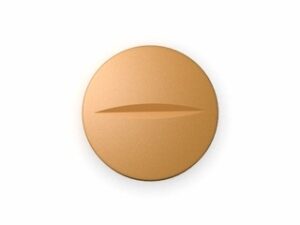
Sotalol (Sotalol Hydrochloride) – Patient Information
What is Sotalol? Sotalol is a heart medicine used to help control certain rhythm problems. It belongs to a group of medicines called antiarrhythmics and works by slowing the electrical signals in the heart and by affecting heart rhythm patterns.
This page explains how sotalol works, when it’s typically used, how to take it, what to watch out for, and what to consider with food, alcohol, and other medicines—tailored for use in the United Kingdom.
Basic product information
- Active ingredient: Sotalol (usually as sotalol hydrochloride)
- Medicines class: Antiarrhythmic (Class III with non-selective beta-blocking effects)
- Common forms: Tablets (strengths may vary by brand)
- How it is supplied: Available through UK pharmacy supply channels based on clinical need
- Manufacturer/brand names: Varies by supplier; products may be branded or generic
If you are unsure which strength you have, check your label for the exact dose (for example, 80 mg, 120 mg, 160 mg) and follow the instructions provided.
How sotalol works (mechanism of action)
Sotalol helps stabilise the heart’s electrical system. It has two main actions:
- Class III antiarrhythmic effect: It prolongs repolarisation of heart cells (lengthening the QT interval). This can help prevent abnormal rhythm circuits.
- Beta-blocking effect: It also blocks beta receptors, reducing the heart rate and the effect of stress hormones on the heart.
The combined effect can reduce the likelihood of certain fast or irregular rhythms and can help maintain a more regular heartbeat in selected patients.
Pharmacokinetics (how your body handles it)
Understanding the basics of absorption and elimination may help you take sotalol at the right times and recognise why kidney function matters. (Note: individual responses vary.)
- Absorption: Sotalol is absorbed after taking a tablet. Food may slightly affect the speed of absorption but not always the overall amount.
- Onset: Effects typically develop within hours after a dose.
- Peak levels: Blood levels rise to their highest point a few hours after taking a dose.
- Distribution: It acts on the heart tissues and is distributed throughout the body.
- Elimination: Sotalol is largely cleared by the kidneys. If kidney function is reduced, the medicine can build up. This can increase the risk of side effects, including rhythm-related risks.
- Half-life: Sotalol’s duration of action depends on kidney function, which is why dosing schedules may be adjusted.
What sotalol is used for (typical use and indications)
Sotalol is used to treat rhythm disorders where stabilising the heart’s electrical activity is needed. In clinical practice in the UK, sotalol may be considered for some patients with:
- Atrial fibrillation (AF): To help maintain or restore a more stable rhythm in selected cases
- Atrial flutter: To help control abnormal atrial rhythms
- Paroxysmal or persistent arrhythmias: In patients who meet specific clinical criteria
- Ventricular arrhythmias: In certain higher-risk rhythm conditions as determined by a specialist
Whether sotalol is suitable depends on your individual ECG findings, symptoms, medical history, and kidney function. Your clinician will consider risks as well as benefits.
Timing: when and how to take sotalol
Follow the directions on your medicine label and any instructions you have been given. In general, sotalol is taken on a regular schedule because maintaining stable drug levels helps control rhythm.
- Take at the same times each day. This helps maintain steady effects.
- Do not skip doses. If you miss a dose, see the FAQ section below for general guidance.
- Continue consistently. If you stop suddenly, your heart rhythm may become unstable.
Practical tip: Use a daily reminder (for example, a phone alarm or blister-pack organiser) to reduce the chance of missed doses.
Food interactions (including what to eat and drink)
Food may affect the speed at which sotalol is absorbed, but for most people it does not dramatically change the total amount absorbed. That said, it’s usually best to take the medicine the same way each day.
- Be consistent: Take sotalol either with food or without food—whichever is recommended for your regimen.
- Hydration matters: Because the medicine is cleared by the kidneys, maintaining normal hydration is generally helpful (unless you have been told to limit fluids).
If you are also taking medicines that affect electrolytes (like potassium or magnesium), meal choices may matter indirectly. These minerals are important for heart rhythm stability.
Alcohol and sotalol interactions
Alcohol can worsen dizziness, sleepiness, or light-headedness that may occur with sotalol—especially when you’re starting treatment or adjusting the dose. It may also affect blood pressure and heart rate.
- Go steady: If you choose to drink alcohol, consider keeping it minimal and avoid binge drinking.
- Watch for symptoms: If you feel faint, unusually tired, or your heartbeat feels irregular after drinking, avoid alcohol and seek advice.
- Check with your clinician: If you have liver disease, heart failure, or episodes of low blood pressure, alcohol may be less suitable.
This is general information. Your personal risk depends on your health status and other medicines.
Medicine interactions (important)
Sotalol can interact with several medicines, especially those that influence heart rhythm (QT interval), heart rate, or electrolyte balance. Interactions may increase the risk of dangerous rhythms.
Common interaction categories to be aware of
- Other rhythm medicines (antiarrhythmics): Combining may increase the risk of QT prolongation and abnormal rhythms.
- Medicines that prolong the QT interval: Some antibiotics, antidepressants, antipsychotics, and antiemetics can raise risk.
- Heart rate–lowering medicines: Examples include certain beta-blockers, some calcium-channel blockers (non-dihydropyridines), and some medicines used for high blood pressure or angina. Too much slowing can lead to bradycardia.
- Electrolyte-affecting medicines: Diuretics (“water tablets”), corticosteroids, and laxatives can lower potassium or magnesium, increasing rhythm risk.
- Digoxin: May increase risk when combined, particularly if heart rate becomes too slow.
- Non-steroidal anti-inflammatory drugs (NSAIDs): These may affect kidney function in some people, which could indirectly affect sotalol levels. If you use NSAIDs regularly, discuss this with your clinician or pharmacist.
- Medicines affecting kidneys: Because sotalol is cleared by the kidneys, any change in kidney function can matter.
Always check: Tell your pharmacist or clinician about all medicines you take, including over-the-counter products, herbal remedies, and supplements.
Dosing: typical regimens and key principles
Dosing of sotalol is individualised. The starting dose and any dose changes depend on your rhythm type, ECG findings, heart rate, blood pressure, and especially kidney function.
The following provides general information about dosing principles (not a substitute for your personalised plan).
General dosing principles
- Individualised dose: Clinicians may start at a lower dose and adjust based on response and safety.
- Renal adjustment: If your kidney function is reduced, the dose may be reduced or the dosing interval may be extended.
- Regular schedule: Doses are commonly taken twice daily or as directed by your healthcare team.
- ECG monitoring: QT interval and heart rate are assessed to help confirm safety.
Do not change your dose without medical advice. If you experience side effects (such as fainting, severe dizziness, or new/worsening palpitations), contact a clinician promptly.
Example dosing schedule (illustrative)
Some patients may be prescribed a twice-daily regimen. The precise strength and schedule vary widely between individuals. Use your label as the source of truth.
| Patient factors | Why it affects dosing | What typically happens |
|---|---|---|
| Kidney function | Sotalol is cleared mainly by the kidneys | Dose may be reduced or interval extended |
| ECG/QT interval | Sotalol can prolong QT in some patients | ECG checks guide dose adjustments |
| Heart rate | Beta-blocking effect may slow the heart | Monitor for excessive slowing |
| Electrolytes (potassium/magnesium) | Low levels can raise rhythm risk | May adjust electrolytes or review diet/medicines |
Safety profile: what to know before taking sotalol
Sotalol can be an effective medicine, but it may cause side effects. The most important safety consideration is the risk of abnormal heart rhythms, particularly when the QT interval is prolonged. This risk can be higher if you have low potassium/magnesium, reduced kidney function, or take interacting medicines.
Common side effects
- Dizziness or light-headedness
- Fatigue or tiredness
- Slow heart rate (bradycardia)
- Shortness of breath (may occur in susceptible individuals)
- Cold hands or feet
- Headache
Serious side effects (seek urgent medical advice)
Contact urgent medical services or seek immediate help if you experience:
- Fainting or near-fainting
- Severe dizziness with palpitations
- New or worsening chest pain
- Sudden shortness of breath
- Very irregular heartbeat or a feeling that your heart is “fluttering” intensely
Who should be extra cautious?
- People with kidney impairment
- People with a history of QT prolongation or certain arrhythmias
- People with low potassium or magnesium
- People taking multiple medicines that affect heart rhythm or electrolytes
- People who are prone to low blood pressure or very slow pulse
Your clinician may perform ECG checks and blood tests before starting or when adjusting dose to reduce risk.
Practical use tips for daily life
- Keep track of your pulse: If you have a home heart-rate monitor, check it as advised. If you notice a very slow rate or feel unwell, seek advice.
- Attend follow-up appointments: ECG and blood tests help ensure the medicine remains safe and effective.
- Stay consistent with diet and hydration: Avoid major changes in salt intake or hydration unless advised.
- Electrolytes matter: If you develop vomiting/diarrhoea or you are dehydrated, contact your clinician—electrolytes may change.
- Be careful with new medicines: Always let your pharmacist know you take sotalol before starting something new (including OTC products).
- Driving and machinery: If you feel dizzy or unusually tired, avoid driving or dangerous tasks until you know how sotalol affects you.
Alternative options (what else may be used)
If sotalol isn’t suitable, there are other approaches depending on the specific rhythm problem and your medical history. Alternatives commonly considered may include:
- Other antiarrhythmics: Examples include medicines from different antiarrhythmic classes (choice depends on ECG/QT and comorbidities).
- Rate control medicines: For some people, controlling the heart rate (rather than rhythm) is an option.
- Cardioversion: A procedure used to restore normal rhythm in selected cases.
- Ablation: A procedure that targets abnormal electrical pathways in certain arrhythmias.
- Lifestyle and risk-factor management: Managing triggers such as alcohol excess, sleep apnoea, thyroid disorders, and blood pressure can help.
The best alternative is individual. Your healthcare team can explain what options fit your condition and risk profile.
Market and legal context in the United Kingdom
Medicines containing sotalol are regulated in the UK under pharmaceutical legislation and must be supplied in line with UK medicines regulations. Supply typically follows clinical appropriateness and safety checks, and healthcare professionals may apply monitoring requirements.
Important note: Many cardiology medicines that affect heart rhythm require careful monitoring. If you’re purchasing through an online pharmacy, ensure you are using a reputable UK-registered service and that any required checks are completed.
The UK National Health Service (NHS) and professional bodies provide guidance on managing atrial and ventricular arrhythmias. Local protocols may influence how and when sotalol is used, including whether hospital initiation or ECG monitoring is recommended.
Recent guidance and monitoring considerations
Recent clinical practice continues to emphasise risk assessment and monitoring for medicines that can prolong QT or slow the heart. Ongoing themes in cardiology care include:
- Baseline ECG assessment to evaluate QT interval and rhythm.
- Periodic ECG monitoring especially after starting or changing dose.
- Blood tests to check kidney function and electrolytes (potassium and magnesium).
- Review of interacting medicines at each prescription or medication update.
- Patient education on symptoms that should trigger urgent review (fainting, severe dizziness, worsening palpitations).
Your clinician may follow hospital or regional pathways for safe initiation and dose adjustment based on your individual risk factors.
Delivery and availability (UK online pharmacy)
Availability of sotalol products may vary by brand and strength. UK online pharmacies typically offer:
- Standard delivery: Usually within a few working days
- Express delivery options: Where available
- Tracking: Depending on the courier service
- Packaging: Medicines are supplied in secure, tamper-evident packaging
Cold/heat considerations: Store sotalol according to the product leaflet (often at room temperature away from moisture and direct sunlight). If your order is left in hot conditions, consider using a delivery option that reduces time outside.
Availability may be affected by prescribing practices, stock levels, or manufacturer supply schedules. If a product is temporarily unavailable, you may be offered an equivalent alternative (such as a different brand with the same strength), subject to pharmacy processes.
FAQ about sotalol
1) How soon will sotalol start working?
Many people notice an effect within hours of a dose. However, overall rhythm control and stabilisation may take longer and depend on dose, ECG response, and individual factors such as kidney function. Monitoring may be more frequent early on.
2) What should I do if I miss a dose?
If you miss a dose, take it as soon as you remember unless it is close to the time for your next dose. Do not take double the dose to make up for a missed tablet. If you’re unsure what to do, ask your pharmacist for advice based on your specific schedule.
3) Can I stop taking sotalol if I feel better?
Do not stop sotalol suddenly without medical advice. Stopping may allow your arrhythmia to return or worsen. If you want to stop, discuss it with your clinician first so that a safe plan can be made.
4) Will sotalol affect my ECG or QT interval?
Sotalol can prolong the QT interval in some patients, which is why ECG monitoring is important. Your healthcare team will weigh benefits and risks and may adjust dose based on your ECG and symptoms.
5) Are there foods I should avoid?
There are no universal “forbidden” foods, but consistency matters. If your regimen advises taking with or without food, try to follow that pattern. Also, consider your overall heart-health diet and avoid drastic changes that could affect electrolyte balance.
6) Can I drink alcohol while taking sotalol?
Alcohol may increase dizziness or fatigue and could affect heart rhythm and blood pressure. If you drink, keep it moderate and avoid binge drinking. Stop and seek advice if you experience worsening palpitations, faintness, or severe dizziness.
7) What medicines commonly interact with sotalol?
Medicines that affect heart rhythm (especially QT), heart rate, or electrolytes can interact. Examples include certain antibiotics, antidepressants, antipsychotics, antiemetics, diuretics, and other cardiovascular medicines. Always check with your pharmacist before starting new medicines.
8) Is sotalol safe if I have kidney problems?
Sotalol is cleared by the kidneys. If kidney function is reduced, the dose may need adjustment and monitoring may be closer to reduce drug build-up and rhythm-related risks. Tell your clinician about your kidney history and any recent blood test results.
9) What should I do if I experience fainting or severe dizziness?
Fainting or severe dizziness can be a warning sign of a significant rhythm problem. Seek urgent medical advice immediately.
10) Are there alternatives if sotalol causes side effects?
Yes. Depending on your specific rhythm disorder and risks, your healthcare team may suggest a different antiarrhythmic, a rate-control strategy, or non-medicine options such as cardioversion or ablation.
Key takeaways
- Sotalol helps stabilise heart rhythm through antiarrhythmic and beta-blocking effects.
- Monitoring matters: ECG (QT interval) and blood tests are important, especially early on and after dose changes.
- Kidney function is crucial: sotalol is mainly cleared by the kidneys—dose may need adjustment.
- Check interactions: Medicines that affect QT, heart rate, or electrolytes may increase risk.
- Know warning symptoms: fainting, severe dizziness, chest pain, or new/worsening palpitations require urgent attention.
For the safest use of sotalol, follow the instructions on your medicine label and keep regular follow-up appointments. If you have questions about your dose, timing, or possible interactions, speak with a pharmacist or healthcare professional.