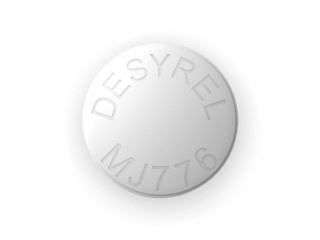


Ticlopidine (Ticlid) – Patient-Friendly Guide (UK)
Ticlopidine is an antiplatelet medicine used to help reduce the risk of blood clots forming in certain medical conditions. This guide explains how ticlopidine works, how it is taken, key safety information, and what to expect when using it in the United Kingdom.
Note: Medicines affect people differently. Always follow the instructions provided by your healthcare professional and read the patient information leaflet supplied with your pack.
1. Basic product information
| Category | Details |
|---|---|
| Medicine name | Ticlopidine |
| Common brand names | Often known historically as Ticlid (availability may vary) |
| Medicine type | Antiplatelet (P2Y12-acting agent) |
| How it is taken | Oral tablets/capsules depending on product |
| Therapeutic goal | Reduce formation of platelet-rich clots |
In the UK, ticlopidine is not commonly used for many first-line anti-platelet indications compared with more modern options. However, it may still be used in specific situations under specialist care.
2. How ticlopidine works (mechanism of action)
Blood clots can form when platelets (small cells in the blood) stick together and activate. Ticlopidine helps prevent this process by acting on platelet function.
- Antiplatelet effect: Ticlopidine interferes with platelet aggregation, reducing the likelihood of clot formation.
- Reduced platelet stickiness: It helps lower the ability of platelets to clump together, which is important in conditions where arterial clots are a risk.
- Not the same as aspirin: Ticlopidine has a different mechanism from aspirin (which affects thromboxane pathways) and clopidogrel/prasugrel (which act through specific P2Y12 receptor mechanisms). Your clinician will choose based on your case.
3. Pharmacokinetics (how the body handles ticlopidine)
Pharmacokinetics describes how a drug is absorbed, distributed, metabolised, and eliminated. Understanding these can explain why dosing schedules and monitoring matter.
- Absorption: Ticlopidine is absorbed after oral dosing, but bioavailability can vary between individuals.
- Metabolism: It is metabolised by the liver. This is one reason liver-related side effects and interactions are important.
- Onset and duration: Because it affects platelet function, the clinical effect may take time to fully develop. Platelet recovery after stopping can also take time.
- Elimination: Metabolites are cleared mainly via the body’s normal excretory routes, including through bile and/or urine depending on the metabolic pathway.
Your healthcare professional may consider your kidney and liver function when assessing suitability.
4. Typical uses and indications in the UK
Ticlopidine is an antiplatelet medicine. It is typically considered for patients who require platelet inhibition in certain situations. Because ticlopidine is associated with specific blood and gastrointestinal risks, its use is usually restricted and may be specialist-led.
Indications (common clinical contexts)
- Prevention of blood clots in specific arterial disease where platelet aggregation plays a role.
- Alternative antiplatelet option in selected patients who cannot tolerate or are not appropriate for other therapies.
The exact approved indications and local prescribing practices can differ. In the UK, many patients are managed with other antiplatelet medicines that have broadly established safety profiles. Ticlopidine may be used where clinicians determine it is the best option for that individual.
5. Timing and how to take ticlopidine
Proper timing helps maintain consistent platelet inhibition while supporting safe use. Follow your prescriber’s instructions or the advice on your dispensing label.
Typical dosing schedule
- Many adult regimens are taken twice daily, spaced evenly (for example, morning and evening).
- A clinician may adjust the dose depending on your condition and tolerability.
Practical tips for taking ticlopidine
- Use a routine: Take your doses at consistent times each day.
- Don’t miss doses: If you miss a dose, take it when you remember unless it is close to your next dose. Do not double up.
- Swallow safely: Swallow tablets whole with water unless your leaflet states otherwise.
- Track side effects: If you notice unusual bruising, bleeding, fever, or sore throat, seek advice promptly.
6. Food interactions and what to watch
Food can sometimes affect how quickly medicines are absorbed. With ticlopidine, the key practical point is to take it consistently according to your leaflet or prescriber’s instructions.
- General approach: Take ticlopidine the same way each day (with or without food), unless advised otherwise.
- Stomach intolerance: Some people experience nausea or stomach discomfort. Taking the dose with food may help.
- Be cautious with severe digestive symptoms: Persistent vomiting or severe diarrhoea can affect absorption and medication tolerance.
For the most accurate advice, check your specific product’s patient information leaflet. Different formulations may have slightly different guidance.
7. Alcohol interactions and safety
Alcohol can increase the risk of bleeding for many antiplatelet medicines, and it may also worsen stomach irritation. While there isn’t always a strict “absolute” ban, minimising alcohol is generally wise.
- Bleeding risk: Heavy drinking can increase the chance of bleeding or make bruising/bleeding worse.
- Gastrointestinal effects: Alcohol may worsen indigestion, gastritis, or stomach irritation.
- Practical advice: If you drink alcohol, do so in moderation and avoid binge drinking.
If you have a history of stomach ulcers, heavy bleeding, liver problems, or alcohol-related liver disease, ask a pharmacist or clinician for tailored guidance.
8. Medicine interactions (including common combinations)
Interactions can occur when other medicines affect ticlopidine’s action or increase bleeding risk. Always tell your healthcare professional about all medicines you take, including over-the-counter products and herbal remedies.
Medicines that may increase bleeding risk
- Other antiplatelet medicines (e.g., aspirin, clopidogrel and similar agents, depending on your regimen)
- Anticoagulants (e.g., warfarin, apixaban, rivaroxaban, dabigatran)
- Thrombolytics used to break up clots
- NSAIDs for pain (e.g., ibuprofen, naproxen) – may increase bleeding or stomach irritation
Medicines that may increase side effects via liver metabolism
- Some medicines can affect liver enzymes involved in ticlopidine metabolism. This may change ticlopidine levels or side-effect risk.
Herbal and supplement interactions
- St John’s wort (can affect metabolism)
- Supplements that may affect bleeding (e.g., high-dose fish oil, garlic supplements, ginkgo) – ask first
If you need pain relief, consider speaking to a pharmacist about safer choices for someone taking an antiplatelet medicine.
9. Dosing information (adults and special populations)
Dosing should be individualised. The information below is general and may not match your exact prescription/label. Always follow the dose on your packaging and your clinician’s instructions.
General adult dosing
- Common regimens use twice-daily dosing.
- Dose may be adjusted based on tolerability and monitoring results.
Monitoring considerations
Ticlopidine can affect blood counts and may cause serious adverse effects in some people. Monitoring may include blood tests to check:
- Full blood count (to detect low white blood cell counts and other changes)
- Liver function tests (because liver-related effects can occur)
Children and adolescents
Ticlopidine is generally used in adults. Use in children should only be under specialist guidance.
Older adults
- Older adults may be more sensitive to side effects and may require closer monitoring.
10. Safety profile: important risks and when to seek help
Like all medicines, ticlopidine can cause side effects. Most people experience mild effects, but some reactions can be serious. Knowing what to watch for helps you act quickly.
Common side effects
- Stomach discomfort, nausea, or indigestion
- Headache
- Dizziness or fatigue
Serious side effects (seek urgent medical advice)
Contact a healthcare professional urgently (or seek emergency help) if you develop:
- Signs of serious infection: fever, sore throat, mouth ulcers
- Unusual bleeding: bleeding that won’t stop, black/tarry stools, blood in urine or vomit
- Severe bruising or widespread rash
- Symptoms of liver problems: yellowing of the skin/eyes (jaundice), dark urine, severe tiredness, persistent itching
- Severe allergic reactions: swelling of face/lips, breathing difficulty, widespread hives
Bleeding precautions
- Tell dentists or surgeons that you take ticlopidine before procedures.
- Use extra caution to prevent injury (for example, when shaving, using knives, or participating in contact sports).
- Report any bleeding promptly.
11. Practical use tips (day-to-day guidance)
- Keep track of blood test appointments: If you are asked to have regular blood counts and liver tests, attend them.
- Know your “warning signs”: Fever, unusual bruising, prolonged bleeding, or yellowing of the skin are important.
- Carry medication details: Consider keeping a list of your medicines in your wallet or on your phone.
- Be cautious with pain relief: Avoid “auto-medicating” with NSAIDs without asking first.
- Maintain a consistent routine: Take your doses at similar times each day.
12. Alternative options (what clinicians may use instead)
Depending on the reason for treatment, doctors commonly consider other antiplatelet medicines. Alternatives may include medicines such as:
- Aspirin (widely used, especially for prevention in cardiovascular disease)
- Clopidogrel
- Prasugrel (in specific settings)
- Ticagrelor (in selected conditions)
The “best” alternative depends on the underlying diagnosis, your bleeding risk, other medications, kidney/liver function, and whether you have previously tolerated antiplatelet agents.
For people needing anticoagulation (blood-thinning via different pathways), clinicians may consider different drug classes rather than switching within the antiplatelet group.
13. UK market and legal context (availability and prescribing approach)
Medicines in the UK must comply with regulatory and safety standards set by the Medicines and Healthcare products Regulatory Agency (MHRA), and prescribing decisions are guided by clinical evidence and national/local protocols.
- Product availability: Availability can vary due to manufacturer supply, pharmacy stock levels, and changing prescribing preferences.
- Specialist use: Because of its safety monitoring requirements and side-effect potential, ticlopidine is generally used selectively.
- Ongoing safety updates: Like all medicines, guidance may be updated as new safety information becomes available.
If you are unable to access ticlopidine, speak to your pharmacist about suitable alternatives and whether a different antiplatelet option is appropriate.
14. Recent guidance and safety updates (how to stay current)
Clinical practice for antiplatelet therapy evolves over time. Guidance may be updated by organisations involved in cardiovascular and stroke care, and by healthcare bodies that issue standards for prescribing and monitoring.
- Follow the latest advice from your clinician: Especially if you’re starting or switching antiplatelet therapy.
- Report symptoms early: Many serious adverse reactions are treatable when identified promptly.
- Keep monitoring appointments: If blood tests are part of your treatment plan, don’t miss them.
Your pharmacist can help ensure you’re using the correct product and confirm any current safety reminders associated with your specific treatment.
15. Delivery and availability from an online pharmacy (UK)
Availability can depend on local stock levels and supplier timelines. When ordering online in the UK:
- Check product strength/form: Ensure you are ordering the correct ticlopidine formulation.
- Delivery timeframe: Delivery times vary; some medicines may dispatch sooner than others if stock is available.
- Packaging: Orders should arrive in secure, tamper-evident packaging where applicable.
- Storage: Store tablets according to the leaflet (typically at room temperature away from moisture and direct sunlight).
If you need urgent treatment or have limited supply, contact customer support so they can advise on dispatch dates and options.
16. FAQ
1) What is ticlopidine used for?
Ticlopidine is an antiplatelet medicine used to reduce the risk of platelet-related clot formation in selected conditions. In the UK, it is typically used selectively and may be directed by specialist advice.
2) How quickly does ticlopidine start working?
It affects platelet function, so effects may develop over time rather than instantly. Your healthcare professional can advise what timeline is expected for your condition.
3) Can I take ticlopidine with food?
Many people take it consistently either with or without food. If you experience stomach upset, taking with food may help, but follow the instructions on your leaflet or label.
4) Does ticlopidine increase bleeding risk?
Yes. As an antiplatelet agent, it can increase the tendency to bruise or bleed. Seek urgent help for severe or unusual bleeding, such as black/tarry stools, vomiting blood, bleeding that won’t stop, or signs of serious infection.
5) What painkillers can I use while taking ticlopidine?
Avoid NSAIDs (such as ibuprofen or naproxen) unless a clinician specifically advises them, as they may raise bleeding risk and stomach irritation. Ask your pharmacist for suitable options based on your health history.
6) Are there any alcohol restrictions?
There isn’t always a complete prohibition, but alcohol can increase bleeding risk and worsen stomach irritation. It’s generally safest to drink in moderation and avoid binge drinking.
7) Do I need blood tests?
Many patients require blood monitoring because ticlopidine can affect blood counts and may affect liver function. If monitoring is recommended for you, attend all appointments.
8) What should I do if I miss a dose?
Take the missed dose as soon as you remember unless it’s nearly time for your next dose. Do not double the dose. If you’re unsure, ask your pharmacist.
9) What side effects are most concerning?
Contact urgent medical services for signs such as fever/sore throat (possible infection with low white blood cells), unusual or prolonged bleeding, symptoms of liver problems (jaundice, dark urine), or signs of an allergic reaction.
10) What if ticlopidine is unavailable?
Availability may vary. Speak to your pharmacist about alternative antiplatelet options and whether any switching is appropriate for your diagnosis and risk profile.
17. Summary
Ticlopidine is an antiplatelet medicine that helps reduce clot formation by affecting platelet aggregation. Because of the potential for serious blood and liver-related side effects, safe use includes following dosing instructions carefully, attending any recommended blood tests, and seeking help promptly for warning symptoms such as fever, unusual bruising, or bleeding.
If you have questions about starting ticlopidine, interactions with other medicines, or what to do if you feel unwell while taking it, contact a healthcare professional or pharmacist for advice.