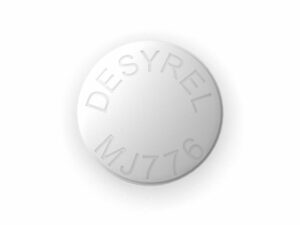

Tolterodine (Tolterodine Tartrate): Patient Guide for UK Use
Tolterodine is a medicine used to treat symptoms of an overactive bladder (OAB), such as urgent and frequent urination and urge incontinence (leaking on the way to the toilet). It belongs to a group of medicines called antimuscarinics (also known as anticholinergic bladder medicines). This guide explains how Tolterodine works, how it’s used, what to expect, and important safety information for people in the United Kingdom.
Important: Always follow the instructions provided with your medicine. If you have questions about suitability, side effects, or interactions, speak to a pharmacist or other healthcare professional.
Basic product information
| Category | Details |
|---|---|
| Generic name | Tolterodine |
| Common forms | Immediate-release and modified-release (MR) preparations exist (brands vary) |
| Medicine group | Antimuscarinic / anticholinergic (bladder-specific symptom control) |
| Typical symptom focus | Overactive bladder: urgency, frequency, urge incontinence |
| How it’s taken | Oral tablets or capsules, usually once or twice daily depending on the formulation |
In the UK, Tolterodine may be supplied under different brand names depending on formulation. Availability can vary between local pharmacies and online delivery services.
How Tolterodine works (mechanism of action)
The bladder lining has receptors that respond to a chemical called acetylcholine. In overactive bladder, these signals can trigger bladder contractions more often than expected, leading to urgency and frequency of urination.
Tolterodine blocks muscarinic receptors (particularly those involved in bladder contraction). By reducing unwanted bladder contractions, Tolterodine helps to:
- Increase bladder storage capacity
- Reduce the feeling of sudden urgency
- Decrease the number of trips to the toilet
- Reduce episodes of urge incontinence
The result is usually improved day-to-day control of bladder symptoms, rather than a cure of the underlying tendency toward overactivity.
Pharmacokinetics (how the body handles it)
Pharmacokinetics describes what happens to a medicine after you swallow it—how it’s absorbed, processed, and eliminated. While exact values can vary between individuals and formulations, the key points for Tolterodine are:
- Absorption: Tolterodine is absorbed through the gastrointestinal tract. Modified-release products are designed to release the medicine more slowly.
- Metabolism: It is metabolised mainly in the liver. A key active metabolite is formed (often discussed as 5-hydroxymethyl tolterodine).
- Elimination: The medicine and its metabolites are cleared primarily via the kidneys and, to some extent, through other pathways.
- Duration: The dosing frequency depends on the formulation (immediate-release vs modified-release).
If you have kidney or liver problems, your doctor or pharmacist may recommend a lower dose and closer monitoring, as drug levels may be higher than expected.
Typical use in the UK
Tolterodine is used to treat symptoms of overactive bladder, including:
- Urgency: a sudden, hard-to-delay need to pass urine
- Frequency: passing urine more often than normal
- Urge incontinence: leaking urine after feeling the urgency
It may be considered when lifestyle measures alone are not enough, such as reducing caffeine or managing fluid intake and bladder training strategies.
When and how to take Tolterodine (timing)
How you take Tolterodine depends on the specific product you’ve been given:
- Immediate-release formulations: may be taken more than once daily, typically morning and evening.
- Modified-release formulations: are often taken once daily for steadier symptom control.
Practical tip: Try to take Tolterodine at the same times each day. If you miss a dose, take it when you remember unless it is close to the next dose—then skip the missed dose. Do not take a double dose to make up for a missed one.
How quickly it works
Many people notice changes within days, but the full benefit may take a few weeks. If symptoms aren’t improving after an appropriate trial period, speak to your pharmacist or clinician for advice.
Food interactions and how to take it with meals
Tolterodine can generally be taken with or without food. That said, product instructions can vary depending on formulation, and consistency helps avoid stomach upset and improves adherence.
- Take as directed: follow the instructions supplied for your specific brand and formulation.
- If you experience stomach discomfort: consider taking it with food (if compatible with your product instructions).
- Swallow whole: do not crush or chew modified-release tablets/capsules.
If you’re unsure whether your particular product should be taken with meals, ask a pharmacist.
Alcohol and medicine interactions
Alcohol
Alcohol may worsen some side effects of antimuscarinics, particularly:
- Dizziness or light-headedness
- Blurred vision
- Sleepiness or reduced coordination
It does not necessarily “react” with Tolterodine in the same way as some drug combinations, but drinking alcohol can reduce your ability to judge symptoms safely (for example, noticing urinary retention signs) and can make you feel more unwell.
Medicine interactions (important)
Tolterodine may interact with other medicines that affect the same pathways or increase anticholinergic effects. Tell your pharmacist about all medicines you take, including over-the-counter products and herbal remedies.
Medicines that may increase anticholinergic effects
- Other antimuscarinics for bladder or bowel conditions
- Some medicines for motion sickness (e.g., scopolamine-like agents)
- Some antidepressants with anticholinergic properties
- Antihistamines that cause drowsiness (and have anticholinergic effects)
Combining such medicines may raise the chance of dry mouth, constipation, blurred vision, and confusion.
Medicines that affect liver enzymes (CYP)
Tolterodine is metabolised in the liver. Some medicines can change its breakdown and therefore affect Tolterodine levels. Your pharmacist can advise if any of your current medicines could be relevant.
Medicines for constipation or urinary symptoms
If you take medicines for constipation or other bladder-related conditions, it’s particularly important to review them, as antimuscarinic medicines can worsen constipation and may affect urine flow.
Indications (what Tolterodine is used for)
Tolterodine is indicated for the treatment of overactive bladder symptoms. This may include:
- Urinary urgency
- Increased urinary frequency
- Urge incontinence
It is not typically used for urinary tract infections, prostatitis, or other conditions where the underlying cause is different. If you have burning when you urinate, fever, or blood in the urine, seek medical advice promptly.
Dosing: typical adult use and key considerations
Dosing should be individualised based on formulation, symptom severity, and kidney/liver function. Below are general dosing patterns commonly used for Tolterodine products; always confirm with the pack and the instructions you’ve been given.
Common dosing principles
- Start low where needed: people with reduced kidney or liver function may need a lower dose.
- Use the correct formulation: dosing frequency differs between immediate-release and modified-release products.
- Review benefit vs side effects: if side effects are troublesome, dose adjustment or a different medicine may be considered.
Do not change your dose without advice. If you feel the medicine is not working or you’re experiencing significant side effects, contact a healthcare professional for a review.
Safety profile: side effects and who should be cautious
Like all medicines, Tolterodine can cause side effects. Many people tolerate it well, but because it has antimuscarinic effects, typical side effects relate to reduced glandular secretions and slowed gut/bladder activity.
Common side effects
- Dry mouth
- Constipation (or worsened constipation)
- Blurred vision
- Headache
- Dizziness
- Indigestion or stomach discomfort
- Reduced sweating (important in hot weather)
Less common but important effects
- Urinary retention (difficulty passing urine)
- Confusion, especially in older adults or those predisposed to cognitive changes
- Palpitations (if you feel unusually fast or irregular heartbeat, seek advice)
Seek urgent medical help if
- You cannot pass urine or feel severely unable to empty your bladder
- You develop severe allergic symptoms (swelling of face/lips, breathing difficulty)
- You experience severe confusion, fainting, or other serious neurological symptoms
Who should be cautious
Extra caution is needed if you have conditions that could be affected by anticholinergic medicines, such as:
- Problems emptying the bladder (for example, urinary retention risk)
- Severe constipation or bowel obstruction
- Gastrointestinal conditions where slowed movement could be harmful
- Glaucoma (especially narrow-angle glaucoma)
- Myasthenia gravis
- Reduced kidney and/or liver function
If you’re older, frail, or have cognitive impairment, discuss suitability and monitoring with a healthcare professional.
Practical use tips (to get the best results)
- Stay hydrated: Tolterodine can cause dry mouth. Sip water regularly and consider sugar-free chewing gum or lozenges to help saliva.
- Manage constipation early: increase fibre, use hydration, and consider discussing stool softeners or laxatives if constipation starts.
- Be careful in heat: if sweating reduces, overheating can become more likely. Take cooling breaks and watch for heat exhaustion.
- Drive and operate machinery: if you feel dizzy or have blurred vision, avoid driving until you know how the medicine affects you.
- Bladder training can improve outcomes: continue lifestyle strategies such as timed voiding and gradual increases in time between urination, as advised.
- Track symptoms: keep a simple note of urgency episodes, frequency, and any leakage. This helps you and your clinician judge benefit.
Alternative options for overactive bladder (UK perspective)
If Tolterodine isn’t suitable or doesn’t provide enough benefit, there are other options. Your pharmacist or clinician can help choose the best approach based on your symptoms and side-effect tolerance.
Other antimuscarinics
Some alternative antimuscarinic bladder medicines exist and may differ in side-effect profile (for example, risk of dry mouth or constipation) and dosing frequency. Examples (not exhaustive) include oxybutynin and solifenacin.
Beta-3 agonists
Another class used for overactive bladder includes beta-3 adrenergic agonists (commonly discussed as treatments that relax the bladder). These may be considered when antimuscarinics are not tolerated.
Non-medicine approaches
- Bladder training and scheduled toileting
- Pelvic floor muscle exercises (with or without physiotherapy guidance)
- Assessment for contributing factors (caffeine intake, constipation, fluid patterns)
In selected cases, referral to a urology or continence service may be appropriate for further evaluation and advanced treatments.
Market and legal context in the UK
Medicines in the UK are regulated by the Medicines and Healthcare products Regulatory Agency (MHRA). Over-the-counter supply differs from prescription pathways depending on product classification and licensing status. Tolterodine is widely used in clinical practice for bladder symptom management.
For online pharmacy supplies, you may be asked to complete a brief medical questionnaire to confirm suitability and reduce the risk of unsafe use. Requirements may vary depending on the platform and the specific product formulation.
Always check the label and package leaflet for your particular product. If you are unsure which strength or formulation you have, do not guess—ask a pharmacist.
Recent guidance and ongoing clinical considerations
Clinical practice for overactive bladder commonly emphasises:
- Individualised choice based on symptom pattern and tolerability
- Reviewing side effects, especially in older people
- Using non-drug strategies alongside medicines where possible
- Monitoring for urinary retention and constipation
Guidance can evolve as new evidence becomes available, so it’s a good idea to check with a healthcare professional if your symptoms change or if you have not seen improvement after a trial period.
Delivery and availability (online pharmacy)
Tolterodine availability can vary by formulation (immediate vs modified release) and by strength. UK online pharmacies typically offer:
- Standard delivery: generally within a few working days
- Express delivery: where available and depending on supplier stock
- Order tracking: via email or a delivery confirmation link
Delivery times depend on local stock levels and courier schedules. If a particular brand or strength is temporarily out of stock, you may be offered an equivalent product (where appropriate) after suitability checks.
Store Tolterodine according to the package instructions, usually at room temperature and protected from moisture. Keep out of the sight and reach of children.
Frequently asked questions (FAQ)
1) Is Tolterodine the same as tolterodine tartrate?
Many Tolterodine products contain tolterodine tartrate as the active ingredient salt form. On-pack details will confirm the exact formulation and strength.
2) How long does it take to work?
Some improvement may be noticed within days, but full effect often takes a few weeks. If there is no noticeable benefit after an adequate trial period, speak to a pharmacist or clinician to review the plan.
3) What should I do if I get dry mouth?
Stay hydrated, consider sugar-free gum or lozenges, and maintain good oral hygiene. If dry mouth is severe or causes problems with eating or drinking, discuss with a pharmacist—dose adjustment or an alternative may be needed.
4) Can I take Tolterodine with other bladder medicines?
Be cautious combining bladder medicines, especially other antimuscarinics, because side effects may increase. Always ask a pharmacist if you’re using more than one urinary/continence medicine.
5) Does Tolterodine make me sleepy?
Some people experience dizziness or blurred vision, which may affect alertness. If you feel unwell or impaired, avoid driving and heavy machinery until you know how the medicine affects you.
6) Is it safe to drink alcohol while taking Tolterodine?
Alcohol can make some side effects worse (such as dizziness). It’s best to avoid heavy drinking and pay attention to how you feel. Discuss with a pharmacist if you plan to drink alcohol regularly or in large amounts.
7) What if I can’t empty my bladder properly?
If you experience difficulty urinating, discomfort, or a feeling that your bladder isn’t emptying, stop and seek urgent advice. Urinary retention is an important potential risk with antimuscarinic medicines.
8) Will Tolterodine cure overactive bladder?
Tolterodine helps control symptoms. Overactive bladder can be long-term; ongoing symptom management is often needed, with periodic reviews to find the most suitable option for you.
9) Are there non-drug options I can try alongside Tolterodine?
Yes. Bladder training, pelvic floor exercises, and adjusting fluid/caffeine intake can help reduce urgency and frequency. For many people, combining these with medication improves overall results.
10) Can my dose be changed?
Dose changes should be guided by a healthcare professional based on symptom response and side effects. Do not adjust without advice.
Summary
Tolterodine is an antimuscarinic medicine that helps reduce bladder overactivity by blocking muscarinic receptors involved in bladder contraction. It’s commonly used to treat urgency, frequency, and urge incontinence associated with overactive bladder. Benefits may develop over weeks, while side effects often relate to dryness and slowed gut function (for example, dry mouth and constipation). If you notice signs such as urinary retention, severe confusion, or serious allergic symptoms, seek medical help promptly.
If you’d like, share your Tolterodine formulation (immediate vs modified release) and your main symptoms and I can help you plan a safe routine for timing and symptom tracking—without changing medical guidance.