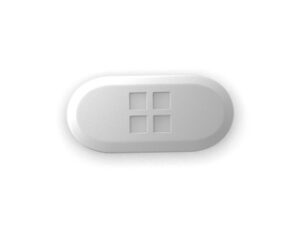
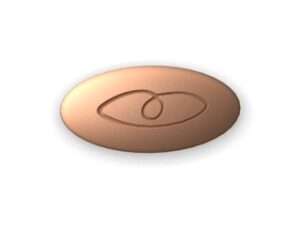
Triamcinolone (Triamcinolone acetonide) — Patient Guide (UK)
Triamcinolone is a corticosteroid medicine used to reduce inflammation and calm overactive immune responses. It can be prescribed in several forms, including tablets and creams/ointments, and in some situations as an injection administered by healthcare professionals. This guide explains what triamcinolone is, how it works, how it behaves in the body, what it’s used for, and important safety and practical information for people in the UK.
If you’re not sure which form you have (tablet, cream/ointment, or injection), check the product label or packaging. Instructions vary by formulation, strength, and the condition being treated.
1. Basic product information
- Medicinal name: Triamcinolone (commonly triamcinolone acetonide)
- Class: Corticosteroid (glucocorticoid)
- Common forms: Tablets; creams/ointments; nasal preparations (in some markets); injections (specialist use)
- Therapeutic role: Anti-inflammatory and immunosuppressive (to a degree, depending on dose/route)
- Where used: Skin conditions, inflammatory joint disorders, allergy-type inflammation, and other inflammatory diseases (depending on formulation)
Brand names differ across the UK. Your pharmacy will supply the specific brand/product name associated with your chosen or prescribed item. Always follow the instructions that came with your particular product.
2. How triamcinolone works (mechanism of action)
Triamcinolone is a glucocorticoid. In the body, glucocorticoids bind to intracellular receptors and influence gene expression. The result is a reduction in inflammation and immune activity.
- Decreases inflammatory chemicals: It reduces production of pro-inflammatory mediators.
- Reduces immune cell activity: It can lower the activity of immune cells involved in inflammation.
- Stabilises tissues: It may reduce swelling, redness, itching, and irritation.
- Controls allergic-type responses: In some conditions, it helps suppress hypersensitivity reactions.
How quickly you feel better depends on the condition and route: skin creams may relieve symptoms within days; tablets may start working within hours; injections may act more rapidly for targeted inflammation.
3. Pharmacokinetics (how the body processes it)
“Pharmacokinetics” describes how a medicine is absorbed, distributed, metabolised, and eliminated. Exact numbers depend on the formulation and route (oral vs topical vs injection).
3.1 Absorption
- Oral (tablets): Absorption occurs through the gastrointestinal tract. Food may affect the extent of absorption in some people.
- Topical (cream/ointment): Absorption through skin is usually limited, but increases with:
- higher strength preparations
- application to large areas
- broken skin, inflamed skin, or skin folds
- longer duration of use
- use under occlusion (covered with bandages/plastic), unless specifically advised
- Injection: Absorption into the bloodstream varies by injection type and site.
3.2 Distribution
Triamcinolone circulates in the bloodstream and is distributed into tissues. Corticosteroids can affect how the body handles sugars, fats, and proteins.
3.3 Metabolism and elimination
- Metabolism: Primarily in the liver.
- Elimination: Mainly through the kidneys (urine), though exact pathways depend on the specific compound and formulation.
Because corticosteroids can influence hormones throughout the body, long-term or high-dose use should be discussed with a clinician. Stopping suddenly after extended use may cause problems; tapering may be needed (depending on how long and how much was taken).
4. Typical uses (indications)
Triamcinolone is used for conditions where inflammation and/or an immune response contribute to symptoms. Indications vary by formulation:
4.1 Topical triamcinolone (creams/ointments)
Common uses include inflammatory skin conditions such as:
- eczema (atopic or other inflammatory types)
- dermatitis (including contact dermatitis)
- itchy, inflamed skin conditions where a corticosteroid is appropriate
- certain skin flare-ups linked to immune-driven inflammation
Important: corticosteroid creams are not suitable for every skin problem. They can worsen some infections (for example, certain fungal or viral skin infections) unless used alongside appropriate treatment.
4.2 Oral triamcinolone (tablets)
Oral corticosteroids may be used for selected inflammatory or immune conditions, often when symptoms are more widespread. Examples may include:
- severe inflammatory conditions
- some autoimmune conditions (under specialist management)
- allergic inflammation in specific cases
4.3 Injection (specialist use)
Injections are typically used to treat inflammation in a targeted area (for example, joints or specific sites) and should be administered by appropriately trained healthcare professionals.
5. When and how to take it (timing)
Timing depends strongly on the form and dose. Always follow the instructions given with your medicine.
5.1 Tablets: common timing approaches
- Once daily doses: often taken in the morning to reduce disruption to the body’s natural cortisol rhythm.
- Multiple doses per day: timing may be adjusted to lessen side effects.
- Consistency: try to take it at the same times each day.
5.2 Cream/ointment: application timing
- Usually thin layer: apply sparingly to the affected area.
- Frequency: follow the specific schedule on your label (commonly once or twice daily for short courses).
- Wash hands: before and after applying unless your hands are the treated area.
- Duration: use for the shortest time that controls symptoms unless your clinician advises otherwise.
5.3 Injections
Timing is set by clinical assessment. It may be repeated in some chronic inflammatory problems, but intervals and frequency are carefully managed.
6. Food interactions
Food can influence how some corticosteroids are absorbed and tolerated. For triamcinolone tablets:
- Tolerability: taking tablets with food may reduce stomach upset for some people.
- Absorption: food may affect absorption in certain cases; however, practical guidance often focuses on comfort and adherence.
For topical products, food does not typically affect absorption because only small amounts (if any) enter the bloodstream. Still, follow label directions.
If you have a sensitive stomach, a history of gastric irritation, or you are taking other medicines that affect the stomach, ask your pharmacist or healthcare professional for advice on how best to take your triamcinolone tablets.
7. Alcohol and medicine interactions
7.1 Alcohol
Moderate alcohol intake may not be directly contraindicated for everyone, but there are potential concerns:
- Stomach irritation: corticosteroids can increase the risk of gastric irritation, especially with other medicines.
- Blood sugar effects: corticosteroids may raise blood glucose; alcohol can also affect blood sugar control.
- Infection risk: high doses or prolonged use may lower immune defence; alcohol can add additional strain for some people.
If you drink alcohol regularly, are diabetic, have had stomach ulcers, or take other medicines that increase bleeding risk, discuss with your clinician or pharmacist whether alcohol should be limited during treatment.
7.2 Interactions with other medicines
Triamcinolone can interact with other medicines, and the risk depends on dose and duration. Below are common interaction themes:
- Non-steroidal anti-inflammatory drugs (NSAIDs) (e.g., ibuprofen, naproxen):
- may increase risk of stomach problems, including ulcers or bleeding.
- Warfarin (and other anticoagulants):
- corticosteroids can affect clotting control in some people; monitoring (INR) may be needed.
- Diabetes medicines (e.g., insulin, metformin, sulfonylureas):
- steroids can raise blood glucose, so treatment may need adjustment.
- Vaccines:
- when steroids are taken at high dose for prolonged periods, live vaccines may be less suitable.
- Speak with a healthcare professional before immunisations.
- Medicines that affect liver enzymes (some antibiotics/antifungals and epilepsy medicines):
- may change steroid levels.
- Other medicines increasing infection risk (some immunosuppressants):
- may increase risk of infections when combined.
Always review your full medicine list (including over-the-counter products and supplements) with your pharmacist. If you want, share the names and doses you take and we can help you identify which interactions to discuss.
8. Dosing guidance (general information)
Dosing is individual and depends on:
- the condition being treated
- severity and location
- your age and overall health
- which formulation you’re using
- how long treatment is planned
Do not change your dose or stop suddenly if you have been taking oral triamcinolone for more than a short course. Sudden stopping can be risky after longer-term use, because the body’s natural cortisol production may be suppressed.
8.1 Tablets
Typical dosing ranges are provided by the prescribing information and depend on the indication. Your pharmacist can confirm the exact dose and schedule on your specific pack.
8.2 Cream/ointment
- Apply a thin layer to the affected area.
- Frequency: follow the label; common regimens range from once to twice daily.
- Avoid sensitive areas unless advised: face, eyelids, and groin generally require special caution.
- Stop when improved: use for the shortest time needed to control symptoms.
8.3 Injections
Doses are decided by the treating clinician and depend on the site and goal of treatment. Injections require appropriate technique and follow-up.
9. Safety profile and side effects
Like all medicines, triamcinolone can cause side effects. The likelihood and type of side effects depend on dose, duration, and route of administration.
9.1 Common side effects
- Topical use: skin thinning with long-term use, stretch marks (striae), burning/irritation, or worsening of some skin infections.
- Oral use: increased appetite, mood changes, sleep disturbance, indigestion, fluid retention.
- Injections: short-term effects at the injection site and possible temporary flare or hormonal effects in the short term.
9.2 More serious risks (seek urgent advice if needed)
- Infections: corticosteroids can mask infection signs and increase susceptibility.
- Severe allergic reaction: swelling of face/lips, difficulty breathing, widespread rash.
- Eye problems: long-term steroid use may increase risk of glaucoma or cataracts.
- Blood sugar changes: especially in people with diabetes.
- High blood pressure: fluid retention may worsen blood pressure.
- Adrenal suppression: risk increases with longer courses—tapering guidance may be required.
9.3 When to contact a healthcare professional promptly
- fever, chills, or signs of infection
- new/worsening skin pain, spreading redness, or pus
- unusual severe mood changes, confusion, or agitation
- severe stomach pain, vomiting blood, or black/tarry stools
- vision changes (blurry vision, eye pain)
10. Practical use tips (how to get the best results)
10.1 Topical (cream/ointment) tips
- Use the right amount: apply only as much as needed to cover the affected area.
- Gentle application: rub lightly—do not massage vigorously.
- Stop when controlled: continuing after symptoms settle increases risk of side effects.
- Avoid occlusion unless instructed: covering with dressings/plastic can increase absorption.
- Check for infection signs: if the rash is oozing, crusted, rapidly spreading, or associated with fever, get advice.
10.2 Tablets tips
- Don’t skip doses without advice: especially if you’re on a longer regimen.
- Take with food if needed: to reduce stomach discomfort.
- Track blood pressure and blood sugar: if relevant.
- Protect your bones over time: long-term steroid courses may require preventive strategies—ask your clinician.
10.3 Missed dose advice
- Topical: apply when you remember if it’s close to the next dose, then resume as normal. Avoid doubling.
- Tablets: if you miss a dose, take it when you remember unless it’s nearly time for the next dose. Do not double doses.
11. Alternative options
Alternatives depend on the condition and the severity of symptoms, and they may be different for topical vs oral use. Your pharmacist or clinician may suggest one or more of the following:
11.1 For skin inflammation/eczema
- Non-steroid creams/ointments (e.g., emollients and moisturisers)
- Topical calcineurin inhibitors (in some cases, depending on age/location)
- Different strength topical corticosteroids (stepped treatment approach)
- Infection treatment if an underlying fungal or bacterial infection is present
11.2 For systemic inflammation/immune conditions
- Other corticosteroids (different compounds or routes)
- Immunomodulators for longer-term control in some diseases
- Symptom-targeted treatments depending on the underlying diagnosis
The “best” alternative is not always a different drug—sometimes adjusting strength, duration, moisturiser support, or treatment of triggers can make a big difference.
12. UK market and legal context
In the UK, corticosteroids are regulated medicines. Availability can vary by formulation and potency. Some triamcinolone products may be prescription-only while others may be supplied under specific healthcare arrangements. Pharmacy services follow UK medicines regulations, including storage requirements and appropriate advice to support safe use.
Online pharmacies in the UK should provide clear product information, safety warnings, and instructions for correct use. If you have questions about suitability (for example, pregnancy, breastfeeding, existing infections, or glaucoma risk), a pharmacist can help you understand what to consider.
Recent guidance and practice trends (UK context):
- Increased emphasis on using the lowest effective dose for the shortest time, especially for topical steroids.
- Greater focus on adherence to skin care (emollients and trigger avoidance) alongside anti-inflammatory medicines.
- For longer-term steroid therapy, clinicians increasingly assess risk of infection, bone health, eyes, metabolic effects, and whether steroid-sparing options are appropriate.
13. Delivery and availability (UK online pharmacy)
Availability of triamcinolone products can depend on the specific formulation and strength. When you order online, your pharmacy typically confirms stock status promptly and provides a delivery timeframe.
- Delivery: UK delivery options vary by supplier and location (e.g., standard vs express).
- Packaging: medicines are supplied in appropriate child-resistant packaging where required.
- Stock variations: some strengths may have limited stock due to manufacturer supply schedules.
If a product is temporarily unavailable, you may be offered alternative strengths/forms or advised on the next expected dispatch date.
14. Storage information
Store triamcinolone according to the instructions on the pack label. General principles include:
- Keep away from direct heat and sunlight.
- Keep out of sight and reach of children.
- Do not use after the expiry date.
- Keep creams and ointments tightly closed to maintain stability and prevent contamination.
15. FAQ
Is triamcinolone a steroid?
Yes. Triamcinolone is a corticosteroid (a type of steroid medicine) used to reduce inflammation and immune activity. It is not the same as anabolic steroids.
How long does it take to work?
It varies by condition and route. Many skin symptoms improve within a few days of correct topical use. Tablets can begin working within hours, though full benefit may take days to weeks depending on the illness.
Can I use triamcinolone on my face?
Only if specifically advised for your product and condition. Facial skin absorbs steroids more readily, and prolonged use can increase side effects such as skin thinning. Follow your label instructions and seek pharmacist advice if unsure.
What should I avoid while using topical triamcinolone?
- Avoid using it longer than recommended.
- Avoid occlusive dressings unless your clinician told you to.
- Don’t apply to untreated infected skin (for example, active fungal infections) without medical advice.
- Be cautious around eyes and eyelids.
Are there any food interactions?
For tablets, food may help reduce stomach upset. For topical use, food typically has little direct effect. If you have specific concerns (for example, reflux or a sensitive stomach), ask your pharmacist.
Can I drink alcohol with triamcinolone?
Alcohol may increase the chance of stomach irritation and can complicate blood sugar control. If you plan to drink, consider your personal risk factors and ask your pharmacist—especially if you take tablets.
Can I stop triamcinolone suddenly?
If you have been using oral triamcinolone for more than a short course, stopping suddenly may be unsafe. Discuss tapering with a healthcare professional. Topical preparations usually can be stopped after the planned course, but follow your product instructions and clinical plan.
What side effects should I watch for?
Common effects include skin irritation for topical products or increased appetite and sleep disturbance for tablets. Seek medical advice urgently for severe infection symptoms, allergic reactions, eye problems, significant mood or behaviour changes, or signs of stomach bleeding.
Are there alternatives to triamcinolone?
Yes. Alternatives depend on the condition, and may include non-steroid skin treatments, moisturisers, different strength corticosteroids, or other medicines for immune/inflammatory diseases. Your pharmacist can help identify options that suit your situation.
Is triamcinolone suitable during pregnancy or breastfeeding?
Suitability depends on dose, route, and duration. If you are pregnant, trying to conceive, or breastfeeding, consult your pharmacist or healthcare professional before using triamcinolone.
Summary
Triamcinolone is an effective corticosteroid medicine that helps reduce inflammation and immune activity. Whether you’re using a cream/ointment on irritated skin or tablets for a more widespread inflammatory condition, the key to safe, successful treatment is correct application, appropriate duration, and awareness of side effects and interactions.
If you have questions about your specific product strength, how to use it, or how it fits with your other medicines, please consult your pharmacist.