V-gel: Patient-Friendly Guide (United Kingdom)
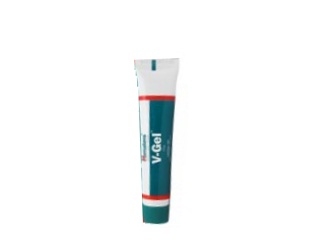
V-gel is a vaginal product commonly used to help relieve vaginal dryness and discomfort, particularly when caused by hormonal changes (such as menopause) or other factors. This guide explains what V-gel is, how it works, how and when to use it, and key safety information—written for people buying and using the product in the UK.
Important: Always read the patient information leaflet supplied with your product. If you have symptoms that are severe, recurrent, or associated with pain, bleeding, fever, or a new unusual discharge, seek medical advice promptly.
1) Basic product information
- Product name: V-gel
- Category: Vaginal gel (moisturising/lubricating product)
- Common uses: Helps improve vaginal comfort by adding moisture and reducing friction
- Route: Intravaginal (inserted into the vagina using the supplied applicator or as directed)
- Typical presentation: Single packs or multi-dose packs depending on the brand/format
In the UK, you may see V-gel available as over-the-counter or pharmacy-supplied products depending on the specific formulation and packaging. Always check the exact product strength and ingredients on your box.
2) What it is and how V-gel works (mechanism of action)
V-gel is designed to provide soothing, moisture, and lubrication within the vagina. Many vaginal gels work by forming a supportive gel layer that:
- Improves lubrication to reduce friction-related discomfort.
- Helps restore moisture and comfort in areas affected by dryness.
- Supports a more comfortable vaginal environment for day-to-day activities and intimacy.
Some products also include components intended to be gentle on vaginal tissues and compatible with normal vaginal function. The precise mechanism can vary by formulation, so it’s important to follow the instructions for your specific product.
3) Pharmacokinetics (how the body handles it)
Because V-gel is a locally acting vaginal product, its effects are largely local rather than systemic. In general:
- Absorption: Most of the product acts on the vaginal surface and is not intended to enter the bloodstream in meaningful amounts.
- Distribution: Action is mainly confined to vaginal tissues.
- Metabolism: The gel components either remain locally or are naturally cleared over time.
- Excretion: Residual gel may leak out gradually and is cleared with normal vaginal secretions.
Exact pharmacokinetic details (such as blood levels) are usually not clinically central for local moisturising gels. If you have specific concerns, refer to the leaflet for the formulation you have.
4) Typical use: what it’s for
V-gel is commonly used for:
- Vaginal dryness and discomfort, especially in people experiencing hormonal changes.
- Discomfort during daily activities caused by dryness and friction.
- Support around intimacy by improving comfort and reducing dryness-related irritation.
It may be used as part of a broader approach to managing vaginal dryness, including lifestyle measures and (where appropriate) guidance from a healthcare professional.
5) When and how to use V-gel (timing and instructions)
General timing
- Best time of day: Many people find using it in the evening helpful, as it gives the gel time to stay in place.
- After application: You may notice some gel leakage. This is usually normal and can be managed with a sanitary liner.
How to apply
Application steps can vary by pack (e.g., whether an applicator is included). Follow your specific leaflet. A common approach is:
- Wash your hands before and after use.
- Use the applicator or finger method exactly as instructed.
- Insert gently and apply the recommended amount.
- Try to stay in a comfortable position for a short period after insertion.
- Use at the recommended frequency (see dosing section below).
How long does it take to work?
Many people notice improved comfort shortly after use. For ongoing dryness, benefits may build over several days depending on the severity of symptoms and the dosing schedule.
6) Indications and suitability (who it may be for)
V-gel may be suitable for individuals who experience vaginal dryness and discomfort where a moisturising/lubricating gel is appropriate. It is not intended to treat infections caused by bacteria or viruses.
Consider speaking to a pharmacist or clinician before use if you:
- Have pain, bleeding, or symptoms that are new or worsening rapidly.
- Suspect an infection (e.g., itching with thick discharge, strong odour, burning urination).
- Have significant genital skin changes (ulcers, marked swelling, or severe irritation).
- Have had allergic reactions to vaginal products previously.
7) Dosing: recommended amounts and schedules
Dosing depends on the exact V-gel formulation and your symptoms. Always use the dosing schedule on the product packaging or patient leaflet.
Tip: If you are unsure which schedule applies to your product, check the label for the frequency (e.g., once or twice daily at first, then maintenance frequency).
Common dosing patterns (illustrative)
Many vaginal moisturising gels are used in two phases:
- Initial relief: Typically more frequent dosing for the first days to weeks.
- Maintenance: Reduced frequency once comfort improves.
For the exact dose and frequency, please follow the instructions in your leaflet. If you are buying from an online pharmacy, you may also find dosing details on the product page.
How to decide frequency
- If symptoms are mild: a lower maintenance schedule may be sufficient.
- If symptoms are moderate to severe: you may need a more frequent start as directed.
- If there is no improvement: stop and seek advice—this could indicate another cause (such as infection).
8) Food interactions
Because V-gel is applied intravaginally and acts locally, food interactions are not expected. There is generally no need to adjust your diet when using the gel.
Follow any advice provided with your specific product, especially if you are also taking other local treatments.
9) Alcohol and medicine interactions
Alcohol
There are no typical direct interactions with alcohol for vaginal moisturising gels because the product is used locally. However, alcohol may worsen dehydration or irritate tissues in some people, which can affect comfort.
If you notice increased irritation after drinking, reduce alcohol and speak to a pharmacist if symptoms persist.
Other medicines
V-gel may be used alongside some treatments, but interactions are always formulation-dependent. To reduce the chance of irritation, consider the following:
- Separate timing from other vaginal products (e.g., certain pessaries or medicated gels) unless your clinician advises otherwise.
- Check labels for warnings about compatibility.
- Report new symptoms such as increased burning, itching, swelling, or rash.
If you are using other vaginal treatments (for example, for infections), ask a pharmacist whether they should be taken at different times.
10) Safety profile and side effects
V-gel is generally well tolerated when used as directed. However, any vaginal product can cause irritation in some people.
Common or expected effects
- Mild warmth or temporary sensation after application.
- Gel leakage after insertion, particularly if applied before standing up.
- Minor changes in comfort during the first few applications.
Less common effects (seek advice)
- Itching, burning, or increasing irritation.
- Swelling or redness.
- Rash or signs of allergy (e.g., hives, facial swelling).
When to stop and seek medical help urgently
- Severe pain, significant swelling, or rapidly worsening symptoms.
- Bleeding not explained by your usual pattern.
- Fever or feeling unwell with genital symptoms.
- Signs of a serious allergic reaction (breathing difficulty, widespread rash, swelling of lips/face).
Who should use with caution
- People with a history of sensitivity to ingredients in vaginal products.
- Those with active vaginal infection symptoms (gel may not address the underlying cause).
- Anyone who has had recent vaginal surgery or has significant tissue fragility—ask a clinician for tailored advice.
11) Practical use tips for best results
- Apply gently to reduce discomfort. Use whatever method is easiest and least irritating for you.
- Use evening application where possible to minimise leakage and maximise contact time.
- Use a sanitary liner if leakage occurs, rather than tampons, unless your leaflet advises otherwise.
- Avoid scented products (such as perfumed washes) around the vaginal area; they may increase irritation.
- Do not overuse beyond the leaflet directions, especially in the initial phase.
- Give it time: if symptoms are due to dryness, improvement may take several days.
- Look for alternative causes if symptoms persist: infection, dermatologic conditions, or other causes of irritation may require different treatment.
12) Alternative options
If V-gel does not relieve your symptoms, there are other approaches commonly discussed in the UK. Options include:
- Other vaginal moisturisers: Many brands use different gel bases and may suit different people.
- Vaginal lubricants for intercourse: These can reduce friction during specific activities.
- Barrier or soothing treatments: Some products focus on reducing irritation and protecting tissue.
- Prescription or clinician-led therapies (where appropriate): For some causes of vaginal dryness, healthcare professionals may recommend hormonal or non-hormonal treatments tailored to the underlying cause.
Choosing the right option depends on whether your symptoms are mainly dryness, irritation, or infection-related. If you’re unsure, a pharmacist can help you compare options and advise on compatibility with other treatments.
13) United Kingdom market and legal context (how it’s supplied)
In the UK, medicines and healthcare products are regulated under UK pharmaceutical standards. V-gel availability can vary depending on:
- Formulation and ingredients (some products are treated as medical devices or gels; others as medicines depending on claims).
- Claims on the pack (e.g., moisturising/soothing versus treating infections).
- Whether pharmacist advice is required at the point of sale.
Online pharmacies in the UK typically provide product information, storage guidance, and safety information consistent with regulatory requirements. Always ensure the product is purchased from a reputable UK-registered retailer.
Recent guidance and best-practice considerations
While guidance can evolve, common UK clinical best practices for vaginal dryness include:
- Confirming the cause of symptoms (dryness versus infection or dermatologic conditions).
- Using local moisturisers/lubricants regularly to maintain comfort.
- Seeking advice when symptoms persist or red-flag features appear (pain, bleeding, fever, suspected infection).
- Choosing gentle, fragrance-free care to reduce irritation.
14) Delivery, availability, and what to expect when ordering in the UK
Availability of V-gel can vary by format and stock levels. Many online pharmacies offer:
- Standard and express delivery options depending on your location in the UK.
- Order tracking once dispatched.
- Secure packaging to protect the product.
Delivery times differ by service and carrier, so check the estimated delivery window displayed at checkout. If you require urgent symptom relief, consider selecting an express option if available.
Storage: Store according to the leaflet/label—generally in a cool, dry place and away from direct sunlight. Keep out of reach of children.
15) Quick reference table
| Topic | What you should know |
|---|---|
| Product type | Vaginal moisturising/lubricating gel (local action) |
| Best timing | Often in the evening; contact time may be improved before sleep |
| How it works | Provides moisture/lubrication to reduce dryness-related discomfort |
| Food interactions | Not expected because use is intravaginal and locally acting |
| Alcohol interactions | No direct interactions expected; may affect comfort in some people |
| Other medicine interactions | Consider spacing from other vaginal products unless advised otherwise |
| Side effects | Mild irritation or leakage can occur; stop and seek advice if symptoms worsen |
| When to seek help | Severe pain, bleeding, fever, suspected infection, or signs of allergy |
16) Frequently Asked Questions (FAQ)
Is V-gel the same as a lubricant for sex?
V-gel is typically a moisturising gel used to improve dryness and comfort over time. Some lubricants are designed specifically for use during intercourse. You can often use a suitable moisturiser regularly, and a lubricant for specific activities—follow the instructions for each product.
How often should I use V-gel?
Follow the frequency on your pack or leaflet. Many people start with a short initial schedule for relief, then switch to a maintenance schedule once symptoms improve.
Will V-gel leak out?
Mild leakage can happen as the gel mixes with normal vaginal secretions. Using it in the evening and allowing time before getting up can reduce leakage. A sanitary liner may help.
Can I use V-gel during pregnancy or breastfeeding?
Because individual formulations and personal circumstances differ, it’s best to check the leaflet guidance and speak with a pharmacist if you are pregnant or breastfeeding.
Can I use V-gel with condoms or other contraception?
Some vaginal gels may affect certain materials. Check the product leaflet for compatibility information. If condoms are used, consider testing compatibility or asking a pharmacist for guidance.
What if I feel itching or burning after using it?
Mild transient sensations can occur, but increasing itching, burning, swelling, or rash is a sign to stop and seek advice. These symptoms may indicate irritation or an allergic reaction—or that a different treatment is needed for an infection.
Can V-gel treat infections like thrush or bacterial vaginosis?
V-gel is generally intended for dryness and comfort rather than treating infections. If you have symptoms suggestive of infection (for example, unusual discharge, strong odour, significant itch, or pain), seek advice from a pharmacist or clinician for the appropriate treatment.
How soon will I notice improvement?
Many people notice improvement quickly, but full comfort may take several days depending on the cause and severity of dryness. If there is no improvement after the recommended trial period, seek advice.
Can I use V-gel with other vaginal products?
You may be able to, but to reduce irritation and ensure proper contact, it’s often recommended to separate products in time. Always check the leaflet and ask a pharmacist if you are using another vaginal gel, pessary, or medicated treatment.
What should I do if my symptoms return?
Some dryness-related symptoms are chronic and may return. Re-using a moisturiser as directed can help, but recurrent or worsening symptoms should be reviewed to confirm the cause and rule out infection or other conditions.
17) Summary
V-gel is a locally acting vaginal gel used to help relieve vaginal dryness and related discomfort. It works by providing moisture and lubrication to improve comfort and reduce friction. Typically used regularly (often starting with a more frequent schedule and then reducing for maintenance), it is generally well tolerated. If you experience significant pain, bleeding, fever, signs of allergy, or symptoms suggestive of infection, stop using the product and seek medical advice.