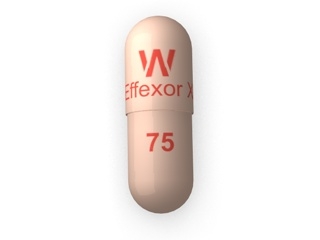

Venlor (Venlafaxine) – Patient-Friendly Guide (UK)
Venlor is a brand name for venlafaxine, a medicine used to treat certain mental health conditions such as depression and anxiety disorders. This page explains how it works, how it is taken, what to expect, and key safety information—written to be clear and practical for people in the United Kingdom.
Please note: individual needs vary. If you have questions about your own situation, speak to a qualified healthcare professional.
At a glance
- Medicine: Venlor (venlafaxine)
- What it is used for: Depression and certain anxiety conditions
- How it works: Helps balance brain chemicals involved in mood and anxiety (serotonin and noradrenaline)
- Common experience: Some benefits may be felt within 1–2 weeks, with fuller effect often taking longer
- Important: Do not stop suddenly—withdrawal symptoms can occur
Basic product information
Venlor contains venlafaxine. Depending on the product strength and formulation, it is available as:
- Immediate-release venlafaxine (may be taken more than once daily)
- Prolonged-release formulations (often taken once daily)
Your pack will state the exact strength and dosing schedule. Always follow the instructions provided with your medicine.
How Venlor works (mechanism of action)
Venlafaxine is an antidepressant that mainly affects two brain chemical systems: serotonin and noradrenaline.
In simple terms, venlafaxine helps increase the availability of these chemicals in the brain by blocking their reuptake. This can improve symptoms of depression and certain forms of anxiety.
- At lower doses: stronger effect on serotonin reuptake
- At higher doses: greater effect also on noradrenaline reuptake
- Over time: helps the brain adapt, which is why benefits may build gradually
Pharmacokinetics (how the body handles it)
Understanding pharmacokinetics can help you know why dosing schedules matter. Venlafaxine and its major active metabolite are processed through the liver and then removed from the body primarily via the kidneys.
Absorption and onset
- Venlafaxine is absorbed after taking by mouth. With sustained/prolonged-release products, drug levels rise more gradually and are maintained over the day.
- Some people notice early changes (such as reduced anxiety or improved sleep) within the first couple of weeks, though full antidepressant benefit may take longer.
Metabolism
- Venlafaxine is metabolised in the liver, with O-desmethylvenlafaxine (also called desvenlafaxine in some contexts) being an important active metabolite.
- Individual differences in liver enzymes can influence drug levels, which is one reason dose adjustments may be needed for some people.
Elimination
- The medicine and its metabolites are eliminated mainly through the urine (kidneys).
- In people with kidney or liver impairment, medicine levels may build up, sometimes requiring a lower dose or different schedule.
Typical uses and indications (what it can be prescribed for in the UK)
Venlafaxine is commonly used for conditions such as:
- Depression (including major depressive episodes)
- Generalised Anxiety Disorder (GAD)
- Social anxiety disorder
- Panic disorder
The exact indication depends on clinical assessment and local guidance. Your clinician may also consider it when other options are not suitable.
When to take Venlor (timing and routine)
Taking Venlor consistently helps maintain steady drug levels. The right timing depends partly on whether you are taking an immediate-release or prolonged-release formulation, and how the medicine affects you.
General timing tips
- Take at the same time each day to help you remember and maintain steady levels.
- If you experience sleepiness, taking it later in the day may help. If it makes you feel more awake or restless, taking it earlier may be better.
- If you miss a dose, do not double up—follow the advice provided with your medicine or ask a pharmacist for guidance.
Many people find that the first 1–2 weeks require patience: symptoms may fluctuate while your body adapts.
How to use Venlor (dosing overview)
Dosing must be individual. Venlafaxine treatment is often started at a lower dose and increased gradually to improve tolerability. The exact schedule depends on your diagnosis, age, other medicines, and how you respond.
Important dosing principles
- Do not change your dose suddenly without medical advice.
- Gradual increases help reduce side effects such as nausea, dizziness, or sleep disturbances.
- If stopping is needed, tapering is recommended to reduce withdrawal symptoms.
Your pack and/or your clinician’s instructions will specify the dose and whether it is taken once or multiple times daily.
| Formulation | Typical timing pattern | Practical note |
|---|---|---|
| Immediate-release | Often split dosing across the day | Helps maintain more even levels if taken as directed |
| Prolonged-release | Often once daily | Tends to provide a steadier effect through the day |
Food interactions: can you take Venlor with meals?
Venlafaxine can generally be taken with or without food. Many people find taking it with food helps reduce side effects such as nausea.
- If you get nausea: try taking it with a meal.
- Keep routine consistent: if you usually take it with food, continue that pattern.
- Hydration: drink plenty of fluids, especially if you feel dizzy or light-headed.
Alcohol and medicine interactions
Alcohol
It is usually recommended to avoid or minimise alcohol while taking venlafaxine. Alcohol can worsen mood symptoms, impair judgement, and increase side effects such as dizziness and drowsiness.
Important medicine interactions
Venlafaxine can interact with other medicines, sometimes increasing the risk of side effects. Tell your pharmacist or clinician about all medicines you take, including over-the-counter products and herbal remedies.
- MAO inhibitors (MAOIs): combining with MAOIs can cause serious reactions. A gap is required when switching between these medicines.
- Other antidepressants: using multiple serotonergic medicines can increase the risk of serotonin syndrome.
- Triptans (migraine medicines), linezolid, certain opioids (e.g., tramadol), and St John’s wort: may increase serotonergic risk.
- Medicines affecting serotonin/noradrenaline: may change venlafaxine effects or side effect profile.
- Medicines that affect liver enzymes: may alter venlafaxine metabolism.
- Blood pressure medicines: venlafaxine may raise blood pressure in some people; monitor as advised.
- Anticoagulants/antiplatelets: antidepressants that affect serotonin can sometimes increase bleeding risk, especially with NSAIDs or blood thinners.
If you are unsure whether a medicine could interact with venlafaxine, ask a pharmacist. It is better to check early.
Safety profile: common side effects and what to expect
Like all medicines, Venlor can cause side effects. Many are mild and settle as your body adjusts—particularly during the first few weeks after starting or after dose increases.
Common side effects
- Nausea
- Dry mouth
- Dizziness
- Headache
- Sleep changes (insomnia or sleepiness)
- Sweating
- Reduced appetite
- Tremor
- Sexual side effects (e.g., reduced libido, difficulty reaching orgasm)
Blood pressure and heart rate
Venlafaxine may increase blood pressure in some people, particularly at higher doses. Clinicians may monitor blood pressure during treatment. If you experience severe headache, chest pain, or breathlessness, seek urgent medical advice.
Less common but serious warnings
Contact urgent medical care if you develop symptoms such as:
- Serotonin syndrome: confusion, fever, sweating, severe agitation, tremor, diarrhoea, muscle stiffness
- Severe allergic reaction: swelling of the face/lips, trouble breathing, rash/hives
- Unusual bleeding or bruising, black/tarry stools, or vomiting blood
- Mania/hypomania: unusually high energy, reduced need for sleep, risky behaviour
- Worsening depression or suicidal thoughts, especially early in treatment or after dose changes
- Severe skin reactions
- Fits (seizures) in people at risk
Withdrawal and missed doses: why tapering matters
Stopping venlafaxine suddenly can cause discontinuation (withdrawal) symptoms, sometimes called “discontinuation syndrome.” These may include:
- dizziness
- nausea
- headache
- irritability, anxiety, or “electric shock” sensations
- sleep disturbance
If you need to stop Venlor, a gradual reduction plan is usually recommended. If you miss a dose, do not try to make up for it by taking extra—ask a pharmacist for advice.
Practical use tips (making treatment easier)
1) Give it time
Many people don’t feel the full effect straight away. A realistic approach is to expect some early changes first, then a fuller benefit over subsequent weeks. If symptoms worsen significantly, contact a clinician promptly.
2) Track side effects and symptom changes
- Keep notes on sleep, anxiety level, mood, and physical side effects.
- Record the time you take the medicine and any patterns (for example, whether nausea is worst on an empty stomach).
3) Manage nausea
- Try taking with food.
- Stay hydrated.
- A pharmacist may suggest options for nausea (including lifestyle measures).
4) Watch blood pressure
If you have a history of high blood pressure or heart issues, ask whether monitoring is recommended. Report new symptoms promptly.
5) Avoid driving if you feel dizzy or unusually drowsy
Venlafaxine may cause dizziness or sleepiness in some people. Be cautious until you know how you respond.
Alternative options (if Venlor isn’t suitable)
Treatment choice depends on your diagnosis, previous response to medicines, co-existing conditions, and side effect preferences. Possible alternatives include:
- Other antidepressants (e.g., SSRIs such as sertraline or fluoxetine, or other SNRI options)
- Psychological therapies (e.g., CBT) which can be effective on their own or combined with medication
- Other anxiety treatments depending on the specific condition
- Lifestyle and supportive approaches: sleep regularity, physical activity, structured routines, stress management techniques
If you’re considering switching, do not stop Venlor abruptly. Switching plans often require careful timing to reduce risk.
Timing expectations: when will you feel better?
Response can vary. Common patterns include:
- First few days to 2 weeks: side effects may be most noticeable; some people may notice slight relief in anxiety or sleep
- 2–6 weeks: gradual improvement in mood and anxiety symptoms is often seen
- Ongoing treatment: continued monitoring helps confirm benefit and tolerability
If you feel no improvement after an appropriate trial period, or if side effects are troublesome, speak to your clinician.
Market and legal context for the UK
In the UK, venlafaxine-containing medicines are provided under established medicines regulation and prescribing standards. They are supplied through community pharmacies and other authorised channels, and availability may depend on:
- the specific formulation and strength
- stock levels and supply chain factors
- ongoing regulatory updates
National guidance for depression and anxiety generally emphasises a combination of evidence-based treatments, monitoring of risks, and shared decision-making about benefits and side effects.
Recent guidance (UK overview)
UK clinical guidance for depression and anxiety typically highlights:
- starting with appropriate assessment (including risk assessment for suicidal thoughts, bipolar risk, and physical health considerations)
- offering psychological therapies where appropriate, and considering medicines when symptoms are moderate to severe or persistent
- careful follow-up during the early weeks of antidepressant treatment, especially after starting or changing dose
- attention to drug interactions, withdrawal risk, and monitoring of side effects such as blood pressure changes
If you have a complex medical history, your clinician may tailor the plan and monitoring schedule accordingly.
Delivery and availability (UK online pharmacy information)
Availability of Venlor (venlafaxine) may vary by strength and formulation. If a specific product is temporarily out of stock, a pharmacist may suggest an alternative venlafaxine brand or an equivalent formulation where appropriate.
What to expect with delivery
- Packaging: medicines are supplied in protective packaging with patient information included.
- Dispatch times: vary depending on stock and order volume.
- Tracking: many online pharmacies provide dispatch confirmation and tracking details.
Always check the label to confirm the correct strength and formulation you ordered.
Safety checklist: who should get extra advice?
Some people may need extra caution or closer monitoring. Speak to a healthcare professional if you have any of the following:
- history of mania or bipolar disorder
- heart disease, rhythm problems, or uncontrolled blood pressure
- seizure disorder
- liver or kidney impairment
- glaucoma (closed-angle risk)
- bleeding disorders or use of blood-thinning medicines
- are taking multiple medicines that affect serotonin
FAQ
1) How long does Venlor take to work?
Some people notice early improvements within 1–2 weeks, but full benefit often takes several weeks. If you’re not sure whether your progress is within expected timing, discuss it with a clinician.
2) Will I feel side effects straight away?
Side effects can start early, especially after starting or increasing the dose. Many settle as your body adapts. If side effects are severe, persistent, or worrying, seek advice promptly.
3) Can I take Venlor with food?
Yes. Taking it with food may help reduce nausea. Follow the instructions on your pack.
4) Is alcohol safe with Venlor?
It’s usually best to avoid or minimise alcohol. Alcohol can increase dizziness and worsen mood symptoms. If you choose to drink, do so cautiously and discuss with your pharmacist if you’re unsure.
5) What happens if I miss a dose?
Don’t double up. Missed-dose instructions depend on your formulation and dosing schedule. For personalised guidance, ask a pharmacist.
6) Can I stop Venlor suddenly?
Stopping suddenly is not recommended. Withdrawal/discontinuation symptoms can occur. If you want to stop, ask for a gradual taper plan.
7) Does Venlor affect driving or operating machinery?
It can. If you feel dizzy, sleepy, or unsteady, avoid driving and risky activities until you know how Venlor affects you.
8) Are there alternatives to Venlor?
Yes. Other antidepressants, different anxiety treatments, and psychological therapies may be options depending on your symptoms and history.
9) How will my blood pressure be affected?
Venlafaxine can increase blood pressure in some people. Monitoring may be recommended, particularly at higher doses or if you have risk factors.
10) Where can I find the latest advice?
Your healthcare professional and the patient information leaflet included with your medicine are the best sources for updated, product-specific guidance.
Key takeaways
- Venlor (venlafaxine) helps treat depression and certain anxiety conditions by balancing serotonin and noradrenaline.
- Benefits build gradually—give it time while monitoring both mood and side effects.
- Take it consistently; food is usually okay and may help nausea.
- Minimise alcohol and check interactions with other medicines.
- Do not stop suddenly; withdrawal symptoms can occur—use a taper plan if stopping.
This information is intended as a helpful overview. If you have questions about Venlor or how it fits your treatment plan, consult a qualified healthcare professional or pharmacist.