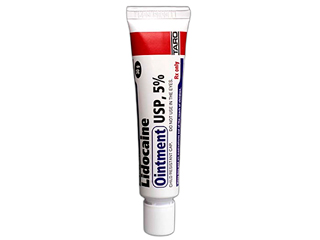
Xylocaine (Lidocaine) — Patient-Friendly Guide (UK)
Xylocaine is a brand of lidocaine, a local anaesthetic medicine used to numb a specific area of the body and reduce pain during procedures or certain medical treatments. It works by blocking nerve signals so that pain is not felt in the treated area. In the UK, Xylocaine products are available in several forms, including injections and gels/creams/patches depending on the intended use.
This guide explains how Xylocaine works, when it’s used, what to expect, and important safety information. Always follow the instructions provided by your clinician or pharmacist and read the package leaflet supplied with your product.
1. Basic product information
- Active ingredient: Lidocaine
- Brand name: Xylocaine
- Medicinal type: Local anaesthetic (numbs a region by reducing nerve signal transmission)
- Common dosage forms (may vary): Injection; gel; cream; spray; plaster/patch (depending on the product line)
- Use setting: Hospitals, clinics, dental settings, and sometimes home use for specific presentations
Because different Xylocaine forms are used for different purposes, the dose and timing vary. If you are using a topical product (like a gel/cream/spray), the label directions typically specify the amount and frequency. For injection use, dosing is individualised based on the procedure and patient factors.
2. How Xylocaine works (mechanism of action)
Lidocaine is a local anaesthetic. It works primarily by:
- Blocking voltage-gated sodium channels on nerve cells
- Preventing nerve impulses from being generated and transmitted
- Reducing pain sensation in the targeted area
It may also affect nerve conduction in nearby tissues, which is why it can numb broader regions when injected or when used over a site under specific technique.
3. Pharmacokinetics (how the body handles it)
The way lidocaine moves through and is cleared by the body depends on the route of administration (injected vs. applied to skin/mucosa).
Key points (general)
- Absorption: Can vary widely. Injection leads to faster absorption into circulation. Topical products absorb more slowly and typically produce local effects.
- Distribution: Lidocaine can distribute into tissues including the liver and heart. It is not “stays only at the site” in all cases—some absorption may occur.
- Metabolism: Lidocaine is mainly metabolised in the liver by enzymes (including CYP1A2 and CYP3A4 pathways).
- Excretion: Metabolites are removed primarily via the kidneys.
- Half-life: Varies by patient factors (for example, liver function, age, other medicines). In general terms, lidocaine has a limited duration, but effects can be prolonged when metabolism is reduced.
Clinical relevance: If you have liver disease or take medicines that affect liver enzymes, lidocaine levels may be higher than expected. This is one reason dosing and monitoring may be adjusted by healthcare professionals.
4. Typical use in the UK
Depending on the form, Xylocaine is used for:
- Local pain relief during medical procedures (e.g., minor surgery, wound care)
- Dental anaesthesia (commonly through local injection)
- Numbing skin or mucous membranes (e.g., certain gels/sprays used in specific clinical or procedural contexts)
- Pain relief for irritated nerve-related conditions (some topical lidocaine products may be used for neuropathic pain in selected settings, depending on the product)
- Adjunct support to reduce discomfort during catheter insertion or similar interventions (typically within clinical settings)
Which Xylocaine is right for you depends on the indication and the body site. If you are unsure, ask your pharmacist to confirm the correct product and directions for your situation.
5. Timing: when you can expect numbness and relief
Timing varies based on route and form. As a general guide:
- Topical applications (gel/cream/spray/patch): Usually start to work within minutes as the medicine penetrates the area. Full effect may take longer depending on the product and the skin/mucosa condition.
- Injected lidocaine: Often works quickly, with the exact onset depending on injection type and site.
Duration of effect: This also varies. In many procedures, the numbness is expected to last long enough for the intervention and a short recovery period. For topical treatment of nerve pain, relief may last for the period specified by the product instructions (for example, hours for some patch formulations).
Tip: Do not test the numbness by pressing on the area if it may be injured. Numb tissue can be more prone to accidental bites, burns, or pressure damage.
6. Food interactions
With local anaesthetics, food interactions are usually not a major concern, especially for topical use. However, general caution still applies:
- If lidocaine is used by injection in a clinical setting, follow the pre-procedure advice provided (for example, fasting instructions if sedation is also planned).
- For topical use, there is typically no direct interaction with meals. Still, avoid applying to very inflamed or broken skin unless instructed.
General advice: If you’re using lidocaine alongside other medicines that need timing with meals (such as certain antibiotics or stomach protectants), keep to the schedule prescribed for those medicines.
7. Alcohol and medicine interactions
Alcohol
Alcohol can increase the risk of side effects such as dizziness, drowsiness, or coordination problems. While topical lidocaine is generally limited in systemic absorption, extra caution is sensible, especially if:
- Using larger areas or frequent doses
- Having liver impairment
- Receiving lidocaine injection or multiple local anaesthetic exposures
Other medicines
Lidocaine is metabolised in the liver, and some medicines can affect liver enzymes or cardiac conduction, potentially altering lidocaine safety. Key interaction themes include:
- Medicines that affect liver enzymes: Some drugs can increase or decrease lidocaine metabolism, changing blood levels.
- Other local anaesthetics: Using more than one local anaesthetic or high doses may increase risk of systemic toxicity.
- Medicines for abnormal heart rhythms: If you take antiarrhythmics, extra care may be needed because both lidocaine and antiarrhythmics can influence heart electrical activity.
- Some antibiotics and antifungals: Certain agents can influence metabolism through enzyme pathways.
Practical approach: Before using Xylocaine, tell your pharmacist or clinician about all medicines you take, including over-the-counter products and herbal supplements. If you’re using a topical product at home, include any medicines that affect the liver or heart.
8. Indications: what Xylocaine is used for
“Indication” means the condition the medicine is intended to treat or the purpose it serves. Xylocaine is used for:
- Local anaesthesia to reduce pain during procedures or minor interventions
- Numbing painful areas in selected conditions, often where topical lidocaine is appropriate
- Management of certain pain types (for some topical preparations) where local nerve pain relief is considered
In a pharmacy setting, the indication will depend strongly on the specific Xylocaine product and its licensed use in the UK. Always use the product for the purpose described on the label or leaflet provided.
9. Dosing: general principles (UK)
Dosing differs by product type, strength, and patient factors. Below are safe, general principles; exact dosing must come from the specific product leaflet and/or clinician instructions.
Topical forms (gel/cream/spray/patch)
- Use only the amount stated for your specific product.
- Apply to intact skin unless the leaflet specifically allows use on irritated tissue.
- Do not exceed frequency or total daily dose listed on the label.
- Wash hands after application (unless your hands are the treated area).
- Avoid eyes and mucous membranes unless instructed; rinse thoroughly with water if accidental contact occurs.
Injection forms
- Dose is determined by the type of procedure, the site, and whether other medicines are used.
- Clinicians may adjust the dose in elderly patients, those with liver impairment, or when larger volumes are required.
Missed dose (for topical use)
If you are using a topical Xylocaine product regularly and you miss an application, apply it when you remember only if it’s within the allowed schedule. If it’s almost time for your next dose, skip the missed one—do not double.
10. Safety profile: what to watch for
Like all medicines, lidocaine can cause side effects. Most people experience none or only mild, temporary effects. However, systemic toxicity is a rare but serious risk when doses are too high or when absorption is increased.
Common local side effects
- Temporary burning, stinging, or tingling
- Redness at the application site
- Itching or mild irritation
Serious side effects (seek urgent help)
Contact emergency services or urgent medical care if you experience signs of serious reaction such as:
- Difficulty breathing, wheezing, swelling of the face/lips/tongue
- Fainting or severe dizziness
- Seizures or severe confusion
- Irregular heartbeat, very fast heartbeat, or chest pain
Signs of lidocaine systemic toxicity (especially with overdose/excess absorption)
Symptoms may include:
- Tinnitus (ringing in ears), metallic taste
- Numbness around the mouth, severe drowsiness
- Muscle twitching
- In more severe cases, seizures or heart rhythm problems
If you suspect too much has been used or the product has been applied too frequently, stop further use and seek medical advice promptly.
11. Practical use tips (to get the best results safely)
- Check the area: Use on the intended site only. For topical use, avoid applying to large wounds unless instructed.
- Apply carefully: Use a consistent amount and avoid rubbing excessively if the leaflet advises gentle application.
- Protect numb skin: Numb areas can be injured without pain warning. Be extra careful with heat sources and friction.
- Remove jewellery or restraints if swelling occurs: If local swelling happens, remove tight items unless advised otherwise.
- Do not cover unless permitted: Some products should not be covered with occlusive dressings. Follow leaflet guidance about dressings and bandaging.
- Keep away from children: Store safely; accidental ingestion can be dangerous.
12. Alternative options
Depending on the reason lidocaine is being used (procedure-related pain, local tissue numbness, or nerve pain), alternatives may include:
- Other local anaesthetics (for clinicians, depending on the procedure)
- Topical non-lidocaine options such as certain anti-inflammatory gels or soothing creams (where appropriate)
- Oral pain medicines (prescribed or recommended by a clinician/pharmacist for specific pain types)
- Non-drug approaches like physiotherapy, heat/cold measures, or nerve-pain strategies for certain chronic conditions
If your pain persists or worsens, it’s important to get clinical advice to confirm the cause.
13. UK market & legal context (overview)
In the UK, medicines are regulated by the Medicines and Healthcare products Regulatory Agency (MHRA), with distribution and supply guided by licensing requirements. In pharmacy and healthcare settings:
- Local anaesthetics may be supplied under different frameworks depending on product type and intended use.
- Topical anaesthetics may be licensed for specific conditions or procedural uses, with clear instructions.
- Safety information and product leaflets are required to support safe use.
Availability can vary by product formulation, strength, and whether a particular Xylocaine presentation is intended for professional or community use.
14. Recent guidance and important updates (UK)
In recent years, general guidance in the UK has continued to emphasise:
- Safe dosing and avoiding excessive use of topical anaesthetics
- Careful risk assessment in people with liver disease, heart rhythm problems, or those taking interacting medicines
- Vigilance for systemic toxicity symptoms, particularly when larger areas are treated
Because recommendations can change based on safety surveillance and licensing updates, always check the latest information from the product leaflet and consult a pharmacist if you’re unsure about correct application or dosing.
15. Delivery and availability (UK pharmacy)
Delivery options depend on the online pharmacy you use and the product form. In general, for UK online dispensing, you can expect:
- Pack sizes and strengths may vary
- Availability can be influenced by supply, formulation, and batch rotation
- Cold chain: Usually not needed for lidocaine products unless specifically stated
- Storage: Follow the label (often room temperature away from direct sunlight)
Check before dispatch: Confirm the exact product name and strength in your order. If you require a specific formulation (for example, gel vs. patch), ensure it matches your needs.
16. FAQ
How quickly does Xylocaine work?
For topical products, numbness often begins within minutes, depending on the product and the area. For injection, onset can be quicker. If you’re using a specific Xylocaine form, follow the leaflet for expected onset and duration.
How long will the area stay numb?
Duration depends on the route and the product formulation. Topical anaesthetics may last for a few hours (or longer for certain patch formulations). Injection effects commonly last for the duration needed for a procedure plus some after-effect. Use the leaflet guidance for the specific product you have.
Can I use Xylocaine on broken skin?
Some topical lidocaine products should not be applied to large areas of broken skin unless the leaflet explicitly allows it. Broken skin can increase absorption and raise the risk of side effects. If you’re unsure, ask your pharmacist.
Is it safe to use Xylocaine with other medicines?
Many medicines can be taken alongside lidocaine without issues, but interactions can occur. Tell your pharmacist about:
- Medicines for heart rhythm problems
- Medicines affecting liver enzymes
- Other local anaesthetics
- Any regular prescription or over-the-counter products
What should I do if I accidentally get it in my eyes?
Rinse immediately with plenty of water and seek medical advice if you have pain, persistent redness, or vision changes.
What happens if I use too much?
Using too much (or applying too frequently) can increase absorption and cause side effects. Symptoms can range from dizziness and numbness around the mouth to more serious effects such as seizures or heart rhythm problems. If you suspect overdose, stop using it and seek urgent medical advice.
Can I drive after using Xylocaine?
Topical use usually has minimal systemic effects, so driving may be possible if you feel well. However, if you experience dizziness, drowsiness, or other unusual symptoms, do not drive and seek advice.
Is Xylocaine suitable for children?
Dosing and suitability for children depend heavily on the specific product, strength, and the reason for use. Always follow the product leaflet and consult a pharmacist for child-specific guidance.
Are there any signs of an allergic reaction?
Seek urgent help if you notice swelling of the face/lips/tongue, breathing difficulties, widespread rash, or severe itching with other symptoms.
What are common side effects?
Common side effects are usually local and temporary, such as mild redness, stinging, or itching at the application site. If symptoms are severe or persist, seek advice.
Summary
Xylocaine (lidocaine) is a local anaesthetic used to numb a specific area and reduce discomfort during procedures or for certain pain indications depending on the product form. It works by blocking nerve signals, with onset and duration varying by route and formulation. While food interactions are typically not a major issue, important considerations include potential medicine interactions (especially those affecting the liver or heart rhythm) and avoiding alcohol if you experience dizziness or other systemic effects.
For safe use, always follow the product leaflet, apply only as directed, protect numb areas from injury, and consult a pharmacist if you have liver problems, heart rhythm issues, or you’re unsure about interactions or correct dosing.