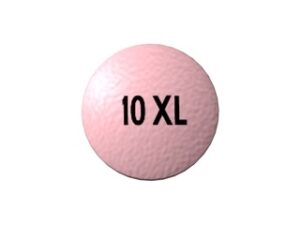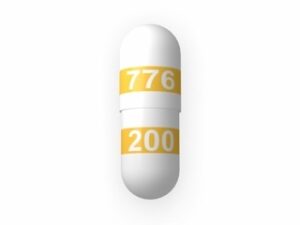
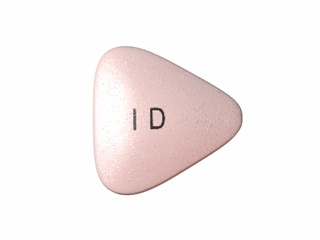
Voveran SR 100mg, 75mg & 50mg Prolonged-Release Diclofenac (SR)
Voveran SR is a brand of diclofenac formulated as a prolonged-release (SR) medicine. It is used to help relieve pain, inflammation and stiffness in conditions such as arthritis and musculoskeletal disorders. This page explains how it works, how to take it safely, and what to consider when using it alongside food, alcohol and other medicines in the United Kingdom.
Key product information
| Feature | Details |
|---|---|
| Medicine name | Voveran SR (diclofenac) |
| Strengths commonly available | 50mg, 75mg, 100mg (SR) |
| Formulation | Prolonged-release tablets/capsules (SR) |
| Class | Non-steroidal anti-inflammatory drug (NSAID) |
| Typical actions | Reduces inflammation and pain; helps stiffness |
| How it’s taken | Usually once daily (depending on strength/doctor advice) |
How Voveran SR works (mechanism of action)
Diclofenac is an NSAID. It works by reducing the activity of enzymes called cyclo-oxygenase (COX-1 and COX-2). These enzymes help produce prostaglandins—chemical messengers involved in:
- Pain signals
- Inflammation and swelling
- Fever responses (NSAIDs can reduce fever, though Voveran SR is mainly used for pain/inflammation)
By lowering prostaglandin production, diclofenac can relieve pain and inflammation. The SR (prolonged-release) design is intended to release the medicine more slowly, helping provide steady pain relief over the day.
Pharmacokinetics (how the body processes it)
Understanding how SR diclofenac behaves can help you take it correctly.
- Absorption: Diclofenac is absorbed through the gastrointestinal tract. The SR formulation is designed to provide a sustained release rather than a rapid spike.
- Peak levels: Blood concentrations rise after dosing and reach a peak at a later time compared with immediate-release diclofenac.
- Distribution: Diclofenac distributes into tissues, including those involved in pain and inflammation.
- Metabolism: Diclofenac is mainly processed by the liver into metabolites, which are then cleared from the body.
- Elimination: Metabolites are removed primarily through the kidneys and to some extent via bile/intestine.
- Half-life: Diclofenac has an elimination half-life that can be influenced by age, kidney and liver function, and other medicines.
Important: Individual response can vary. If you have liver or kidney problems, you may need closer monitoring.
What it’s used for (typical use and indications)
Voveran SR is used for conditions where pain and inflammation are key problems. Common indications include:
- Rheumatoid arthritis and other inflammatory joint conditions
- Osteoarthritis (wear-and-tear arthritis), including painful flare-ups
- Ankylosing spondylitis (inflammatory back/spine arthritis)
- Musculoskeletal pain such as sprains, strains, and soft-tissue injuries
- Back pain where inflammation contributes to symptoms (as advised)
- Dental pain or post-procedural pain in some cases (depending on clinician assessment and local guidance)
Note: The exact suitability depends on your medical history and the specific strength and dosing plan.
When and how to take Voveran SR (timing and dosing)
Follow the dosing instructions provided with your product. SR diclofenac is designed to release medication over time—so dosing and timing matter.
Typical timing
- Often taken once daily with regular daily timing, depending on the strength and your situation.
- Try to take it at the same time each day to maintain steadier blood levels.
How to take SR tablets
- Swallow whole with water unless the specific product instructions say otherwise.
- Do not crush or chew SR products, as this can change how the medicine is released.
- If you miss a dose, take it when you remember
- Do not take a double dose to make up for a missed one.
Typical adult dosing (general information)
Many SR diclofenac regimens for adults are once daily at a strength that matches clinical need. Typical ranges used in practice may include:
- 50mg once daily (in some situations)
- 75mg once daily
- 100mg once daily (for stronger anti-inflammatory effect)
Do not exceed the maximum recommended daily dose stated for your specific product. Always use the lowest effective dose for the shortest possible duration.
Children and teenagers: Diclofenac SR use in younger age groups depends on age, formulation suitability and clinical decision. If relevant to you, seek appropriate medical/clinical advice.
Food interactions and what to eat
Food can influence how medicines are tolerated, particularly by affecting stomach irritation.
- Taking with or after food is often recommended for NSAIDs to reduce the risk of stomach upset.
- Some people find symptoms improve when the tablet is taken with a meal or snack.
- SR release: Food generally does not “cancel out” SR performance, but individual tolerance may vary.
Avoid taking on an empty stomach if you are prone to indigestion, gastritis, ulcers, or have had NSAID-related side effects.
Alcohol interactions (what to watch)
Combining diclofenac with alcohol may increase the chance of:
- Stomach irritation and bleeding risk
- Indigestion, heartburn, nausea
- Kidney stress in some people (especially if dehydrated)
- Liver strain risk in those with heavy or regular alcohol intake
Practical guidance: If you drink alcohol, consider using the lowest effective NSAID dose and keep alcohol intake modest. If you have a history of ulcers or GI bleeding, it’s especially important to discuss alcohol use with a clinician.
Medicine interactions (important)
Diclofenac can interact with a range of medicines. If you take other medicines regularly, review them with your pharmacist or clinician—especially if any are listed below.
Common interaction groups
- Other NSAIDs (including ibuprofen, naproxen, aspirin for pain): increases risk of stomach bleeding and kidney problems.
- Anticoagulants (e.g., warfarin): increased risk of bleeding.
- Antiplatelets (e.g., clopidogrel): may increase bleeding risk when combined.
- Selective serotonin reuptake inhibitors (SSRIs) (e.g., sertraline, citalopram) and other antidepressants that affect serotonin: may raise risk of gastrointestinal bleeding.
- Corticosteroids (e.g., prednisolone): increased risk of stomach ulceration and bleeding.
- Diuretics (e.g., bendroflumethiazide, furosemide): may reduce kidney function; careful monitoring is needed.
- ACE inhibitors / ARBs (e.g., lisinopril, ramipril, losartan): may increase risk of kidney problems, particularly if dehydrated.
- Lithium: NSAIDs may raise lithium levels, increasing toxicity risk.
- Methotrexate: NSAIDs can increase methotrexate exposure, which can be dangerous at certain doses.
- Cyclosporine/tacrolimus: NSAIDs can increase kidney stress.
- Digoxin: may affect digoxin levels.
- Diabetes medicines (insulin and tablets): NSAIDs can affect glucose control in some people.
Herbal and supplement considerations
- St John’s wort may affect drug metabolism.
- Some supplements (e.g., high-dose omega-3, ginkgo, garlic) can affect bleeding risk—especially when combined with NSAIDs and blood-thinners.
Always check labels and consider talking to a pharmacist if you’re unsure whether another product contains an NSAID.
Safety profile: who should be cautious
Diclofenac can be effective for pain and inflammation, but it carries risks typical of NSAIDs. The risks may be higher with:
- Higher doses or longer durations
- Age > 65
- A past history of stomach ulcers or gastrointestinal bleeding
- Heart disease, stroke, or uncontrolled high blood pressure
- Kidney disease or dehydration
- Concurrent use of other medicines that increase bleeding risk
Common side effects
- Indigestion, stomach pain, nausea
- Heartburn
- Headache or dizziness
- Fluid retention (swelling in some people)
Serious warnings (seek urgent help)
Stop the medicine and seek urgent medical advice if you experience:
- Signs of stomach bleeding: black/tarry stools, vomiting blood, or severe persistent stomach pain
- Allergic reaction: facial swelling, wheezing, rash, or trouble breathing
- Chest pain, sudden breathlessness, or weakness/numbness on one side (possible cardiovascular event)
- Severe skin reactions (e.g., blistering rash)
- Severe reduction in urination or swelling (possible kidney issue)
- Yellowing of eyes/skin (possible liver problem)
Cardiovascular (heart and circulation) risk
NSAIDs (including diclofenac) can be associated with increased cardiovascular risk in some individuals, particularly when used at higher doses or for prolonged periods. This is why the general approach is to use the lowest effective dose for the shortest time suitable.
Gastrointestinal (stomach) risk
Diclofenac can cause irritation and may lead to gastritis, ulcers or bleeding—even without prior warning symptoms. Taking the medicine with food can help tolerance, but it does not eliminate risk.
Kidney and dehydration risk
If you are dehydrated (for example due to vomiting, diarrhoea, or not drinking enough), NSAIDs can reduce blood flow to the kidneys and worsen kidney function. Extra caution is needed if you have kidney disease or are taking diuretics.
Practical use tips for safer, more comfortable relief
- Use the lowest effective strength to achieve relief.
- Short duration is generally safer: reassess pain after a few days of treatment.
- Take with food if you get indigestion.
- Avoid combining NSAIDs: do not take ibuprofen/naproxen/other NSAID painkillers at the same time unless advised.
- Stay hydrated, especially in hot weather or if you’re unwell.
- Keep an eye on stomach symptoms: heartburn, pain, or persistent nausea can be early warning signs.
- Use a pain diary (optional): note pain severity and what helps; this can support better decisions about ongoing treatment.
Alternative options in the UK
If Voveran SR is not suitable or you want to explore other options, there may be alternatives depending on your condition and history.
Other NSAIDs
- Other oral NSAIDs (e.g., ibuprofen, naproxen) in appropriate formulations
- Topical NSAIDs (for some joint or soft-tissue problems), which can reduce systemic exposure
Non-NSAID pain relief
- Paracetamol may help some types of pain (though it does not reduce inflammation as strongly as NSAIDs)
- Non-drug approaches: heat/cold packs, stretching, physiotherapy, activity modification, and supportive exercises
When to seek advice rather than switching blindly
- If you have a history of ulcers/bleeding
- If you have heart disease or stroke history
- If you have kidney disease
- If pain is persistent or worsening despite treatment
Market and legal context in the United Kingdom
In the UK, diclofenac products are regulated medicines. The availability of specific brands and formulations can depend on whether they are classified for pharmacy sale or other supply routes, as well as on the strength and licensing details of the product.
Branding and formulation differences: Some diclofenac products are available in different strengths and forms (e.g., immediate-release, SR, topical gels/patches). The safest choice depends on your condition, other medications, and risk factors.
Guideline approach: UK healthcare guidance typically emphasises that NSAIDs should be used cautiously, using the lowest effective dose and reviewing need regularly. This reflects safety concerns around stomach, kidney and cardiovascular risks.
Recent guidance and safety focus: Regulatory authorities and professional guidance in recent years have continued to highlight NSAID-related risks, especially the importance of risk assessment, appropriate dosing, and avoidance of unnecessary long-term use.
Delivery and availability
Online pharmacies in the UK may carry Voveran SR depending on demand and product listing. Delivery options commonly include:
- Standard delivery (typically a few working days)
- Express delivery in some cases
- Tracking updates may be provided once dispatched
Availability: Stock can vary by strength (50mg/75mg/100mg) and by formulation. If a particular strength isn’t currently listed, you may be offered alternatives or restock notifications depending on the pharmacy service.
Storage: Store at room temperature away from direct heat and moisture. Keep medicines out of sight and reach of children.
FAQ (frequently asked questions)
1) Is Voveran SR the same as regular diclofenac?
Voveran SR contains diclofenac in a prolonged-release (SR) form. Compared with immediate-release diclofenac, SR is designed to release medication more slowly, which often supports once-daily dosing. Do not substitute SR with non-SR products without checking the strength and dosing instructions.
2) How long does Voveran SR take to work?
Many people notice pain relief within hours, but full benefit may take a little longer. If there is no improvement after a reasonable trial (as advised for your condition), seek advice rather than increasing dose.
3) Can I take it with food?
Yes—taking with or after food can reduce stomach discomfort. If you get indigestion, food is especially helpful.
4) Can I drink alcohol while taking Voveran SR?
It’s best to keep alcohol to a minimum. Alcohol can increase the risk of stomach irritation and bleeding and may add strain to the liver and kidneys. If you have a history of ulcers or take blood-thinning medicines, avoid alcohol unless you’ve discussed it with a clinician.
5) What should I avoid taking with Voveran SR?
Avoid combining with other NSAIDs (such as ibuprofen or naproxen) unless specifically instructed. Also be cautious with medicines that increase bleeding risk (e.g., anticoagulants, antiplatelets, some antidepressants) and medicines that can affect kidneys (e.g., diuretics, ACE inhibitors/ARBs).
6) What if I miss a dose?
Take it when you remember unless it is nearly time for the next dose. Skip the missed dose if close to the next dose—do not take a double dose.
7) Are there any signs that I should stop and get help?
Stop and seek urgent advice if you develop signs of an allergic reaction, stomach bleeding (black stools or vomiting blood), breathing difficulties, severe chest pain, a sudden neurological problem, severe skin reactions, or symptoms suggesting kidney or liver problems (such as reduced urination or yellowing of the skin/eyes).
8) Can Voveran SR be used long-term?
NSAIDs are typically recommended for the shortest effective duration. Some people may require longer treatment under clinical review. If you need it continuously, discuss ongoing risk management with a pharmacist or clinician.
9) Does Voveran SR affect driving or machinery?
Most people can drive normally, but side effects such as dizziness or headache can occur. If you feel affected, avoid driving or operating machinery.
10) What are safer “first steps” if I have mild pain?
Many people start with non-drug measures (rest, activity modification, heat/cold, physiotherapy exercises). For pain without strong inflammation, paracetamol may be an option. Your choice depends on your condition and personal risk factors.
Final reminders
Voveran SR can be an effective option for painful, inflammatory conditions when taken correctly. To use it more safely:
- Take it as directed and do not exceed the recommended dose.
- Avoid taking it with other NSAIDs.
- Consider taking it with food and limit alcohol.
- Be alert to stomach, cardiovascular, kidney and allergic warning signs.
- If your symptoms persist, worsen, or you experience side effects, seek advice promptly.